
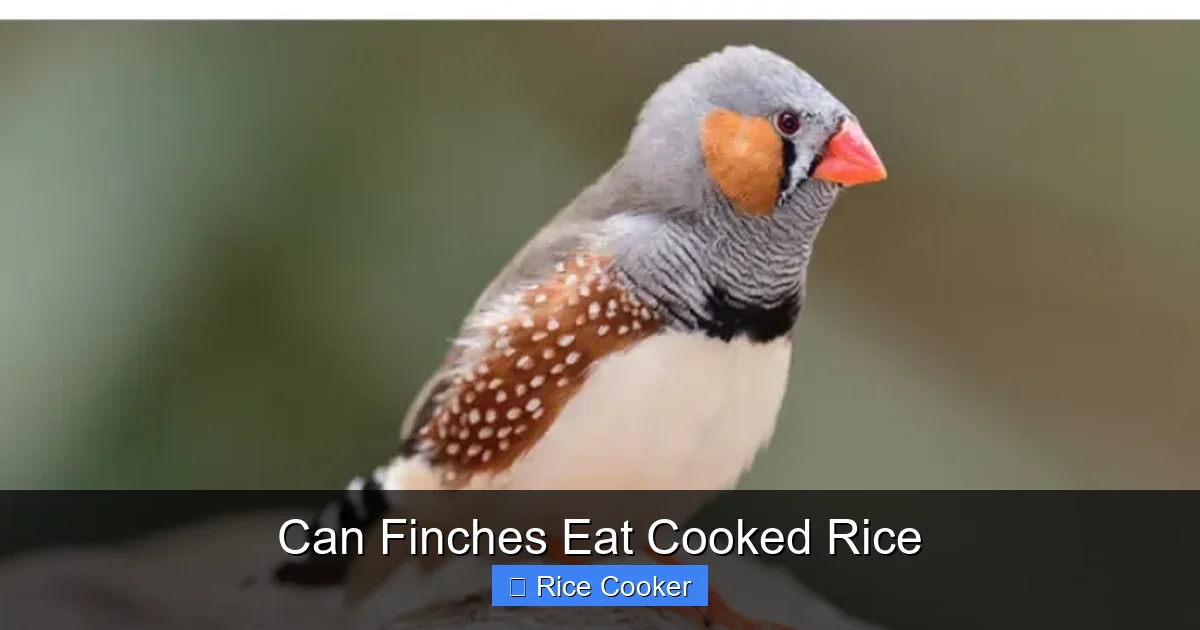
Finches can safely eat small amounts of plain, cooked rice as an occasional treat. This grain offers carbohydrates and energy, but it should never replace their primary seed or pellet diet. Always avoid seasoned, fried, or leftover rice dishes—they contain ingredients that are harmful to finches. With proper preparation and moderation, cooked rice can be a healthy addition to your finch’s balanced nutrition plan.
Key Takeaways
- Safety First: Only offer plain, unseasoned, and fully cooled cooked rice to finches—no salt, oil, spices, or sauces.
- Nutritional Value: Cooked rice provides carbohydrates, which offer quick energy, and contains trace vitamins like niacin and thiamine.
- Moderation is Key: Rice should be given sparingly—no more than once every few weeks—as a supplement, not a staple.
- Cooking Method Matters: Boiled white or brown rice without additives is ideal; avoid instant or pre-cooked varieties with preservatives.
- Hydration & Digestion: Ensure fresh water is always available when offering dry rice, as it can expand in the digestive tract.
- Watch for Allergies: Monitor your finch after first-time rice introduction for signs of discomfort or unusual behavior.
- Alternative Grains: Consider quinoa, millet, or oats as healthier grain options with better protein and fiber content.
📑 Table of Contents
Can Finches Eat Cooked Rice?
If you’re a finch owner, you’ve probably found yourself wondering what treats you can safely share with your feathered friends. Birds are curious creatures, and just like humans, they enjoy variety. But when it comes to feeding them, safety and nutrition come first. One common question that pops up in bird forums and care guides is: can finches eat cooked rice? The short answer is yes—but with important caveats. Let’s dive into why, how, and how often you should consider adding cooked rice to your finch’s diet.
Finches are small songbirds native to warm climates across Asia, Africa, and parts of Australia. In the wild, they forage for seeds, insects, and occasionally plant matter. While they primarily rely on seeds for protein and fat, natural foraging behaviors lead them to explore other food sources, including grains that fall from trees or are left behind in the environment. Cooked rice fits into this category—it’s soft, easy to digest, and can provide a welcome change of texture and flavor. However, not all rice is created equal. The way you cook it, the type of rice, and whether it’s been mixed with anything else can make the difference between a healthy snack and a potentially harmful meal.
The Nutritional Profile of Cooked Rice
To understand whether finches can eat cooked rice, it helps to look at what rice actually contains. Plain, well-cooked white or brown rice is mostly composed of carbohydrates, specifically starch. This makes it a good source of quick energy—something finches need due to their high metabolism and constant movement. A single serving of rice also provides small amounts of essential B vitamins such as niacin (B3) and thiamine (B1), both of which support metabolic function and nervous system health.
Visual guide about Can Finches Eat Cooked Rice
Image source: petshun.com
Brown rice, while higher in fiber and some minerals like magnesium and phosphorus, may be harder for finches to digest in large quantities due to its bran layer. That said, a tiny bit can still be offered occasionally. White rice is generally easier on their sensitive digestive systems. It’s important to note, however, that rice lacks significant protein and fat—the two macronutrients finches require most. Seeds, pellets, and insects form the foundation of their diet, so rice should never take the place of these core foods.
What Makes Rice Safe or Unsafe for Finches?
Not all rice dishes are suitable for finches. In fact, many everyday rice meals humans eat are downright dangerous for birds. For example, fried rice with soy sauce, garlic, onions, or chili flakes might seem tasty to us, but these ingredients can cause gastrointestinal upset, toxicity, or even death in finches. Similarly, leftover takeout rice reheated with butter or cheese should never be offered.
The key to safe rice consumption lies in simplicity. You want plain, boiled rice that has been cooled completely and is free from any additives. Think of it as “bird-grade” rice—something clean, pure, and prepared just for your finch. If you’re cooking rice for dinner and have a little extra, you can save a small portion (about half a teaspoon) to share with your bird later that day. Just make sure it hasn’t been sitting out too long or touched by human hands with lotions, oils, or chemicals.
How Often Should You Feed Finches Cooked Rice?
Because rice is high in carbohydrates and low in essential nutrients, it should only be offered as an occasional treat—not a regular part of the diet. Experts recommend limiting grain-based treats like cooked rice to no more than once every one to two weeks. Overfeeding can lead to obesity, fatty liver disease, or digestive issues in finches.
A good rule of thumb is to think of rice as a “once-in-a-while” snack, similar to how we might enjoy dessert. If your finch seems particularly interested in trying something new, you can offer a tiny piece during training or bonding time. Always introduce new foods gradually and observe your bird’s reaction. Some finches may nibble curiously but lose interest quickly, while others might love it and beg for more.
Practical Tips for Serving Cooked Rice to Finches
When you do decide to share cooked rice with your finch, presentation matters. Finches prefer foods they can easily pick up and manipulate with their beaks. Instead of dumping a spoonful into the cage, try offering a small amount on a clean, shallow dish or even directly on the perch using tweezers or tongs (for training purposes). This mimics natural foraging and encourages active eating.
Another helpful tip is to mix a pinch of crushed eggshell or mineral supplement into the rice occasionally. This adds calcium and other micronutrients that support feather health and bone strength. Just ensure the eggshell is thoroughly cleaned and ground to a fine powder before mixing in.
It’s also wise to remove uneaten rice within 30 minutes to prevent mold growth or spoilage. Birds are sensitive to toxins produced by fungi, and even a small amount of contaminated food can make them sick. Freshness and hygiene are non-negotiable when it comes to avian nutrition.
Are There Better Grain Alternatives for Finches?
While cooked rice is technically safe in moderation, there are several nutritionally superior grain options that offer more balance for finches. Millet, for instance, is a favorite among many small birds. It’s rich in fiber, easy to digest, and naturally appealing to finches. You can scatter a few millet sprigs in the cage daily for enrichment and nutrition.
Quinoa is another excellent choice. Though technically a seed, quinoa is considered a pseudocereal and packs more protein and complete amino acids than rice. It’s also gluten-free and gentle on the digestive system. Oat groats or rolled oats (uncooked) can be lightly steamed and offered in small pieces as well. These alternatives provide more sustained energy and better overall nutrition without the risk of excessive carbohydrate intake.
For variety, consider creating a “grain medley” using a combination of millet, quinoa, and finely chopped barley. Mix them together and offer a teaspoon-sized portion once a week. This not only diversifies their diet but also stimulates mental engagement through varied textures and flavors.
Signs Your Finch May Be Overeating Rice
Even though rice is generally safe, overconsumption can lead to problems. Watch for these warning signs if you suspect your finch is eating too much rice:
- Lethargy or reduced activity: Excess carbs can sap energy levels.
- Weight gain or fluffed-up feathers: Obesity is common when diets lack protein balance.
- Soft droppings or diarrhea: Poor digestion from sudden dietary changes.
- Lack of appetite for preferred foods: If your finch ignores sunflower seeds or pellets in favor of rice, it may indicate an imbalanced diet.
If you notice any of these symptoms, consult an avian veterinarian immediately. Birds hide illness well, so early detection is crucial.
Preparing Cooked Rice for Your Finch: Step-by-Step Guide
Ready to try cooked rice with your finch? Follow this simple guide to prepare it safely:
- Choose the right rice: Opt for plain white or brown basmati rice. Avoid instant, flavored, or pre-seasoned varieties.
- Boil without additives: Rinse the rice, then boil in water—no salt, oil, herbs, or spices. Use a ratio of 2 parts water to 1 part rice.
- Cook until tender: Simmer for 15–20 minutes (white rice) or 40–45 minutes (brown rice) until fully soft.
- Cool completely: Let the rice sit until lukewarm or room temperature. Hot food can burn delicate beaks.
- Serve in a clean dish: Place a small amount on a shallow dish or directly on a perch using tweezers.
- Monitor and remove: Check after 30 minutes and discard any leftover rice.
Pro tip: If you’re preparing rice for multiple meals ahead of time, store cooled portions in an airtight container in the fridge for up to two days. Reheat gently before serving, ensuring it’s not hot or wet.
Common Mistakes to Avoid When Feeding Rice to Finches
Even experienced bird owners sometimes slip up when introducing new foods. Here are some frequent errors to watch out for:
- Using seasoned or leftover rice: Garlic, onion, salt, and MSG are toxic to birds.
- Serving hot rice: Burns can occur instantly on sensitive tissues.
- Overfilling the dish: Too much at once discourages exploration and increases waste.
- Neglecting water access: Dry rice expands in the gut; dehydration can follow.
- Ignoring individual preferences: Not all finches will like rice. Respect their choices and rotate treats instead.
Remember: curiosity doesn’t always mean interest. If your finch turns away from the rice after a few pecks, don’t force it. Try again another day with a different treat.
Final Thoughts: Is Cooked Rice Worth It?
In conclusion, cooked rice can be a safe and enjoyable treat for finches when given responsibly. It’s not a nutritional powerhouse, but it does offer energy and novelty. The real value lies in using it as a tool for enrichment—whether for training, bonding, or simply breaking up the monotony of seed-only meals.
However, rice should never replace your finch’s primary diet of high-quality pellets, fresh seeds, sprouted grains, and insect protein. Think of it as the equivalent of sharing a slice of cake with a friend: delightful in small doses, but not part of the everyday menu.
If you’re serious about your finch’s long-term health, prioritize balanced nutrition over novelty. Rotate safe fruits (like berries), vegetables (like spinach or carrot tops), and occasional protein sources (like mealworms) to create a dynamic and satisfying diet. And when you do serve rice, keep it plain, plain, plain—because in the world of avian nutrition, less really is more.
With thoughtful planning and attention to detail, you can safely incorporate cooked rice into your finch’s routine. Just remember: moderation, cleanliness, and observation are your best friends in keeping your feathered companion happy and healthy.
Frequently Asked Questions
Is cooked rice good for finches?
Yes, plain cooked rice can be a safe occasional treat for finches. It provides carbohydrates for energy and contains small amounts of B vitamins. However, it lacks sufficient protein and fat, so it should not replace their main diet of seeds, pellets, or insects.
Can finches eat brown rice?
Finches can eat small amounts of plain brown rice, but it’s harder to digest due to its bran layer. If offered, cook it thoroughly and limit portions. White rice is usually a safer and gentler option for their digestive systems.
How do I know if my finch likes cooked rice?
Observe your finch’s behavior after offering a tiny piece. If it picks at it, eats a few bites, and shows interest, they likely enjoy it. If they ignore it or spit it out, they may not be interested. Always introduce new foods slowly and monitor reactions.
Can I give my finch leftover rice from my plate?
No, unless it’s plain, unseasoned, and cooled completely. Leftover rice often contains salt, oil, garlic, or other seasonings that are harmful to birds. Even plain rice should only be shared occasionally and never from plates touched by humans with lotions or oils.
How often can I feed my finch cooked rice?
Limit cooked rice to once every one to two weeks as a treat. Overfeeding can lead to weight gain or digestive issues. Prioritize nutrient-rich foods like pellets, seeds, and insects as the foundation of their diet.
Should I rinse the rice before cooking it for my finch?
Yes, rinsing removes excess starch and prevents the rice from becoming too sticky. Use cold water to wash the grains before boiling. This results in cleaner, easier-to-digest rice that’s safer for finches.