
Yes, farro can absolutely be cooked in a rice cooker—it’s simple, consistent, and saves time. With the right water-to-grain ratio and soaking (optional but helpful), your rice cooker delivers tender, fluffy farro every time. Whether you’re new to farro or a seasoned cook, using a rice cooker makes it beginner-friendly and foolproof.
Key Takeaways
- Farro is fully compatible with rice cookers: It cooks evenly and absorbs moisture like rice, making it a perfect candidate.
- Soaking improves texture: Overnight soaking reduces cooking time and helps achieve a creamier consistency.
- Use the right water ratio: Start with 2:1 water-to-farro for most types; adjust based on variety and desired tenderness.
- Seasoning and timing matter: Add salt before cooking and avoid opening the lid during cooking for best results.
- Post-cook care ensures fluffiness: Let farro rest after cooking, then fluff gently with a fork before serving.
- Rice cooker settings vary: Use “White Rice” or “Grain” mode; some models allow manual adjustments for longer cook times.
- Versatile uses beyond sides: Cooked farro works in salads, soups, breakfast bowls, and even desserts.
Quick Answers to Common Questions
Can farro be cooked in a rice cooker?
Yes, farro can be easily and effectively cooked in a rice cooker. It requires a water-to-grain ratio of about 2:1, and most rice cookers have a suitable setting for grains like farro.
What type of farro works best in a rice cooker?
Pearl farro is the easiest and fastest to cook in a rice cooker, but semi-pearled and whole farro can also be used with proper soaking and slightly longer cooking times.
Do I need to soak farro before cooking it in a rice cooker?
Soaking is optional but recommended, especially for whole or semi-pearled farro. Soaking overnight reduces cooking time and leads to a softer, creamier texture.
How much water do I use per cup of farro?
Use 2 cups of water for every 1 cup of farro. Adjust to 2.5–3 cups for semi-pearled or whole farro, respectively, to account for higher absorption rates.
Why is my farro still hard after cooking?
If farro remains hard, it likely needs more water or a longer cooking time. Increase the liquid by ½ cup and extend cooking by 5–10 minutes, especially for whole farro.
📑 Table of Contents
- Can Farro Be Cooked in a Rice Cooker? A Complete Guide
- Understanding Farro: What Is It and Why Use It?
- How to Cook Farro in a Rice Cooker: Step-by-Step Instructions
- Water Ratios and Cooking Times: Finding Your Perfect Recipe
- Troubleshooting Common Farro Issues
- Tips for Perfect Farro Every Time
- Creative Ways to Use Cooked Farro
- Comparing Rice Cooker vs. Stovetop: Which Is Better?
- Frequently Asked Questions About Cooking Farro
Can Farro Be Cooked in a Rice Cooker? A Complete Guide
Have you ever stood over the stove, stirring a pot of farro, hoping it turns out fluffy instead of gluey? Or maybe you bought a bag of whole grain farro thinking it would be as easy as rice, only to realize it takes forever to cook on the stovetop? If so, you’re not alone. Farro—an ancient grain cherished for its nutty flavor and chewy texture—is often intimidating to prepare. But here’s the good news: yes, farro can be cooked in a rice cooker, and doing so makes it faster, more consistent, and way less stressful.
Whether you’re meal-prepping for the week, making a hearty side dish, or experimenting with plant-based proteins, learning how to use your rice cooker for farro opens up a world of possibilities. In this guide, we’ll walk through everything you need to know—from soaking tips and water ratios to troubleshooting common issues and creative recipe ideas. By the end, you’ll feel confident turning your rice cooker into a farro-making machine.
Understanding Farro: What Is It and Why Use It?
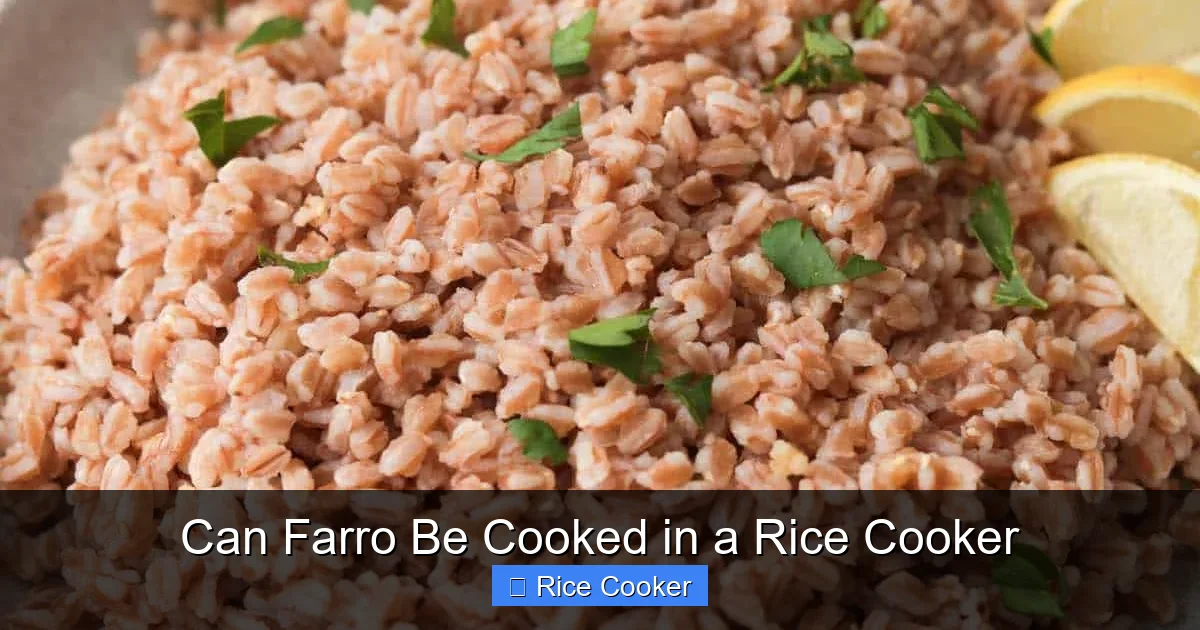
Farro isn’t just another grain—it’s one of the oldest cultivated crops in the world, dating back thousands of years in regions like Italy and parts of the Middle East. Made from three main varieties—einkorn, emmer, and spelt—farro offers a rich, earthy taste and a satisfyingly chewy bite. Unlike refined grains, farro retains its bran and germ, packing extra fiber, protein, and nutrients.
Visual guide about Can Farro Be Cooked in a Rice Cooker
Image source: apeachyplate.com
Because of its dense structure, farro traditionally requires long soaking and slow cooking to soften properly. That’s where the rice cooker comes in. Its automated heating cycle and controlled environment take the guesswork out of the process. Instead of babysitting a simmering pot, you simply measure, add liquid, press a button, and let science do the work.
The Science Behind Cooking Grains in a Rice Cooker
Rice cookers are designed to mimic the ideal cooking conditions for starchy grains. They heat water evenly, maintain a steady temperature, and automatically switch to “warm” mode once the grain is fully hydrated. This precision is especially useful for grains like farro, which benefit from consistent heat distribution.
When farro absorbs water and heat, its starches gelatinize, turning the grain soft and digestible. The rice cooker’s sealed environment prevents evaporation and ensures every kernel gets equal attention. Plus, no stirring means fewer chances for scorching or uneven cooking.
How to Cook Farro in a Rice Cooker: Step-by-Step Instructions
Cooking farro in a rice cooker is surprisingly straightforward. Follow these steps for foolproof results every time.
Visual guide about Can Farro Be Cooked in a Rice Cooker
Image source: simplymadeeats.com
Gather Your Ingredients and Tools
- 1 cup raw farro (pearl, semi-pearled, or whole)
- 2 cups water (or broth for added flavor)
- Pinch of salt
- Fine-mesh strainer
- Measuring cups
- Your rice cooker
Make sure your farro is clean and free of debris. Rinsing it under cold water removes any dust or impurities that might affect taste.
Optional: Soak the Farro
For faster cooking and softer texture, soak your farro overnight in cold water (or for at least 4 hours). Drain and rinse before proceeding. Soaking breaks down some of the grain’s tough outer layers, reducing cook time by up to 30 minutes.
Add Ingredients to the Rice Cooker
Place the rinsed farro into the inner pot of your rice cooker. Pour in the water or broth, add a pinch of salt, and give it a quick stir. Don’t worry about mixing too thoroughly—just ensure everything is combined.
Select the Right Setting
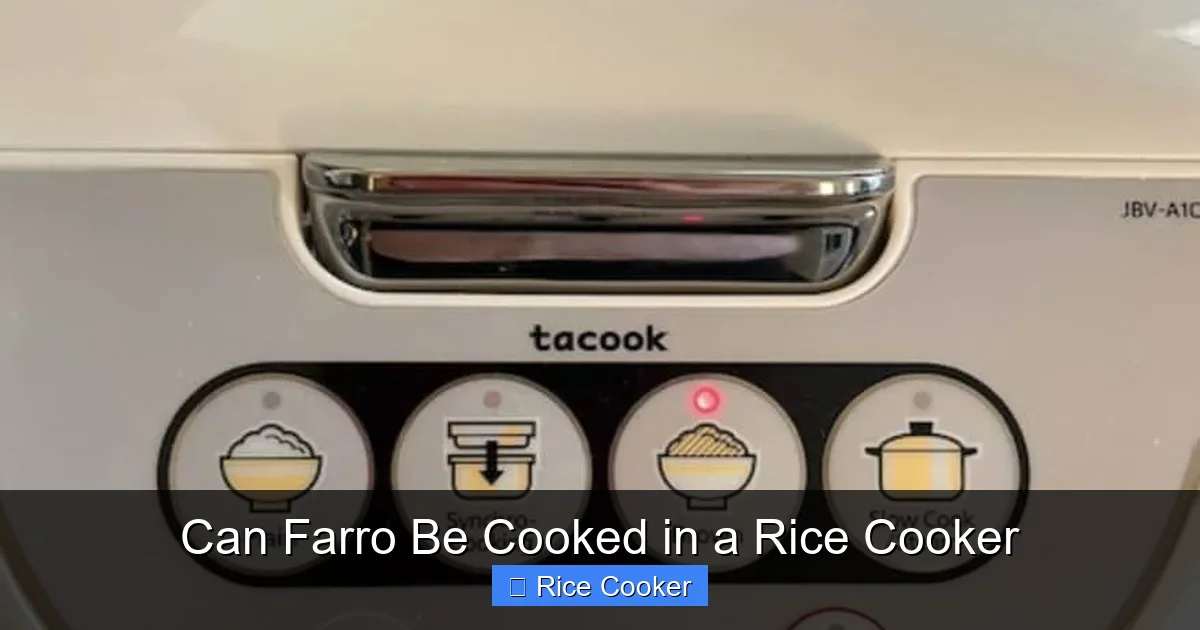
Most rice cookers have a “White Rice” or “Grain” setting. Use that. Some advanced models offer “Brown Rice” or “Multigrain” modes—these work well too. Avoid “Quick Cook” or “Risotto” settings unless your machine specifically supports them for farro.
Cook and Wait Patiently
Close the lid and start the cycle. Total cooking time typically ranges from 35 to 50 minutes. Do not open the lid during cooking—this releases steam and can disrupt the process. Once done, the cooker will switch to “Warm.”
Rest and Fluff
Let the farro sit, covered, for 10 minutes after cooking. Then gently fluff it with a fork. This allows excess moisture to distribute evenly and prevents clumping.
Water Ratios and Cooking Times: Finding Your Perfect Recipe
The key to great farro lies in the water-to-grain ratio and cooking duration. While 2:1 is standard, your ideal mix may vary slightly depending on the type of farro and personal preference.
Water Ratios by Farro Type
- Pearl farro: 2:1 water (most forgiving, cooks fastest)
- Semi-pearled farro: 2.5:1 water (slightly more liquid due to partial hull removal)
- Whole farro (emmer/spelt): 3:1 water (longest soak and cook time)
Always check your specific farro packaging for recommendations—brands differ slightly in processing.
Cooking Time Variations
| Farro Type | Soaked? | Cook Time | Texture |
|---|---|---|---|
| Pearl | No | 35–40 min | Soft, slightly chewy |
| Semi-pearled | Yes | 40–45 min | Creamy, tender |
| Whole (emmer) | Yes (overnight) | 50–60 min | Chewy, nutty |
Note: These times assume a standard rice cooker at sea level. Altitude and model differences may require minor adjustments.
Troubleshooting Common Farro Issues
Even with perfect technique, things don’t always go as planned. Here’s how to fix common problems.
Farro Stays Too Hard After Cooking
This usually means insufficient water or a short cook time. Try increasing the water ratio by ½ cup and extending cooking by 5–10 minutes. Whole farro especially needs patience—don’t expect it to be soft in under 50 minutes.
Farro Turns Gluey or Sticky
Too much water or overcooking causes this. Drain excess liquid after cooking and fluff thoroughly. For future batches, reduce water slightly and avoid letting the cooker stay on “Warm” for too long.
Uneven Texture (Some Kernels Are Soft, Others Hard)
This suggests poor rinsing or clumping during cooking. Always rinse farro well before adding it to the cooker. If kernels stick together, break them apart gently before adding water.
Rice Cooker Doesn’t Switch to Warm Mode
Check if your farro reached full hydration. If it’s still crunchy, it may need more time. Some older models don’t detect non-rice grains accurately—try adding 1 tablespoon of white rice to help trigger the sensor.
Tips for Perfect Farro Every Time
Want consistently excellent farro? Follow these pro tips.
- Use filtered water: Improves flavor and prevents mineral buildup in your cooker.
- Add herbs or aromatics: Toss in bay leaves, garlic cloves, or onion skins while cooking for infused flavor.
- Avoid overfilling: Never exceed ⅔ full capacity—grains expand as they cook.
- Clean your rice cooker regularly: Farro residue can stick to the pot and affect future batches.
- Store leftovers properly: Keep cooked farro in an airtight container in the fridge for up to 5 days or freeze in portions.
Creative Ways to Use Cooked Farro
Once you’ve mastered cooking farro, the real fun begins. This versatile grain shines in both savory and sweet dishes.
Hearty Salads
Combine cooled farro with cherry tomatoes, cucumber, feta, olives, and lemon-tahini dressing. Top with grilled chicken or roasted veggies for a complete meal.
Soups and Stews
Add cooked farro to minestrone, lentil soup, or creamy mushroom broth. It thickens the soup slightly and adds fiber-rich substance.
Breakfast Bowls
Sauté apples and cinnamon with maple syrup, then layer over farro for a warm, comforting breakfast. Top with nuts, seeds, and Greek yogurt.
Molded Dishes
Puree farro with olive oil, lemon juice, and herbs to make a dip or spread. Serve with pita chips or crudités.
Dessert Farro Porridge
Cook farro with milk, honey, and vanilla for a gluten-free alternative to oatmeal. Stir in berries and nuts for extra flavor.
Comparing Rice Cooker vs. Stovetop: Which Is Better?
Many wonder whether the rice cooker truly beats traditional stovetop methods. Let’s compare.
Time Efficiency
Rice cooker wins hands-down. Set it and forget it—no constant stirring or watching the clock. Stovetop requires active attention for 45+ minutes.
Consistency
Rice cookers provide uniform results every time. Stovetop cooking depends heavily on heat control and experience.
Energy Use
Rice cookers consume less energy overall, especially when cooking small batches. However, large stovetop pots may heat more efficiently for big feeds.
Texture Control
Stovetop allows you to adjust heat mid-cook to prevent sticking. Rice cookers offer less flexibility but deliver predictability.
In short, if you value convenience and repeatability, the rice cooker is your best friend. If you enjoy hands-on cooking and want fine-tuned control, stovetop still has its place.
Frequently Asked Questions About Cooking Farro
Can I cook farro directly without soaking?
Yes, farro can be cooked without soaking, especially pearl farro. However, soaking significantly reduces cook time and improves texture, particularly for whole or semi-pearled varieties.
Do I need to rinse farro before cooking?
Yes, always rinse farro under cold water using a fine-mesh strainer. This removes dirt, dust, and any loose hulls that could affect taste or texture.
Can I substitute farro with brown rice in my rice cooker?
Absolutely! Brown rice and farro have similar cooking requirements. Just note that brown rice generally needs a longer cook time and more water than farro.
How do I reheat cooked farro?
Reheat gently in a saucepan with a splash of water or broth over low heat. Alternatively, microwave in short bursts with a damp paper towel to retain moisture.
Is farro safe for gluten-sensitive individuals?
Only einkorn and spelt farro contain gluten. Emmer farro also contains gluten, so those with celiac disease or severe sensitivity should avoid all forms of farro unless certified gluten-free.
Can I cook farro in a multi-cooker (like Instant Pot)?
Yes! Use the “Manual” or “Pressure Cook” setting with a 2:1 water ratio and 8–10 minutes pressure cook time. Natural release for 5 minutes, then quick release.
Frequently Asked Questions
Can I cook farro in a rice cooker without soaking it?
Yes, you can cook farro in a rice cooker without soaking, especially pearl farro. However, soaking reduces cook time and improves texture, making it worth considering for better results.
How do I clean my rice cooker after cooking farro?
After cooking farro, let the inner pot cool slightly, then wash it with warm, soapy water. Avoid abrasive scrubbers that could damage non-stick coatings.
Can I cook farro with vegetables in the rice cooker?
It’s not recommended to add raw vegetables during farro cooking, as they may not cook evenly. Instead, sauté veggies separately and combine with cooked farro afterward.
Is farro healthier than white rice?
Yes, farro is richer in fiber, protein, and micronutrients compared to white rice, making it a more nutritious choice for most people.
Can I freeze cooked farro?
Yes, cooked farro freezes well. Portion it into freezer-safe containers and store for up to 3 months. Thaw overnight in the fridge before reheating.
Does farro absorb more water than rice?
Yes, farro generally absorbs more liquid than rice, especially whole farro. This is why a 2:1 ratio works for rice but may need adjustment for farro.