
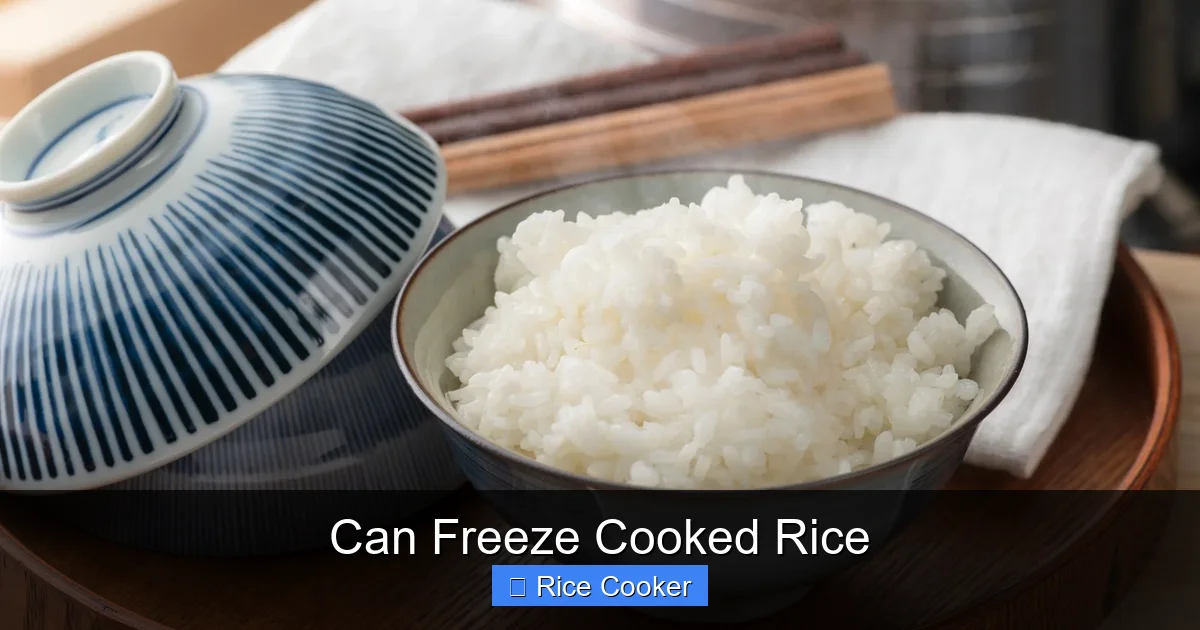
Can freeze cooked rice? Absolutely! Freezing cooked rice is a smart way to save time and reduce waste. With proper storage and handling, your rice will stay fresh, flavorful, and ready to eat in minutes when needed.
Key Takeaways
- Freezing cooked rice is safe and effective: When stored correctly, frozen rice maintains its texture and taste for up to 6 months.
- Portion size matters: Divide rice into smaller containers or freezer bags to speed up thawing and prevent waste.
- Cool before freezing: Always let hot rice cool to room temperature to avoid ice crystals and condensation buildup.
- Use airtight containers: Prevent freezer burn with leak-proof, food-grade containers or heavy-duty freezer bags.
- Label and date everything: Keep track of when rice was frozen so you use it within recommended time frames.
- Reheating is simple: Steam or microwave frozen rice with a splash of water to restore moisture and fluffiness.
- Meal prep friendly: Freezing cooked rice makes it easy to prepare quick meals like fried rice, grain bowls, or casseroles.
Quick Answers to Common Questions
Can you freeze cooked rice?
Yes, you absolutely can freeze cooked rice safely. When stored in airtight containers or freezer bags, rice can last up to 6 months without losing significant quality. Just be sure to cool it completely before freezing.
How long does frozen rice last?
Properly stored cooked rice can last up to 6 months in the freezer. For best taste and texture, use it within 3–4 months. Brown rice lasts slightly less time—around 3–4 months—due to its natural oils.
Should I refrigerate rice before freezing?
Refrigerating before freezing is optional but not required. Some people do it to improve texture, but it’s risky because rice can harbor bacteria like Bacillus cereus if left too long at room temperature. If you refrigerate, do so for no more than 24 hours.
How do I reheat frozen cooked rice?
The easiest way is in the microwave: add a splash of water, cover, and heat in 30-second bursts until hot. For better results, reheat on the stovetop with a bit of liquid and frequent stirring to restore moisture and fluffiness.
Will frozen rice taste the same after thawing?
Most people find frozen rice tastes very close to freshly cooked rice, especially if used within a few months. Texture may be slightly firmer, so adding a little water or steam during reheating helps bring back that classic fluffy feel.
📑 Table of Contents
- Can You Freeze Cooked Rice? The Simple Answer Is Yes!
- Why Freeze Cooked Rice?
- How Long Can You Freeze Cooked Rice?
- Step-by-Step Guide: How to Freeze Cooked Rice
- Best Practices for Storing Cooked Rice
- How to Reheat Frozen Cooked Rice
- Creative Ways to Use Frozen Cooked Rice
- Common Mistakes to Avoid
- Health and Safety Tips
- Final Thoughts: Freezing Cooked Rice Is Smart Eating
Can You Freeze Cooked Rice? The Simple Answer Is Yes!
Have you ever found yourself with leftover rice after cooking too much for dinner? Or maybe you’re planning a big meal prep session and want to save time later? If so, you’re probably wondering: can freeze cooked rice? The short answer is yes—absolutely! Freezing cooked rice is not only possible but also one of the most practical ways to reduce food waste, save money, and keep your kitchen running smoothly.
Rice is a staple food in many households around the world, from jasmine-scented basmati to hearty brown rice and even wild rice varieties. It’s versatile, affordable, and pairs well with countless dishes. But what do you do when you’ve cooked more than you need? Throwing it away feels wasteful, especially when it’s still perfectly good. That’s where freezing comes in.
In this complete guide, we’ll walk you through everything you need to know about freezing cooked rice—from the science behind it to step-by-step instructions, tips for best results, and creative ways to use your frozen rice later. Whether you’re a busy parent, a meal prep enthusiast, or just someone who wants to be smarter about leftovers, this article will help you master the art of frozen rice like a pro.
Why Freeze Cooked Rice?
The Science Behind Freezing Rice
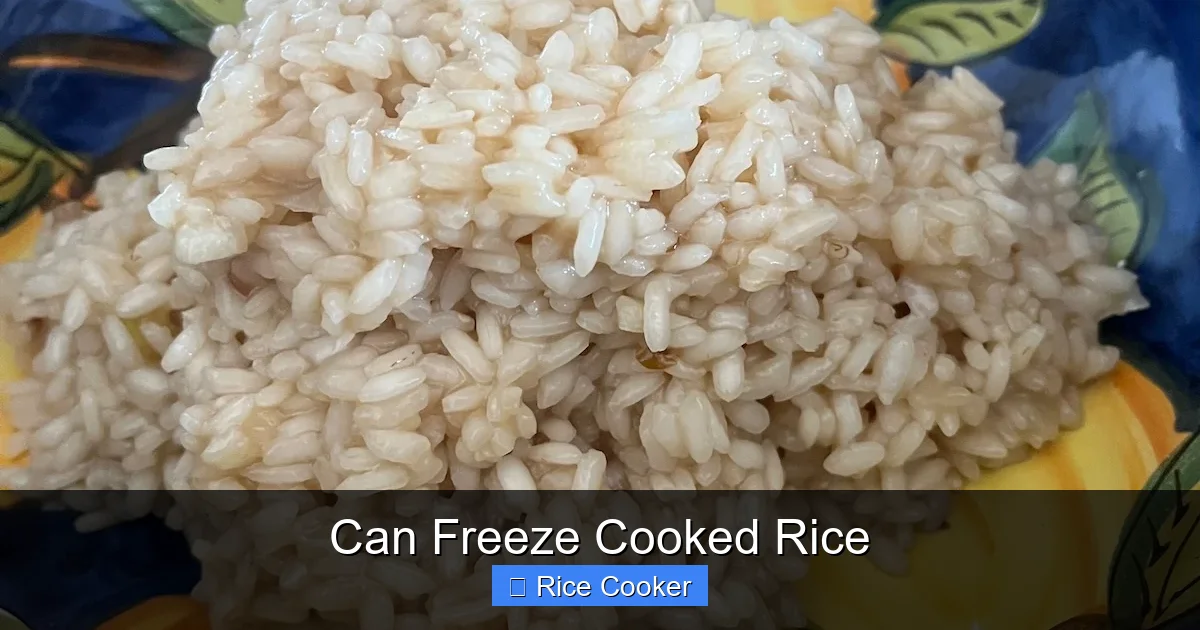
Before diving into the how-to, let’s talk about why freezing works so well for cooked rice. When rice is cooked, its starches gelatinize, giving it that soft, slightly sticky texture we all love. These starches continue to break down over time, which is why rice left at room temperature can become gummy or develop bacteria if not used quickly.
Visual guide about Can Freeze Cooked Rice
Image source: bagelsandlasagna.com
Freezing slows down this process dramatically. By lowering the temperature, microbial growth stops, and enzymatic activity—which causes spoilage—is nearly halted. This means your rice stays fresh and safe to eat for much longer than it would on the counter or in the fridge.
Benefits of Freezing Cooked Rice
- Saves Money: Avoid buying extra rice when you already have a surplus.
- Reduces Waste: Use up leftovers instead of tossing them out.
- Convenient Meal Prep: Have pre-cooked rice ready for quick breakfasts, lunches, or dinners.
- Consistent Quality: Frozen rice retains its texture better than rice stored in the refrigerator for long periods.
- Time-Saving: Skip the cooking step during busy days—just thaw and reheat.
For families or individuals who cook rice regularly, freezing is a game-changer. It turns a potential hassle into an advantage.
How Long Can You Freeze Cooked Rice?
Shelf Life of Frozen Rice
So, how long does frozen rice last? When properly stored, cooked rice can remain safe to eat for up to 6 months in the freezer. Most people notice a slight decline in quality after 3–4 months, but it won’t be unsafe to consume.
Visual guide about Can Freeze Cooked Rice
Image source: allrecipes.com
Here’s a general guideline based on rice type:
- White rice: Up to 6 months
- Brown rice: Up to 4 months (due to higher oil content)
- Wild rice or specialty grains: Up to 3–4 months
Remember: these are maximum times. For the best taste and texture, aim to use your frozen rice within the first 3 months.
Signs Your Frozen Rice Has Gone Bad
Even though frozen rice lasts a long time, it’s important to check for signs of spoilage before eating:
- Unpleasant odor: A sour or off smell indicates bacterial growth.
- Discoloration: Dark spots or grayish color may mean freezer burn.
- Hard texture: Over-frozen rice can become rock-hard and dry.
- Ice crystals: Large ice crystals suggest improper storage or repeated thawing/refreezing.
If you see any of these signs, it’s safer to discard the rice. Better safe than sorry!
Step-by-Step Guide: How to Freeze Cooked Rice
Step 1: Let Rice Cool Completely
This is crucial. Never put hot rice directly into the freezer. Doing so creates condensation inside the container, leading to ice crystals and a soggy mess when you thaw it later.
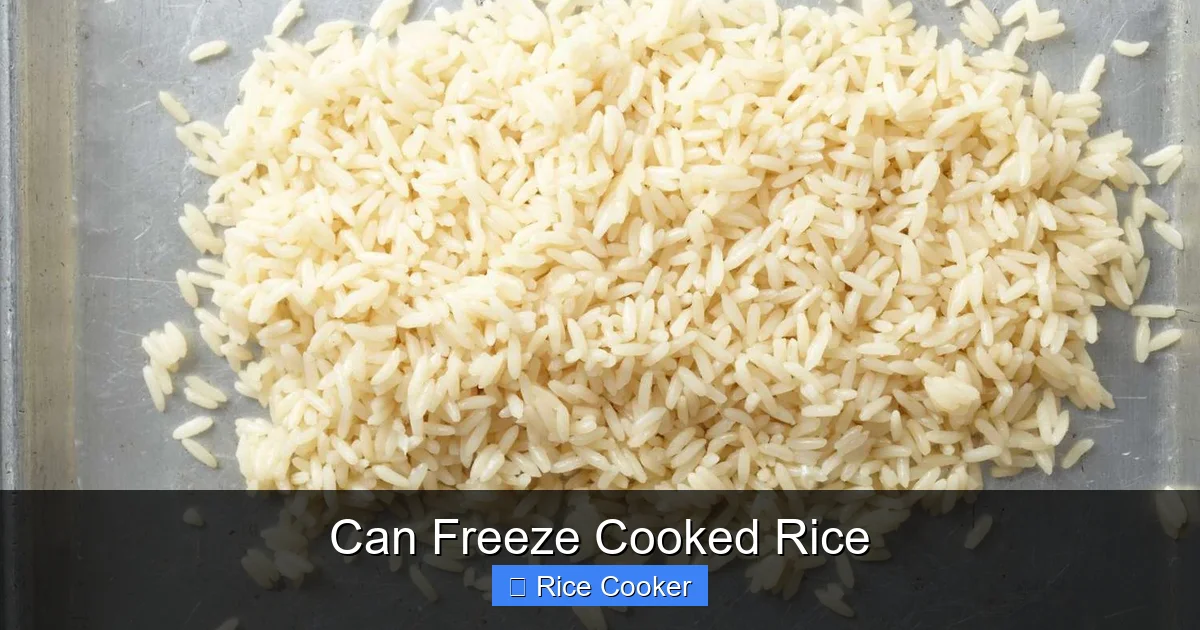
After cooking, spread the rice on a baking sheet or shallow tray and let it cool at room temperature for about 30–60 minutes. Stir occasionally to speed up cooling.
Step 2: Portion Into Servings
Divide the cooled rice into portions that match your typical serving sizes. This prevents you from thawing more than you need.
Common portion sizes include:
- 1 cup (for stir-fries or bowls)
- ½ cup (for snacks or side dishes)
- ¼ cup (for baby food or small portions)
Using muffin tins or ice cube trays is a clever trick for uniform portions—especially great for kids or single servings.
Step 3: Choose the Right Container
Not all containers are created equal. Here’s what to look for:
- Airtight containers: Glass or BPA-free plastic with tight-fitting lids.
- Freezer-safe bags: Heavy-duty zip-top bags designed for freezing.
- Silicone pouches: Reusable and collapsible—great for space-saving.
Avoid using regular plastic wrap or wax paper—they don’t hold up well in the freezer and can tear.
Step 4: Pack and Seal Properly
When packing, leave a little headspace (about ½ inch) to allow for expansion as the rice freezes. This prevents cracking or leaking.
For freezer bags, squeeze out excess air before sealing. Lay flat to save space and make stacking easier.
Step 5: Label and Date
Write the contents and date on each container or bag. Use a permanent marker or waterproof label. This helps you rotate stock and avoid confusion later.
Step 6: Freeze Flat
Place containers or bags flat in the freezer. This helps them freeze faster and stack neatly without crushing.
Once frozen solid (usually after 2–4 hours), you can stack them vertically to save space.
Best Practices for Storing Cooked Rice
Refrigerate First (Optional)
Some home cooks choose to refrigerate cooked rice for 24 hours before freezing. While not necessary, this method can help preserve flavor and texture slightly better by allowing the rice to firm up.
However, refrigeration increases the risk of bacterial growth (like Bacillus cereus, which causes food poisoning). To be safe, refrigerate rice only for up to 24 hours and ensure it’s covered tightly.
Avoid Double Thawing
Thaw rice only once. Each time you refreeze previously thawed rice, you risk nutrient loss and texture degradation. Plan ahead so you only defrost what you’ll use.
Use Within Recommended Timeframes
Stick to the 6-month rule for white rice and 3–4 months for brown or wild rice. Even if it looks fine, older frozen rice may have lost some nutritional value and mouthfeel.
How to Reheat Frozen Cooked Rice
Microwave Method (Fast & Easy)
The quickest way to enjoy frozen rice is in the microwave:
- Remove desired portion from freezer.
- Place in a microwave-safe bowl.
- Add 1–2 teaspoons of water per cup of rice.
- Cover with a damp paper towel or vented lid to trap steam.
- Heat on high for 1 minute, stir, then heat in 30-second intervals until hot.
This restores moisture and prevents dryness.
Stovetop Method (Best Flavor)
For restaurant-quality results, reheat on the stove:
- Transfer frozen rice to a saucepan.
- Add a tablespoon of water or broth per cup.
- Cook over low heat, stirring frequently, until heated through (about 5–7 minutes).
- Fluff with a fork and add seasoning if needed.
This method gives you better control over texture and flavor.
Steamer Method (Gentle & Moist)
Want fluffy, steamed rice without stirring?
- Place frozen rice in a steamer basket over simmering water.
- Cover and steam for 8–10 minutes.
- Check occasionally to avoid overcooking.
Great for delicate dishes like rice salads or risotto-style preparations.
Creative Ways to Use Frozen Cooked Rice
Fried Rice Perfection
Frozen rice is ideal for fried rice because it’s already cooked and often has a slightly drier texture, which prevents mushiness.
Tips for best results:
- Thaw rice completely before frying.
- Use high heat and a wok or large skillet.
- Add beaten egg early, then rice, vegetables, and sauce.
- Stir constantly to create that signature smoky flavor.
Rice Bowls & Grain Salads
Use thawed rice as a base for customizable bowls:
- Top with roasted veggies, grilled chicken, and tahini dressing.
- Mix with black beans, corn, avocado, and lime.
- Layer in mason jars for grab-and-go lunches.
Breakfast Favorites
Who says rice is only for dinner? Try:
- Steamed rice pudding with cinnamon and raisins.
- Rice pancakes or rice flour waffles.
- Scrambled eggs folded into warm rice for a protein-packed breakfast.
Casseroles & Bakes
Frozen rice works beautifully in dishes like:
- Chicken pot pie
- Rice kugel (Jewish noodle/kind cousin)
- Vegetable lasagna (replace pasta with rice layers)
Common Mistakes to Avoid
Freezing Hot Rice
As mentioned earlier, never freeze rice while it’s still steaming hot. The sudden temperature change causes condensation, leading to sogginess and bacterial growth in the freezer.
Overpacking Containers
Packing rice too tightly reduces airflow and increases the chance of ice crystals forming. Always leave space for expansion.
Ignoring Labels
Without dates, you might forget what you froze—and when. Labeling is non-negotiable for safe and organized storage.
Thawing in Warm Water
While you *can* thaw rice in warm water, it’s risky due to uneven heating. Stick to microwave or stovetop methods for safety and consistency.
Using Damaged Containers
Torn bags or cracked jars lead to leaks and contamination. Inspect containers before storing and replace worn-out ones.
Health and Safety Tips
Watch Out for Bacillus Cereus
This bacterium produces toxins that cause food poisoning—especially in starchy foods like rice. Symptoms include nausea, vomiting, and diarrhea.
To minimize risk:
- Never leave cooked rice at room temperature for more than 2 hours.
- Cool rice quickly and store promptly in the fridge or freezer.
- Reheat thoroughly to at least 165°F (74°C).
Choose High-Quality Ingredients
Start with fresh, clean ingredients. Old or contaminated rice will spoil faster, even when frozen.
Rotate Your Stock
Follow the “first in, first out” rule. Use older rice before newer batches to maintain freshness and reduce waste.
Final Thoughts: Freezing Cooked Rice Is Smart Eating
So, can you freeze cooked rice? Without a doubt—yes! It’s a simple, effective way to stretch your food budget, cut down on waste, and simplify meal prep. With the right techniques, your frozen rice will stay delicious, nutritious, and ready whenever you need it.
Whether you’re making a big batch of jasmine rice for stir-fry night or saving yesterday’s dinner for tomorrow’s lunch, freezing is your secret weapon. Just remember to cool it down, pack it tight, label it clearly, and reheat with care.
Next time you cook rice, think twice before tossing leftovers. Freeze them instead—your future self will thank you.
Frequently Asked Questions
Is it safe to freeze cooked rice?
Yes, freezing cooked rice is safe and recommended by food safety experts. As long as the rice is cooled properly and stored in airtight containers, it remains safe to eat for several months. Always reheat to at least 165°F (74°C) to kill any potential bacteria.
Can I freeze rice immediately after cooking?
No, you should not freeze rice right after cooking. Let it cool to room temperature first—this usually takes 30–60 minutes. Freezing hot rice leads to condensation, ice crystals, and a soggy result when thawed.
What’s the best container for freezing rice?
Use airtight, freezer-safe containers or heavy-duty zip-top freezer bags. Glass or BPA-free plastic containers with tight lids work best. Avoid regular plastic wrap or wax paper, as they don’t seal well and can tear in the freezer.
How do I prevent freezer burn on rice?
To prevent freezer burn, remove as much air as possible from storage bags or containers. Leave a little headspace for expansion, label everything with the date, and avoid opening and closing the freezer repeatedly near your rice.
Can I freeze rice with sauce or seasoning?
Yes, you can freeze seasoned rice like fried rice or pilaf. However, sauces high in dairy or mayonnaise should be avoided, as they may separate or spoil when frozen. Stick to water-based or oil-based sauces for best results.
How do I fix soggy frozen rice after thawing?
If your thawed rice is too wet, drain off excess water and spread it on a baking sheet. Bake at 200°F (95°C) for 10–15 minutes to evaporate moisture, or reheat with a splash of water on the stovetop while fluffing constantly.