
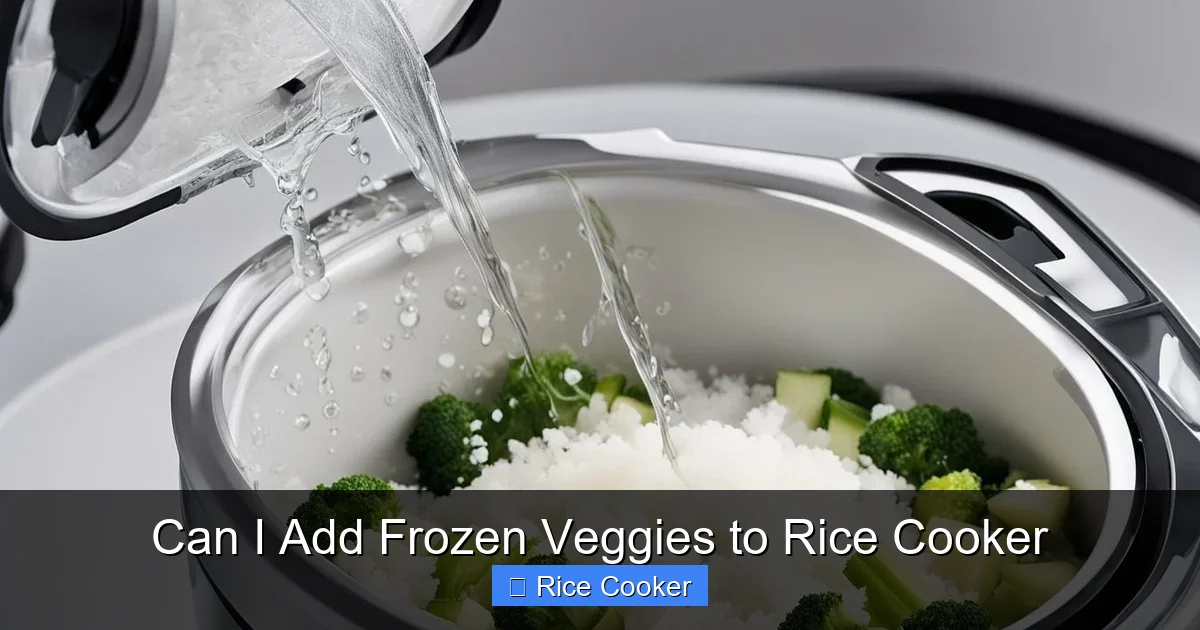
Can you add frozen vegetables to a rice cooker? Absolutely — and it’s one of the easiest ways to make a complete, healthy meal. Just rinse them first, add them with your rice and water, and let the magic happen. You’ll get tender, flavorful veggies and fluffy rice in under 30 minutes with no extra steps.
Key Takeaways
- Yes, you can safely add frozen vegetables to a rice cooker — they cook beautifully alongside your rice without needing pre-boiling or thawing.
- Rinsing frozen veggies removes excess ice and helps prevent soggy rice, ensuring better texture and taste.
- Adding veggies with the rice means everything cooks at the same rate, so timing is key — don’t add them too early or late.
- Use a 1:1 ratio of water to rice as a starting point, adjusting slightly if using high-moisture vegetables like corn or peas.
- Seasoning matters — toss in salt, garlic, or herbs before cooking for maximum flavor.
- Not all rice cookers are created equal — check your manual for steam release settings or delay-start options that help manage moisture.
- This method saves time and reduces cleanup by combining prep and cooking into one pot.
📑 Table of Contents
- Can I Add Frozen Veggies to Rice Cooker? The Short Answer (and Why It Works)
- Why Adding Frozen Vegetables to Your Rice Cooker Makes Sense
- Step-by-Step Guide: How to Add Frozen Veggies to a Rice Cooker
- Best Types of Frozen Vegetables to Use
- Common Mistakes to Avoid
- Tips for Perfect Rice and Veggies Every Time
- Can You Add Fresh or Frozen Veggies Together?
- Troubleshooting: What If My Rice Is Too Wet or Mushy?
- Creative Recipe Ideas Using Frozen Veggies in a Rice Cooker
- Final Thoughts: Why This Method Is a Game-Changer
Can I Add Frozen Veggies to Rice Cooker? The Short Answer (and Why It Works)
So you’re standing in front of your rice cooker, staring at a bag of frozen mixed vegetables, wondering if you can just toss them in with the rice. The answer? Yes — absolutely, you can add frozen veggies to your rice cooker. In fact, it’s not only possible, but it’s also one of the most convenient ways to turn plain rice into a complete, nutrient-packed meal.
Here’s why this works so well: rice cookers are designed to handle a range of ingredients, and frozen vegetables respond surprisingly well to the gentle, steady heat. When you add them directly to the cooker with uncooked rice and water, they begin to defrost and cook simultaneously. The result? Tender rice with lightly steamed, flavorful vegetables that retain their color and nutrients. No need to boil veggies separately or thaw them in advance — just rinse, add, and press start.
But before you grab that frozen bag and dump it in, there are a few best practices to follow. Let’s dive into exactly how to do it right, what types of vegetables work best, and how to avoid common pitfalls like mushy rice or uneven cooking.
Why Adding Frozen Vegetables to Your Rice Cooker Makes Sense
The Science Behind Cooking Frozen Veggies in a Rice Cooker
When you place frozen vegetables into a hot rice cooker, the outer layers begin to thaw almost immediately. As the internal temperature rises, the vegetables start to cook through conduction — the same way they’d cook on a stovetop. But unlike boiling, which can break down delicate veggies like spinach or green beans, a rice cooker uses a slow, even heat that helps preserve texture.
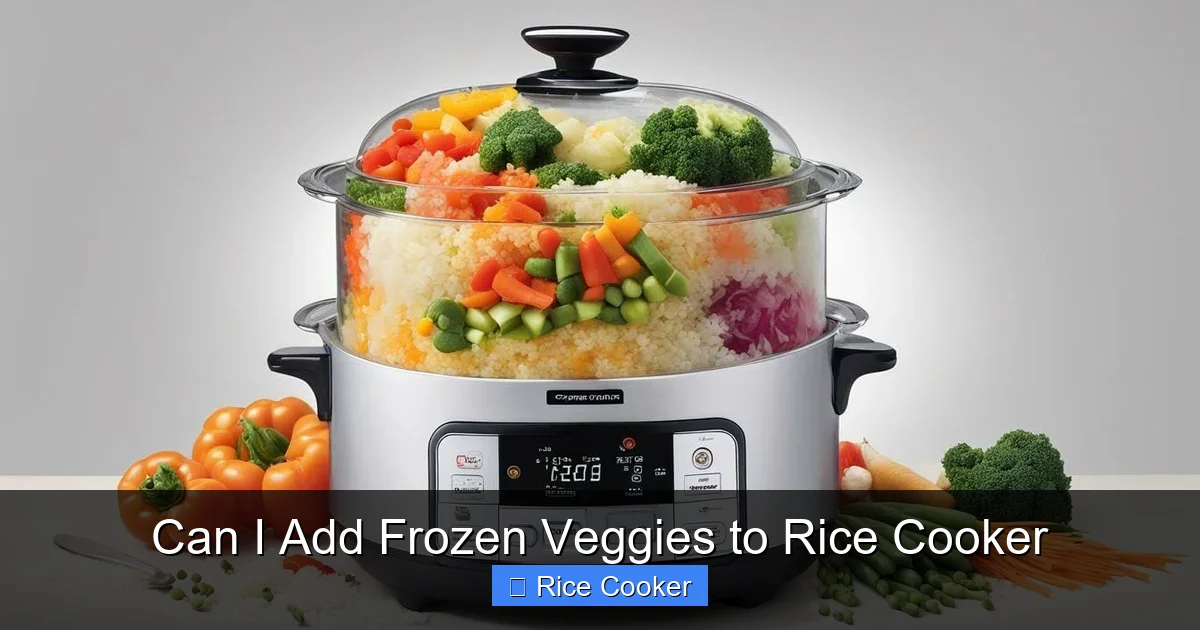
Visual guide about Can I Add Frozen Veggies to Rice Cooker
Image source: ricearray.org
Most modern rice cookers also have a “keep warm” function that gently maintains temperature without overcooking. This means once the rice is done, the vegetables finish cooking without turning into a sad, sloppy mess. The steam trapped inside the pot helps distribute heat evenly, making sure everything cooks uniformly.
Time and Convenience Benefits
One of the biggest perks of adding frozen veggies to your rice cooker is convenience. If you’re short on time, you don’t need to chop fresh produce or wait for it to thaw. Just measure out your rice, rinse your frozen mix, and toss everything in. In under 30 minutes, you’ve got a full meal ready to go.
This method also reduces cleanup. Instead of using multiple pots and pans, you’re cooking everything in one container. And because the rice cooker does most of the work, you can focus on other tasks while dinner simmers away.
Nutritional Retention
Cooking frozen vegetables in a rice cooker actually helps preserve more nutrients than boiling them in water. When veggies are submerged in boiling water, water-soluble vitamins like vitamin C and B-complex can leach into the liquid. In contrast, steaming (which is essentially what happens in a rice cooker) locks in more of those valuable nutrients.
Frozen vegetables are flash-frozen soon after harvest, which means they retain their nutritional value much better than fresh produce that’s been sitting on shelves for days. So by cooking them quickly in a sealed environment, you’re getting the best of both worlds: convenience and nutrition.
Step-by-Step Guide: How to Add Frozen Veggies to a Rice Cooker
What You’ll Need
- Uncooked rice (white or brown)
- Frozen vegetables (any mix — peas, carrots, broccoli, etc.)
- Water (or vegetable broth for extra flavor)
- Salt and seasonings (optional)
- Rice cooker
- Measuring cup
- Colander or strainer
Step 1: Rinse the Frozen Vegetables
This might seem odd — why rinse frozen food? But trust us, it makes a difference. Rinsing removes excess ice crystals and any residual preservatives from the packaging. It also helps prevent your rice from becoming overly wet, which can lead to a gummy or mushy texture.
To rinse, simply place the frozen veggies in a colander and run cool water over them for about 30 seconds. Shake off the excess water, but don’t squeeze or drain them completely — a little moisture is fine.
Step 2: Measure Rice and Water
For every 1 cup of uncooked rice, use 1.5 to 2 cups of water, depending on the type of rice:
- White rice: 1.5 cups water per 1 cup rice
- Brown rice: 2 cups water per 1 cup rice
- Jasmine or basmati rice: 1.25 cups water per 1 cup rice
If you’re adding high-moisture vegetables like corn or peas, you may want to reduce water slightly to avoid soupy rice. Start with the standard amount and adjust next time based on results.
Step 3: Add Everything to the Rice Cooker
Place the rinsed frozen vegetables directly into the inner pot of your rice cooker. Then add the measured rice and water. Stir gently to combine, but don’t overmix — you want each grain of rice and piece of veggie to cook evenly.
Add a pinch of salt and any desired seasonings, like garlic powder, onion powder, or dried herbs. For extra flavor, consider adding a splash of soy sauce, lemon juice, or a pat of butter before closing the lid.
Step 4: Press Start and Wait
Close the lid and press the “Cook” button. Most rice cookers will take between 18 and 35 minutes, depending on the model and rice type. Avoid opening the lid during cooking — releasing steam can throw off the timing and affect texture.
Once the cycle finishes, let the rice cooker sit for 5–10 minutes with the lid closed. This allows the rice and vegetables to settle and finish steaming, resulting in fluffier rice and more evenly cooked veggies.
Step 5: Fluff and Serve
After the resting period, open the lid and gently fluff the rice with a fork. Mix in any additional seasonings or fresh herbs if desired. Serve warm and enjoy your homemade, one-pot meal!
Best Types of Frozen Vegetables to Use
High-Quality Blends Work Best
Not all frozen vegetable mixes are created equal. Look for brands that offer flash-freezing within hours of harvest. These retain more color, texture, and nutrients. Common varieties include:
- Mixed vegetables: Peas, carrots, green beans, corn — great for general meals
- Oriental blend: Broccoli, cauliflower, red cabbage, onions — perfect for stir-fry-style rice
- Italian blend: Zucchini, bell peppers, mushrooms, tomatoes — ideal for Mediterranean dishes
Leafy Greens and Delicate Veggies
Veggies like spinach, kale, or bok choy should be added after the rice has started cooking, or used fresh instead of frozen. Frozen leafy greens tend to break down quickly and can make the rice slimy. If you must use them, add them during the last 5 minutes of cooking and keep the lid closed.
Root Vegetables and Heavier Options
Carrots, potatoes, and sweet potatoes hold up well in a rice cooker. They take longer to cook, so if you’re using them, consider soaking them in cold water for 10 minutes before adding to help speed up thawing. Or, cut them into smaller pieces for faster cooking.
Common Mistakes to Avoid
Mistake #1: Not Rinsing the Veggies
Skipping this step leads to extra water in the cooker, which can make the rice soggy. Always rinse frozen vegetables unless the package specifically says “ready to cook” or “no rinse needed.”
Mistake #2: Using Too Much Water
Overwatering is the #1 cause of mushy rice. Stick to the recommended ratios and adjust only when using very juicy vegetables. If your rice comes out too soft, reduce water by 1/4 cup next time.
Mistake #3: Overcrowding the Pot
Too many vegetables can block airflow and prevent even cooking. If you’re using a large quantity, consider cooking in batches or choosing smaller, quicker-cooking veggies.
Mistake #4: Opening the Lid Frequently
Every time you lift the lid, steam escapes, which lowers the internal temperature and extends cooking time. Try to resist the urge to peek — just set a timer and wait.
Mistake #5: Adding Salt Too Late
Salting after cooking can draw moisture out of the rice and vegetables, leading to dryness. Add salt at the beginning so it distributes evenly during cooking.
Tips for Perfect Rice and Veggies Every Time
Use a Timer for Precision
If your rice cooker doesn’t have an automatic shut-off alert, use a kitchen timer. This helps you avoid overcooking and ensures you don’t forget the meal while doing dishes.
Experiment with Flavors
Try different combinations to keep meals exciting:
- Mediterranean: Add olives, sun-dried tomatoes, feta, and oregano
- Asian-inspired: Toss in soy sauce, ginger, sesame oil, and green onions
- Mexican-style: Include black beans, corn, diced tomatoes, and cumin
Let It Rest
Don’t skip the resting phase. Allowing the rice and vegetables to sit for 5–10 minutes helps the starch in the rice reabsorb moisture, leading to fluffier grains and better overall texture.
Clean the Inner Pot Promptly
Starchy residue can harden over time. Rinse the inner pot with warm, soapy water immediately after use, or place it in the dishwasher if it’s labeled as dishwasher-safe.
Consider Using a Steam Basket (Optional)
If your rice cooker has a removable steam basket, you can place the frozen vegetables in it above the rice. This prevents direct contact and can help maintain crispness. However, this method takes longer and isn’t necessary for most blends.
Can You Add Fresh or Frozen Veggies Together?
Yes! You can mix fresh and frozen vegetables in the same batch. Just keep in mind that fresh veggies may need a few extra minutes to cook, so add them toward the end if they’re large or dense. Small, tender vegetables like cherry tomatoes or baby spinach can go in at the beginning.
For example, if you’re making a Thai-inspired dish, you could add frozen broccoli and carrots at the start, then toss in fresh basil and bean sprouts during the last minute of cooking. The key is balance — don’t overload the pot with too many different textures.
Troubleshooting: What If My Rice Is Too Wet or Mushy?
If your rice turns out sticky or soupy, here are some fixes:
- Drain excess liquid: After cooking, carefully pour off any leftover water from the inner pot. Don’t stir — just tilt the pot and let it drain.
- Spread it out: Transfer the rice to a baking sheet and spread it thin. Pop it in the oven at 250°F (120°C) for 10–15 minutes to dry it out.
- Adjust next time: Reduce water by 1/4 cup and ensure you rinsed the vegetables properly.
On the flip side, if your vegetables are still icy or crunchy, try pre-thawing them in the fridge overnight or blanching them in boiling water for 1–2 minutes before adding to the rice cooker.
Creative Recipe Ideas Using Frozen Veggies in a Rice Cooker
1. One-Pot Chicken and Veggie Fried Rice
Combine 1 cup jasmine rice, 1 cup frozen mixed vegetables, 1 cup chicken broth, 1 chopped chicken breast (raw), and 1 beaten egg. Cook on the “white rice” setting. Once done, stir in soy sauce and green onions. Serve hot with a fried egg on top.
2. Vegan Lentil and Spinach Power Bowl
In a rice cooker, layer 1 cup brown rice, 1/2 cup cooked lentils, 1 cup frozen spinach, 1 diced sweet potato, and 1/2 cup diced bell peppers. Add 2 cups water and a pinch of turmeric. Cook until done, then top with avocado slices and tahini.
3. Creamy Mushroom and Rice Medley
Sauté 1 cup sliced mushrooms in a pan, then transfer to the rice cooker with 1 cup white rice and 1.5 cups vegetable broth. Add 1 minced garlic clove, 1 tbsp butter, and a pinch of thyme. Cook and serve with a sprinkle of parmesan.
4. Spicy Southwest Rice
Mix 1 cup long-grain rice, 1 cup frozen corn and black beans, 1 diced jalapeño, 1/2 cup diced tomato, and 1 tsp chili powder. Add 1.75 cups water and cook. Finish with a dollop of sour cream and chopped cilantro.
5. Garlic Herb Rice with Roasted Veggies
Before adding rice and water, toss frozen cauliflower and broccoli with olive oil, minced garlic, and rosemary. Spread them on a baking sheet and roast at 400°F (200°C) for 10 minutes. Then add them to the rice cooker with the rest of the ingredients.
Final Thoughts: Why This Method Is a Game-Changer
Adding frozen vegetables to your rice cooker isn’t just a shortcut — it’s a smart, sustainable way to eat better. It reduces food waste (because you’re using whatever’s in your freezer), saves time, and delivers consistent, delicious results every single time.
Whether you’re meal prepping for the week, feeding a busy family, or just looking to simplify dinner, this technique fits the bill. With a few simple adjustments — like rinsing the veggies and measuring water correctly — you’ll never look back.
So go ahead, grab that bag of frozen peas, toss it in with some rice, and press start. Your future self will thank you.
Frequently Asked Questions
Can I add frozen vegetables to a rice cooker without thawing them first?
Yes, you can absolutely add frozen vegetables to a rice cooker without thawing. In fact, skipping the thawing step saves time and still yields well-cooked vegetables. Just remember to rinse them first to remove excess ice and prevent soggy rice.
Do I need to change the water amount when adding frozen veggies?
You may need to adjust the water slightly depending on the type of vegetables used. High-moisture veggies like corn or peas can add extra liquid, so reduce water by 1/4 to 1/2 cup if needed. Start with the standard ratio and tweak based on results.
Will the frozen vegetables cook evenly with the rice?
Most frozen vegetable blends cook fairly evenly with rice in a rice cooker, especially if you use small, uniform pieces. However, denser vegetables like carrots or potatoes may take longer. For best results, rinse and cut larger pieces into smaller sizes before cooking.
Can I add frozen vegetables to brown rice in a rice cooker?
Absolutely. Brown rice requires more water and cooks longer than white rice, so increase water by about 1/4 cup and allow extra cooking time. Frozen vegetables will cook through during this extended process, resulting in a nutritious, complete meal.
Is it safe to cook frozen vegetables and rice together?
Yes, it’s completely safe to cook frozen vegetables and rice together in a rice cooker. The appliance is designed to handle raw ingredients, and the gentle, consistent heat ensures both foods cook safely and thoroughly without risk of bacterial growth.
What’s the best way to store leftover rice with vegetables?
Store leftovers in an airtight container in the refrigerator within two hours of cooking. Reheat thoroughly on the stove or in the microwave with a splash of water to restore moisture. Leftovers stay good for up to 4 days.