
Adding frozen vegetables to your rice while cooking is not only possible—it’s one of the easiest ways to make a complete meal. Whether you’re using a stovetop pot or an electric rice cooker, frozen veggies cook quickly and evenly, adding flavor, color, and nutrients without extra effort. This method works great with brown rice, white rice, quinoa, and more, making dinner faster and healthier.
Key Takeaways
- Frozen veggies cook quickly: They don’t need thawing and release water as they cook, which helps steam the rice.
- No pre-soaking required: Unlike some grains, rice cookers handle frozen ingredients just fine, especially if you adjust liquid levels slightly.
- Nutrition boost: Adding frozen vegetables increases fiber, vitamins, and antioxidants without changing the taste much.
- Best vegetables to use: Broccoli, peas, carrots, corn, and mixed veggies work well when added during the cooking cycle.
- Texture matters: For firmer veggies like broccoli, add them halfway through cooking to avoid mushiness.
- Safety first: Always ensure internal temperatures reach 165°F (74°C) to kill any potential bacteria.
- Flavor enhancement: A dash of garlic powder, onion powder, or soy sauce can elevate the dish instantly.
📑 Table of Contents
- Can I Add Frozen Veggies to Rice While Cooking?
- The Science Behind Cooking Rice With Frozen Vegetables
- Which Rice Is Best for Adding Frozen Veggies?
- Step-by-Step Guide: How to Cook Rice With Frozen Veggies
- Best Frozen Vegetables to Pair With Rice
- Troubleshooting Common Mistakes
- Creative Recipe Ideas Using Frozen Veggies and Rice
- Health Benefits of Adding Frozen Veggies to Rice
- Environmental and Practical Advantages
- Final Thoughts: Yes, You Should Try It!
Can I Add Frozen Veggies to Rice While Cooking?
Imagine this: It’s 6 p.m., and you’re starving but too tired to cook from scratch. You open the fridge, find a bag of frozen peas and a half-cooked pot of rice—and suddenly, inspiration strikes. Can you add frozen veggies to rice while cooking? Absolutely. In fact, it might be one of the simplest, most efficient ways to turn a basic grain into a satisfying, nutritious meal.
Whether you’re using a traditional stovetop pot, an electric rice cooker, or even an Instant Pot, combining frozen vegetables with rice during the cooking process is totally doable—and surprisingly effective. The key lies in understanding how moisture, heat, and timing interact. Frozen veggies contain ice crystals that melt during cooking, releasing steam and helping cook the rice evenly. But there are nuances. Do you add them at the start? Midway? And what kind of rice should you use?
In this article, we’ll walk you through everything you need to know about adding frozen vegetables to rice while cooking. From technique and timing to ingredient pairings and troubleshooting common mistakes, you’ll learn how to create delicious, healthy meals in under 30 minutes—no chef skills required.
The Science Behind Cooking Rice With Frozen Vegetables
Before diving into recipes, let’s talk science. Why does adding frozen veggies to rice actually work? The answer lies in thermodynamics and food chemistry.
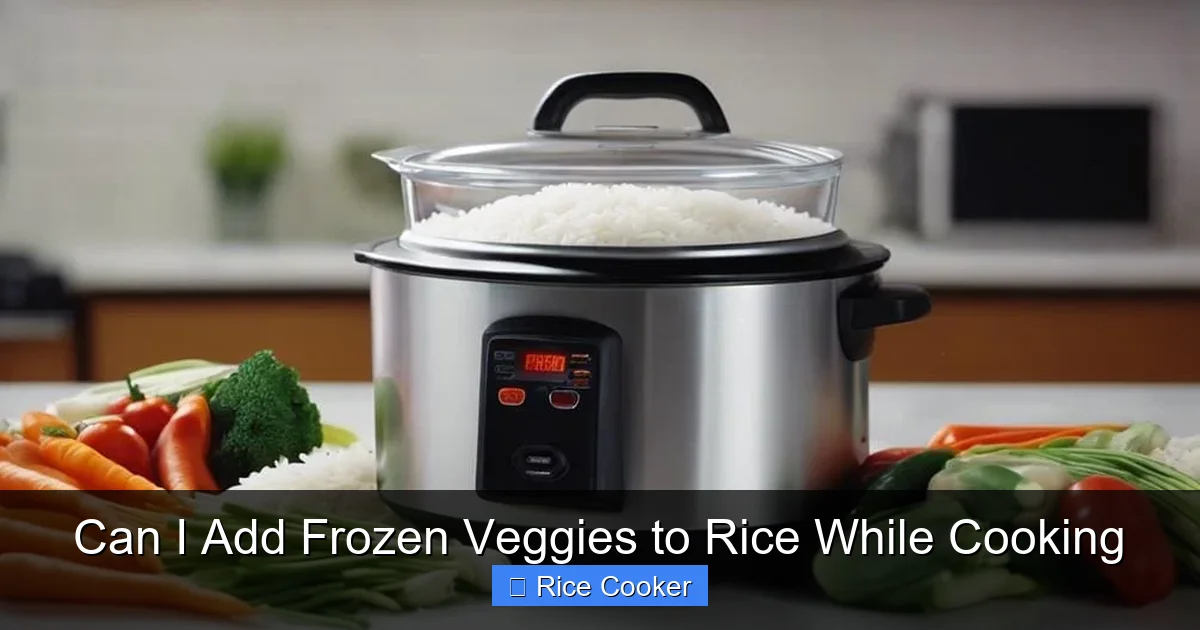
Visual guide about Can I Add Frozen Veggies to Rice While Cooking
Image source: ricearray.org
How Moisture Affects Rice Cooking
Rice cooks by absorbing water and then converting that water into steam inside its grains. White rice typically needs about twice its volume in water; brown rice needs a bit more due to its bran layer. When you add frozen vegetables, they begin melting immediately upon contact with hot surfaces, releasing additional moisture into the pot. This extra steam helps soften the rice grains and ensures even cooking—especially important if your stove runs hot or your rice cooker isn’t perfectly calibrated.
But here’s a word of caution: too much moisture can lead to mushy rice. That’s why it’s essential to monitor liquid levels and possibly reduce the amount of water you normally use when cooking rice alone.
Heat Transfer and Thawing
Frozen vegetables act as natural insulators at first—slowing down the heating process slightly. However, once they thaw (usually within the first 5–10 minutes of cooking), they distribute heat efficiently throughout the pot. Peas, corn, and green beans thaw quickly, while denser veggies like broccoli or cauliflower may take longer.
This means that if you add all your frozen veggies at once, softer ones might overcook before harder ones are done. To solve this, many home cooks stagger their additions—adding quick-thawing veggies early and slower ones later.
Which Rice Is Best for Adding Frozen Veggies?
Not all rice types respond the same way to added moisture and extended cook times. Here’s a breakdown of popular varieties and how they handle frozen vegetables:
White Rice
White rice is the most forgiving when it comes to adding frozen vegetables. Because it cooks relatively fast (15–20 minutes on the stove or 10–15 in a rice cooker), you can toss in frozen peas or carrots right at the beginning without fear of burning or sticking. Its neutral flavor also pairs beautifully with savory veggies like mushrooms or bell peppers.
Brown Rice
Brown rice takes longer to cook (around 40–45 minutes on the stove) and requires more water. Adding frozen vegetables at the start can sometimes result in gummy rice because the prolonged exposure to moisture softens the bran layer too much. However, if you reduce the water by ¼ cup and stir occasionally, you can still achieve fluffy results with frozen broccoli or spinach.
Instant Rice & Quick-Cook Grains
Varieties like instant brown rice, jasmine, or basmati cook quickly and absorb liquid rapidly. These are ideal for adding frozen vegetables at the beginning—just follow package instructions and cut back on water by 1–2 tablespoons per cup of rice.
Other Grain Options
Quinoa, barley, and farro also benefit from frozen vegetable additions. Quinoa, in particular, absorbs flavors well and becomes tender quickly, making it perfect for stir-ins like frozen edamame or diced zucchini.
Step-by-Step Guide: How to Cook Rice With Frozen Veggies
Ready to try it yourself? Follow this foolproof method for stovetop or rice cooker success.
Stovetop Method
- Measure your ingredients: Use 1 cup uncooked rice + 1½ cups water (or reduced water if using frozen veggies).
- Add rice and water to a pot: Bring to a boil over high heat.
- Add frozen vegetables: Stir in your chosen veggies (peas, carrots, etc.) and reduce heat to low.
- Cook covered: Simmer for the full time listed on the rice package, stirring once midway.
- Rest and fluff: Let sit 5 minutes before serving.
Rice Cooker Method
- Rinse rice (optional): Rinse white rice briefly to remove excess starch.
- Add rice and water: Pour rice and water into the inner pot.
- Place frozen veggies on top: Don’t stir—just lay them gently over the rice surface.
- Close lid and press “Cook”: Most rice cookers will automatically adjust timing based on input.
- Let it rest: Keep the lid closed for 5–10 minutes after cooking ends to finish steaming.
Pro Tips for Perfect Results
- Don’t overcrowd: Too many frozen veggies can lower the temperature too much and extend cooking time.
- Use a fork to test doneness: Push a fork into the rice—it should slide through easily with no resistance.
- Season after cooking: Salt, pepper, and herbs added late prevent over-seasoning and preserve veggie texture.
Best Frozen Vegetables to Pair With Rice
Not all frozen vegetables are created equal when it comes to cooking with rice. Some hold up better than others, depending on how long they need to cook.
Top Picks for Flavor and Texture
- Peas: Sweet, bright, and quick-thawing—ideal for adding at the start.
- Broccoli florets: Nutrient-dense and tender-crisp when cooked just right. Add halfway through for best results.
- Corn kernels: Adds sweetness and crunch. Works well with cumin and lime.
- Mixed stir-fry veggies: Often pre-blanched, these save time and offer variety.
- Spinach or kale (frozen): Wilted into the rice near the end for leafy greens perfection.
Avoid These (Or Use Sparingly)
- Onions or garlic (frozen): Can burn easily. Sauté separately or use powdered instead.
- Potatoes or sweet potatoes: Cook too slowly and may affect rice consistency.
- Mushrooms (frozen): Release lots of water; drain excess before adding.
Troubleshooting Common Mistakes
Even experienced cooks run into issues now and then. Here’s how to fix the most common problems when cooking rice with frozen vegetables.
Mushy Rice
Cause: Too much water or prolonged cooking.
Fix: Reduce water by ¼–½ cup. Also, avoid lifting the lid frequently—steam escapes and slows cooking.
Gummy or Sticky Texture
Cause: Overcooked rice or insufficient draining of veggie water.
Fix: Rinse uncooked rice before cooking. Drain excess liquid from frozen veggies before adding.
Veggies Undercooked or Unevenly Cooked
Cause: Adding all veggies at once without regard for cook time differences.
Fix: Layer ingredients strategically—add quick-cooking peas first, then broccoli mid-way.
Rice Sticking to the Bottom
Cause: Insufficient oil or fat in the pot.
Fix: Lightly grease the pot with butter, oil, or even a pat of margarine before adding rice.
Creative Recipe Ideas Using Frozen Veggies and Rice
Once you master the basics, the possibilities are endless. Here are five delicious, easy recipes to inspire your next meal.
1. Mexican-Style Yellow Rice with Black Beans and Corn
Combine 1 cup white rice, 1 cup frozen corn, ½ cup black beans (drained), and 1 tsp cumin. Cook with 1¾ cups water. Top with avocado, salsa, and lime juice.
2. Thai Coconut Curry Rice
Sauté 1 tbsp curry paste in oil. Add 1 cup jasmine rice and stir. Pour in 2 cups coconut milk and 1 cup frozen mixed vegetables. Simmer until rice is done. Garnish with cilantro.
3. Mediterranean Chickpea Bowl
Cook 1 cup brown rice with ½ cup frozen spinach and ½ cup chickpeas. Season with oregano, lemon zest, and olive oil.
4. Simple Peas and Carrot Rice
A classic comfort dish: 1 cup rice + 1 cup frozen peas + ½ cup chopped carrots. Season with salt, pepper, and a pinch of sugar.
5. One-Pot Veggie Fried Rice
Cook 1 cup short-grain rice with 1 cup frozen stir-fry mix, 1 egg (scrambled in separately), and soy sauce. Toss together at the end.
Health Benefits of Adding Frozen Veggies to Rice
Beyond convenience, combining rice with frozen vegetables creates a balanced meal rich in macronutrients and micronutrients.
- Complete protein: Rice provides lysine, while legumes or eggs add methionine—completing the amino acid profile.
- High fiber content: Supports digestion and keeps you full longer.
- Packed with vitamins: Frozen veggies retain most of their nutrients, including vitamin C, folate, and potassium.
- Antioxidants: Carotenoids in carrots and peas help reduce inflammation.
Plus, frozen produce is often flash-frozen at peak ripeness, locking in nutrients better than some fresh options that sit on shelves for days.
Environmental and Practical Advantages
Using frozen vegetables isn’t just smart in the kitchen—it’s eco-friendly too. Frozen foods reduce food waste because they have longer shelf lives and often come in smaller portions. They also require less energy to transport than fresh produce shipped from distant farms.
In busy households, frozen veggies mean no last-minute chopping, peeling, or washing. Just grab, pour, and go.
Final Thoughts: Yes, You Should Try It!
So, can you add frozen veggies to rice while cooking? The answer is a resounding yes—and it’s one of the easiest upgrades you can make to your weeknight routine. Whether you’re feeding a family, meal-prepping for the week, or just looking for a quick, healthy option, this method delivers flavor, nutrition, and simplicity in one pot.
Remember: adjust water levels, watch cooking times, and don’t be afraid to experiment with different combos. Your taste buds—and your body—will thank you.
Frequently Asked Questions
Can I add frozen vegetables directly to rice in a rice cooker?
Yes, you can safely add frozen vegetables directly to rice in a rice cooker. Just place them on top of the rice before starting the cooking cycle. The melted water from the veggies will help steam the rice, though you may want to reduce the water slightly to avoid mushiness.
Do frozen vegetables change the cooking time of rice?
They usually don’t increase cooking time significantly, but they can extend it slightly because the initial cold temperature lowers the pot’s heat. However, since frozen veggies release steam as they thaw, they can actually help speed up rice cooking in some cases.
Will adding frozen vegetables make the rice soggy?
It depends on how much water you use. If you keep the standard water ratio, yes—the extra moisture from thawing veggies can lead to soggy rice. Reduce water by ¼ to ½ cup when adding frozen vegetables to maintain the right texture.
What’s the best way to add frozen vegetables so they don’t get mushy?
Add quicker-thawing veggies like peas or corn at the very beginning. For firmer vegetables like broccoli or green beans, wait until the rice has been cooking for about half the total time—this ensures they stay crisp-tender.
Can I use frozen vegetables with brown rice?
Yes, but brown rice takes longer to cook and absorbs more water. If you add frozen vegetables at the start, consider reducing water by ¼ cup and checking doneness toward the end to prevent gummy results.
Are frozen vegetables as nutritious as fresh ones?
For the most part, yes. Frozen vegetables are flash-frozen shortly after harvest, which locks in nutrients. While some vitamin C may degrade over time, overall nutritional value remains high—often comparable to fresh produce.