
Adding oil to a rice cooker is possible but not always recommended. It can enhance flavor and prevent sticking, but improper use may damage your appliance or create smoke. Always follow manufacturer guidelines and use the right type and amount of oil.
Key Takeaways
- Oil can improve texture and prevent sticking: A small amount helps keep rice from clumping and makes cleanup easier.
- Not all oils are safe for rice cookers: High-smoke-point oils like peanut or vegetable oil work best; avoid butter or olive oil for high-heat cooking.
- Excess oil can cause issues: Too much oil may lead to smoke, unpleasant odors, or even damage the inner pot or heating element.
- Modern rice cookers vary in design: Some have non-stick coatings that react poorly with certain oils, so check your manual.
- Alternative methods exist: You can sauté ingredients in a separate pan before adding them to the rice cooker for better control.
- Cleaning requires attention: Oil residue can attract pests or create grime if not cleaned promptly after cooking.
- Use oil sparingly for flavor enhancement: A teaspoon or two is usually enough to add richness without overpowering the dish.
📑 Table of Contents
- Can I Add Oil to Rice Cooker?
- Why Would Anyone Want to Add Oil to Rice Cooker?
- What Types of Oil Are Safe for Rice Cookers?
- How Much Oil Should You Add?
- Step-by-Step Guide: How to Safely Add Oil to Your Rice Cooker
- Common Mistakes When Adding Oil to Rice Cooker
- Alternatives to Adding Oil Directly
- Cleaning Your Rice Cooker After Using Oil
- Special Considerations: Different Rice Types and Regional Recipes
- Final Thoughts: Is It Worth It?
Can I Add Oil to Rice Cooker?
Rice is a staple food in countless households around the world—warm, fluffy, and endlessly versatile. Whether you’re making plain white rice, fragrant jasmine, or savory brown rice, most people rely on their rice cookers to do the heavy lifting. But what happens when you want to elevate your rice game? Can you add oil to rice cooker? The short answer is yes—but with important caveats. While adding oil isn’t strictly necessary, it can make a surprising difference in taste, texture, and cleanliness. However, doing it wrong could lead to smoke, gunk buildup, or even damage your appliance.
In this comprehensive guide, we’ll walk through everything you need to know about adding oil to your rice cooker. From understanding why someone might want to do it, to choosing the right oil, measuring correctly, and avoiding common mistakes, we’ve got you covered. We’ll also explore alternatives, safety tips, and how to clean up afterward. So grab your favorite grain and let’s dive into the delicious (and sometimes tricky) world of oiled-up rice!
Why Would Anyone Want to Add Oil to Rice Cooker?
At first glance, adding oil to a rice cooker seems unnecessary. After all, rice cookers are designed to work without any extra fats or oils. But there are several practical reasons why home cooks choose to do so:
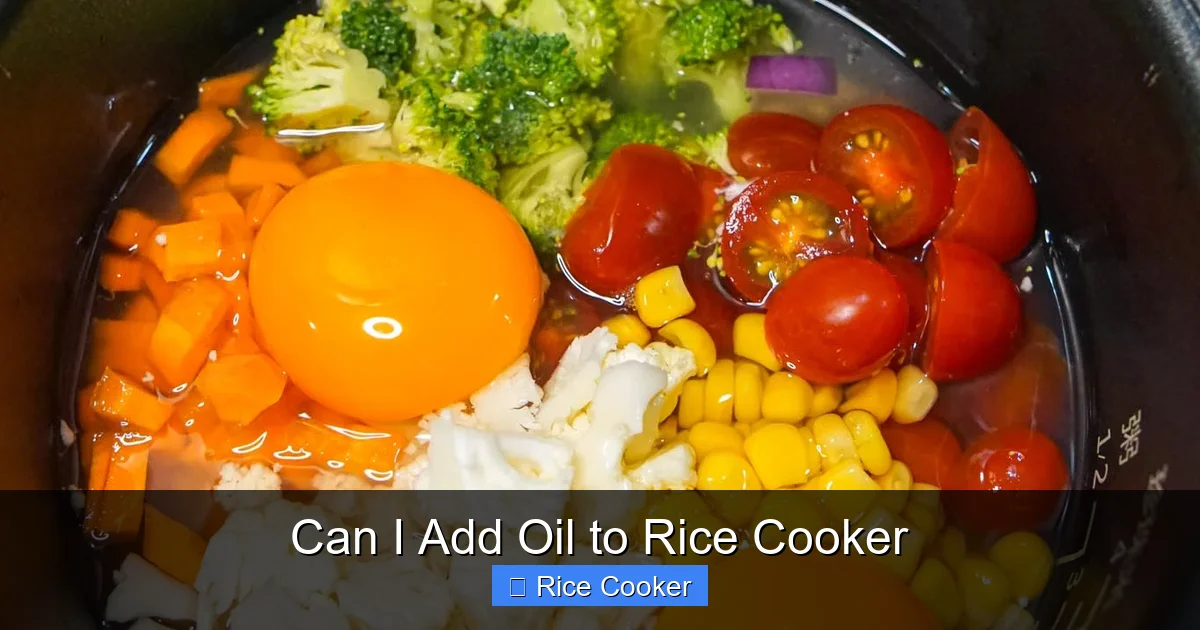
Visual guide about Can I Add Oil to Rice Cooker
Image source: nomadette.com
Enhanced Flavor
Oil coats each grain of rice slightly during cooking, creating a subtle richness that enhances overall flavor. This is especially noticeable with aromatic varieties like basmati or jasmine, where even a light coating can make the dish feel more luxurious. Think of it like seasoning a cast-iron skillet—a little fat goes a long way in bringing out depth in food.
Improved Texture and Prevent Sticking
Without oil, rice—especially sticky types like sushi or glutinous rice—can clump together or stick stubbornly to the bottom of the pot. Adding just a teaspoon or two helps separate the grains and creates a smoother, fluffier result. It’s particularly helpful for recipes where you’re mixing in other ingredients later, such as fried rice or biryani.
Easier Cleanup
Oiled rice tends to leave less residue on the inner pot. Since many modern rice cookers come with non-stick coatings, a thin layer of oil can actually protect the surface while reducing the need for scrubbing afterward. Just be sure not to overdo it—too much oil can leave greasy spots that are harder to remove.
Traditional Cooking Methods
In some cultures, adding oil to rice is standard practice. For example, in Indian and Pakistani cuisine, ghee or mustard oil is often added to the water before boiling rice to infuse flavor and aid digestion. Similarly, Southeast Asian dishes like Thai jasmine rice frequently include coconut oil for aroma and richness. These traditions aren’t just about taste—they reflect centuries of culinary wisdom.
What Types of Oil Are Safe for Rice Cookers?
Not all oils are created equal when it comes to rice cookers. The key factor is the smoke point—the temperature at which an oil begins to break down and produce smoke. Using an oil with a low smoke point can result in burnt flavors, unpleasant smells, and potentially harmful fumes.
Best Oils for Rice Cookers
- Peanut Oil: One of the top choices due to its high smoke point (around 450°F/232°C). It imparts a mild, nutty flavor and works well for both plain and flavored rice.
- Vegetable Oil or Canola Oil: Affordable and widely available, these oils have moderate to high smoke points and neutral flavors, making them ideal for everyday use.
- Coconut Oil (Refined): Unrefined coconut oil has a lower smoke point and strong flavor, but refined versions are clearer and better suited for high-heat applications. Use sparingly if you like the tropical note.
- Sesame Oil (Light): Excellent for Asian-style dishes. Use only a drop or two—its intense flavor is potent! Light sesame oil has a higher smoke point than dark.
Oils to Avoid
- Butter: Has a low smoke point (~300°F/149°C) and burns easily, producing acrid smoke and bitter tastes.
- Extra Virgin Olive Oil: Best used raw or in cold dishes. Heating it destroys its delicate flavor and can cause foaming and smoke.
- Flaxseed or Walnut Oil: These are omega-rich oils meant for dressings. They oxidize quickly under heat and should never be heated.
💡 Pro Tip: Always measure oil carefully. A single tablespoon is far too much for a standard 6-cup rice cooker—usually, half a teaspoon to one full teaspoon per cup of rice is sufficient.
How Much Oil Should You Add?
Less is definitely more when it comes to oil in rice cookers. Unlike frying, where generous amounts of oil are expected, rice cookers operate differently—the goal is gentle steaming, not deep frying. Overdoing it leads to slimy, greasy results and potential messes.
The Golden Rule: 1 Teaspoon Per Cup
For most recipes, start with 1 teaspoon of oil per cup of uncooked rice. That’s roughly 5 milliliters total for a typical 2-cup batch, or about 0.25 tsp per cup. Adjust based on your preference and the type of rice:
- White or Basmati Rice: ½–1 tsp per cup
- Sticky/Sushi Rice: Up to 1 tsp per cup (helps prevent clumping)
- Brown or Wild Rice: ¼–½ tsp per cup (longer cook times mean less risk of burning)
Where to Add the Oil
Add the oil directly to the water before turning on the cooker. Most rice cookers heat from below, so pouring oil into cold water allows it to disperse evenly throughout the cooking process. Avoid adding oil directly to dry rice—it won’t mix properly and may burn at the base.
Step-by-Step Guide: How to Safely Add Oil to Your Rice Cooker
If you’re new to adding oil, follow this simple process to ensure success every time:
Step 1: Measure Your Ingredients
Start by measuring your rice and water. For every cup of rice, use about 1⅔ cups of water (adjust slightly for different grains). Then add your chosen oil—stick to the recommended amounts above.
Step 2: Combine Rice, Water, and Oil
Rinse your rice briefly under cool water to remove excess starch (optional but recommended for fluffier results). Place rinsed rice in the inner pot, add water, then gently stir in the oil. Don’t worry if it doesn’t look fully mixed—oil floats, but it will distribute during cooking.
Step 3: Close and Start Cooking
Secure the lid and select the appropriate setting (white rice, brown rice, etc.). Wait for the cycle to complete. Some models have a “keep warm” function—this is fine, but avoid opening the lid repeatedly, as steam loss affects texture.
Step 4: Fluff and Serve
Once done, let the rice sit for 5–10 minutes with the lid closed. Then fluff gently with a fork. The oil should have evenly coated the grains, giving them shine and tenderness.
Common Mistakes When Adding Oil to Rice Cooker
Even experienced cooks occasionally run into problems. Here are the most frequent errors—and how to fix them:
Mistake #1: Using Too Much Oil
This is the #1 culprit behind greasy, smoky rice. Excess oil pools at the bottom, creates carbonized bits, and leaves a film on the pot. Solution: Stick to measured amounts and scrape off any visible oil before serving.
Mistake #2: Choosing the Wrong Oil
Using butter or EVOO turns your rice cooker into a smoky hazard. Always opt for stable, high-smoke-point oils.
Mistake #3: Not Rinsing the Rice First
Unrinsed rice leaves more starch, which combines poorly with oil and leads to gummy clumps. Rinse lightly unless your recipe calls for sticky rice.
Mistake #4: Ignoring the Non-Stick Coating
Some rice cooker pots have ceramic or titanium coatings that degrade with acidic or greasy buildup. Avoid metal utensils and harsh scrubbers when cleaning oiled rice residue.
Mistake #5: Opening the Lid During Cooking
Steam escapes, temperature drops, and oil may evaporate unevenly. Keep the lid sealed until the cycle finishes.
Alternatives to Adding Oil Directly
If you’re still hesitant about adding oil to your rice cooker, consider these safer alternatives:
Sauté First in a Skillet
Heat your preferred oil in a frying pan, add aromatics like garlic, onions, or spices, then transfer everything to the rice cooker with rice and water. This method gives full control over flavor and avoids direct contact with the heating element.
Use Ghee or Clarified Butter Sparingly
If you love the taste of ghee, melt it separately and drizzle over finished rice. This keeps the cooker clean and prevents burning.
Toss with Oil After Cooking
For maximum freshness and minimal risk, add oil to warm (not hot) rice just before serving. Mix thoroughly and let it absorb for 5 minutes.
Cleaning Your Rice Cooker After Using Oil
Oil residue is the enemy of cleanliness—and longevity. Follow these steps to maintain your appliance:
- Wait Until Cool: Never clean a hot pot with cold water—thermal shock can warp plastic parts.
- Scrape Gently: Use a wooden or silicone spatula to remove loose particles.
- Wash with Warm Soapy Water: Mild dish soap works fine. Avoid abrasive sponges or steel wool.
- Check the Heating Plate: Wipe away any oil splatter with a damp cloth. Don’t submerge electrical components.
- Air Dry Completely: Moisture inside the unit can lead to mold or corrosion.
Special Considerations: Different Rice Types and Regional Recipes
Your choice of oil—and whether to use it at all—depends heavily on the type of rice and cultural tradition:
Japanese Sushi Rice
Traditionally cooked without oil, though some chefs add a drop of rice vinegar and a tiny bit of oil for glossiness. If you do use oil, go with neutral peanut or canola.
Indian Biryani
Often includes ghee, saffron, and whole spices. Many recipes call for frying rice in oil before combining with broth—this is best done externally, then transferred to the cooker.
Thai Jasmine Rice
Sometimes cooked with a spoonful of coconut oil for fragrance. Again, refined coconut oil is safest for high heat.
Spanish Arroz Caldo (Rice Soup)
May include rendered chicken fat or olive oil early in the process. Since it simmers longer, lower-smoke-point oils can survive—but measure carefully.
Final Thoughts: Is It Worth It?
So, can you add oil to rice cooker? Absolutely—but only if done thoughtfully. For everyday plain rice, it’s optional. But for flavored dishes, sticky varieties, or dishes rooted in tradition, a touch of quality oil can transform your meal. Just remember: moderation, the right oil, and proper technique are key. And if you’re ever unsure, try the “post-cook” method—drizzle oil onto finished rice for a quick flavor boost without risk.
Your rice cooker is a powerful tool, but it responds best to gentle care. With these tips, you’ll enjoy perfectly cooked, richly flavored rice—every single time.
Frequently Asked Questions
Can I use olive oil in a rice cooker?
Yes, but only refined olive oil, and sparingly. Extra virgin olive oil has a low smoke point and burns easily, producing smoke and off-flavors. Refined versions are safer for cooking, though they lack the fruity notes of EVOO. Use no more than ½ teaspoon per cup of rice.
Will adding oil make my rice greasy?
Only if you use too much. One teaspoon of oil per cup of rice is plenty—any more can pool at the bottom and leave a greasy film. Always measure carefully and rinse rice beforehand to reduce starch, which helps prevent clumping.
Do I need to rinse rice before adding oil?
It’s recommended. Rinsing removes excess starch, which improves texture and helps oil coat each grain more evenly. For sticky rice varieties (like sushi), skip rinsing if you prefer chewiness.
Can I add oil to a non-stick rice cooker?
Yes, but avoid metal utensils and harsh scrubbing. Non-stick surfaces can degrade over time when exposed to acidic or oily residues. Use wooden spoons, silicone spatulas, and mild soap for cleaning.
What happens if oil catches fire in a rice cooker?
Turn off the unit immediately, unplug it, and cover the opening with a metal lid or fire blanket. Do not use water—it can spread the flames. Allow everything to cool completely before inspecting or cleaning.
Is it better to add oil before or after cooking?
Before cooking is traditional and effective. Adding oil to cold water ensures even distribution during steaming. Post-cook addition is a safe alternative if you want to preserve oil freshness and avoid smoke.