
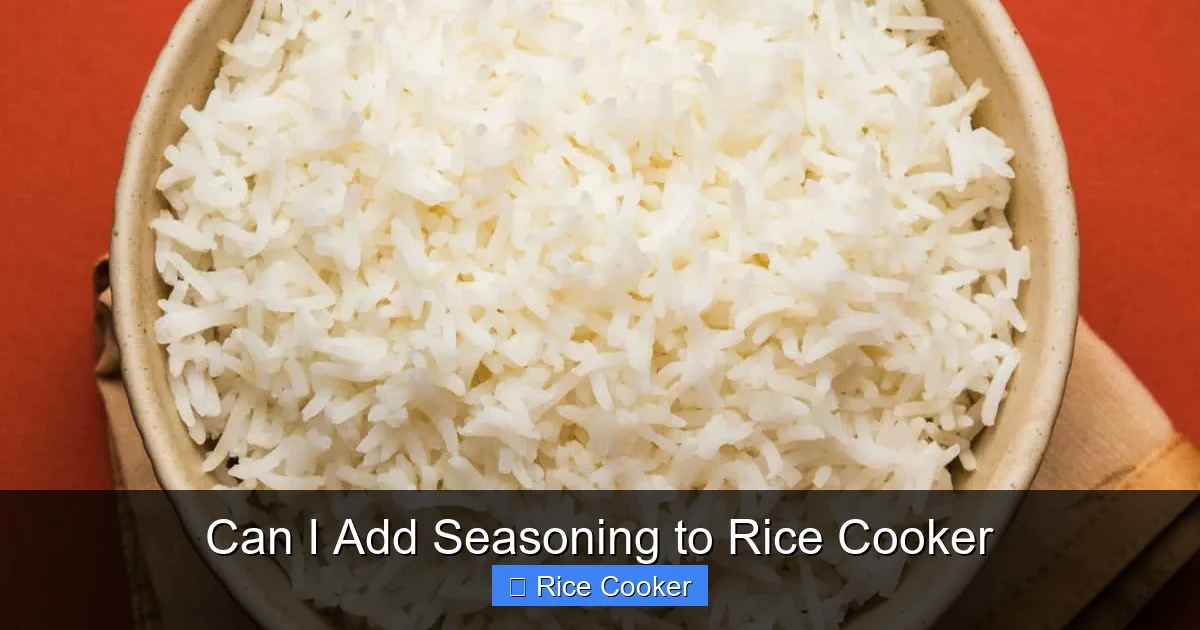
Adding seasoning to a rice cooker is not only possible—it’s a great way to boost flavor with minimal effort. Whether you’re using salt, herbs, spices, or even broth, doing it the right way ensures delicious results every time. This guide walks you through safe techniques, ingredient combinations, and troubleshooting tips so your rice turns out perfectly seasoned and tasty.
Key Takeaways
- Yes, you can add seasoning to a rice cooker safely: Most liquid-based seasonings like broth, soy sauce, or sauces work well when added before cooking.
- Salt should be used sparingly: Adding too much salt directly to the water can overpower the rice; measure carefully or use salted broth instead.
- Herbs and spices add depth: Whole or ground herbs like thyme, bay leaves, or turmeric blend beautifully into cooked rice without burning.
- Oil helps prevent sticking: A small amount of oil (like sesame or olive) in the cooking liquid improves texture and adds subtle richness.
- Prevent sogginess with proper ratios: Stick to standard rice-to-liquid ratios even when adding seasonings to maintain ideal consistency.
- Cooking times may vary slightly: Some seasonings like vinegar or lemon juice don’t affect timing, but others (like heavy sauces) might require minor adjustments.
- Cleaning is easier than you think: Most rice cookers are non-stick and dishwasher-safe—just rinse promptly after use to avoid residue buildup.
📑 Table of Contents
- Can I Add Seasoning to Rice Cooker? The Short Answer Is YES!
- The Science Behind Rice Cooking: Why It Matters
- What Seasonings Can You Safely Add?
- Step-by-Step Guide: How to Season Rice in a Rice Cooker
- Creative Seasoning Ideas for Every Taste
- Troubleshooting Common Issues
- Cleaning and Maintenance Tips
- Frequently Asked Questions (FAQs)
Can I Add Seasoning to Rice Cooker? The Short Answer Is YES!
If you’ve ever wondered whether tossing in some garlic powder, soy sauce, or a splash of broth will ruin your rice cooker—you’re not alone. For years, many assumed that rice cookers were strictly for plain white or brown rice, and any deviation would lead to mushy, unevenly cooked grains. But modern rice cookers are smarter, more versatile appliances than ever before. And yes—you can absolutely add seasoning to your rice cooker without sacrificing quality or risking damage.
In fact, adding seasoning is one of the easiest ways to transform a simple bowl of rice into a satisfying, flavor-packed meal. Whether you’re preparing a quick weeknight dinner or experimenting with global cuisines, your rice cooker can handle it. From savory broths to aromatic spices, the key lies in understanding how different ingredients interact with the cooking process and how to adjust your technique accordingly.
This comprehensive guide will walk you through everything you need to know about seasoning rice in a rice cooker—safely, effectively, and with confidence. We’ll cover which seasonings work best, how to avoid common mistakes, and even share creative recipes to inspire your next rice dish. So grab your measuring cup, fire up that rice cooker, and let’s get cooking!
The Science Behind Rice Cooking: Why It Matters
Before we dive into the fun part—adding flavor—let’s take a quick look at how rice actually cooks. Understanding the science helps explain why some seasonings work better than others and how to keep your rice from turning into a salty, mushy mess.

Visual guide about Can I Add Seasoning to Rice Cooker
Image source: m.media-amazon.com
Rice Starch and Water Absorption
Rice contains starch, a natural polymer that absorbs water during cooking. As the grains heat up, they swell and soften as the starch gelatinizes. This process is what gives cooked rice its fluffy, separate-grain texture. When you add extra liquid—like broth or sauce—the grains absorb more moisture, which can make them softer. That’s why it’s important to maintain a balanced ratio of rice to liquid, even when seasoning.
Heat Distribution in Rice Cookers
Most rice cookers use an electric heating element and a thermal sensor to monitor temperature. They automatically switch from “cooking” to “warming” mode once the internal temperature reaches a certain point. This means the cooker doesn’t burn food—but it also means delicate ingredients like fresh herbs or strong acids (like vinegar) may lose potency if left in too long. Timing and placement matter!
Why Seasoning Works
When you add seasoning to the cooking liquid, the flavors slowly infuse into the rice as it absorbs moisture. Unlike frying or grilling, where high heat can char or evaporate flavors, slow absorption preserves complexity. That’s why rice cooked in chicken broth tastes richer than rice soaked in plain water.
What Seasonings Can You Safely Add?
Not all seasonings play nicely in a rice cooker—some are too volatile, others too oily, and a few can interfere with the machine’s sensors. Here’s what works best—and what to avoid.
Liquid-Based Seasonings
These are your safest bets. Broth, stock, coconut milk, tomato sauce, and even fruit juices (like pineapple or mango) can be used as the primary cooking liquid. Just remember to reduce other liquids slightly since these already contain moisture.
Examples:
- Coconut milk + jasmine rice for Thai-inspired fried rice
- Chicken or vegetable broth + wild rice for a hearty side
- Tomato passata + arborio rice for a light risotto-style dish
Salt and Salt-Based Ingredients
Salt enhances flavor but must be used carefully. Adding table salt directly to the water can oversalinate if not measured precisely. Instead, opt for salted broth, miso paste, or soy sauce to control sodium levels.
Tip: Use ½ teaspoon salt per 1 cup uncooked rice unless your broth or sauce is already salty—then taste first!
Oils and Fats
A few teaspoons of oil (sesame, olive, or avocado) help prevent sticking and add subtle flavor. Avoid using too much—excess oil can coat the bottom and create hot spots. Gently mix it into the liquid before adding rice.
Herbs and Spices
Dried or whole herbs like bay leaves, thyme, oregano, or cinnamon sticks release their aroma gradually. Grinding them into powder (like turmeric or cumin) allows faster infusion. Avoid fresh herbs unless you remove them after cooking—they can turn bitter or slimy.
Sauces and Condiments
Ketchup, Worcestershire sauce, teriyaki, or even a bit of fish sauce can deepen umami notes. These should be mixed into the cooking liquid rather than sprinkled on top. Start with small amounts (¼ cup max per 1 cup rice) and adjust to taste.
What to Avoid
- Too much vinegar or citrus: Can break down starch and make rice gummy.
- Fresh garlic or onions raw: May become overly pungent or burnt.
- Excessive sugar: Can caramelize and stick to the pot.
- Heavy cream or butter: May curdle or clog the sensor.
Step-by-Step Guide: How to Season Rice in a Rice Cooker
Ready to try it yourself? Follow this simple process to season rice perfectly every time.
Step 1: Measure Your Ingredients
Start with a base of 1 cup uncooked rice. For every 1 cup rice, use 1¼ to 1½ cups liquid (adjust based on grain type). If using broth or sauce instead of water, reduce plain water by 1–2 tablespoons.
Step 2: Combine Liquid and Seasonings
In a bowl or measuring cup, mix your chosen liquid with salt, oil, herbs, or sauces. Stir well so everything dissolves evenly. Let it sit for 5 minutes if using strong-flavored ingredients—this helps the flavors meld.
Step 3: Add Rice and Liquid to Cooker
Rinse your rice briefly under cold water (optional but recommended for excess starch), then transfer to the inner pot. Pour in the seasoned liquid. Gently stir once to distribute flavors.
Step 4: Start Cooking
Close the lid, select the appropriate setting (White Rice, Brown Rice, etc.), and press start. Most cookers do the rest automatically.
Step 5: Fluff and Rest
Once done, let the rice sit covered for 5–10 minutes. Then fluff gently with a fork to release steam and redistribute moisture. Taste and adjust if needed—a pinch of salt or a squeeze of lime can fix imbalances.
Pro Tips for Success
- Use a clear measuring cup so you can see the liquid level clearly.
- Don’t lift the lid during cooking—it releases heat and extends time.
- If your rice is too dry, add a splash of warm water and cover for 5 minutes.
- If too wet, uncover and let it steam off excess moisture for 3–5 minutes.
Creative Seasoning Ideas for Every Taste
Seasoning rice isn’t just about salt and pepper. With a little creativity, you can turn plain grains into bold, restaurant-quality dishes. Here are some inspired combinations to spark your imagination.
Asian-Inspired Flavors
- Teriyaki Rice: Mix 2 tbsp teriyaki sauce + 1 cup broth + ½ tsp sesame oil. Cook with jasmine rice.
- Spicy Kimchi Fried Rice (One-Pot): Use ¾ cup kimchi juice + 1 cup short-grain rice + 1 egg (cooked separately, then folded in).
- Miso-Glazed Brown Rice: Stir 1 tbsp white miso + 1 tsp mirin into broth before cooking.
Mexican & Latin Variations
- Black Bean & Corn Rice: Cook with canned black beans (drained) + 1 cup vegetable broth + chili powder + cumin.
- Cilantro Lime Rice: Use coconut water + lime zest + chopped cilantro. Add fresh cilantro and lime juice after cooking.
- Arroz con Pollo Simplified: Replace water with chicken broth + diced tomatoes + onion slices. Skip the separate steps!
Indian & Middle Eastern Twists
- Turmeric Coconut Rice: Cook with coconut milk + turmeric + curry leaves.
- Za’atar Rice: Mix za’atar spice blend into broth with olive oil.
- Basmati with Cardamom: Add 3 crushed green cardamom pods + 1 strip of saffron steeped in warm milk.
Vegetarian & Vegan Options
- Mushroom Duxelles Rice: Sauté minced mushrooms with garlic, then cook with vegetable broth.
- Sun-Dried Tomato & Basil: Blend 2 tbsp sun-dried tomatoes (oil included) + 1 cup broth.
- Sweet Potato & Ginger: Roast sweet potato cubes, then layer with rice and broth. Steam together for 20 minutes.
Breakfast Rice Ideas
- Maple Pecan Oatmeal Rice: Cook steel-cut oats with almond milk, maple syrup, and cinnamon.
- Berry Compote Rice Pudding: Simmer frozen berries + milk + sugar, then cook with rice.
Troubleshooting Common Issues
Even with the best intentions, things don’t always go as planned. Here’s how to fix the most common problems when seasoning rice in a rice cooker.
Rice Is Too Salty
This usually happens when too much salt or salty liquid (like soy sauce) is added. Unfortunately, you can’t fix it after cooking. Next time, taste the liquid first or use unsalted broth as a base.
Rice Is Mushy or Sticky
Overcooked rice often results from too much liquid or incorrect ratios. Stick to 1:1.25 rice-to-liquid for most types. Also, avoid stirring while cooking—it breaks apart the grains.
Rice Is Dry or Undercooked
Check your liquid level. If too low, add a tablespoon of warm water, stir, and let sit 5 minutes. Cover and steam if needed. Never add cold water directly—it cools the cooker and disrupts the cycle.
Flavor Is Weak or Uneven
Ensure seasonings are fully dissolved in the liquid before adding rice. Stirring once at the beginning helps distribute flavors. Letting the mixture sit for 5 minutes also improves infusion.
Rice Sticks to the Bottom
Always add a thin layer of liquid and a touch of oil. Don’t overcrowd the pot. If sticking occurs, unplug the cooker, let it cool slightly, then scrape gently with a wooden spoon.
Smell Lingers in the Cooker
Strong-smelling ingredients like fish sauce or garlic can leave residues. Clean the inner pot immediately with hot soapy water. For stubborn odors, boil a mixture of water + vinegar or baking soda for 10 minutes.
Cleaning and Maintenance Tips
Keeping your rice cooker clean ensures longevity and prevents cross-contamination of flavors. Most parts are dishwasher-safe, but hand-washing preserves the non-stick coating longer.
After Each Use
- Rinse the inner pot while still warm (not hot).
- Wipe the exterior and sealing ring with a damp cloth.
- Remove and wash the lid and steam vent according to manufacturer instructions.
Deep Cleaning Monthly
- Soak stubborn residue in warm water + baking soda for 15 minutes.
- Scrub with a soft sponge—never metal utensils.
- Check the heating plate for debris; vacuum or brush lightly if needed.
Storage Tips
- Store with the lid slightly open to air-dry completely.
- Avoid stacking heavy items on top.
- Keep in a dry place away from humidity.
Frequently Asked Questions (FAQs)
Can I add salt directly to the rice cooker?
Yes, but measure carefully. Sprinkle ½ teaspoon per 1 cup rice into the water—never directly onto dry rice. Using salted broth or sauce is safer for consistent flavor.
Will soy sauce make my rice too salty?
It depends on quantity. Start with 1–2 tablespoons per cup of rice. Taste the cooking liquid before adding rice, and adjust to avoid oversalination.
Can I put eggs in the rice cooker while cooking?
Generally no—eggs need direct heat and won’t cook properly in the steam environment. Cook eggs separately, then fold into finished rice.
Is it safe to use vinegar or lemon juice in rice?
Small amounts (1–2 tbsp per cup) are fine and can brighten flavor. Too much can make rice gummy, so balance with other liquids.
Can I cook frozen rice with seasonings?
No—frozen rice expands and can clog the vent or disrupt the sensor. Always use fresh, dry rice.
How do I prevent my rice cooker from smelling after seasoning strong ingredients?
Clean the inner pot immediately. For lingering odors, run a cycle with equal parts water and white vinegar, then rinse thoroughly.
Frequently Asked Questions
Can I add salt directly to the rice cooker?
Yes, but measure carefully. Sprinkle ½ teaspoon per 1 cup rice into the water—never directly onto dry rice. Using salted broth or sauce is safer for consistent flavor.
Will soy sauce make my rice too salty?
It depends on quantity. Start with 1–2 tablespoons per cup of rice. Taste the cooking liquid before adding rice, and adjust to avoid oversalination.
Can I put eggs in the rice cooker while cooking?
Generally no—eggs need direct heat and won’t cook properly in the steam environment. Cook eggs separately, then fold into finished rice.
Is it safe to use vinegar or lemon juice in rice?
Small amounts (1–2 tbsp per cup) are fine and can brighten flavor. Too much can make rice gummy, so balance with other liquids.
Can I cook frozen rice with seasonings?
No—frozen rice expands and can clog the vent or disrupt the sensor. Always use fresh, dry rice.
How do I prevent my rice cooker from smelling after seasoning strong ingredients?
Clean the inner pot immediately. For lingering odors, run a cycle with equal parts water and white vinegar, then rinse thoroughly.