
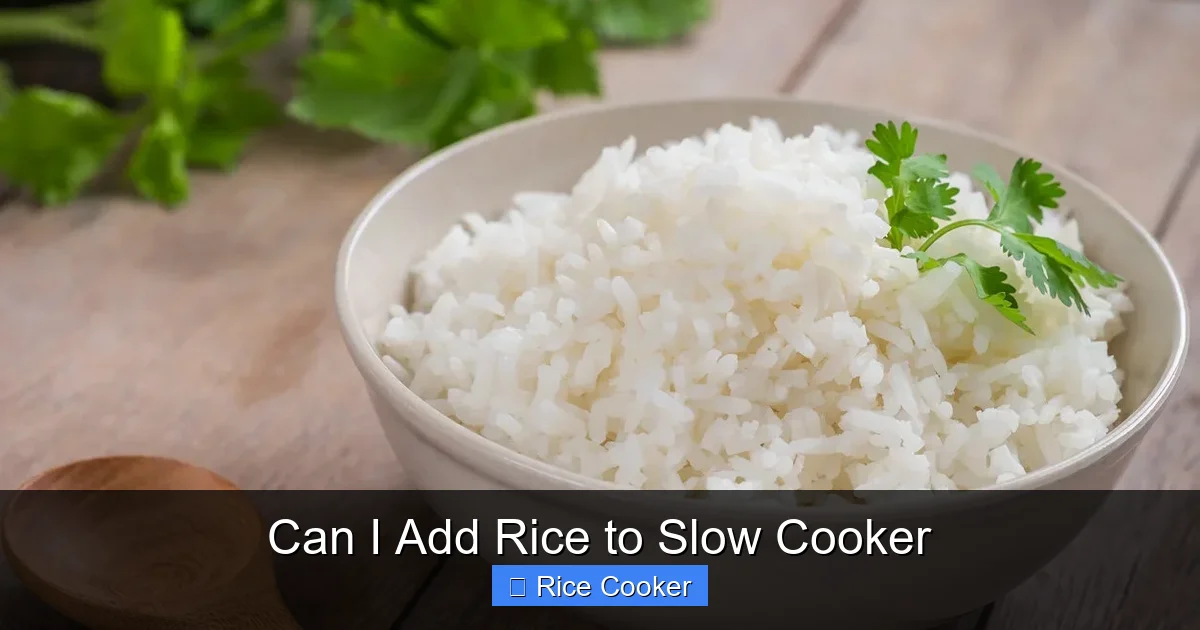
Can I add rice to a slow cooker? Absolutely! A slow cooker can make fluffy, tender rice when used correctly. The secret is using the right amount of liquid and cooking time—too little water leads to dryness, while too much results in mushy rice. With simple adjustments and a few pro tips, your slow cooker becomes a hands-off rice-cooking powerhouse.
Key Takeaways
- Rice works in slow cookers: White rice, brown rice, and even specialty grains like jasmine or basmati can be cooked successfully with proper technique.
- Liquid ratio matters: Use 2 parts liquid to 1 part rice for white rice; brown rice needs more due to its bran layer and higher absorption rate.
- Cooking time varies: White rice typically takes 3–4 hours on low; brown rice may need 4–6 hours. High heat speeds things up but increases risk of uneven cooking.
- Pre-soaking helps: Soaking brown rice for 20–30 minutes improves texture and reduces cooking time slightly.
- Avoid lifting the lid: Every time you open the slow cooker, heat escapes and extends cooking time—keep it sealed!
- Add-ins at the end: Cheese, herbs, or cooked vegetables go in during the last 15–20 minutes to prevent overcooking.
- Cleanup is easy: Non-stick slow cooker liners or parchment paper prevent sticking and make washing a breeze.
📑 Table of Contents
- Can I Add Rice to Slow Cooker? The Ultimate Guide to Perfectly Cooked Grains
- Why Use a Slow Cooker for Rice?
- Which Types of Rice Work Best in a Slow Cooker?
- Mastering Liquid Ratios and Water-to-Rice Measurements
- Step-by-Step: How to Cook Rice in a Slow Cooker
- Troubleshooting Common Rice Issues in Slow Cookers
- Creative Recipes Using Slow Cooker Rice
- Tips for Success Every Time
- Conclusion: Yes, You Can—And Should—Add Rice to Your Slow Cooker
Can I Add Rice to Slow Cooker? The Ultimate Guide to Perfectly Cooked Grains
Have you ever stared into your kitchen cupboard, wondering how to make dinner without standing over the stove? Maybe you’ve got leftover chicken, some veggies, and a bag of rice—but no time (or energy) to boil water on the stovetop. Enter the humble slow cooker: a kitchen workhorse that turns tough cuts of meat into fall-apart tender delights and soups into rich, comforting bowls.
But here’s the real question on everyone’s mind: can I add rice to slow cooker? And if so, will it come out sticky, mushy, or just plain undercooked? The short answer is yes—you absolutely can cook rice in a slow cooker. In fact, it’s one of the most underrated uses for this versatile appliance. Unlike pressure cookers or instant pots, slow cookers use gentle, moist heat over several hours. That means you can toss in your ingredients, set it, and forget it—until dinner is ready.
In this guide, we’ll walk through everything you need to know about adding rice to your slow cooker. From choosing the right type of rice to mastering liquid ratios and avoiding common pitfalls, you’ll learn how to turn your slow cooker into a rice-cooking machine. Whether you’re making a hearty grain bowl, a one-pot chili, or a side dish for family dinner, this method saves time, energy, and delivers consistent results every time.
Why Use a Slow Cooker for Rice?
If you’ve always boiled rice on the stovetop, you might wonder why anyone would bother with a slow cooker. After all, it seems slower—literally—and doesn’t offer the quick results of a rice cooker or microwave. But there are real advantages to using a slow cooker, especially when you’re preparing meals ahead of time or cooking for a crowd.
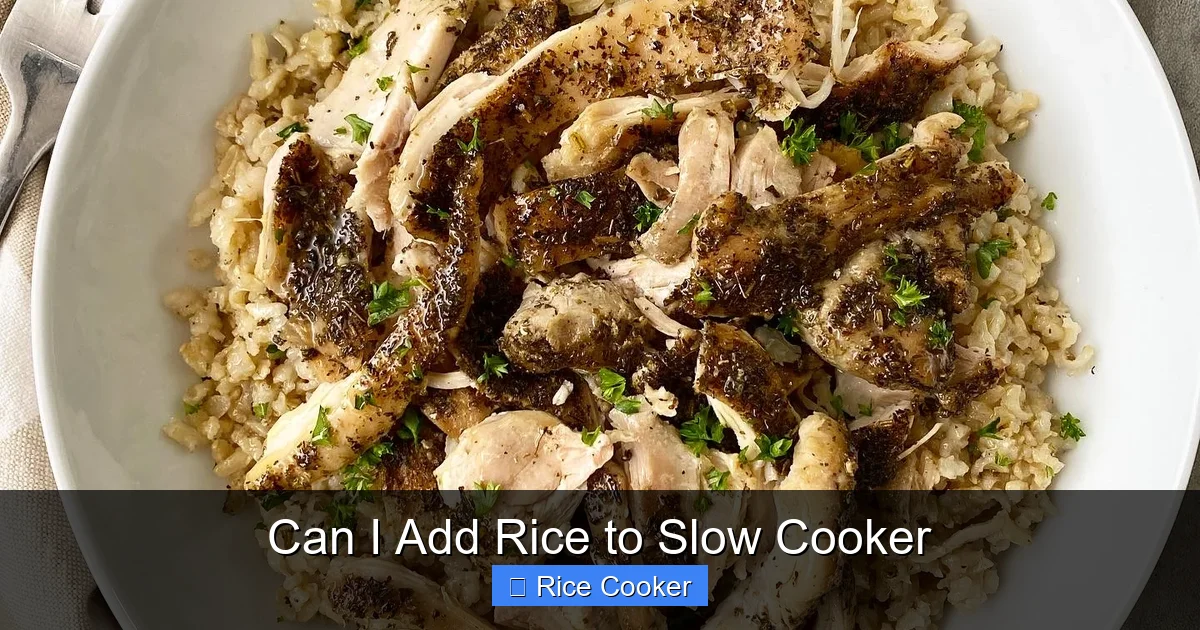
Visual guide about Can I Add Rice to Slow Cooker
Image source: fitslowcookerqueen.com
Hands-Off Cooking
One of the biggest benefits of the slow cooker is convenience. You don’t have to watch the pot, stir constantly, or worry about burning the bottom. Just add your ingredients, set the timer, and let the appliance do the work. This is perfect for busy weekdays or meal prep days when you want to lock in flavors overnight.
Flavor Infusion
Rice cooked in a slow cooker absorbs surrounding flavors from meats, broths, and spices. This makes it ideal for dishes like pilafs, risottos, or even fried rice where you want the grains to soak up savory goodness. Think of it as passive flavor development—no extra steps required.
Energy Efficiency
Slower temperatures mean less energy consumption compared to boiling on the stove. Once your slow cooker reaches its set temperature, it cycles on and off, keeping food warm without using full power. Over time, this adds up—especially if you cook regularly.
Versatility Beyond Plain Rice
You’re not limited to plain white rice. Mix in beans, corn, diced tomatoes, or cooked sausage for a complete meal. The slow cooker turns rice into a blank canvas for creativity. Try adding turmeric and coconut milk for golden coconut rice, or mix in spinach and feta for Mediterranean-inspired sides.
Which Types of Rice Work Best in a Slow Cooker?
Not all rice is created equal—and not all rice behaves the same way in a slow cooker. Understanding the differences between rice varieties helps you choose the right one for your recipe.
White Rice
Long-grain white rice (like jasmine or basmati) is the easiest to work with in a slow cooker. Its starch content allows it to absorb liquid well while staying fluffy. Short-grain rice (like sushi rice) tends to become stickier and isn’t recommended unless you’re okay with a softer texture.
Brown Rice
Brown rice has a tougher outer bran layer, which means it takes longer to cook and requires more liquid. It also holds more fiber and nutrients than white rice. While it’s possible to cook brown rice in a slow cooker, you’ll need to adjust timing and liquid amounts carefully.
Specialty Grains
Quinoa, barley, and wild rice can all be cooked in a slow cooker, though they often need longer times and higher liquid ratios. Quinoa, for example, cooks faster than rice—usually within 20–30 minutes—so it’s great for quick side dishes.
Instant or Pre-Cooked Rice?
Avoid using instant or pre-cooked rice in the slow cooker. These varieties are already partially processed and will break apart or become gluey when reheated slowly. Stick to raw, uncooked rice for best results.
Mastering Liquid Ratios and Water-to-Rice Measurements
This is arguably the most important factor when cooking rice in a slow cooker. Too little liquid = dry, chalky rice. Too much = soupy, mushy grains. Finding the right balance ensures each kernel is tender yet separate.
General Guidelines
- White rice: 1 cup rice : 2 cups liquid (water, broth, or stock)
- Brown rice: 1 cup rice : 2.5 to 3 cups liquid
- Quinoa: 1 cup quinoa : 2 cups liquid
- Barley: 1 cup barley : 3 cups liquid
For flavored rice (like garlic herb rice or tomato-based dishes), substitute half the water with vegetable or chicken broth. This boosts taste without altering the texture significantly.
How to Measure Accurately
Use a dry measuring cup—never a liquid cup—for rice. Rinsing rice before cooking isn’t necessary unless you’re dealing with very dusty or starch-heavy varieties. However, rinsing removes excess surface starch, which can lead to clumping. For slow cooker recipes, skipping the rinse is usually fine.
Adding Extra Ingredients
If you’re mixing rice with other ingredients (e.g., frozen peas, shredded carrots, or cooked chicken), account for their moisture content. Frozen veggies release liquid as they thaw, so reduce total liquid by ¼ cup per cup of frozen add-ins.
Step-by-Step: How to Cook Rice in a Slow Cooker
Ready to try it yourself? Follow these simple steps for foolproof rice every time.
1. Prepare Your Ingredients
Gather your rice, liquid, and any optional add-ins like spices, herbs, or cooked proteins. If using brown rice, consider soaking it for 20–30 minutes beforehand to soften the bran layer and speed up cooking slightly.
2. Combine Everything in the Slow Cooker
Add rice and liquid to the inner pot. Stir once to distribute evenly. Avoid packing the rice down—it needs room to expand as it absorbs liquid.
3. Set the Timer
For white rice: 3–4 hours on LOW, 2–3 hours on HIGH.
For brown rice: 4–6 hours on LOW, 3–4 hours on HIGH.
Always check near the end of the estimated time—rice can vary based on altitude, brand, and slow cooker model.
4. Test Doneness
After the timer goes off, fluff the rice gently with a fork. It should be tender with no hard centers. If still crunchy, cover and cook 15–30 minutes longer. If too soft, stir in a splash of hot water or broth next time.
5. Serve Immediately or Keep Warm
Slow cookers maintain warmth well, but rice tastes best when served fresh. Transfer to a serving bowl and enjoy within 2 hours, or refrigerate for later use.
Troubleshooting Common Rice Issues in Slow Cookers
Even experienced cooks run into problems now and then. Here’s how to fix the most frequent issues.
Rice Sticks to the Bottom
This usually happens when there’s not enough liquid or the slow cooker runs hotter than expected. Always follow the recommended liquid ratio, and avoid using the HIGH setting unless necessary. A non-stick liner or parchment paper can also help prevent sticking.
Rice Is Mushy or Soupy
Too much liquid or overcooking causes mushiness. Drain excess liquid after cooking, or reduce liquid by 10% next time. Fluffing the rice helps redistribute moisture.
Rice Is Undercooked or Hard
This suggests insufficient cooking time or too little liquid. Increase liquid slightly and extend cooking time by 15–30 minutes. Brown rice especially needs patience—don’t rush it.
Flavor Is Weak
Rice absorbs flavors slowly. Boost seasoning by sautéing onions or garlic first (if your slow cooker has a sauté function), or add salt, pepper, or herbs directly to the liquid.
Rice Doesn’t Rise Properly
If rice stays flat instead of puffing up, it may be due to old rice or incorrect storage. Fresh rice performs better. Also, ensure you’re using long-grain varieties rather than short-grain types.
Creative Recipes Using Slow Cooker Rice
Once you’ve mastered the basics, the possibilities are endless. Here are a few tasty ideas to get you started.
One-Pot Chicken and Rice
Combine 1 cup long-grain rice, 2 cups chicken broth, 1 chopped onion, 2 cloves minced garlic, 1 diced carrot, 1 stalk celery, and 1 lb diced chicken thighs in your slow cooker. Cook on LOW for 6–7 hours until rice is tender and chicken falls apart. Season with salt, pepper, and thyme.
Mediterranean Herb Rice
Mix 1 cup basmati rice with 2 cups vegetable broth, ½ tsp dried oregano, ½ tsp smoked paprika, and a handful of chopped parsley. Add ½ cup chickpeas and ½ cup cherry tomatoes halfway through cooking. Serve with lemon wedges.
Dirty Rice with Ground Turkey
Brown 1 lb ground turkey with onions and garlic in a skillet, then transfer to the slow cooker with 1 cup jasmine rice, 2 cups beef broth, 1 tsp cumin, 1 tsp chili powder, and black beans. Cook on LOW for 5 hours. Top with green onions and sour cream.
Coconut Curry Rice
Blend 1 can light coconut milk, 1 cup water, 1 tbsp curry powder, and 1 tbsp lime juice. Pour over 1 cup jasmine rice and stir. Cook on LOW for 4 hours. Garnish with cilantro and sliced almonds.
Tips for Success Every Time
Want consistent results? Follow these expert recommendations.
- Use a glass lid if possible: Glass lets you peek without losing heat, unlike metal lids.
- Don’t lift the lid unnecessarily: Each time you open it, 10–20 minutes of cooking time may be lost.
- Let rice rest 5–10 minutes after cooking: This allows steam to distribute evenly.
- Clean promptly: Starchy residue dries fast and sticks stubbornly. Wash the insert right away.
- Experiment with timing: Start checking rice 30 minutes before the estimated finish time.
Conclusion: Yes, You Can—And Should—Add Rice to Your Slow Cooker
So, back to the original question: can I add rice to slow cooker? The answer is a resounding yes—and doing so opens up a world of convenient, flavorful meals. With the right techniques, liquid ratios, and a bit of patience, your slow cooker becomes a reliable ally in the kitchen.
Whether you’re feeding a family, meal-prepping for the week, or simply looking for a lazy Sunday dinner solution, cooking rice in a slow cooker offers unmatched flexibility and ease. No more babysitting the stove, no more burnt bottoms, and no more last-minute panic. Just add, set, and forget.
Next time you open your pantry, remember: rice and slow cookers aren’t just compatible—they’re a match made in kitchen heaven. Give it a try tonight. Your future self will thank you.
Frequently Asked Questions
Can I cook brown rice in a slow cooker?
Yes, brown rice can be cooked in a slow cooker, but it requires more liquid (about 2.5–3 cups per cup of rice) and longer cooking time (4–6 hours on low). Soaking it beforehand helps improve texture.
Do I need to rinse the rice before putting it in the slow cooker?
No, rinsing isn’t necessary for slow cooker rice. Unlike stovetop cooking, rinsing can remove too much starch, leading to gummy results. Simply measure dry rice and proceed.
What happens if I put too much water in the slow cooker?
Too much liquid results in mushy, soupy rice. Drain excess water after cooking or reduce the amount next time by 10%.
Can I cook frozen rice in a slow cooker?
No, never add frozen rice directly to a slow cooker. It will create uneven heating and risk bacterial growth. Always use fresh, dry rice.
Is it safe to leave rice in the slow cooker overnight?
It’s generally safe to keep cooked rice in a properly functioning slow cooker for up to 2 hours at warm settings. However, for food safety, refrigerate leftovers within 1 hour and reheat thoroughly.
Can I cook rice and beans together in a slow cooker?
Absolutely. Beans like black beans or kidney beans pair well with rice. Just ensure you’re using soaked or canned beans (drained and rinsed) and adjust liquid accordingly.