
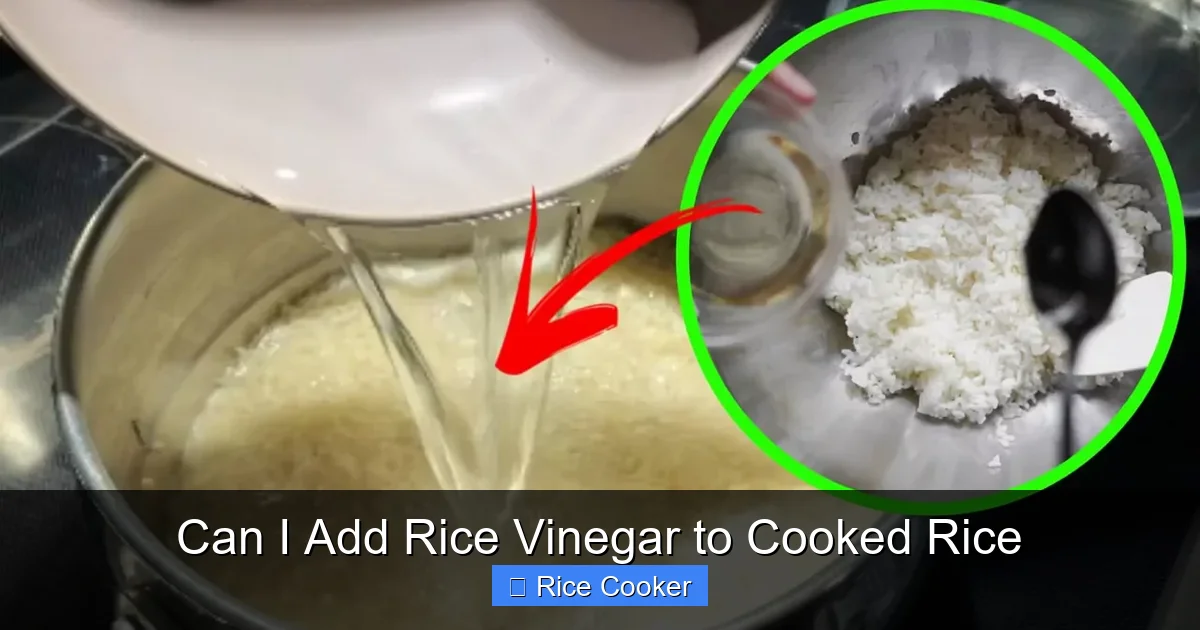
Can I add rice vinegar to cooked rice? Absolutely! Adding rice vinegar to your cooked rice is a simple way to enhance its flavor, improve texture, and create the perfect base for sushi, salads, and stir-fries. It balances sweetness with tanginess, making every bite more delicious. Whether you’re making sushi at home or just want better-tasting rice, a splash of rice vinegar does wonders. Keep reading to learn the best methods, timing, and tips to use it like a pro!
Have you ever wondered whether adding rice vinegar to cooked rice is a good idea? Maybe you’re trying to make homemade sushi, or you just want your rice to taste more interesting. The short answer? Yes, absolutely! Adding rice vinegar to cooked rice is not only safe—it’s a common technique used by chefs and home cooks alike to elevate flavor and texture.
In this article, we’ll walk through everything you need to know about using rice vinegar with cooked rice. From why it works so well, to the best methods for mixing it in, and even how to avoid common mistakes. Whether you’re using a rice cooker or stovetop, you’ll find practical tips to make your rice shine.
So grab your favorite bowl of rice, a bottle of rice vinegar, and let’s get started!
Why Rice Vinegar Belongs in Your Cooked Rice
Rice vinegar isn’t just for sushi bars or fancy Japanese restaurants. It’s a kitchen staple that belongs in your pantry for a reason. Made from fermented rice starch, this mild, lightly sweet vinegar has a subtle tang that pairs beautifully with rice. Unlike stronger vinegars like balsamic or apple cider, rice vinegar is gentle enough to enhance without overpowering.
When added to cooked rice, rice vinegar does more than just change the taste. It helps balance the natural starchiness of rice, giving it a cleaner, fresher mouthfeel. This is especially important in dishes like sushi, where the rice needs to stick together just enough to hold its shape but still be easy to chew. The acidity also inhibits bacterial growth, which means rice seasoned with rice vinegar stays fresh longer.
But beyond practical benefits, rice vinegar adds depth. It brightens up plain white rice, making each spoonful more satisfying. Think of it as the seasoning that turns good rice into great rice.
How Rice Vinegar Changes the Texture of Rice
One of the most noticeable effects of adding rice vinegar to cooked rice is the change in texture. Plain rice can sometimes feel heavy or gluey, especially if it’s overcooked. Rice vinegar, when used correctly, helps cut through that heaviness.
The key lies in the balance between moisture and acidity. When rice vinegar is mixed into warm rice, the liquid helps redistribute moisture evenly across the grains. This prevents clumping while still maintaining the ideal stickiness for sushi or onigiri (rice balls). The result? Grains that are soft, fluffy, and just the right amount of cling.
For example, when making sushi rice, chefs often heat the vinegar mixture gently before pouring it over the hot rice. This ensures even distribution and absorption. The warmth helps the vinegar penetrate each grain without making the rice soggy.
If you’ve ever had store-bought sushi rice that tastes too sweet or too sour, it’s usually because the vinegar-to-sugar ratio wasn’t balanced. Learning to control that balance is part of mastering rice vinegar usage.
The Best Time to Add Rice Vinegar to Cooked Rice
Timing matters when it comes to adding rice vinegar. The goal is to distribute it evenly without drying out the rice or leaving some parts overly acidic.
The ideal time is within the last few minutes of cooking or immediately after the rice is done. If you’re using a rice cooker, you can add the vinegar mixture to the pot before pressing “cook.” Most modern rice cookers have a “vinegar” or “sushi” setting, but even if yours doesn’t, manually adding it works well.
Here’s a simple method:
– After rinsing and draining your rice, combine it with water in the rice cooker.
– Just before the cooking cycle ends (usually 5–10 minutes left), add 1–2 tablespoons of rice vinegar per cup of rice.
– Stir gently once the rice is done, letting it sit for 5–10 minutes to absorb the flavors.
Alternatively, if you’ve already cooked the rice, warm the vinegar slightly (microwave for 10–15 seconds) and pour it over the hot rice. Then fold it in with a wooden spatula, being careful not to mash the grains.
Avoid adding cold vinegar directly to hot rice—it can cause uneven mixing and may alter the cooking process.
How Much Rice Vinegar Should You Use?
This is one of the most common questions: How much rice vinegar should you add? The answer depends on your taste preference and the type of dish you’re preparing.
As a general rule, start with 1 tablespoon of rice vinegar per cup of uncooked rice. For a mild flavor, that’s plenty. If you like a tangier taste—especially for sushi—you can go up to 2 tablespoons.
Remember, rice vinegar is mild, so even a little goes a long way. Overdoing it can make the rice taste sour or unbalanced. Always add gradually and taste as you go.
Here’s a quick reference table:
| Type of Dish | Rice Vinegar per Cup |
|————–|———————-|
| Sushi rice | 1.5 – 2 tbsp |
| Fried rice | 1 – 1.5 tbsp |
| Cold rice salad | 1 tbsp |
| Plain steamed rice | ½ – 1 tbsp |
Adjust based on personal preference and recipe needs.
Choosing the Right Type of Rice Vinegar
Not all vinegars are created equal, and rice vinegar comes in different varieties. Knowing the difference helps you pick the best one for your rice.
The most common types are:
– **White rice vinegar:** Mild, clear, and neutral in flavor. Great for sushi and delicate dishes.
– **Red or black rice vinegar:** Darker, slightly sweeter, and more aromatic. Often used in Chinese cooking.
– **Seasoned (or flavored) rice vinegar:** Pre-mixed with sugar and salt—ideal for sushi rice.
If you’re making sushi, seasoned rice vinegar is convenient because it already includes the right balance of sweetness and salt. However, if you prefer to control the seasoning yourself, unseasoned rice vinegar lets you adjust the taste exactly how you like it.
Always check the label. Some brands add artificial colors or preservatives, which aren’t necessary for home cooking. Stick to pure rice vinegar for the cleanest flavor.
Making Your Own Sushi Rice at Home
Making sushi rice at home might sound intimidating, but it’s easier than you think—and adding rice vinegar is the secret to perfect results.
Start by washing short-grain Japanese rice until the water runs clear. This removes excess starch and prevents mushy rice. Rinse 1 cup of rice with 1¼ cups of water.
Cook the rice as usual. Once done, transfer it to a wide bowl (a wooden or heat-safe plastic one works best). Prepare a mixture of rice vinegar, sugar, and a pinch of salt. Warm it gently in the microwave or on the stove until the sugar dissolves.
Pour the warm vinegar mixture over the hot rice. Using a cutting motion with a wooden spatula, fold the rice gently. This motion helps separate the grains while distributing the vinegar evenly.
Let the rice cool to room temperature before using it for sushi. Cover it with a damp cloth to prevent drying out.
Your homemade sushi rice will be sticky, fragrant, and ready to roll!
Using Rice Vinegar Beyond Sushi
While rice vinegar shines in sushi, its uses go far beyond that. It’s a versatile ingredient that enhances many dishes.
Try adding a splash to fried rice for extra brightness. It cuts through the richness of soy sauce and oil. In cold noodle dishes like zaru soba, rice vinegar adds a refreshing tang. You can also toss it into grain bowls or quinoa salads for a light, zesty kick.
Another fun use? Make a quick vinaigrette by mixing rice vinegar with sesame oil and a touch of honey. Drizzle it over cucumber or carrot sticks for a healthy snack.
Even plain rice becomes more interesting with a drizzle of rice vinegar and a sprinkle of sesame seeds or furikake. It’s a simple upgrade that makes a big difference.
Health Benefits of Rice Vinegar in Cooked Rice
Beyond flavor, rice vinegar offers several health benefits—especially when consumed regularly.
Rice vinegar is rich in acetic acid, which has been linked to improved digestion and blood sugar control. Some studies suggest it may help reduce insulin resistance and promote satiety, making it a smart addition to weight-conscious meals.
It also contains probiotic cultures from the fermentation process, which support gut health. While these are typically reduced during pasteurization, raw or unpasteurized versions retain more beneficial bacteria.
Additionally, rice vinegar provides antioxidants and may help lower cholesterol levels. When paired with fiber-rich rice, it creates a balanced meal that supports metabolic health.
Just remember: rice vinegar is still vinegar. Use it in moderation as part of a varied diet, not as a magic fix.
Common Mistakes to Avoid
Even experienced cooks can make mistakes when adding rice vinegar to rice. Here are some common pitfalls and how to avoid them.
**Mistake 1: Adding too much vinegar.**
Too much can make the rice taste sour and unbalanced. Start small and adjust.
**Mistake 2: Adding cold vinegar to hot rice.**
This can cause uneven mixing and may affect the rice’s texture. Always warm the vinegar slightly first.
**Mistake 3: Not stirring properly.**
Use a folding motion, not mashing. This keeps grains intact and evenly coated.
**Mistake 4: Using the wrong rice.**
Short-grain rice absorbs vinegar best. Long-grain or basmati can become mushy.
**Mistake 5: Skipping rinsing.**
Always rinse rice before cooking to remove excess starch. This prevents clumping.
By avoiding these errors, your rice will always turn out perfectly seasoned.
Tips for Storing Rice With Rice Vinegar
Proper storage extends the life of your seasoned rice and keeps it tasting fresh.
After mixing in rice vinegar, let the rice cool completely before storing. Transfer it to an airtight container and cover the surface with a damp paper towel to prevent drying. Store in the refrigerator for up to 3 days.
When reheating, add a teaspoon of water or broth to prevent dryness. Gently fluff with a fork before serving.
For sushi rice, it’s best to use it within 2 hours of preparation for optimal texture and flavor.
Experimenting with Flavors: Infused Rice Vinegars
Want to take your rice game to the next level? Try infused rice vinegar!
You can infuse rice vinegar with garlic, ginger, chili flakes, or herbs for a personalized twist. Simply add ingredients to a jar, fill it with rice vinegar, and let it steep for a few days. Strain and use in your rice or dressings.
Infused vinegar adds layers of flavor without overpowering the rice. It’s a fun way to customize your meals.
Rice Vinegar vs. Other Vinegars: What’s the Difference?
You might wonder: Can I use other vinegars instead of rice vinegar? Let’s compare.
– **Apple cider vinegar:** Tangier and sharper. Works in some dishes but can overpower delicate rice.
– **Balsamic vinegar:** Sweet and thick. Too strong for most rice dishes.
– **White wine vinegar:** Bright and acidic. Better than others but still not ideal for sushi.
– **Rice vinegar:** Mild, balanced, and designed for rice. The best choice.
Stick to rice vinegar for authentic flavor and texture.
Final Thoughts: Why Rice Vinegar Deserves a Place in Your Kitchen
Adding rice vinegar to cooked rice is a simple trick that makes a huge difference. It enhances flavor, improves texture, and opens the door to new culinary possibilities. Whether you’re making sushi, fried rice, or just want better-tasting plain rice, rice vinegar is your secret weapon.
Don’t be afraid to experiment. Try different ratios, explore infused versions, and discover what works for your taste buds. With a little practice, you’ll never go back to plain rice again.
So go ahead—grab that bottle of rice vinegar and transform your next bowl of rice. Your taste buds will thank you.
Key Takeaways
- Understanding can i add rice vinegar to cooked rice: Provides essential knowledge
Frequently Asked Questions
Is it safe to eat rice that has been mixed with rice vinegar?
Yes, it is completely safe to eat rice mixed with rice vinegar. Rice vinegar is a common ingredient in Asian cuisine and is used both for flavor and food preservation. It adds a mild tang without compromising safety.
Can I use any type of vinegar instead of rice vinegar?
While you can substitute other vinegars, they may alter the flavor too much. White wine or apple cider vinegar are possible substitutes, but rice vinegar is milder and more balanced, making it the best choice for rice.
How long can I store rice that has rice vinegar in it?
Store seasoned rice in an airtight container in the refrigerator for up to 3 days. Cover the surface with a damp paper towel to prevent drying out. Reheat gently with a splash of water.
Does adding rice vinegar change the nutritional value of rice?
Adding rice vinegar doesn’t significantly alter the calories or carbs in rice, but it does add trace amounts of acetic acid and antioxidants. It may support digestion and blood sugar regulation when consumed as part of a balanced diet.
Can I add rice vinegar to cold rice?
Yes, you can add rice vinegar to cold rice, but warming the vinegar slightly first helps it blend better. Mix thoroughly to ensure even distribution and avoid a sour taste.
Will rice vinegar make my rice sticky?
In short-grain rice, yes—rice vinegar can enhance stickiness, especially when used in sushi-style preparations. However, too much vinegar or improper mixing can lead to mushy rice. Balance is key.