
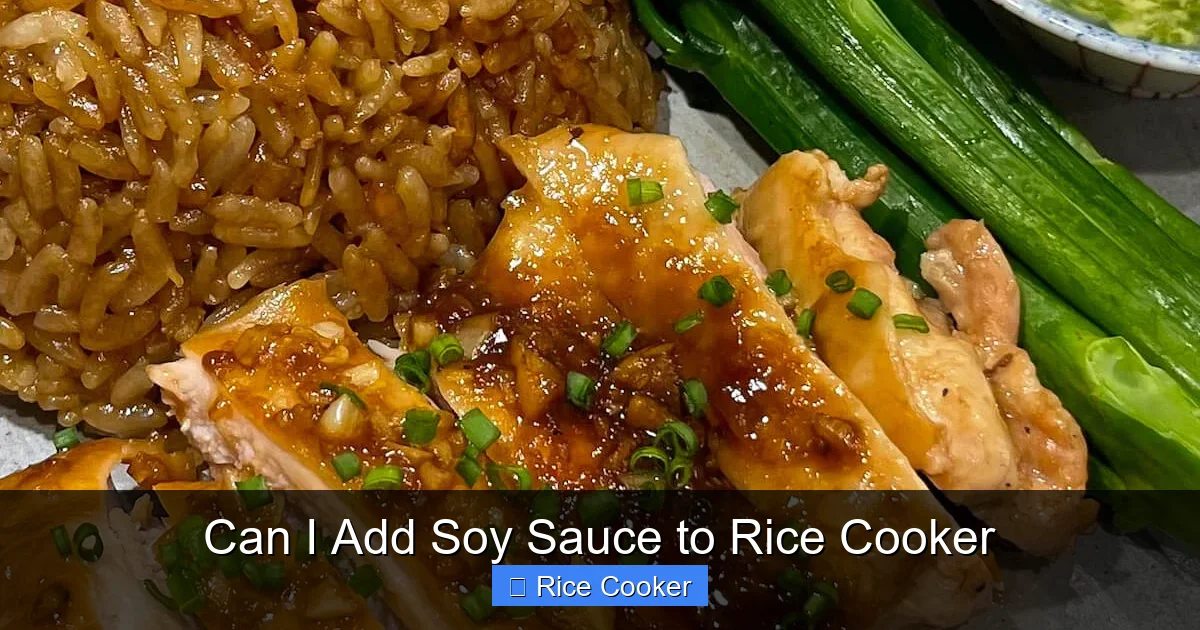
Adding soy sauce to your rice cooker is not only possible but can transform plain rice into a flavorful, restaurant-quality dish. With the right ratios and techniques, you can enhance your meals without compromising texture or safety. This guide walks you through everything from basic methods to creative recipes.
Key Takeaways
- Soy sauce adds rich umami flavor to rice, making it ideal for stir-fries, bowls, and sushi rice.
- Use low-sodium soy sauce to control salt levels and avoid over-salting your dish.
- Always mix soy sauce with water before adding it to prevent uneven cooking or scorching.
- Adjust quantities based on rice type—sushi rice benefits more from soy sauce than long-grain white rice.
- Cooking time remains unchanged; soy sauce doesn’t affect the rice cooker’s internal timing.
- Experiment with combinations like teriyaki glaze or miso-soy blends for deeper flavors.
- Clean your rice cooker promptly after use to prevent staining from soy sauce residue.
📑 Table of Contents
- Can I Add Soy Sauce to Rice Cooker?
- Understanding Soy Sauce and Its Role in Cooking
- How to Safely Add Soy Sauce to Your Rice Cooker
- Benefits of Using Soy Sauce in a Rice Cooker
- Troubleshooting Common Issues
- Creative Recipes Using Soy Sauce in the Rice Cooker
- Tips for Perfect Soy Sauce Rice Every Time
- Conclusion: Soy Sauce Makes Rice Irresistible
Can I Add Soy Sauce to Rice Cooker?
Ever stood at your kitchen counter, staring at a pot of plain, fluffy white rice, wondering how to make it taste like it came straight from a Japanese restaurant? You’re not alone. That simple question—can I add soy sauce to my rice cooker—has crossed the minds of countless home cooks, especially those craving flavorful rice that pairs perfectly with dumplings, grilled meats, or sushi rolls.
The short answer is yes, absolutely. Adding soy sauce to your rice cooker is not only safe and easy—it’s a game-changer for elevating everyday meals. Whether you’re making sushi rice, fried rice, or just want a savory side dish, soy sauce brings depth, umami, and balance to plain grains. But before you pour that bottle directly into the cooker, there are a few smart techniques to follow so your rice turns out perfectly seasoned, not salty or mushy.
In this complete guide, we’ll walk you through everything you need to know about using soy sauce in your rice cooker. From understanding how soy sauce affects cooking to choosing the right type and measuring the perfect amount, we’ve got you covered. We’ll also share pro tips, troubleshooting advice, and even some delicious recipes to get you started. So grab your rice cooker, open that soy sauce bottle, and let’s turn ordinary rice into something extraordinary.
Understanding Soy Sauce and Its Role in Cooking
Soy sauce is a staple in Asian cuisine, known for its rich, salty, and deeply savory flavor. Made from fermented soybeans, wheat (in most varieties), salt, and water, it adds complexity to dishes without overwhelming them. But when it comes to rice, soy sauce does more than just add salt—it enhances aroma, improves mouthfeel, and helps create a more cohesive flavor profile, especially when paired with other ingredients like vinegar or sugar.
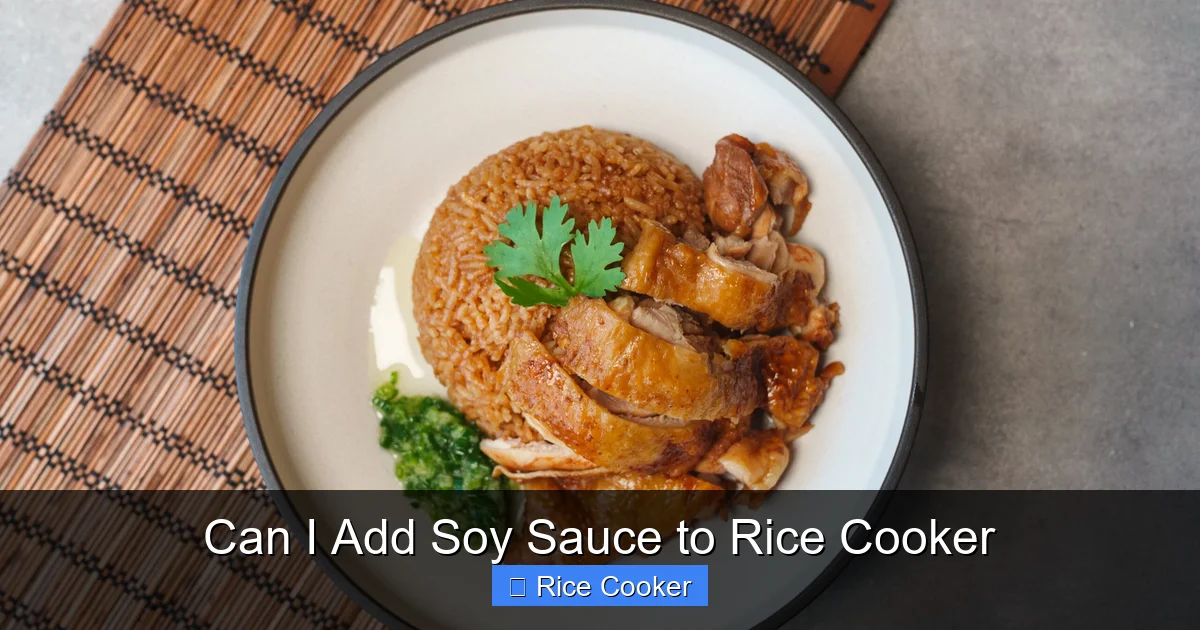
Visual guide about Can I Add Soy Sauce to Rice Cooker
Image source: themeatmen.sg
Types of Soy Sauce to Use
Not all soy sauces are created equal. The type you choose will impact both flavor and color. Here’s a quick breakdown:
- Light soy sauce: Thin, salty, and commonly used in cooking. It adds flavor without darkening the rice too much.
- Dark soy sauce: Thicker, sweeter, and darker in color. Best used sparingly for browning and deep flavor.
- Tamari: Gluten-free and richer, often preferred by those avoiding wheat. Has a fuller umami taste.
- Low-sodium soy sauce: A healthier option that still delivers flavor without excess salt.
For rice cooker recipes, light soy sauce is usually the best choice because it seasons evenly and doesn’t alter the rice’s natural color or texture. If you’re making sushi rice, consider using a mix of rice vinegar, sugar, and light soy sauce for authenticity.
Why Soy Sauce Works in Rice
Rice cookers work by absorbing liquid and converting it into steam, which cooks the grains. When you add soy sauce, it infuses the rice during this process, distributing flavor throughout each grain. Unlike boiling rice in seasoned broth, using soy sauce in a rice cooker allows for precise control over saltiness and ensures even distribution—no clumps of salt or uneven seasoning.
Moreover, soy sauce contains amino acids from fermentation, which enhance umami—the fifth taste sensation. This makes your rice more satisfying and flavorful, especially when served alongside spicy, fatty, or aromatic foods.
How to Safely Add Soy Sauce to Your Rice Cooker
You might be tempted to just pour soy sauce into the rice cooker along with the water, but doing so directly can lead to issues like uneven seasoning, scorching, or even damage to your appliance. Here’s the proper way to do it:
Step-by-Step Method
- Measure your rice and rinse it thoroughly to remove excess starch.
- Add water according to your rice cooker’s instructions (usually 1:1.5 ratio for white rice).
- Mix soy sauce with water first—this prevents direct contact between soy sauce and heating elements.
- Pour the soy sauce solution into the water, then add the rinsed rice.
- Stir gently to distribute the flavor evenly.
- Start the cooking cycle—no changes needed to cooking time.
This method ensures that the soy sauce is diluted and distributed uniformly, reducing the risk of a salty spot or burnt residue. It also protects your rice cooker’s inner pot from potential corrosion caused by concentrated soy sauce.
Recommended Ratios
The key to success is balance. Too little soy sauce, and your rice tastes bland. Too much, and it becomes unpalatable. Here are some general guidelines:
- Standard rice (e.g., jasmine, basmati): 1–2 tablespoons per cup of uncooked rice.
- Sushi rice: 1 tablespoon soy sauce + 1 tablespoon rice vinegar + 1 teaspoon sugar per cup.
- Fried rice base: 1–2 tablespoons soy sauce per 2 cups cooked rice (add after cooking).
Always taste a small portion before serving and adjust if needed. Remember, you can always add more soy sauce later, but you can’t take it away once it’s cooked.
Benefits of Using Soy Sauce in a Rice Cooker
Beyond just adding flavor, incorporating soy sauce into your rice cooker routine offers several advantages:
Enhanced Flavor Without Extra Effort
One of the biggest perks is convenience. Instead of making a separate sauce or marinade, you’re seasoning your rice as it cooks. This saves time and ensures every bite is flavorful. Whether you’re meal prepping or cooking a quick dinner, this technique streamlines the process.
Improved Texture and Aroma
Soy sauce contributes to a slightly firmer, more cohesive texture, especially in short-grain rice like sushi or Japanese-style varieties. It also enhances the rice’s natural aroma, making it smell richer and more inviting when it’s done.
Healthier Alternatives
If you’re watching your sodium intake, use low-sodium soy sauce or reduce the amount by half and compensate with other seasonings like garlic powder, sesame oil, or a splash of lemon juice. You can also try coconut aminos for a sweeter, gluten-free alternative.
Versatility in Recipes
Soy sauce-infused rice isn’t limited to one dish. It works beautifully in:
- Stir-fries and fried rice
- Miso soup bases
- Onigiri (Japanese rice balls)
- Buddha bowls
- Grilled chicken or tofu dishes
This flexibility makes it a pantry essential for any home cook.
Troubleshooting Common Issues
Even with the best intentions, things don’t always go smoothly. Here’s how to handle common problems:
Rice Too Salty?
If your rice ends up overly salty, try serving it with a neutral side like plain yogurt, cucumber salad, or steamed vegetables to balance the flavor. You can also dilute the rice slightly by adding a bit of plain cooked rice or water when reheating.
Uneven Seasoning
This usually happens when soy sauce isn’t mixed well. Always stir after adding the soy sauce-water mixture. For extra evenness, cook the rice for an additional 5 minutes on the “keep warm” setting after turning off the cooker—this allows flavors to meld.
Staining on the Inner Pot
Soy sauce can leave dark stains on stainless steel or non-stick surfaces. To prevent this:
- Clean the pot immediately after use with warm, soapy water.
- Soak it in a vinegar-water solution (1:1) for 10 minutes if stains persist.
- Avoid abrasive scrubbers that can damage coatings.
Rice Stuck to the Bottom
This often occurs if soy sauce touches the heating element directly. Always mix soy sauce with water first and avoid placing it near the bottom. Also, ensure the rice is fully submerged and stirred gently during the initial phase.
Creative Recipes Using Soy Sauce in the Rice Cooker
Ready to get inspired? Try these flavorful ideas:
Soy-Glazed Sushi Rice
Perfect for homemade nigiri or maki rolls. Mix 1 cup sushi rice, 1¼ cups water, 1 tbsp light soy sauce, 1 tbsp rice vinegar, and 1 tsp sugar. Cook as usual, then fluff and let sit for 10 minutes before using.
Teriyaki-Infused Brown Rice
Combine 1 cup brown rice, 1½ cups water, 1 tbsp soy sauce, 1 tsp honey, and a pinch of ginger. Cook normally. Serve with grilled salmon or roasted veggies.
Miso-Soy Quinoa
A modern twist! Use 1 cup quinoa, 2 cups water, 1 tbsp white miso paste, and 1 tbsp soy sauce. Cook, then top with edamame, avocado, and sesame seeds.
Garlic Soy Fried Rice (Post-Cook Method)
Cook plain rice first. Heat 1 tbsp oil in a pan, sauté minced garlic until fragrant, then add cooked rice, 2 tbsp soy sauce, and scrambled eggs. Stir-fry and serve hot.
Tips for Perfect Soy Sauce Rice Every Time
Want consistent results? Follow these pro tips:
- Use a measuring spoon for accuracy—eyeballing leads to inconsistency.
- Let rice rest for 5–10 minutes after cooking. This allows flavors to settle and rice to firm up.
- Store leftovers properly in an airtight container. Reheat with a splash of water to restore moisture.
- Experiment gradually—start with small amounts and adjust to taste.
- Keep a soy sauce log to track what works best for different rice types.
Conclusion: Soy Sauce Makes Rice Irresistible
Adding soy sauce to your rice cooker is not just a clever trick—it’s a flavor revolution. With minimal effort, you can transform plain, boring rice into a savory, aromatic side dish that elevates any meal. Whether you’re aiming for authentic sushi rice, a quick fried rice base, or simply want more depth in your daily grains, soy sauce delivers on all fronts.
Remember: the key is preparation. Never add soy sauce directly to dry rice or water without diluting it first. Use quality ingredients, measure carefully, and trust your taste buds. And don’t be afraid to experiment—rice is a canvas, and soy sauce is your favorite brush.
So next time you reach for that bottle of soy sauce, think twice. Instead of dousing your noodles or marinating your meat, try pouring it into your rice cooker. You might just discover your new favorite way to eat rice.
Frequently Asked Questions
Can I put soy sauce directly into the rice cooker?
No, you shouldn’t pour soy sauce directly into the rice cooker with dry rice or water. Doing so can cause uneven seasoning, scorching, or damage to the inner pot. Always mix soy sauce with water first before adding it to the cooker.
How much soy sauce should I use per cup of rice?
For most rice types, use 1 to 2 tablespoons of light soy sauce per cup of uncooked rice. Adjust based on taste—start with less and add more after cooking if needed.
Does soy sauce change the cooking time in a rice cooker?
No, soy sauce does not affect the cooking time. The rice cooker operates on the same timer regardless of seasonings, as long as the water-to-rice ratio remains correct.
Can I use dark soy sauce instead of light soy sauce?
Yes, but use it sparingly—dark soy sauce is thicker and more intensely flavored. Stick to ½ to 1 tablespoon per cup of rice to avoid overpowering the dish or darkening the rice too much.
Is it safe to clean soy sauce residue from my rice cooker?
Absolutely. Clean the inner pot immediately after use with warm, soapy water. For stubborn stains, soak in a 1:1 vinegar-water solution. Avoid metal scouring pads that can scratch non-stick coatings.
What’s the best type of soy sauce for rice cooker recipes?
Light soy sauce is ideal because it seasons evenly without altering color or texture. Low-sodium or tamari versions are great alternatives if you prefer reduced salt or gluten-free options.