

Yes, you absolutely can add spices to your rice cooker, and doing so transforms ordinary rice into a flavorful, aromatic dish in just one step. From turmeric-infused golden rice to fragrant cinnamon-spiced basmati, adding spices is simple, safe, and enhances both taste and nutrition. With the right techniques, your rice cooker becomes a versatile kitchen tool capable of more than just steaming grains.
Key Takeaways
- Spices Can Enhance Flavor and Nutrition: Adding spices like cumin, turmeric, or bay leaves during cooking infuses rice with rich flavors and health benefits such as anti-inflammatory properties.
- Proper Timing Matters: Add whole spices early (during water soaking or at the start) and ground spices later to prevent bitterness and preserve delicate aromas.
- Choose the Right Rice Types: Long-grain white rice, basmati, jasmine, and wild rice respond best to spice infusion, while sticky or short-grain rice may become too mushy.
- Use Minimal Water Adjustments: Most spices won’t require extra liquid, but always check the rice cooker’s manual—some models need slightly more water when using herbs.
- Cleanliness Is Key: Clean your rice cooker after each use to avoid lingering spice flavors and prevent bacterial growth from residual oils in spices.
- Experiment Safely: Start with small amounts of spice (1/4 teaspoon per cup of rice) and adjust gradually to avoid overpowering the dish.
- Consider Spice Form: Whole spices (like cloves or cardamom pods) release flavor slowly and are easier to remove; ground spices dissolve quickly but risk burning.
📑 Table of Contents
- Can I Add Spices to Rice Cooker? The Simple Answer Is Yes!
- Why Add Spices to Rice Cooker?
- Which Spices Work Best in a Rice Cooker?
- Step-by-Step Guide: How to Add Spices to Your Rice Cooker
- Common Mistakes to Avoid
- Delicious Spiced Rice Recipes You Can Make in Minutes
- Can You Add Spices to Brown Rice in a Rice Cooker?
- Are There Any Risks to Adding Spices?
- How to Store Leftover Spiced Rice
- Conclusion: Your Rice Cooker Is More Than Just a Grain Maker
Can I Add Spices to Rice Cooker? The Simple Answer Is Yes!
Imagine waking up to the rich aroma of saffron-scented rice, or coming home to perfectly spiced turmeric rice that doubles as a golden elixir. Sounds magical, right? But here’s the secret: you don’t need a fancy stovetop setup or hours of prep. Your trusty rice cooker can do it all—and yes, you absolutely can add spices to your rice cooker.
Rice cookers were originally designed to simplify cooking, but modern models are smarter, safer, and surprisingly versatile. Whether you’re using a basic electric rice cooker or a high-end programmable model, incorporating spices opens up a world of flavor without extra effort. In this guide, we’ll walk through everything you need to know—from which spices work best to how to avoid common mistakes. Get ready to turn your next bowl of rice into something extraordinary.
Why Add Spices to Rice Cooker?
Rice is a blank canvas. It absorbs flavors beautifully, making it the perfect base for global dishes. But why stop at plain, boring rice? Adding spices isn’t just about taste—it’s about creating meals that are nutritious, aromatic, and deeply satisfying.
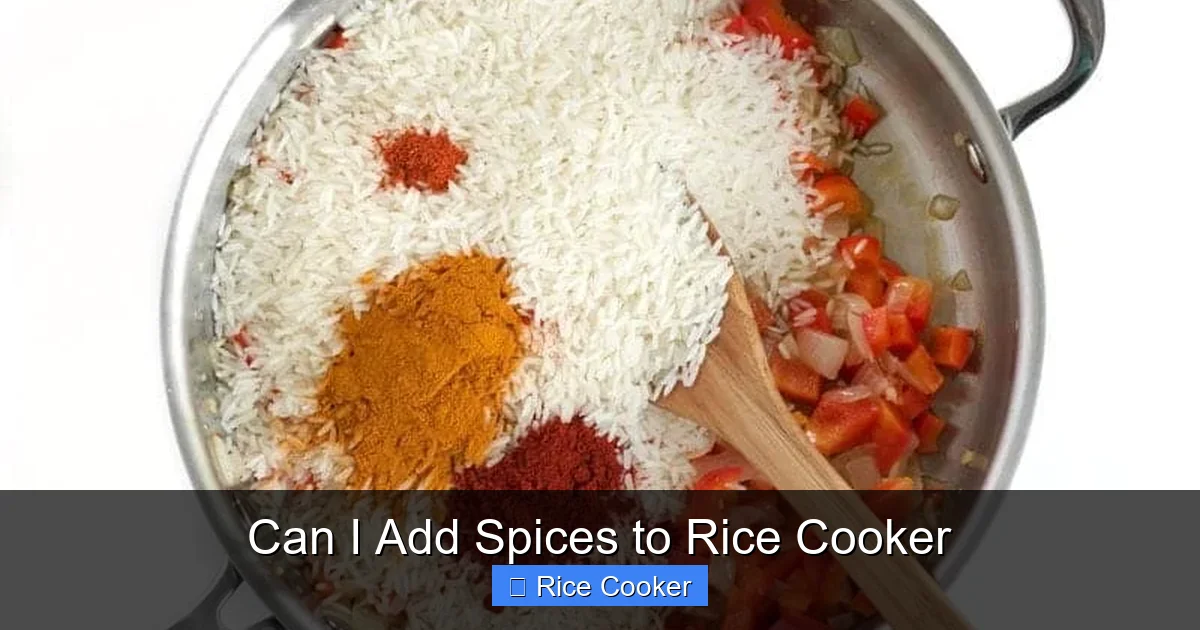
Visual guide about Can I Add Spices to Rice Cooker
Image source: budgetbytes.com
Boosted Nutrition Through Flavor
Many spices aren’t just for taste—they’re powerhouse ingredients with proven health benefits. Turmeric, for example, contains curcumin, a compound known for its anti-inflammatory properties. Cinnamon helps regulate blood sugar, while cumin aids digestion. By adding these to your rice cooker, you’re not just seasoning food—you’re fortifying it.
Time-Saving Meal Prep
Want to cook a complete meal in under 30 minutes? Add spices, rice, and a protein (like beans or tofu), then press start. The rice cooker does the rest. No babysitting the stove, no stirring required. This is especially helpful for busy parents, students, or anyone craving healthy meals on autopilot.
Cultural Authenticity
From Indian biryanis to Mexican arroz rojo, spiced rice is a staple across cultures. Instead of buying pre-packaged mixes or struggling with complex recipes, your rice cooker lets you recreate restaurant-quality versions at home. Think fragrant basmati with cardamom and rosewater, or Spanish paella-style rice with smoked paprika.
Which Spices Work Best in a Rice Cooker?
Not all spices are created equal—some shine in rice, others fall flat. Here’s a breakdown of the best options, grouped by type and flavor profile.
Top Whole Spices for Rice Cookers
Whole spices are ideal because they release flavor gradually and are easy to remove before serving.
- Bay Leaves: Aromatic and slightly bitter, bay leaves add depth to long-grain rice. Add one leaf per two cups of rice during the soaking stage.
- Cloves: Use sparingly—just 1–2 cloves per pot. They have a strong, warm flavor that pairs well with chicken or sweet rice dishes.
- Cardamom Pods: These give off a floral, citrusy note perfect for Indian or Middle Eastern dishes. Crush lightly before adding to help release oils.
- Cinnamon Sticks: Great for sweet rice like kheer or spiced jasmine rice. One stick is enough for four cups of rice.
- Star Anise: Adds licorice-like sweetness. Use one pod for every three cups of rice. Remove before serving.
Ground Spices: When and How to Use Them
Ground spices dissolve faster and distribute flavor evenly, but they can burn if added too early.
- Tumeric: A must for golden rice. Add 1/2 to 1 teaspoon per cup of rice. Stir into water before adding rice.
- Cumin: Earthy and warming. Toast whole cumin seeds first for deeper flavor, or add 1/4 teaspoon ground cumin at the start.
- Paprika (Smoked): Gives a smoky twist to Spanish or Mexican rice. Add 1/2 teaspoon at the beginning.
- Chili Powder: For heat lovers. Use 1/4 teaspoon for mild spice, up to 1/2 teaspoon for medium. Add with dry ingredients.
- Garam Masala: A blend of warming spices. Add 1 tablespoon at the end of cooking, just before the keep-warm cycle begins.
Herbs and Other Flavor Boosters
While not technically spices, herbs and aromatics enhance rice beautifully.
- Fresh Ginger: Grate 1 teaspoon into the water for a zesty kick. Works great with Asian dishes.
- Lemon Zest: Add to rice after cooking for brightness. Avoid during cooking—it can make rice soggy.
- Vinegar or Wine: A splash of white wine vinegar or rice vinegar adds acidity. Add after cooking.
Step-by-Step Guide: How to Add Spices to Your Rice Cooker
Ready to try it? Follow this foolproof method for perfect spiced rice every time.
Step 1: Choose Your Rice and Measure Accurately
Start with 1 cup of uncooked rice per person. Rinse the rice under cold water until the water runs clear—this removes excess starch and prevents gumminess.
Step 2: Prepare the Water and Spices Together
Add your measured water to the inner pot. Then sprinkle or place in your spices. For whole spices, you can tie them in cheesecloth for easy removal later.
Step 3: Let It Soak (Optional but Helpful)
Let the rice and spices soak for 15–30 minutes. This helps the grains absorb flavor more evenly. Just cover and refrigerate if not cooking immediately.
Step 4: Add Rice and Close Lid
Place rinsed rice into the pot, gently mix, and close the lid. Select the appropriate setting—white rice, brown rice, or porridge depending on your grain.
Step 5: Wait and Don’t Open Early
Let the rice cook undisturbed. Opening the lid too soon disrupts the steam cycle and affects texture. Trust the machine—it knows what it’s doing.
Step 6: Remove Spices Before Serving
Once done, use a fork to fluff the rice and pull out any whole spice pieces. Discard cloves, bay leaves, or cinnamon sticks.
Step 7: Serve Immediately or Keep Warm
Most rice cookers have a “keep warm” function that maintains temperature for up to 12 hours—perfect for meal prep. But for best texture, serve within 2 hours.
Common Mistakes to Avoid
Even with the best intentions, things can go wrong. Here’s how to dodge the most frequent pitfalls.
Using Too Much Spice
Spices are potent. Start with 1/4 teaspoon of ground spice per cup of rice. Taste test small batches before scaling up.
Adding Ground Spices at the Wrong Time
Never add ground spices right before turning on the cooker unless instructed. Heat can destroy delicate oils in spices, leading to bitterness. Instead, add them with the water or rice.
Skipping the Rinse
Unrinsed rice often results in sticky, clumpy grains—especially when spices alter absorption rates. Always rinse unless the package says otherwise.
Ignoring the Manual
Different rice cookers handle liquids and heat differently. Some may need 10% more water when using strong spices like turmeric or chili powder. Check your manual for guidelines.
Not Cleaning the Inner Pot
Residue from spices—especially oils from cumin or curry powders—can build up and affect future meals. Wash the inner pot thoroughly with soap and hot water after each use.
Overcooking Delicate Spices
Some spices lose potency if cooked too long. Garam masala, for instance, should be added in the last 5 minutes of cooking to preserve its complex aroma.
Delicious Spiced Rice Recipes You Can Make in Minutes
Time to get creative! Try these easy, flavor-packed recipes using your rice cooker.
Golden Turmeric Rice (Anti-Inflammatory Powerhouse)
- 1 cup jasmine or basmati rice
- 1½ cups water
- ½ teaspoon turmeric powder
- Salt to taste
- 1 teaspoon coconut oil (optional)
Combine all ingredients in the rice cooker. Cook as usual. Garnish with fresh cilantro before serving.
Mexican Arroz Rojo
- 1 cup long-grain rice
- 2 cups chicken broth (or water)
- 1 teaspoon ground cumin
- 1 teaspoon smoked paprika
- ½ teaspoon dried oregano
- 1 small onion, chopped
- 1 tomato, diced
- ½ teaspoon salt
Sauté onion and tomato in a pan first, then transfer to rice cooker with remaining ingredients. Cook on white rice setting.
Indian Biryani-Style Basmati Rice
- 1 cup basmati rice
- 1½ cups water
- 2 cardamom pods
- 1 cinnamon stick
- 3 cloves
- 1 bay leaf
- Pinch of saffron soaked in 2 tbsp warm milk
Add all ingredients to the rice cooker. After cooking, drizzle saffron milk over the top and let sit for 5 minutes before fluffing.
Spicy Coconut Jasmine Rice (Thai Inspired)
- 1 cup jasmine rice
- 1¼ cups water
- ½ cup shredded unsweetened coconut
- 1 teaspoon red curry paste
- Pinch of salt
Mix all ingredients in the rice cooker. Cook normally. Top with lime zest before serving.
Sweet Cinnamon Rice Pudding (Kheer)
- 1 cup white rice
- 3 cups milk
- 1 cinnamon stick
- 3 cardamom pods
- 2 tablespoons sugar
- ¼ teaspoon rose water (optional)
Cook on porridge or congee setting. Stir occasionally if possible. Remove spices before serving and stir in rose water.
Can You Add Spices to Brown Rice in a Rice Cooker?
Absolutely! Brown rice takes longer to cook and holds more nutrients, making it even better suited for spiced dishes. Just remember to increase water by ¼ cup per cup of rice when adding spices, as brown rice absorbs more liquid.
Try this: 1 cup brown rice + 1½ cups water + ½ teaspoon cumin + pinch of salt. Cook on brown rice setting. The result is fluffy, nutty, and deeply flavorful.
Are There Any Risks to Adding Spices?
In general, no—adding spices to a rice cooker is completely safe. However, there are a few considerations:
- Allergies: Be cautious if cooking for someone with spice allergies (e.g., mustard, sesame).
- Oils in Spices: Some spices contain oils that may smoke at high heat. If your cooker gets too hot, consider toasting spices briefly in a dry pan first.
- Metal Contamination: Never add metal objects like foil or metal spoons—only approved spice containers or cloth pouches.
As long as you follow basic food safety rules, your rice will be safe, delicious, and full of personality.
How to Store Leftover Spiced Rice
Store leftover rice in an airtight container in the fridge for up to 5 days. Reheat with a splash of water or broth to restore moisture. Freeze portions for up to 3 months—perfect for quick lunches.
Note: Spices like turmeric may darken over time, but flavor remains intact. Always smell and taste before reheating.
Conclusion: Your Rice Cooker Is More Than Just a Grain Maker
So, can you add spices to your rice cooker? Without a doubt—yes. This simple act turns a humble appliance into a flavor lab, a wellness booster, and a time-saving marvel. Whether you’re aiming for bold Indian spices, smoky Mexican flavors, or sweet cinnamon desserts, your rice cooker handles it all with ease.
The key is balance: start small, experiment often, and always respect the power of spices. With the tips and recipes shared here, you’re equipped to transform every grain into a gourmet experience. Next time you reach for plain rice, pause—consider what flavor journey you want to begin.
Your taste buds (and your body) will thank you.
Frequently Asked Questions
Can I add garlic and onions to rice cooker with spices?
Yes, you can sauté garlic and onions separately before adding them to the rice cooker. This prevents burning and ensures even browning. For best results, cook them in a little oil until soft, then add to rice and water.
Will spices change the color of my rice?
Absolutely. Spices like turmeric, paprika, and saffron naturally tint rice. Turmeric gives a bright yellow hue, while smoked paprika adds a reddish-brown tone. These color changes are harmless and add visual appeal to your dish.
Can I use curry powder in my rice cooker?
Yes! Curry powder works great in rice cookers. Add 1–2 teaspoons per cup of rice with water and cook as usual. For extra flavor, toast the curry powder in a dry pan for 30 seconds before mixing in.
Is it safe to leave spices in rice overnight?
No. While the rice cooker’s “keep warm” function is safe, leaving spices—especially whole ones—in rice overnight can lead to off-flavors or texture issues. Remove spices before storing leftovers.
Can I add salt and spices at the same time?
Yes, salt and spices can be added together. Salt helps draw out moisture and enhances spice flavor. Just ensure the total salt doesn’t exceed 1 teaspoon per cup of rice to avoid oversalting.
What happens if I forget to remove whole spices?
If you accidentally leave a bay leaf, cinnamon stick, or clove in the rice, simply fish it out with a spoon before serving. Whole spices are safe to eat in tiny bits, but their texture can be unpleasant in large pieces.