
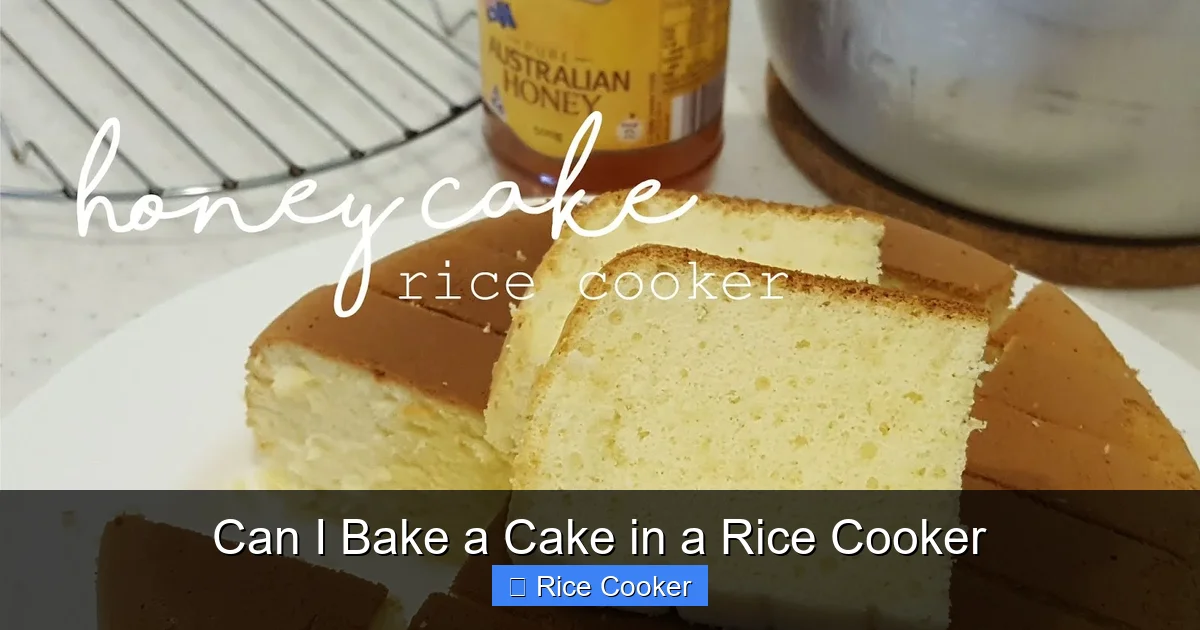
Can you bake a cake in a rice cooker? Absolutely! With the right ingredients and technique, your rice cooker can become a secret baking tool. You’ll get moist, evenly cooked cakes in half the time—no oven needed.
Key Takeaways
- Rice cookers are versatile: Beyond cooking rice, they can bake cakes, steam eggs, and even make soups.
- No special recipe needed: Standard cake recipes work well when adapted for heat distribution in a rice cooker.
- Safety first: Always use heat-resistant silicone or glass bowls to prevent cracking or melting.
- Timing matters: Cooking time varies by model—start checking after 30 minutes and adjust as needed.
- Cleanup is easy: Non-stick inner pots make removing cakes simple; just slide and lift.
- Perfect for small servings: Ideal for single portions, mini cakes, or when you don’t want leftovers.
- Energy efficient: Uses less electricity than an oven and heats up quickly.
📑 Table of Contents
- Can I Bake a Cake in a Rice Cooker?
- The Science Behind Baking in a Rice Cooker
- Choosing the Right Rice Cooker for Baking
- Essential Equipment and Ingredients
- Step-by-Step Guide: How to Bake a Cake in a Rice Cooker
- Troubleshooting Common Problems
- Creative Recipes You Can Make
- Tips for Perfect Rice Cooker Cakes Every Time
- Is Baking in a Rice Cooker Worth It?
Can I Bake a Cake in a Rice Cooker?
Imagine this: it’s 8 PM, your kids are begging for chocolate cake, but your oven is already full of dinner. Or maybe you’re in a tiny apartment with no room for a conventional oven. What do you do? The answer might surprise you—you can bake a cake in a rice cooker!
That’s right. That humble kitchen staple you use twice a week to whip up perfect white rice? It doubles as a surprisingly effective cake baker. In fact, many home bakers swear by their rice cookers for making light, fluffy, and moist cakes faster than traditional methods. No preheating required. No waiting hours for the oven to warm up. Just mix, pour, and press “cook.”
In this guide, we’ll walk you through everything you need to know about baking cakes in your rice cooker—from choosing the right model to troubleshooting common issues. Whether you’re a beginner cook or a seasoned baker looking to expand your toolkit, you’ll learn how to turn your rice cooker into a dessert-making powerhouse.
The Science Behind Baking in a Rice Cooker
Before diving into recipes, let’s talk about why rice cookers actually work for baking. Most modern rice cookers use either an induction heating system (common in Japanese models) or a standard metal heating plate (found in budget-friendly Asian or American brands). Both methods transfer heat evenly across the bottom of the pot, creating a gentle, consistent rise that mimics low-and-slow oven baking.
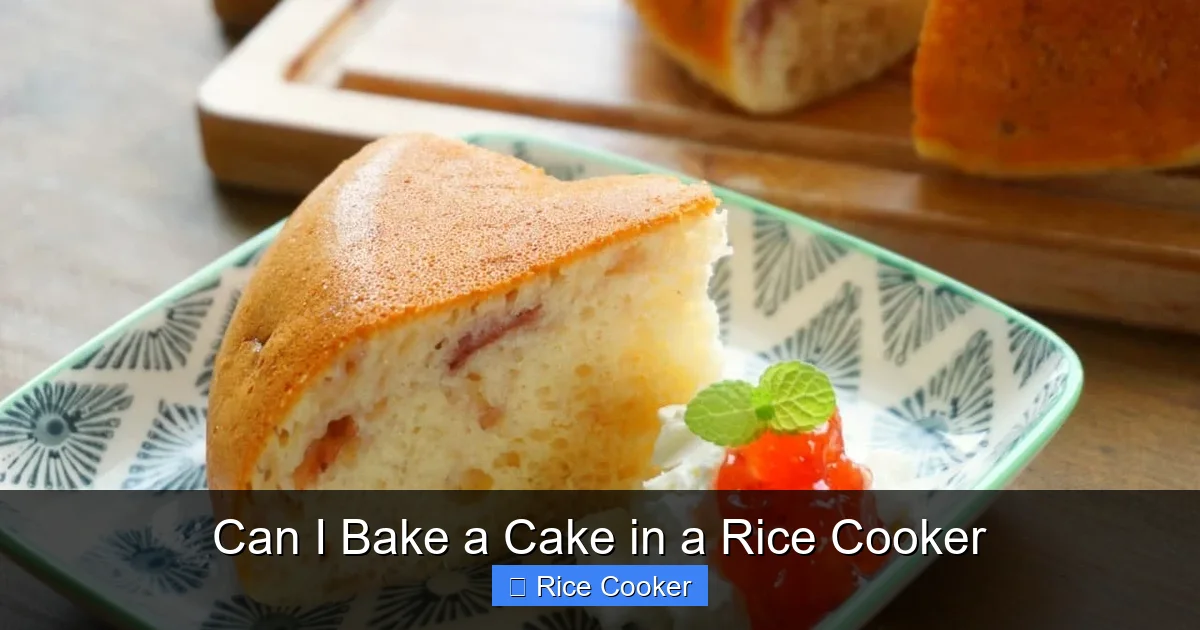
Visual guide about Can I Bake a Cake in a Rice Cooker
Image source: image.enuchi.jp
How Heat Distribution Works
Unlike ovens that circulate hot air, rice cookers rely on direct contact between food and the heating element. This means moisture stays trapped inside the pot, creating steam that helps cakes rise. The result? A tender crumb similar to steamed cakes like Chinese sponge cake or Japanese cheesecake.
Most rice cookers also have a “warm” setting that keeps food at around 140–175°F (60–80°C). This isn’t high enough to continue rising, but it prevents over-browning while keeping your cake perfectly moist until serving.
Why People Love Rice Cooker Cakes
- Speed: From start to finish, most cakes take 30–45 minutes.
- Consistency: Less risk of overbaking compared to ovens.
- Minimal cleanup: One bowl, one pot, one utensil.
- Great for beginners: Fewer variables to manage than traditional baking.
Choosing the Right Rice Cooker for Baking
Not all rice cookers are created equal when it comes to baking. While any rice cooker can technically make a cake, certain features make the process smoother and more reliable.
Top Features to Look For
- Non-stick coating: Essential for easy release and cleanup.
- Removable inner pot: Allows you to use custom molds or liners.
- Timer function: Lets you set it and forget it.
- Keep-warm mode: Prevents drying out if you’re not ready to serve immediately.
- Size: A 3-cup capacity works best for single-serving cakes (about 6 inches in diameter).
Recommended Models
If you’re shopping specifically for cake-baking potential, consider these popular options:
- Cuckoo CRP-HHP102F: Induction heating, fuzzy logic control, excellent temperature regulation.
- Zojirushi NP-NCC10: Compact, affordable, reliable performance.
- Aroma Housewares ARC-779S: Budget-friendly with good reviews for small cakes.
Essential Equipment and Ingredients
You don’t need a professional bakery setup—just a few basics will do. Here’s what you’ll need to get started.
What You’ll Need
- Your rice cooker (with non-stick inner pot)
- Heat-resistant bowl (silicone or tempered glass)
- Mixing spoons and whisk
- Measuring cups and spoons
- Small cake pan or ramekin (optional, for shaping)
Ingredient Tips
The key to success lies in using the right ingredients. Avoid heavy creams or fillings that might curdle under indirect heat. Stick to:
- All-purpose flour
- Granulated sugar
- Eggs (room temperature)
- Vegetable oil or melted butter
- Baking powder (not baking soda unless balanced with acid)
- Milk or water
Pro tip: Use room-temperature eggs and milk for smoother batter consistency.
Step-by-Step Guide: How to Bake a Cake in a Rice Cooker
Ready to try it yourself? Follow this foolproof method for a foolproof cake.
Preparation Phase
- Gather all ingredients and equipment.
- Preheat your rice cooker by running a cycle with just water (optional but helpful).
- Grease the inner pot lightly with oil or non-stick spray.
- Line the bottom with parchment paper for extra insurance.
Mixing the Batter
Use your favorite cake recipe—but simplify if you’re new to this. Here’s a basic vanilla version:
- 1 cup flour
- 1 tsp baking powder
- ¼ tsp salt
- ½ cup sugar
- 1 egg
- ⅓ cup milk
- 2 tbsp oil
- ½ tsp vanilla extract
Whisk dry ingredients together, then add wet ones gradually. Don’t overmix—just until combined.
Pouring and Cooking
- Pour batter into prepared inner pot.
- Close lid tightly (no venting needed).
- Press “Cook” button. Most models will take 30–40 minutes.
- After 30 minutes, check with a toothpick. If clean, press “Cancel” and let rest 5 minutes.
- If not done, continue cooking in 5-minute increments.
Cooling and Serving
Never rush cooling! Let the cake sit in the pot for 10 minutes before gently sliding it out. Run a knife around edges if needed. Serve plain, dusted with powdered sugar, or topped with fruit or frosting.
Troubleshooting Common Problems
Even experienced bakers run into hiccups. Here’s how to fix the most frequent issues.
My Cake Is Too Dry
This usually happens when cooking time is too long or heat is too high. Reduce cooking time by 5 minutes next time, or use a lower wattage rice cooker if yours runs hot.
The Cake Doesn’t Rise
Check your leavening agents. Old baking powder loses potency quickly. Test it by mixing a pinch with hot water—it should fizz.
Batter Leaks Out
Make sure your inner pot is completely dry before adding batter. Moisture causes sticking and leakage. Also ensure the pot sits level in the base.
Bottom Burns But Top Is Raw
This indicates uneven heating. Try placing a trivet or folded paper towel under the pot to elevate it slightly. Or reduce power by covering the pot with a lid during part of cooking.
Creative Recipes You Can Make
Once you master the basics, the possibilities expand! Here are three crowd-pleasing variations.
Chocolate Chip Cake
Add ½ cup semi-sweet chocolate chips to the batter before pouring. Sprinkle extra on top for visual appeal.
Lemon Drizzle Cake
Replace vanilla with lemon zest and juice. After baking, drizzle with simple syrup made from equal parts sugar and water.
Banana Bread Mini-Cake
Mash 1 ripe banana, replace milk with yogurt, and add cinnamon. Top with walnuts before cooking.
Flourless Chocolate Cake
Use only eggs, sugar, cocoa powder, and butter. This rich dessert becomes ultra-moist in a rice cooker.
Red Velvet Cake
Add 1 tbsp red food coloring and 1 tsp vinegar to your basic recipe. Finish with cream cheese frosting.
Tips for Perfect Rice Cooker Cakes Every Time
Small tweaks lead to big improvements. Follow these pro tips:
- Don’t open the lid frequently: Each opening lets steam escape, affecting rise.
- Use a digital timer: Rice cookers often lack audible alerts.
- Rotate the pot halfway:** If your model allows safe handling, rotate 180 degrees after 20 minutes for even cooking.
- Experiment with flavors:** Add cocoa, spices, or extracts to customize.
- Store properly:** Keep leftover cake in an airtight container for up to 3 days.
Is Baking in a Rice Cooker Worth It?
Absolutely—if you value convenience, speed, and simplicity. While you won’t replicate every texture nuance of an oven-baked masterpiece, you’ll consistently get edible, satisfying cakes with minimal effort. For dorm rooms, tiny kitchens, or impromptu celebrations, it’s a game-changer.
Plus, learning this skill opens doors to other rice cooker hacks: steamed fish, poached eggs, even instant ramen upgrades. Your appliance just got way more useful.
So go ahead—grab your bowl, mix some batter, and press “cook.” You’ve got this!
Frequently Asked Questions
Can you bake any type of cake in a rice cooker?
Most standard cakes work well, including vanilla, chocolate, and spice varieties. Avoid delicate genoise or chiffon styles, which require precise temperature control. Flourless cakes, banana bread, and bundt cakes also turn out great.
Do I need a special recipe for rice cooker cakes?
No! Use your favorite cake recipe but simplify it if needed. Avoid thick batters with nuts or fruits that may sink. Liquid-based cakes tend to work better than dense layer cakes.
How long does it take to bake a cake in a rice cooker?
Typically 30–45 minutes depending on size and model. Start checking at 30 minutes with a toothpick. Smaller 6-inch cakes cook faster than larger ones.
Can I use a regular bowl instead of the inner pot?
Yes, but only if it fits securely inside the rice cooker without blocking the heating element. Silicone or glass bowls work best. Never use metal bowls directly on the heating surface.
Will my rice cooker break if I bake cakes in it regularly?
No damage occurs from occasional baking. However, frequent use of acidic ingredients (like lemon juice) may degrade non-stick coatings over time. Clean promptly after each use.
Can children safely operate a rice cooker for baking?
With supervision, yes. Older kids can measure ingredients and mix batter safely. Adult help is needed for operating the appliance and checking doneness. Teach them safety rules first.