
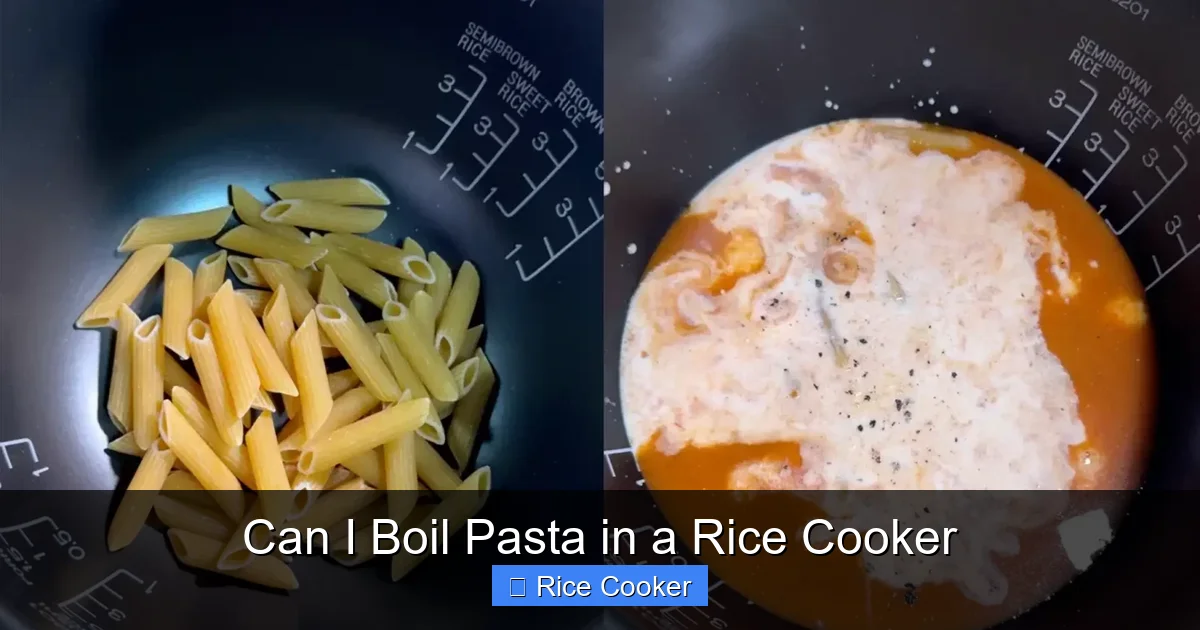
Yes, you can absolutely boil pasta in a rice cooker! It’s a convenient alternative to traditional boiling pots, saving time and reducing cleanup. With the right technique, your rice cooker can produce al dente or soft pasta just as well as a stovetop method.
Key Takeaways
- It’s possible: Most rice cookers can handle boiling pasta, especially those with a high water capacity and consistent heat.
- Adjust cooking time: Pasta typically takes less time in a rice cooker than on the stove due to even heating.
- Use the right amount of water: Follow the 2:1 water-to-pasta ratio for best results.
- Add salt and oil carefully: Salt enhances flavor; use minimal oil to avoid sticking.
- Monitor during cooking: Stir occasionally to prevent clumping, especially with short pasta like penne.
- Drain properly: Once done, drain excess water quickly to avoid overcooking.
- Clean up is easier: A rice cooker pot is non-stick and simpler to wash than a large pot.
📑 Table of Contents
- Can I Boil Pasta in a Rice Cooker? The Ultimate Kitchen Hack Explained
- Why Use a Rice Cooker for Boiling Pasta?
- What Kind of Rice Cooker Works Best for Boiling Pasta?
- Step-by-Step Guide: How to Boil Pasta in a Rice Cooker
- Tips for Perfect Pasta in a Rice Cooker
- Common Mistakes to Avoid
- Can All Types of Pasta Be Cooked This Way?
- How Does This Compare to Traditional Stovetop Boiling?
- Creative Ways to Use Your Rice Cooker Beyond Pasta
- Final Thoughts: Is Boiling Pasta in a Rice Cooker Worth It?
Can I Boil Pasta in a Rice Cooker? The Ultimate Kitchen Hack Explained
Have you ever found yourself staring into your pantry, wondering what to make for dinner—only to realize you have a box of pasta and a rice cooker? Don’t panic! You don’t need a big pot on the stove to cook pasta anymore. In fact, using a rice cooker to boil pasta is not only possible but also surprisingly effective. Whether you’re short on time, trying to save energy, or simply want to multitask in the kitchen, this clever method could be your new favorite trick.
But before you grab your spaghetti and start tossing it into the rice cooker, let’s talk about how it actually works. Unlike a pot where you monitor boiling, stirring, and timing manually, a rice cooker does most of the work automatically—once you set it up correctly. With consistent heat and enough water, you can achieve perfectly cooked pasta without standing over the stove. And the best part? Less cleanup!
Why Use a Rice Cooker for Boiling Pasta?
You might be thinking, “Wait, a rice cooker? Isn’t that just for rice?” Well, yes—but many modern rice cookers are versatile appliances designed to handle more than grains. Their insulated, non-stick inner pots and precise temperature control make them ideal for other cooking tasks, including boiling pasta.
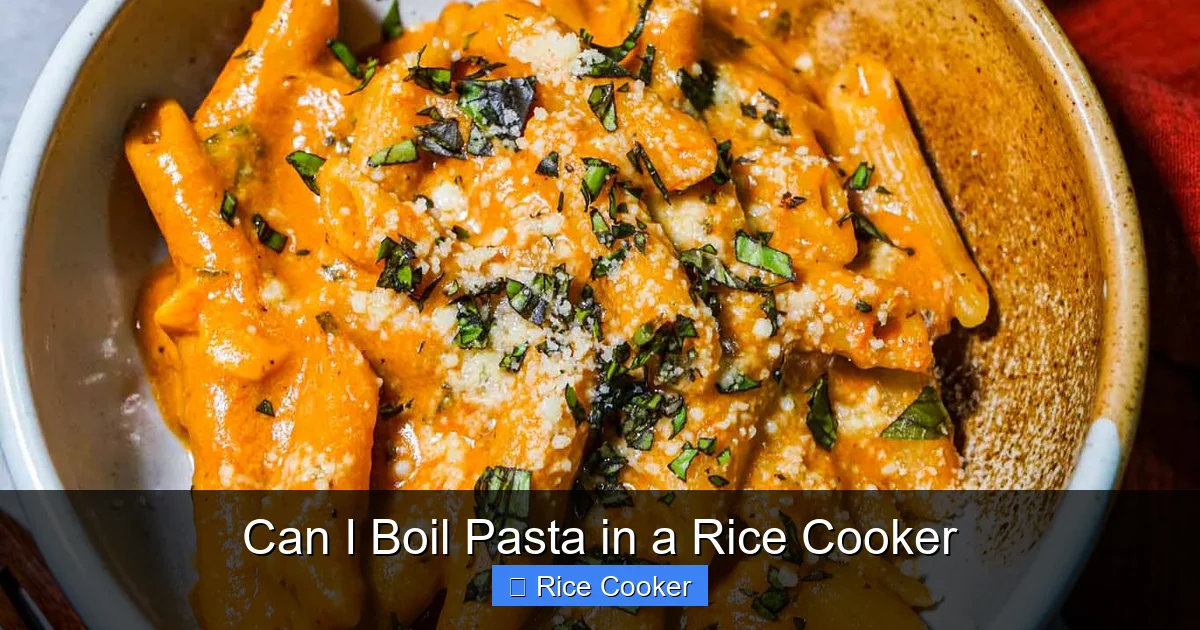
Visual guide about Can I Boil Pasta in a Rice Cooker
Image source: nomadette.com
Time-Saving Convenience
One of the biggest reasons people turn to their rice cooker for pasta is convenience. Instead of waiting for a large pot of water to boil, then constantly stirring to prevent sticking, you can add everything at once and walk away. Once the water reaches its target temperature, the rice cooker keeps it steady—perfect for simmering pasta gently and evenly.
Imagine making a quick dinner after a long day. You toss in elbow macaroni, a pinch of salt, and some olive oil, press “Cook,” and go check your email. Fifteen minutes later, you return to perfectly cooked noodles ready to be tossed with sauce. That’s the magic of using a rice cooker for pasta.
Energy Efficiency
Cooking pasta on the stove requires a lot of energy to heat a large volume of water. A rice cooker uses significantly less power because it doesn’t need to boil a huge amount of liquid—especially if you’re using a smaller batch. Plus, since the rice cooker retains heat well, it keeps the water hot without constant reheating, making it an eco-friendly option.
Less Mess and Fewer Pots to Clean
Boiling pasta usually means dealing with a large, heavy pot, a colander, and possibly splattered stovetop. With a rice cooker, everything happens in one compact, non-stick bowl. After cooking, you just drain the water through the built-in steam vent or lift the lid carefully. No more wrestling with colanders or scrubbing burnt-on starch off a pot.
What Kind of Rice Cooker Works Best for Boiling Pasta?
Not all rice cookers are created equal when it comes to boiling pasta. Here’s what to look for if you plan to use this method regularly:
High Water Capacity Models
Choose a rice cooker with at least a 5-cup (1.2-liter) inner pot. This allows room for pasta to expand and move freely without clumping. Smaller models may struggle with larger batches or pasta types that swell a lot, like fusilli or rotini.
Non-Stick Inner Pot
A smooth, non-stick surface prevents pasta from sticking together and makes cleaning a breeze. Avoid aluminum pots unless they’re coated with a durable enamel or Teflon layer.
Steaming and Keep-Warm Functions
While you won’t be steaming the pasta directly (that’s different), having a keep-warm function lets you pause cooking or serve warm pasta immediately after draining. Some advanced models even offer “soup” or “porridge” settings—great for creamy sauces or instant noodle dishes.
Automatic Shutoff Safety Feature
This is crucial. If your rice cooker turns off automatically once the water evaporates or the pasta is done absorbing moisture, you’ll avoid burning or drying out your dish. Always opt for models with safety sensors that detect low water levels.
Step-by-Step Guide: How to Boil Pasta in a Rice Cooker
Ready to try it? Follow these simple steps for foolproof results every time.
Step 1: Measure Your Ingredients
Start by measuring your pasta. A general rule is use 2 cups of water for every 1 cup of dry pasta. This 2:1 ratio ensures enough liquid to cook the pasta without overflowing. For example, if you’re making 1 cup of penne, use 2 cups of water.
Pro tip: Add a pinch of salt—about 1 teaspoon per 2 cups of water—to season the pasta while it cooks. Avoid adding oil to the water; it doesn’t help prevent sticking and can interfere with sauce adhesion later.
Step 2: Add Water and Pasta to the Rice Cooker
Fill your rice cooker with the measured water. Then add the dry pasta directly into the pot. Give it a gentle stir so the noodles don’t stick together initially.
Note: Do not add sauce or butter yet—they should go in after cooking, not during boiling.
Step 3: Close the Lid and Set the Timer
Close the lid securely and select the “Cook” or “Rice” setting. Most rice cookers will cycle between heating and warming phases. Let it run until the pasta is tender.
Cooking times vary depending on pasta shape and rice cooker model. As a starting point:
- Elbow macaroni: 8–10 minutes
- Spaghetti: 9–11 minutes
- Rigatoni: 10–12 minutes
- Fusilli or rotini: 10–14 minutes
Check your specific pasta package for guidance, then adjust based on your experience.
Step 4: Test for Doneness
After the cycle ends, open the lid and taste a piece. It should be al dente—firm to the bite but not crunchy. If it’s still too firm, close the lid and let it sit for another 2–3 minutes. The residual heat will finish cooking it.
Step 5: Drain Excess Water
Once your pasta is ready, remove the inner pot from the base. Carefully tilt it over a sink or large bowl and lift the lid slightly to allow excess water to drain through the steam vent. Alternatively, use a slotted spoon or tongs to transfer the pasta to a colander if needed.
Don’t rinse with cold water unless you’re making cold salads—rinsing removes surface starch that helps sauces cling.
Step 6: Add Sauce and Serve
Toss your cooked pasta with your favorite sauce—marinara, Alfredo, pesto, or even olive oil and garlic. The non-stick surface makes this step easy and mess-free.
Tips for Perfect Pasta in a Rice Cooker
Even though the process is simple, small tweaks can make a big difference in texture and flavor.
Stir Occasionally During Cooking
Short pasta shapes like penne or rigatoni tend to clump together. To prevent this, open the lid every 3–4 minutes and give the mixture a gentle stir with a fork or spoon.
Don’t Overfill the Pot
Stick to the 2:1 water-to-pasta ratio. Too much pasta increases the risk of uneven cooking or overflow when draining.
Use Fresh Pasta When Possible
Dried pasta works great, but fresh pasta cooks faster and may need less time. Start checking after 6–7 minutes.
Experiment with Grains
Try whole wheat, gluten-free, or legume-based pastas. They often require slightly longer cooking times—add 1–2 extra minutes if needed.
Keep the Lid Closed
Every time you open the lid, heat escapes, which can slow down cooking. Only lift it briefly to stir or test doneness.
Save Some Water
If your recipe calls for pasta water (like for thickening sauces), reserve about ½ cup of the starchy cooking liquid before draining. Shake it into the sauce for a silky finish.
Common Mistakes to Avoid
New to this method? These pitfalls are easy to fall into—but knowing them ahead of time saves disappointment.
Adding Oil to the Water
Despite popular belief, oil in pasta water doesn’t stop sticking. In fact, it coats the noodles and can prevent sauces from adhering properly. Skip it entirely.
Using Too Little Water
If you skimp on water, the pasta may not cook evenly, and the rice cooker could trigger a dry-heat warning or burn sensor. Always follow the 2:1 guideline.
Ignoring Stirring
Without occasional stirring, especially with shorter pastas, clumps form and stick to the bottom. A quick stir every few minutes keeps things moving.
Opening the Lid Too Often
Each time you lift the lid, steam escapes and cools the environment inside. Limit lid openings to reduce cooking time variability.
Forgetting to Drain
Leaving excess water on pasta leads to soggy noodles. Always drain thoroughly before adding sauce.
Can All Types of Pasta Be Cooked This Way?
Most dried pasta shapes work well in a rice cooker, but some respond better than others.
Best Choices:
- Elbow macaroni: Classic for rice cooker cooking—short, sturdy, and quick.
- Penne and rigatoni: Great for stirring and absorbing sauce.
- Spaghetti and linguine: Long strands need careful handling to prevent tangling, but they cook evenly.
- Orzo and couscous: Tiny grains cook fast—watch closely to avoid mushiness.
Pastas to Approach Cautiously:
- Linguine fettuccine: Can tangle and stick if not stirred.
- Lasagna sheets: Usually boiled separately before assembly, but you can pre-boil them in the rice cooker.
- Fresh pasta: Cook faster; check frequently after 5–6 minutes.
Specialty Grains:
Quinoa pasta, chickpea pasta, and brown rice pasta are all viable options. Just note that denser, higher-protein pastas may take a bit longer—add 1–2 extra minutes and taste-test early.
How Does This Compare to Traditional Stovetop Boiling?
Both methods have pros and cons. Here’s how they stack up:
| Method | Pros | Cons |
|---|---|---|
| Rice Cooker | Hands-off, energy-efficient, less cleanup | Requires proper setup, limited batch size |
| Stovetop | More control, larger quantities possible | Needs monitoring, more dishes, higher energy use |
In terms of taste and texture, there’s no noticeable difference when done correctly. The key is consistent heat and adequate water—both methods provide that, just differently.
That said, rice cookers excel in convenience. If you’re already using yours for breakfast oats or lunchtime risotto, why not double duty it for dinner?
Creative Ways to Use Your Rice Cooker Beyond Pasta
Once you master boiling pasta in a rice cooker, you’ll wonder why you didn’t think of this sooner. The appliance is incredibly versatile!
Meal Prep Made Easy
Cook a big batch of quinoa pasta or brown rice noodles on Sunday. Store in airtight containers and reheat with a splash of water or broth throughout the week. No microwave needed—just toss into a pan or eat cold in salads.
Soup and Stew Bases
Many rice cookers have a “soup” setting. Use it to simmer lentils, beans, or barley with vegetables—no stovetop required.
One-Pot Meals
Combine cooked pasta with canned tomatoes, spinach, and ground meat for a quick, complete meal. Add cheese at the end for richness.
Breakfast Options
Make overnight oats or porridge in the rice cooker overnight. Morning prep becomes effortless.
Desserts?
Yes! Try rice pudding, steamed puddings, or even mochi (with the right tools). The possibilities are endless.
Final Thoughts: Is Boiling Pasta in a Rice Cooker Worth It?
Absolutely. Whether you live alone, want to save counter space, or simply enjoy the peace of a hands-off cooking method, using your rice cooker to boil pasta is a smart, efficient choice. It reduces clutter, cuts down on washing up, and delivers reliable results every time.
The learning curve is minimal. Once you get the hang of measuring water, timing, and occasional stirring, you’ll likely never go back to boiling pasta the old way. Plus, it opens the door to more creative, multi-step recipes that leverage your appliance’s full potential.
So next time you open that pasta box, don’t reach for the big pot. Lift your rice cooker lid instead—and discover a whole new world of kitchen efficiency.
Frequently Asked Questions
Can I use any type of pasta in a rice cooker?
Yes, most dried pasta shapes work well, including elbows, penne, spaghetti, and rigatoni. Short pastas may need occasional stirring to prevent clumping.
Do I need to add oil to the water when boiling pasta in a rice cooker?
No, adding oil is unnecessary and can prevent sauce from sticking to the pasta. Simply use salted water for flavor.
How much water should I use for 1 cup of pasta?
Use 2 cups of water per 1 cup of dry pasta. This 2:1 ratio ensures enough liquid for even cooking without overflow.
Will my rice cooker overflow with pasta?
Only if you exceed the recommended water-to-pasta ratio or overfill the pot. Stick to the guidelines and stir occasionally to avoid issues.
Can I cook other grains in the rice cooker along with pasta?
Not recommended. Different grains have varying cook times. It’s best to cook pasta separately unless you’re confident in timing adjustments.
Is it safe to leave the rice cooker unattended while boiling pasta?
Yes, as long as it has an automatic shutoff feature. Modern rice cookers detect low water levels and stop heating to prevent damage or fire hazards.