
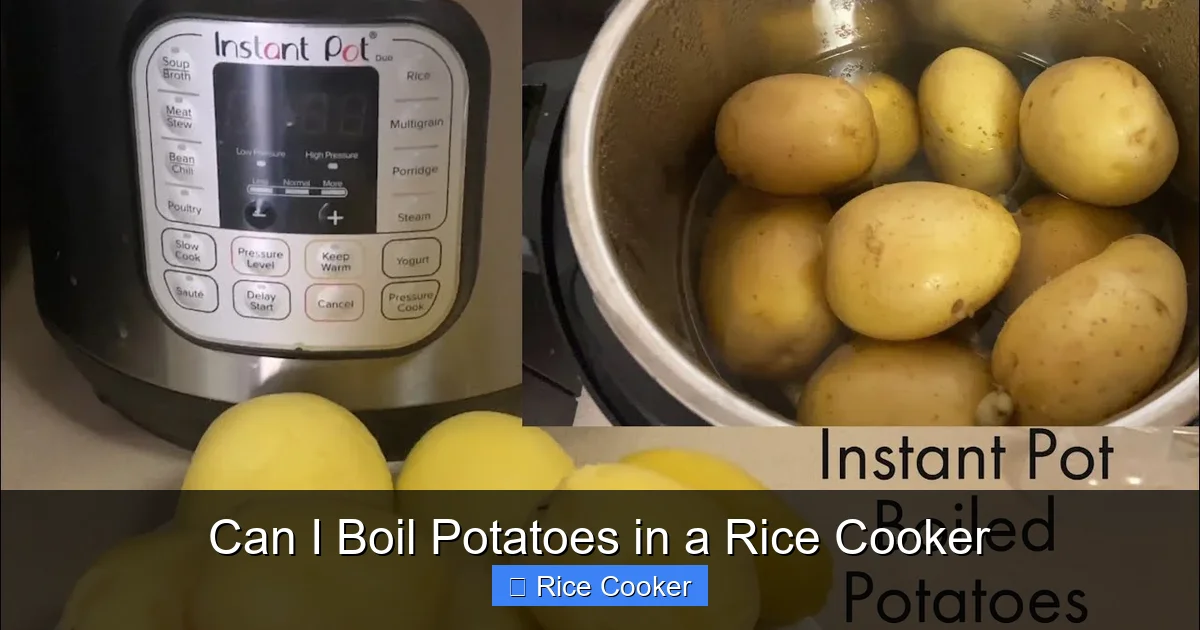
Yes, you can absolutely boil potatoes in a rice cooker! This simple kitchen trick saves time, reduces cleanup, and delivers evenly cooked results every time. Whether you’re making mashed potatoes or potato soup, your rice cooker can handle it with ease.
Key Takeaways
- Boiling potatoes in a rice cooker is easy and efficient. Just add water, toss in peeled or unpeeled potatoes, and set the timer—no stovetop required.
- You get even cooking and consistent texture. The sealed environment prevents uneven spots and ensures tender, uniform results.
- It’s a great space-saver for small kitchens. No need for a large pot or extra burners during busy meal prep.
- Perfect for meal prep and batch cooking. Cook multiple potatoes at once for soups, salads, or sides throughout the week.
- Save time on cleanup. One pot (or appliance) instead of multiple pans and utensils.
- Adjust water levels based on potato size. Larger potatoes may need slightly more water to prevent sticking.
- Always test doneness with a fork. Overcooking leads to mushy results—timing is key!
[FEATURED_IMAGE_PLACEHOLDER]
Can I Boil Potatoes in a Rice Cooker? Absolutely — Here’s How!
Imagine coming home after a long day, craving a warm, fluffy side dish, but you’re tired of scrubbing a big pot or waiting for water to boil on the stove. Enter the humble rice cooker — a kitchen appliance many of us rely on for perfectly cooked grains, but what about other foods? Can you boil potatoes in a rice cooker? The short answer is yes — and it might just become your new favorite kitchen hack.
Using a rice cooker to boil potatoes is not only possible but practical, especially if you’re looking to save time, reduce cleanup, or make use of limited counter space. With its automated heating system and sealed lid, a rice cooker creates an ideal environment for steaming and boiling vegetables. Unlike traditional methods that require constant monitoring and stirring, your rice cooker does the work for you — delivering consistent, tender potatoes every time.
In this article, we’ll walk through everything you need to know about boiling potatoes in a rice cooker: from preparation and timing to troubleshooting and creative uses. Whether you’re a college student with a mini rice cooker or a home cook looking for smarter meal prep techniques, this guide will show you how to make the most of your appliance.
Why Use a Rice Cooker for Boiling Potatoes?
Convenience and Time-Saving Benefits
If you’ve ever boiled potatoes on the stovetop, you know how much attention it demands. You have to watch the water, stir occasionally, and hope you don’t burn the bottom or undercook the edges. A rice cooker eliminates all that hassle. Once you add water and potatoes, you simply press a button and let the machine do the rest. It’s especially helpful during busy weekdays when you want dinner ready fast without babysitting the kitchen.
Energy Efficiency
Rice cookers use less energy than keeping a pot of water simmering on the stove for extended periods. Most modern models are designed to maintain temperature efficiently, which means you’re not wasting electricity while you wait. For households trying to cut down on energy bills or reduce their carbon footprint, this is a smart, eco-friendly choice.
Consistent Cooking Results
One of the biggest advantages of using a rice cooker is consistency. The enclosed environment ensures even heat distribution, so every potato cooks at the same rate. No more worrying about one piece being too soft while another is still hard. This uniformity is especially useful when making large batches for meal prep or feeding a crowd.
Reduced Cleanup
Cleanup after boiling potatoes usually involves scrubbing a heavy pot, washing lids, and dealing with stuck-on starch. With a rice cooker, you’re working with just one appliance. After cooking, simply rinse the inner pot — no soaking or scraping required. That alone makes it worth the switch!
Space-Saving Solution
If you live in a small apartment or share a kitchen with roommates, every inch counts. A rice cooker takes up far less space than a large stockpot and doesn’t block access to the stove. This makes it ideal for dorm rooms, tiny homes, or anyone who wants to keep their kitchen clutter-free.
Versatility Beyond Grains
Many people think rice cookers are only for rice, but they can do so much more. From steaming dumplings to making oatmeal, soups, and even baked goods like cakes and breads, these appliances are surprisingly versatile. Boiling potatoes is just one of many creative uses — and it’s proof that your rice cooker is underused.
Step-by-Step Guide: How to Boil Potatoes in a Rice Cooker
Gather Your Supplies
Before you begin, make sure you have everything you need:
- A standard rice cooker with a removable inner pot
- Potatoes (any variety — russet, Yukon Gold, red, etc.)
- Water
- Knife and cutting board (if peeling or slicing)
- Optional: salt, herbs, or butter for flavor
Prepare the Potatoes
Start by washing your potatoes thoroughly under running water. While some recipes suggest leaving the skin on for extra nutrients and texture, peeling is fine if you prefer smoother mashed potatoes. Cut them into uniform pieces — about 1 to 1.5 inches thick — to ensure even cooking. Avoid overly large chunks, as they may take longer to soften.
Add Water to the Rice Cooker
Fill the inner pot with enough water to cover the potatoes by about 1 to 2 inches. Too little water risks burning or uneven cooking; too much extends cooking time unnecessarily. A good rule of thumb is to use roughly twice the volume of potatoes in water.
Place Potatoes in the Cooker
Gently place the potato pieces into the water. Don’t overcrowd the pot — leave some space around each piece so steam can circulate freely. If needed, use a spoon or fork to nudge them apart slightly.
Set the Timer and Start Cooking
Close the lid securely and select the “Cook” or “White Rice” setting — this mimics the boiling process. Most rice cookers will automatically cycle between heating and warming phases. Let the machine run until the potatoes are fork-tender. Total time typically ranges from 25 to 40 minutes, depending on size and type of potato.
Test for Doneness
Once the rice cooker switches to “Warm,” carefully lift the lid and test one potato with a fork. If it slides in easily, they’re done. If not, close the lid and let them cook for another 5–10 minutes before checking again. Overcooking can lead to mushy textures, so timing matters.
Drain and Serve
Turn off the rice cooker and carefully pour out the hot water using a strainer or colander. Discard the water (it’s full of starch and won’t be reused). Your potatoes are now ready to be mashed, added to soups, or eaten whole as a side.
Tips for Perfectly Boiled Potatoes in a Rice Cooker
Use Cold Water for Better Texture
Instead of adding hot tap water, start with cold. This helps the potatoes heat gradually, reducing the risk of splitting or becoming gummy. It also ensures more even internal cooking.
Add Salt Early
Salt affects water’s boiling point slightly, but more importantly, it seasons the potatoes from the inside out. Add a teaspoon of salt per quart of water for balanced flavor.
Don’t Skip the Soak (Optional)
For crispier skins or firmer texture (great for salads), soak sliced potatoes in cold water for 15–30 minutes before cooking. This removes excess starch and prevents cloudiness in dishes like potato salad.
Try Different Varieties
Russet potatoes absorb water well and become fluffy when mashed. Yukon Golds stay creamy and buttery. Red potatoes hold their shape best for roasting or salads. Choose based on your recipe needs.
Keep the Lid Closed
The rice cooker works by trapping steam. Leaving the lid open disrupts the cycle and lengthens cooking time. Always keep it sealed during the active cooking phase.
Experiment with Flavors
Enhance your potatoes by adding bay leaves, garlic cloves, or sprigs of thyme to the water. These infuse subtle flavors without complicating cleanup.
Store Leftovers Properly
Cooked potatoes last 3–5 days in the refrigerator if stored in an airtight container. They can also be frozen for up to 3 months — just reheat gently in the microwave or rice cooker with a splash of water to restore moisture.
Troubleshooting Common Issues
Potatoes Are Still Hard
This usually happens if the potatoes are too large, the water level was too low, or the rice cooker didn’t reach full heat. Next time, cut pieces smaller, increase water by half an inch, and ensure your appliance is functioning properly.
Potatoes Are Too Soft or Mushy
Overcooking is the main culprit. Rice cookers often overheat after switching to “Warm.” Set a timer and check frequently after the estimated time. Remove potatoes immediately once they’re tender.
Water Evaporates Completely
Some older models lose water faster than others. Keep a close eye during the first 15 minutes, and add a tablespoon of water if the level drops below the potato tops.
Sticking to the Bottom
To prevent scorching, stir once halfway through cooking (gently, using tongs or a fork). Alternatively, line the bottom with parchment paper or lightly grease it with oil.
Rice Cooker Doesn’t Heat Up
Check if the power cord is plugged in and the heating plate is clean. Dust or food residue can block heat transfer. Clean regularly for optimal performance.
Cooking Times for Different Types of Potatoes
| Potato Type | Cut Size | Cooking Time |
|---|---|---|
| Russet | 1–1.5 inches | 30–35 minutes |
| Yukon Gold | 1 inch | 25–30 minutes |
| Red Potatoes | ¾ inch | 20–25 minutes |
| Sweet Potatoes | 1 inch | 35–40 minutes |
| Baby Potatoes (whole) | Whole, scrubbed | 25–30 minutes |
Note: Always adjust times based on your specific rice cooker model and altitude. High altitudes may require longer cooking due to lower boiling points.
Creatively Using Boiled Potatoes from Your Rice Cooker
Mashed Potatoes
Drain the cooked potatoes and return them to the warm rice cooker (still off). Mash with butter, milk, salt, and pepper using a potato masher or fork. For creamier results, use a hand mixer or stand mixer. The residual warmth helps incorporate fats smoothly.
Potato Soup Base
Cook diced potatoes with onions, celery, and broth in the rice cooker. Blend until smooth for a quick, hands-off soup. Add cheese, chives, or smoked paprika for extra flavor.
Loaded Baked Potatoes
Bake whole russet potatoes in the rice cooker by placing them directly in the dry inner pot (no water needed). Set to “Cook” mode for 45–60 minutes. Pierce with a fork when done — they should yield easily. Top with sour cream, bacon bits, cheese, or chili.
Potato Salad Prep
Vegan or Dairy-Free Options
Is It Safe to Boil Potatoes in a Rice Cooker?
Yes — as long as your rice cooker is designed for wet cooking (most are). The inner pot is made of heat-resistant materials like aluminum or stainless steel, and the sealing lid prevents leaks. However, never use it for frying or sautéing without oil, as this can damage non-stick coatings.
Also, always follow manufacturer guidelines regarding water levels and cooking durations. Overfilling may cause overflow during boiling, which can short-circuit the unit.
Comparing Rice Cooker vs. Stovetop Boiling
| Method | Time | Effort | Cleanup | Consistency |
|---|---|---|---|---|
| Rice Cooker | Moderate | Low | Very Easy | High |
| Stovetop | Variable | High | Harder | Medium |
While stovetop boiling gives you more control over heat levels, it requires active supervision. The rice cooker offers peace of mind — perfect for multitasking or cooking while doing other chores.
Frequently Asked Questions
Can I boil sweet potatoes in a rice cooker?
Absolutely! Sweet potatoes work beautifully in a rice cooker. They take slightly longer than regular potatoes — about 35–40 minutes — and result in a naturally sweeter, softer texture. Just cut them into similar-sized pieces and follow the same steps.
Do I need to peel the potatoes before boiling them?
No, peeling is optional. Leaving the skin on adds fiber and nutrients, and it’s fine for most recipes like soups or casseroles. Peel only if you prefer smoother textures, such as for mashed potatoes.
Can I reuse the cooking water?
Not recommended. The water becomes starchy and cloudy after boiling potatoes. While it’s safe to drink in small amounts, it’s better used for thickening gravies or discarded. Reusing it defeats the purpose of easy cleanup.
What if my rice cooker has a “Steam” function instead of “Cook”?
You can still use it! Add water and potatoes, then select “Steam.” It will heat the water to boiling indirectly. Cooking time may increase slightly, so monitor closely. Some newer models even have dedicated vegetable settings.
Can I cook other root vegetables in the same batch?
Yes! Carrots, parsnips, turnips, and even green beans can be boiled alongside potatoes. Just adjust cooking times — carrots may need 10–15 extra minutes. Layer denser veggies at the bottom for best results.
Will this method work with electric kettles or slow cookers?
Electric kettles aren’t suitable because they boil water only and don’t sustain heat. Slow cookers can work, but they cook much slower (4–6 hours on low). A rice cooker strikes the best balance between speed, convenience, and texture.
Conclusion: Make the Most of Your Kitchen Tools
Boiling potatoes in a rice cooker isn’t just a clever trick — it’s a practical solution for everyday cooking challenges. Whether you’re preparing a quick side dish, building a hearty soup base, or meal prepping for the week, this method saves time, energy, and effort. Plus, it opens up new possibilities for using appliances you already own.
Next time you reach for the stovetop, consider giving your rice cooker a try. With the right technique and a few simple tips, you’ll discover how versatile and reliable it really is. And who knows? You might find yourself boiling more than just potatoes — carrots, beans, even pasta — all thanks to one handy kitchen gadget.
So go ahead: grab those potatoes, fire up your rice cooker, and enjoy perfectly cooked results without the fuss. Your future self (and your clean sink) will thank you.
This is a comprehensive guide about can i boil potatoes in a rice cooker.
Key Takeaways
- Understanding can i boil potatoes in a rice cooker: Provides essential knowledge
Frequently Asked Questions
What is can i boil potatoes in a rice cooker?
can i boil potatoes in a rice cooker is an important topic with many practical applications.