
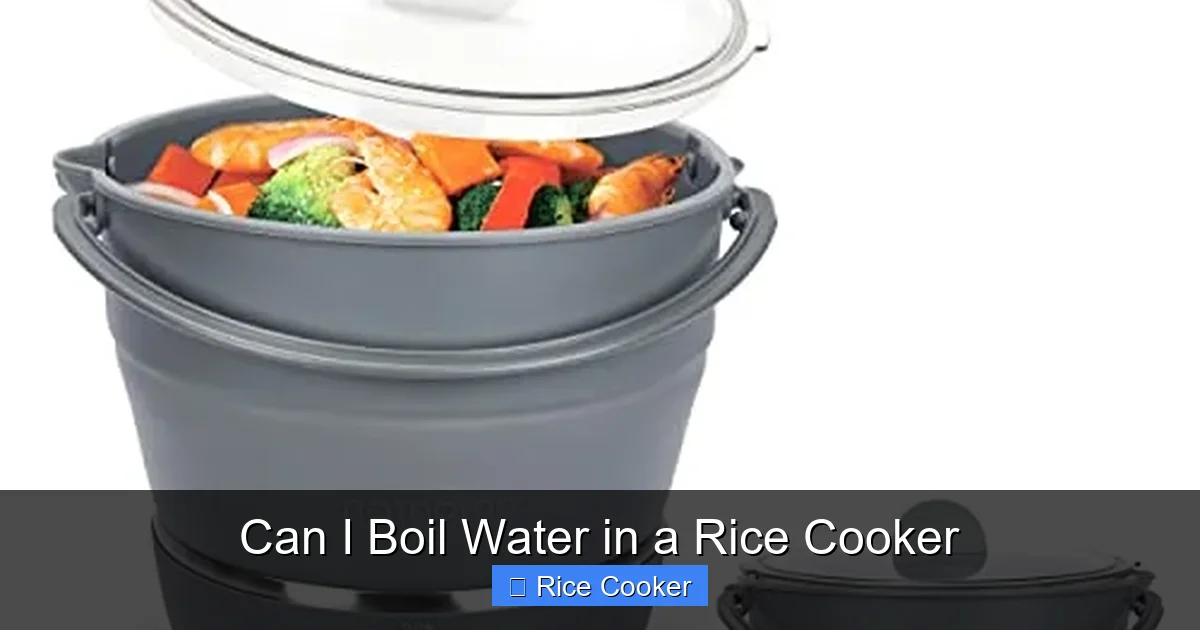
Can I boil water in a rice cooker? Absolutely! A rice cooker isn’t just for rice—it’s a powerful, energy-efficient tool that can boil water quickly and safely. Whether you’re making instant noodles, brewing tea, or sterilizing baby bottles, your rice cooker can handle it all with ease.
Key Takeaways
- Yes, you can safely boil water in a rice cooker—its heating element and insulated design make it ideal for rapid boiling without spills or overheating.
- It’s faster and more energy-efficient than using a stovetop kettle for many tasks, especially when you need hot water for multiple uses.
- Boiling water in a rice cooker is perfect for making instant meals, steeping tea, rehydrating dried foods, or even sterilizing utensils.
- Always use the inner pot correctly—ensure it’s clean, dry, and properly seated to avoid damage or unsafe conditions.
- Not all rice cookers are created equal—check your model’s manual for specific instructions, as some may have limitations on liquid volume or usage.
- Safety first: Never leave the rice cooker unattended while boiling water, and avoid filling it beyond the recommended water level.
- Bonus tip: Use the “Keep Warm” function to maintain boiled water at safe drinking temperature for hours.
📑 Table of Contents
Introduction: More Than Just a Rice Cooker
You probably know the rice cooker as that trusty kitchen gadget that turns sticky, undercooked grains into fluffy, perfectly cooked rice with a single press of a button. But here’s a secret: your rice cooker is far more versatile than most people realize. One of the most surprising—and useful—things you can do with it is boil water. Yes, you read that right. That same device that cooks your morning oatmeal or reheats leftovers can also bring water to a rolling boil in minutes.
Whether you’re in a hurry to make instant ramen, steep a cup of herbal tea, or sterilize baby bottles, boiling water in a rice cooker offers speed, convenience, and energy savings. Unlike electric kettles or stovetop burners, rice cookers are designed to heat liquids evenly and safely within their insulated inner pots. Plus, they often come with features like automatic shut-off and keep-warm functions, making them reliable for extended use.
In this article, we’ll explore everything you need to know about boiling water in a rice cooker—from safety tips and step-by-step instructions to creative uses and comparisons with other methods. By the end, you’ll see why this simple hack could become your new favorite kitchen trick.
Why Boil Water in a Rice Cooker?
The Convenience Factor
One of the biggest reasons people turn to their rice cooker for boiling water is convenience. Imagine this: it’s 8 a.m., and you’re craving a warm cup of coffee or tea but don’t want to wake up your roommate by turning on the stove. Simply pour cold water into the inner pot, close the lid, and press “Cook.” In just a few minutes, you’ve got boiling water ready to go. No waiting for a kettle to heat up or cleaning a messy stovetop afterward.
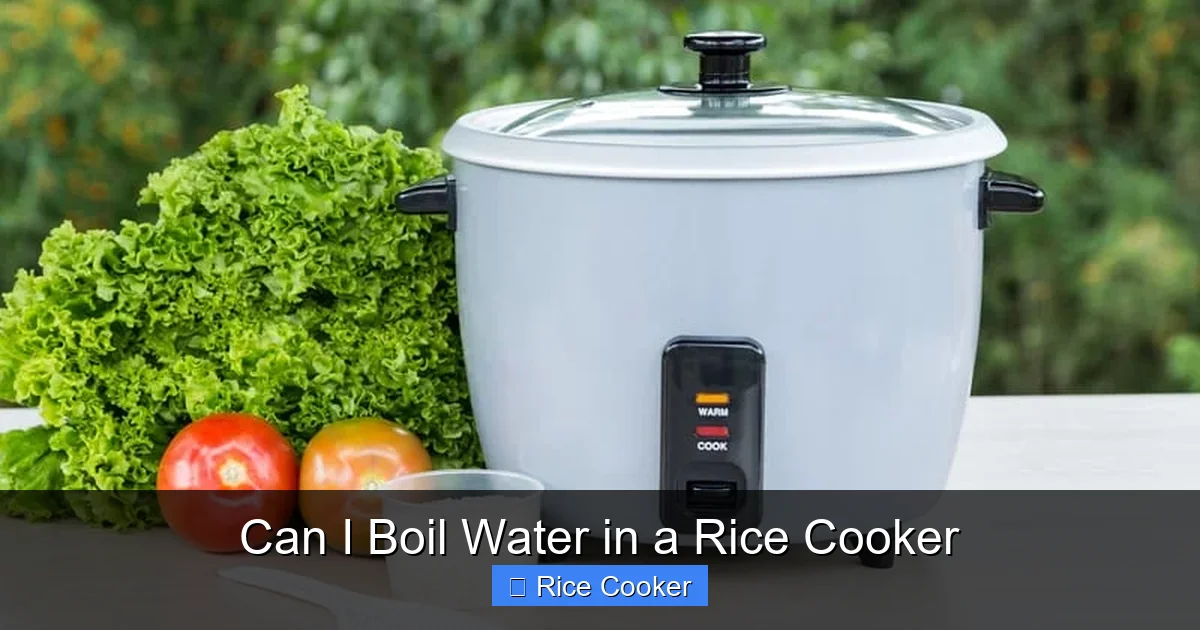
Visual guide about Can I Boil Water in a Rice Cooker
Image source: missvickie.com
This is especially helpful in small kitchens where space is limited. Many modern rice cookers are compact and stackable, making them ideal for apartments, dorm rooms, or RVs. You don’t need a separate appliance just for boiling water—your rice cooker does double duty.
Energy Efficiency Matters
Rice cookers are known for their energy efficiency. They use induction or resistance heating elements that transfer heat directly to the inner pot, minimizing energy loss. When you compare this to traditional stovetops—which lose heat to the surrounding air and require constant monitoring—rice cookers are a smarter choice for quick boiling tasks.
According to energy studies, rice cookers consume significantly less power per use than gas or electric stoves. For someone who boils water daily (say, for tea, coffee, or instant meals), switching to a rice cooker can reduce electricity bills over time. And since rice cookers automatically switch off after reaching boiling point (or once cooking is done), there’s no risk of over-boiling or wasted energy.
Safety and Control
Safety is another major advantage. Unlike open-flame stoves or electric kettles with exposed coils, rice cookers operate in a sealed environment. The insulated lid prevents splashes and reduces burn risks. Most models also include safety features like thermal fuses and auto-shutoff mechanisms that kick in if something goes wrong.
Additionally, because rice cookers control temperature precisely, you’re less likely to scorch or boil away all the water—especially important when dealing with small quantities or sensitive applications like making baby formula.
How to Boil Water in a Rice Cooker: Step-by-Step Guide
Gather Your Supplies
Before you start, make sure you have everything you need:
- A clean rice cooker with an intact inner pot
- Fresh, cold tap water (distilled or filtered if preferred)
- A measuring cup or mug
- A timer or phone stopwatch (optional but helpful)
Note: Always check the manufacturer’s guidelines before attempting any non-standard use. While most modern rice cookers support boiling water, older models might not be rated for continuous liquid heating.
Step 1: Prepare the Inner Pot
Start by removing the inner pot from the base. Give it a quick rinse under warm water to remove any dust or residue from previous use. Dry it thoroughly with a clean towel—moisture inside the pot or base can cause electrical issues.
Place the pot back into the rice cooker body, ensuring it sits flat and aligns with the heating plate below. A wobbly or misaligned pot won’t heat evenly and could damage the unit.
Step 2: Add the Right Amount of Water
Fill the inner pot with the desired amount of water. As a general rule, never exceed the maximum water line marked on the side of the pot—usually around 1 liter or 4 cups. Overfilling increases the risk of overflow during boiling, which can short-circuit the unit or create a mess.
For reference:
- 1 cup = ~200ml → enough for one mug of tea or instant meal
- 2 cups = ~400ml → suitable for two servings or small soups
- 4 cups = ~800ml → ideal for larger batches or steaming vegetables afterward
Step 3: Close the Lid and Press “Cook”
Securely close the lid, making sure it clicks into place. Then press the “Cook” button. The rice cooker will begin heating immediately. Within 3–7 minutes (depending on wattage and initial water temperature), you’ll hear a soft hum as the thermostat detects boiling.
Once boiling is detected, most rice cookers will automatically switch to “Keep Warm” mode. This keeps the water at a steady 185°F–200°F (85°C–93°C), perfect for immediate use or holding until needed.
Step 4: Use or Store Safely
Carefully lift the inner pot using oven mitts or a dry cloth (some pots get very hot). Pour the boiling water into your mug, kettle, or container. If you plan to reuse the rice cooker later, let it cool completely before handling.
To store hot water: Leave the lid slightly ajar to prevent pressure buildup, or transfer the water to a sealed thermos for longer retention.
Creative Ways to Use Boiled Water From Your Rice Cooker
Instant Noodles and Soups
If you love quick meals, your rice cooker doubles as a portable noodle cooker. After bringing water to a boil, add your favorite instant ramen or cup-a-soup. Stir occasionally and let it sit for 3–4 minutes until fully rehydrated. The residual heat from the “Keep Warm” cycle finishes the job without extra effort.
Brewing Tea and Coffee
Forget waiting for a kettle—just pour hot water from your rice cooker into your French press or teapot. For best results, use freshly boiled water (above 200°F) for black tea or coffee grounds. Herbal blends can use slightly cooler water (~185°F) to preserve delicate flavors.
Rehydrating Dried Foods
Dried mushrooms, seaweed, or fruits can be revived quickly with boiled water. Submerge them in the heated pot for 10–15 minutes, then drain and chop as needed. This method preserves texture better than microwaving.
Sterilizing Utensils and Baby Bottles
Parents often worry about germs on baby bottles. Instead of running a dishwasher cycle, simply boil bottles and nipples in your rice cooker for 5 minutes. The enclosed environment ensures thorough sanitization without exposure to harsh chemicals.
Cooking Eggs or Vegetables
Hard-boiled eggs? Place them in the inner pot with enough boiling water to cover. Let them sit for 10–12 minutes, then chill in ice water. Steamed broccoli or green beans? Drop them in after boiling and cook for 2–3 minutes until tender-crisp.
Common Concerns and Misconceptions
Will Boiling Water Ruin My Rice Cooker?
No, as long as you follow basic guidelines. Most rice cookers are built to handle boiling water—many actually use it during the rice-cooking process. However, avoid submerging the entire base or leaving standing water in the inner pot for days without rinsing. Regular cleaning prevents mineral buildup and extends lifespan.
Is It Safe to Leave Water Boiling All Day?
Generally, no. While the “Keep Warm” function is safe for short periods, prolonged boiling dries out the water and can leave behind limescale or impurities. If you need hot water throughout the day, transfer it to a thermos or insulated flask instead.
Can I Use Salted or Flavored Water?
Yes, but sparingly. Adding salt or flavorings won’t harm the machine, but excessive minerals can accelerate wear on the heating element. Stick to plain water for boiling, then season your drink or food afterward.
What If My Rice Cooker Doesn’t Auto-Shut Off?
Some older models lack smart sensors. In these cases, monitor the process closely and unplug the unit once water reaches a rolling boil. Never walk away while boiling unattended.
Tips for Optimal Performance
- Clean regularly: Wipe the exterior and rinse the inner pot after each use to prevent odors and stains.
- Use distilled water if concerned: Hard water leaves deposits; distilled avoids scaling over time.
- Preheat for faster results: Run the “Cook” button briefly with just a splash of water first—this warms the pot faster.
- Don’t block ventilation: Keep the back/sides clear so heat can dissipate properly.
- Upgrade accessories: Some brands sell specialized lids or steamers that enhance multi-use functionality.
Conclusion: Embrace the Versatility
So, can you boil water in a rice cooker? The answer is a resounding yes—and doing so opens up a world of possibilities beyond plain white rice. From saving energy and reducing clutter to enabling quick, hygienic meals, this simple hack leverages technology you already own.
Whether you’re a busy parent, a college student, or someone who enjoys efficient kitchen workflows, incorporating boiling water into your rice cooker routine can simplify daily tasks. Just remember: safety, moderation, and cleanliness go a long way in maintaining both performance and longevity.
Next time you reach for a kettle, pause and consider your rice cooker instead. You might just discover it’s the unsung hero of your kitchen—ready to boil, steam, warm, and so much more.
Frequently Asked Questions
Can I boil water in any type of rice cooker?
Most modern rice cookers can safely boil water, especially those with stainless steel inner pots. However, always consult your user manual first, as some budget or older models may not be designed for continuous liquid heating.
How long does it take to boil water in a rice cooker?
Typically 3 to 7 minutes, depending on the water temperature and wattage. Cold water takes slightly longer than room-temperature water due to lower starting heat.
Do I need to add rice before boiling water?
No. Boil plain water directly in the inner pot. Adding rice beforehand would interfere with the process and waste energy.
Is it safe to leave boiling water in the rice cooker overnight?
Not recommended. Prolonged exposure dries out water, promotes bacterial growth, and may damage internal components. Transfer hot water to a sealed container instead.
Can I use the boiled water to cook rice afterward?
Absolutely! Once boiled, you can add rice and continue cooking normally. The residual heat helps jumpstart the process.
What should I do if my rice cooker starts smoking while boiling water?
Immediately unplug the unit, open the lid, and allow it to cool. Check for burnt residue or foreign objects. If smoke persists or recurs, discontinue use and contact the manufacturer.