
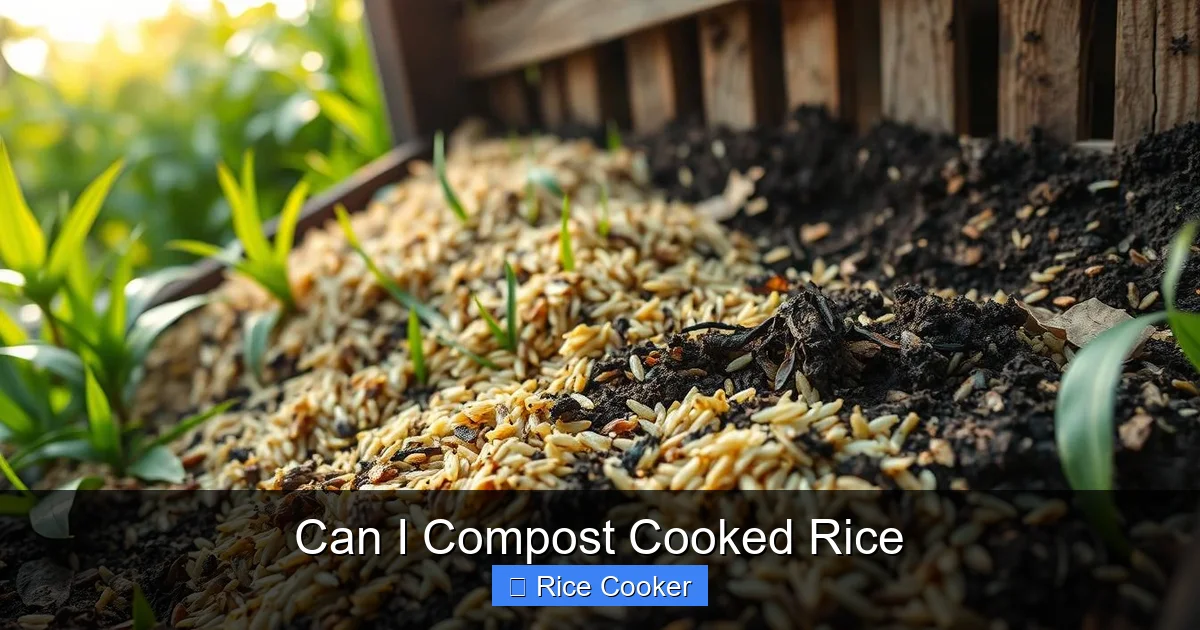
Can I compost cooked rice? Absolutely—yes! Cooked rice is a great addition to your compost pile because it’s biodegradable and breaks down easily. Just avoid adding too much at once or contaminating it with oils and fats.
With the right balance of green and brown materials, leftover rice can become valuable compost for your garden. Whether you’re using a backyard bin or a small kitchen compost system, composting rice helps reduce waste and supports sustainable living. Keep reading to learn the best practices and tips for turning your leftover rice into rich, fertile soil.
Key Takeaways
- Cooked rice is compostable: Unlike raw rice, cooked rice breaks down quickly in compost systems and adds organic matter.
- Avoid contamination: Don’t compost rice that’s been mixed with butter, oil, or sauces—these slow decomposition and attract pests.
- Balance is key: Mix cooked rice with carbon-rich “brown” materials like dry leaves or paper to maintain proper compost aeration.
- Use small amounts: Add rice gradually to prevent matting or odors in your compost pile.
- Hot composting works best: High temperatures help break down cooked starches efficiently and kill any potential pathogens.
- Kitchen composters are ideal: If space is limited, use a worm bin or electric composter to handle small batches of cooked rice safely.
- Benefits for your garden: Composted rice enriches soil, improves structure, and provides nutrients for healthy plant growth.
📑 Table of Contents
- Introduction: Turning Leftover Rice into Garden Gold
- Why Compost Cooked Rice?
- What Makes Cooked Rice Suitable for Composting?
- How to Compost Cooked Rice: Step-by-Step Guide
- Best Composting Methods for Cooked Rice
- Common Mistakes to Avoid
- Using Composted Rice in Your Garden
- Troubleshooting: What If My Compost Smells Bad?
- Conclusion: From Kitchen Scrap to Garden Treasure
Introduction: Turning Leftover Rice into Garden Gold
We’ve all been there—you cook a perfect pot of rice, only to end up with leftovers. Maybe it’s a big family dinner that didn’t go as planned, or perhaps you just overestimated how much everyone would eat. Instead of tossing that perfectly good rice into the trash, why not give it a second life? That’s where composting comes in. Composting cooked rice is not only possible—it’s beneficial.
Rice is one of the most commonly wasted foods worldwide, and when it ends up in landfills, it decomposes anaerobically, producing methane—a potent greenhouse gas. But when you compost it properly, you transform that leftover grain into nutrient-dense humus that feeds your garden. Whether you’re using a traditional outdoor bin, a vermicompost (worm) system, or a compact electric composter, cooked rice fits right in. This guide will walk you through everything you need to know about composting cooked rice, from preparation to application.
Why Compost Cooked Rice?
Before diving into the “how,” let’s talk about the “why.” Composting cooked rice offers several environmental and practical benefits.
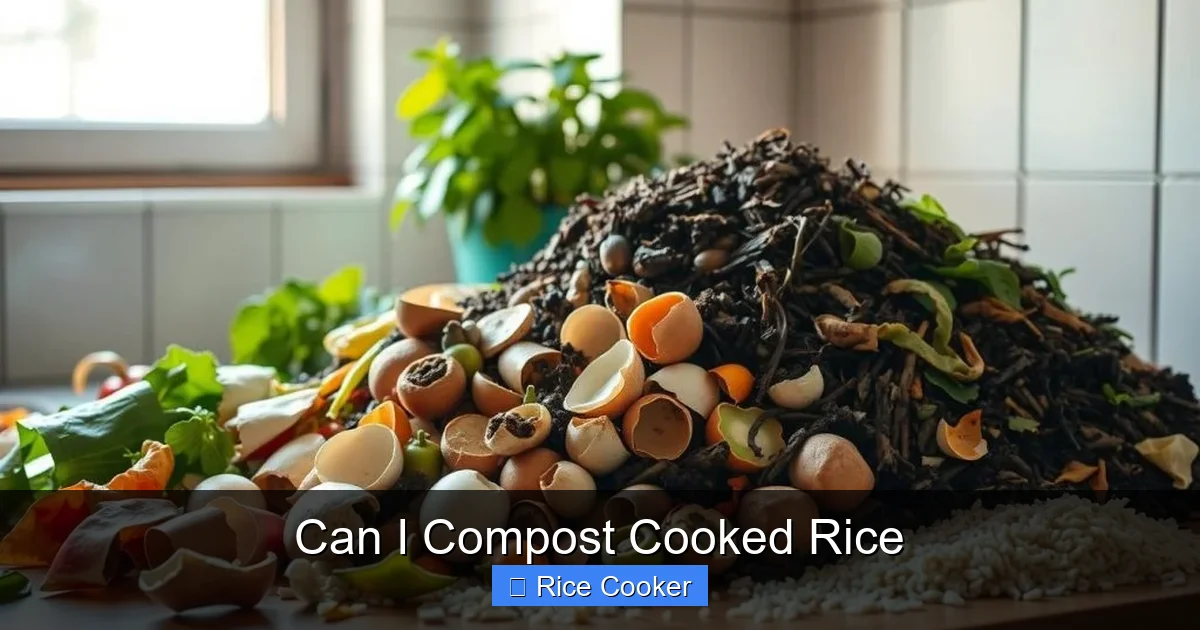
Visual guide about Can I Compost Cooked Rice
Image source: compostcharm.co.uk
The Environmental Impact of Food Waste
Every year, millions of tons of food are thrown away globally. In the U.S. alone, households discard nearly 40% of their food supply. When organic waste like rice ends up in landfills, it breaks down without oxygen, creating methane gas. Methane is 28 times more effective at trapping heat in the atmosphere than carbon dioxide over a 100-year period. By composting instead of throwing away cooked rice, you’re reducing your carbon footprint and helping fight climate change.
Nutrient-Rich Soil Amendment
Cooked rice is high in carbohydrates and breaks down into carbon, which is essential for building healthy soil structure. As it decomposes, it releases nitrogen, phosphorus, and potassium—the three primary nutrients plants crave. The result? Stronger roots, greener leaves, and better yields. Think of it as giving your garden a natural multivitamin.
Cost-Effective and Sustainable Living
Instead of buying expensive fertilizers, you can create your own free, homemade compost. Plus, composting reduces household waste and landfill dependency. It’s a small change with big rewards—for both your wallet and the planet.
What Makes Cooked Rice Suitable for Composting?
You might wonder: “Isn’t rice just starch? Can it really decompose?” Yes—and here’s why cooked rice is an excellent compost ingredient.
High Carbon Content
Rice contains complex carbohydrates, primarily in the form of amylose and amylopectin. These starches are broken down by microbes during decomposition. Cooked rice has already undergone gelatinization, meaning the starch molecules are exposed and easier for microorganisms to digest. This speeds up the composting process compared to raw grains.
Balanced Nitrogen Contribution
While rice is mostly carbon (a “brown” material), it also contributes some nitrogen as it breaks down. However, because it’s so carbon-heavy, it shouldn’t be added in large quantities without balancing it with nitrogen-rich “green” materials like vegetable scraps or grass clippings.
Biodegradability
Unlike plastics or synthetic fabrics, rice is 100% biodegradable. In the right conditions—moisture, airflow, and microbial activity—it will fully break down within weeks to months, depending on your compost system.
How to Compost Cooked Rice: Step-by-Step Guide
Ready to turn your leftover rice into black gold? Follow these simple steps for success.
Step 1: Let Rice Cool Completely
After cooking, let your rice cool to room temperature before adding it to your compost bin. Hot materials can raise the internal temperature of your pile too much, potentially killing off beneficial microbes. Plus, hot items may warp plastic bins or create steam buildup.
Step 2: Avoid Contaminants
This is crucial: never add cooked rice that’s been mixed with dairy, meat, oils, or sauces. Butter, cheese, grease, and spicy seasonings not only slow decomposition but also attract rodents, flies, and other pests. Stick to plain, cooled rice—even if it’s slightly cold or has a little moisture from steaming.
Step 3: Chop or Crumble Large Amounts
If you’re composting a full cup or more of rice, break it into smaller pieces. Smaller surface area = faster breakdown. A fork works well for crumbling clumps, especially if the rice has started to dry out or form a crust.
Step 4: Layer with Browns and Greens
Alternate layers of cooked rice (your “greens”) with dry materials like shredded newspaper, cardboard, dried leaves, or straw (your “browns”). Aim for a ratio of roughly 2 parts browns to 1 part greens. This ensures proper airflow and prevents compaction.
Step 5: Maintain Moisture and Aeration
Your compost should feel like a damp sponge—not soggy, not bone dry. Stir the pile every few days to introduce oxygen. Too little airflow leads to anaerobic conditions and foul odors; too much dries things out.
Step 6: Monitor Temperature and Timing
In hot composting systems, the pile should reach 130–160°F (54–71°C) within a few days. This heat kills weed seeds and pathogens. Depending on your setup, cooked rice may fully decompose in 2–6 weeks.
Best Composting Methods for Cooked Rice
Not all compost systems are created equal. Here’s how different methods handle cooked rice.
Traditional Outdoor Compost Bins
These work great for large batches of rice, especially if you have a backyard. Use a tumbler or open pile format. Add rice in moderation—no more than 1–2 cups per week unless you have a very active pile. Turn regularly and keep it moist.
Vermicomposting (Worm Bins)
Red wigglers love breaking down cooked rice! However, feed them only plain, uncooked rice or very lightly seasoned rice. Avoid rice mixed with spices or fats. Bury the rice under bedding material to prevent fruit flies. Worm bins process rice quickly—often within 1–2 weeks.
Electric or Indoor Composters
Compact machines like Lomi, Tero, or Homebiome are perfect for urban dwellers or small kitchens. They use heat, agitation, and microbes to break down food fast. Most accept cooked rice—just check the manufacturer’s guidelines. These units typically cycle rice in under 24 hours.
Bokashi Fermentation
Bokashi systems ferment all food waste, including cooked rice, using beneficial microbes. After fermentation, the resulting bran can be buried in soil or added to a regular compost pile. This method handles rice even if it’s oily or saucy, though it requires an extra step.
Common Mistakes to Avoid
Even with the best intentions, things can go wrong. Here are frequent pitfalls and how to fix them.
Adding Too Much at Once
Don’t dump a whole pot of rice into your bin. Overloading with starchy material causes clumping, compaction, and odor. Spread it out over time.
Skipping the Brown Materials
Rice alone creates a dense, wet layer that smothers microbes. Always mix with carbon sources like paper, cardboard, or sawdust.
Using Moldy or Spoiled Rice
Moldy rice can harbor harmful fungi. Only compost rice that looks and smells normal. If it smells sour or slimy, toss it.
Neglecting Airflow
A stagnant pile becomes anaerobic and stinky. Use a pitchfork or aerator tool weekly to fluff things up.
Expecting Instant Results
Composting isn’t magic. Give it time. Even in optimal conditions, rice won’t vanish overnight.
Using Composted Rice in Your Garden
Once your rice turns into dark, crumbly compost, how do you use it?
Top-Dressing Lawns
Sprinkle a thin layer of composted rice over your lawn in spring or fall. Water lightly to help it integrate. It improves soil texture and feeds grass naturally.
Amending Potting Mixes
Mix 10–20% composted rice into container soil for herbs, vegetables, or flowers. It boosts moisture retention and microbial activity.
Making Compost Tea
Steep mature compost in water for 24–48 hours to create a liquid fertilizer. Use it to water houseplants or garden beds.
Mulching Around Plants
Spread a few inches around tomato plants or shrubs. It suppresses weeds and slowly releases nutrients as it breaks down.
Troubleshooting: What If My Compost Smells Bad?
Odors usually signal a problem. Here’s how to diagnose and fix it.
- Smells like ammonia? You’ve added too many nitrogen-rich materials (like uncomposted rice). Add more browns and stir.
- Foul, rotten smell? Poor airflow. Turn the pile immediately and ensure drainage.
- No smell but isn’t breaking down? Too dry. Sprinkle water and mix thoroughly.
In most cases, a quick adjustment fixes the issue. Consistency is key!
Conclusion: From Kitchen Scrap to Garden Treasure
So, can you compost cooked rice? The answer is a resounding yes—and doing so makes a real difference. Every spoonful of leftover rice you divert from the trash becomes a tiny victory against food waste and climate change. With proper technique, it transforms into rich, living soil that nourishes plants, improves water retention, and reduces reliance on chemical fertilizers.
Whether you’re using a backyard heap, a worm farm, or a countertop composter, cooked rice belongs in your compost. Start small, stay consistent, and watch your garden thrive. Not only will your plants thank you, but so will the Earth.
Frequently Asked Questions
Can I compost cooked rice with the water it was boiled in?
Yes, but only if the water hasn’t been used to cook oily or fatty foods. Plain boiling water is fine—just pour it into your compost bin separately from the rice. Avoid broth-based liquids or sauces.
Is uncooked rice compostable?
Yes, but it breaks down much slower than cooked rice. It’s best used in bokashi systems or buried deeply in outdoor compost where moisture and microbes can work slowly over time.
Will composting cooked rice attract pests?
Only if contaminated with fats, meats, or dairy. Plain rice alone won’t attract rodents or flies, especially if kept balanced with browns and turned regularly.
How long does cooked rice take to compost?
In hot composting systems, it typically breaks down within 2–4 weeks. Vermicomposting may take 1–2 weeks, while electric composters do it in under 24 hours.
Can I compost rice from fried dishes?
Generally no—fried rice often contains oil, butter, or meat, which slow decomposition and attract pests. Only compost plain steamed or boiled rice.
Does composted rice improve soil health?
Absolutely. It adds organic matter, improves soil structure, increases microbial activity, and provides slow-release nutrients—making it an excellent soil amendment for gardens and lawns.