
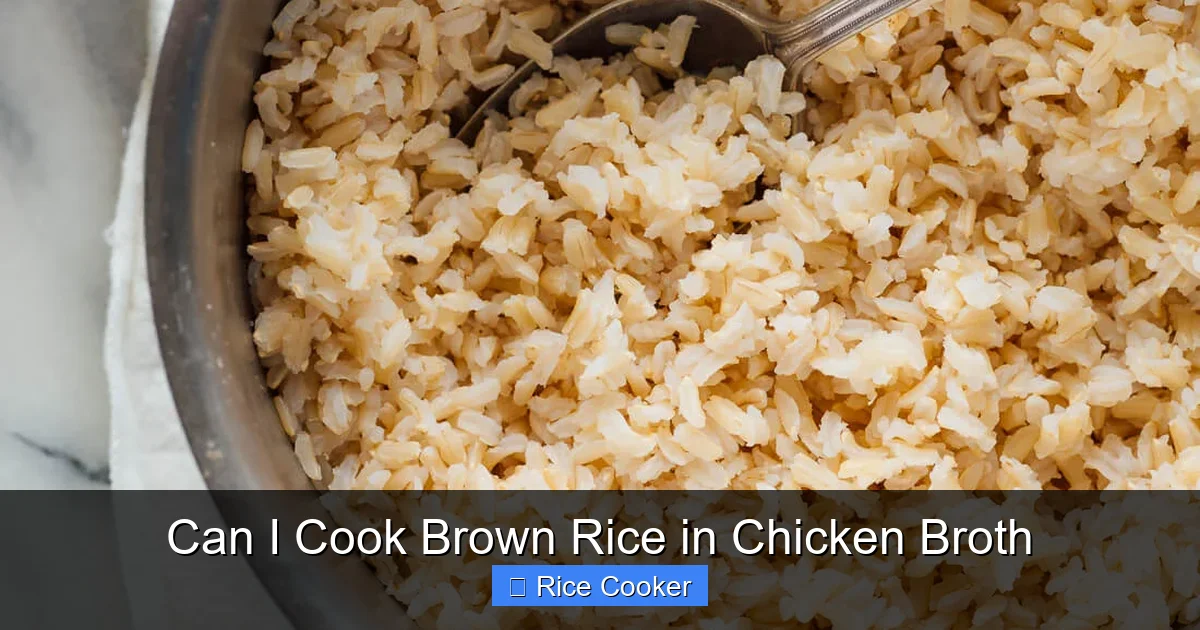
Yes, cooking brown rice in chicken broth instead of water adds depth, nutrients, and a savory twist to every grain. This method enhances flavor while preserving the rice’s natural texture and health benefits. Whether you’re meal prepping or whipping up a cozy dinner, using broth makes brown rice even more satisfying and delicious.
Key Takeaways
- Flavor Boost: Chicken broth imparts rich, savory notes that elevate plain brown rice into a flavorful side dish.
- Nutritional Upgrade: Broth adds vitamins, minerals, and collagen from simmered bones, enhancing the rice’s nutritional profile.
- Moisture Retention: Broth keeps brown rice moist and tender without making it mushy when cooked properly.
- Cooking Method Flexibility: Works in stovetop pots, rice cookers, Instant Pots, and slow cookers—ideal for busy schedules.
- Customizable Base: Use homemade or store-bought low-sodium broth to control salt and add herbs or vegetables.
- Time Management: Brown rice takes longer to cook than white rice, so plan accordingly—usually 45–60 minutes.
- Perfect Pairings: Great with roasted chicken, grilled fish, stir-fries, soups, or as a base for grain bowls.
📑 Table of Contents
Can I Cook Brown Rice in Chicken Broth? Absolutely—Here’s How
Have you ever wondered if you can cook brown rice in chicken broth? The short answer is yes—and doing so might just change how you think about rice forever. While traditional recipes call for water or broth, substituting chicken broth for water adds layers of flavor that transform a simple side dish into something truly special. Not only does it taste better, but it also boosts the nutritional value of your meal.
Brown rice is already a powerhouse grain—packed with fiber, B vitamins, magnesium, and antioxidants. But when you cook it in chicken broth, you get an extra dose of protein, minerals like potassium and phosphorus, and even gelatin from simmered bones. That means every bite supports digestion, energy levels, and overall wellness. Plus, the savory aroma alone can make even the simplest meal feel comforting and gourmet.
In this article, we’ll walk through everything you need to know: why broth works so well, how to do it right (no mushy rice!), which equipment to use, and creative ways to enjoy your newly elevated brown rice. Whether you’re a seasoned home cook or just starting out, this technique is easy to master and delivers big results.
Why Choose Chicken Broth Over Water?
The Flavor Difference Is Noticeable
Water is neutral—it doesn’t add anything to your food. Chicken broth, on the other hand, carries deep umami flavors from slow-cooked meat, bones, and aromatics like onions, carrots, and celery. When brown rice absorbs these flavors during cooking, each grain becomes infused with a rich, savory essence that complements proteins and vegetables beautifully.
Visual guide about Can I Cook Brown Rice in Chicken Broth
Image source: homemadeforelle.com
Imagine serving a plate of roasted chicken over plain brown rice versus one topped with fragrant, broth-soaked grains. The difference is night and day. Your guests will notice the subtle complexity—even if they can’t quite explain why it tastes “better.” It’s that kind of upgrade.
Nutrition Takes a Natural Leap
Chicken broth isn’t just tasty—it’s functional. Made by simmering chicken bones, cartilage, and connective tissue, broth releases collagen that breaks down into gelatin during long cooking times. Gelatin supports joint health and gut lining integrity. It’s also low in calories but high in essential amino acids.
When you cook brown rice in broth instead of water, those beneficial compounds leach into the grains. You end up with more than just carbohydrates—you’re getting a nutrient-dense foundation for balanced meals. For people following diets focused on whole foods or healing (like autoimmune protocols), this simple swap can make a meaningful difference.
Saves Time Without Sacrificing Quality
Many assume using broth requires hours of bone simmering at home. But honestly, most people already have access to quality store-bought broth—or can easily make a batch in under two hours. And once you try cooking rice this way, you’ll never go back to plain water again.
It’s especially helpful for meal prep. Cooking a large batch of brown rice in broth at the start of the week ensures every meal stays flavorful. No need to sauté onions or deglaze pans later—your rice already has built-in depth!
How to Cook Brown Rice in Chicken Broth Perfectly
Ingredients You’ll Need
- 1 cup uncooked brown rice (long-grain, medium-grain, or jasmine all work)
- 3 cups low-sodium chicken broth (homemade preferred, but store-bought is fine)
- Optional: 1 bay leaf, pinch of salt, ½ teaspoon olive oil or butter
- Optional aromatics: garlic clove, diced onion, thyme sprig
Equipment Options
You don’t need fancy tools—just one of these:
- Rice cooker: Most have a “brown rice” setting that monitors timing and heat automatically.
- Stovetop pot with lid: A heavy-bottomed saucepan works best to prevent scorching.
- Instant Pot or pressure cooker: Cuts cooking time significantly (about 25–30 minutes).
- Slow cooker: Set it and forget it—great for hands-off prep.
Step-by-Step Instructions
For Stovetop (Classic Method):
- Rinse brown rice under cold water to remove excess starch. Drain well.
- In a medium pot, combine rinsed rice, broth, and any optional seasonings.
- Bring to a boil over high heat, then reduce to low, cover, and simmer for 45–50 minutes.
- Turn off heat and let sit covered for 10 minutes. Fluff with a fork before serving.
For Rice Cooker:
- Add rinsed rice and broth to the inner bowl.
- Close lid and select the “Brown Rice” program (if available) or “Cook.”
- Wait patiently! Brown rice usually takes 50–60 minutes total.
For Instant Pot:
- Use a 1:3 ratio—1 cup rice to 3 cups broth.
- Lock lid, set valve to sealing, and press “Manual” or “Pressure Cook” for 22 minutes.
- Let pressure release naturally for 10 minutes, then quick-release remaining steam.
- Fluff gently and serve.
Pro Tips:
- Don’t stir during cooking—this releases starch and leads to clumping.
- If rice seems dry after cooking, add 1–2 tablespoons of hot broth or water and cover for 5 minutes.
- Too wet? Spread rice on a baking sheet, bake at 300°F (150°C) for 10 minutes to evaporate moisture.
Benefits of Using Broth Instead of Water
Enhanced Taste Profile
Plain brown rice can be… well, plain. But broth introduces savory, slightly sweet, and aromatic notes that make each spoonful more satisfying. Think of it like seasoning water for pasta—except here, the seasoning becomes part of the grain itself.
This is especially useful for picky eaters or children who resist healthy foods. The familiar taste of chicken makes the rice more appealing without masking its wholesome qualities.
Improved Digestibility
While brown rice is higher in fiber than white rice (which aids digestion), it can sometimes cause bloating if not prepared correctly. Broth helps because it softens the bran layer slightly during soaking and cooking, making it easier on sensitive stomachs.
Additionally, the minerals in broth (like magnesium and potassium) support digestive enzyme function and gut motility.
Cost-Effective Nutrient Boost
Instead of buying expensive supplements or specialty grains, you’re leveraging what’s already in your kitchen. A single carton of broth can enhance multiple dishes—rice, oats, quinoa, even mashed potatoes.
And if you’re making soup or stock anyway, repurpose leftover liquid for rice. Nothing goes to waste!
Supports Hydration and Sodium Balance
Low-sodium broths provide hydration benefits while still delivering flavor. Unlike processed broths loaded with MSG and preservatives, homemade versions contain real ingredients and no artificial additives.
Just remember to monitor sodium intake if you’re on a restricted diet—opt for unsalted broth and add salt sparingly.
Creative Ways to Enjoy Broth-Cooked Brown Rice
Grain Bowls Galore
Build colorful bowls with roasted vegetables, lean proteins, fresh herbs, and a drizzle of tahini or lemon vinaigrette. The broth-infused rice acts as the perfect neutral base that lets other ingredients shine.
Try: farro-style bowls with kale, chickpeas, avocado, and grilled chicken.
Stuffed Peppers & Veggie Cakes
Mix cooked rice with spices, beans, and diced veggies to stuff bell peppers or form patties. Bake until golden for a hearty vegetarian main.
Breakfast Power-Up
Serve warm rice topped with scrambled eggs, spinach, feta, and a poached egg. Add a sprinkle of turmeric and black pepper for anti-inflammatory benefits.
Asian-Inspired Dishes
Use broth-cooked brown rice as the base for fried rice, sushi bowls, or bibimbap. The umami-rich grains pair beautifully with soy sauce, sesame oil, and pickled radishes.
Meal Prep Staple
Cook a double batch on Sunday. Portion into containers for grab-and-go lunches all week. Reheat in the microwave or on the stove with a splash of broth to restore moisture.
Common Mistakes to Avoid
Using Too Much Broth
Stick to a 1:3 ratio (rice to liquid). Too much liquid leads to soggy, undercooked centers. If you must adjust, reduce broth by ¼ cup and compensate with water if needed.
Not Rinsing the Rice
Skipping this step leaves behind surface starch, which can make rice gummy. Always rinse until water runs clear.
Rushing the Process
Brown rice needs patience. Don’t open the lid too soon—it disrupts steam and extends cooking time. Trust the timer!
Ignoring Altitude Adjustments
At high elevations, water boils faster and escapes as vapor, so you may need slightly more liquid. Increase broth by 2–3 tablespoons per cup of rice if above 3,000 feet.
Over-seasoning During Cooking
While a bay leaf or garlic clove is fine, avoid heavy spices that might overpower the delicate rice flavor. Save bold seasonings for finishing touches.
Frequently Asked Questions
Does cooking brown rice in chicken broth take longer?
No—broth cooks at the same temperature as water, so timing remains consistent. However, brown rice always takes longer than white rice due to its fibrous outer hull.
Can I use vegetable broth instead?
Absolutely! Vegetable broth creates a lighter, plant-based version. Just ensure it’s low-sodium and free of excessive salt or MSG.
Will the rice absorb all the broth?
Mostly yes—but some evaporation occurs during cooking. If your rice feels dry afterward, add 1–2 tbsp of hot liquid and rest for 5 minutes.
Is it okay to reuse leftover cooking liquid?
Only if it was clean and unseasoned. Never reheat broth that’s been sitting with rice overnight, as bacteria can grow.
Can I freeze broth-cooked brown rice?
Yes! Cool completely, portion into freezer bags, and store for up to 3 months. Thaw in the fridge overnight or reheat with a splash of broth.
What if I don’t have a rice cooker?
Any covered pot works. Just monitor closely and adjust heat to maintain a gentle simmer—not a rolling boil.
Frequently Asked Questions
Does cooking brown rice in chicken broth take longer?
No—broth cooks at the same temperature as water, so timing remains consistent. However, brown rice always takes longer than white rice due to its fibrous outer hull.
Can I use vegetable broth instead?
Absolutely! Vegetable broth creates a lighter, plant-based version. Just ensure it’s low-sodium and free of excessive salt or MSG.
Will the rice absorb all the broth?
Mostly yes—but some evaporation occurs during cooking. If your rice feels dry afterward, add 1–2 tbsp of hot liquid and rest for 5 minutes.
Is it okay to reuse leftover cooking liquid?
Only if it was clean and unseasoned. Never reheat broth that’s been sitting with rice overnight, as bacteria can grow.
Can I freeze broth-cooked brown rice?
Yes! Cool completely, portion into freezer bags, and store for up to 3 months. Thaw in the fridge overnight or reheat with a splash of broth.
What if I don’t have a rice cooker?
Any covered pot works. Just monitor closely and adjust heat to maintain a gentle simmer—not a rolling boil.