
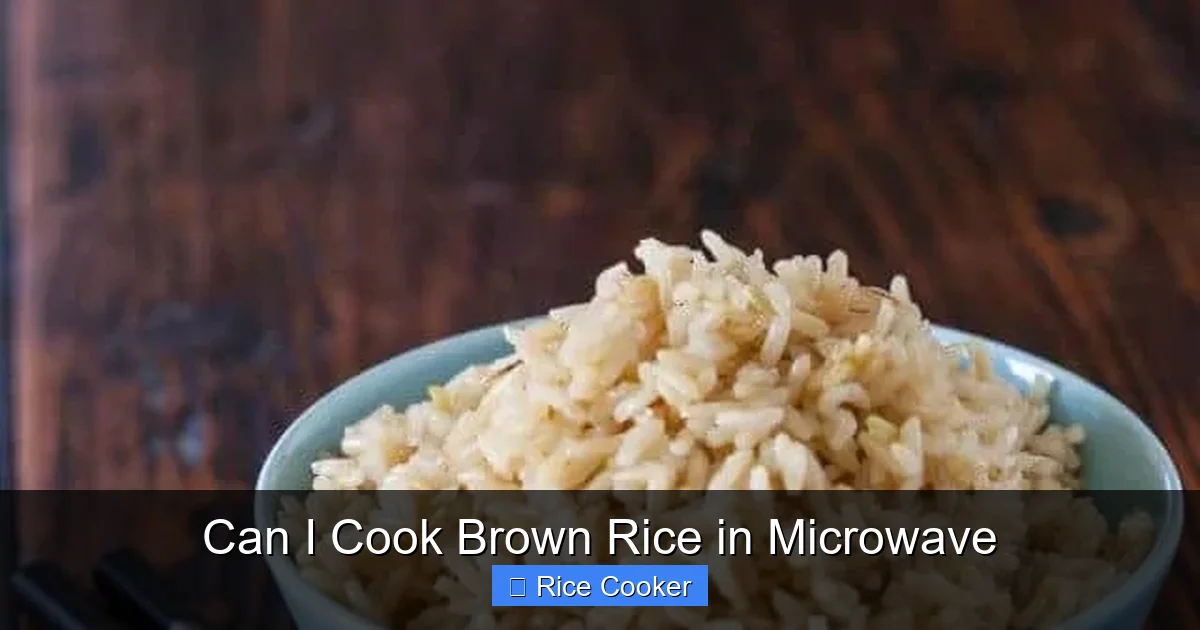
Can I cook brown rice in microwave? Absolutely! With the right technique, your microwave can produce tender, fluffy brown rice in just minutes. Unlike white rice, brown rice requires longer cooking times and proper water ratios to avoid mushiness. This guide walks you through foolproof methods, troubleshooting tips, and pro hacks so you never have to guess again.
Key Takeaways
- Yes, brown rice cooks well in a microwave. It’s faster than stovetop and uses less energy, making it ideal for quick meals.
- Proper water ratio is critical. Use 1½ to 2 cups of water per 1 cup of brown rice to prevent dry or soggy results.
- Soaking shortens cooking time. Soaking for 20–30 minutes softens the grains and improves texture.
- Covering prevents steam loss. Always use a vented lid or damp paper towel to trap steam and ensure even cooking.
- Resting after cooking matters. Let the rice sit covered for 5–10 minutes to finish steaming and absorb excess moisture.
- Experiment with seasonings. Add herbs, garlic, or broth to elevate flavor without extra effort.
- Cleanup is simple. Most methods use minimal dishes, and leftovers reheat beautifully in the microwave.
📑 Table of Contents
- Can I Cook Brown Rice in Microwave? The Definitive Guide
- Why Choose Microwave Cooking for Brown Rice?
- How to Cook Brown Rice in the Microwave: Step-by-Step Methods
- Pro Tips for Perfect Microwaved Brown Rice
- Troubleshooting Common Issues
- Elevating Your Microwaved Brown Rice
- How Long Does It Take to Cook Brown Rice in the Microwave?
- Is Microwave-Cooked Brown Rice Safe to Eat?
- Final Thoughts: Why Microwave Brown Rice Deserves a Spot in Your Kitchen
Can I Cook Brown Rice in Microwave? The Definitive Guide
Imagine this: you’re craving a healthy, fiber-rich side dish but only have 10 minutes before dinner. You reach for your bag of brown rice—only to realize you don’t have a rice cooker or pot large enough to boil it on the stove. Don’t panic! Your microwave might be the perfect solution. Yes, you can absolutely cook brown rice in the microwave, and with the right steps, it turns out fluffy, delicious, and surprisingly easy.
Brown rice is a powerhouse of nutrients—packed with fiber, magnesium, and B vitamins—but it’s notorious for being tricky to cook properly. Unlike instant rice or white rice, brown rice has a tough outer bran layer that resists rapid cooking. That’s why many people assume microwaves won’t work. But with patience and technique, microwaving brown rice is not only possible—it’s one of the fastest ways to prepare it at home.
In this complete guide, we’ll walk you through everything you need to know: from basic methods and timing to troubleshooting common issues and upgrading flavor. Whether you’re meal-prepping for the week, feeding a small family, or just want a quick side dish, mastering microwave brown rice will save you time and stress. Let’s get started!
Why Choose Microwave Cooking for Brown Rice?
The Convenience Factor
If you live in a small apartment without much kitchen space, or if you simply prefer speed over tradition, the microwave offers unmatched convenience. There’s no need to monitor a pot on the stove, scrub stuck-on rice, or worry about burning. Just measure, add water, pop it in, and wait. In under 20 minutes (depending on your method), you’ve got hot, ready-to-eat brown rice.
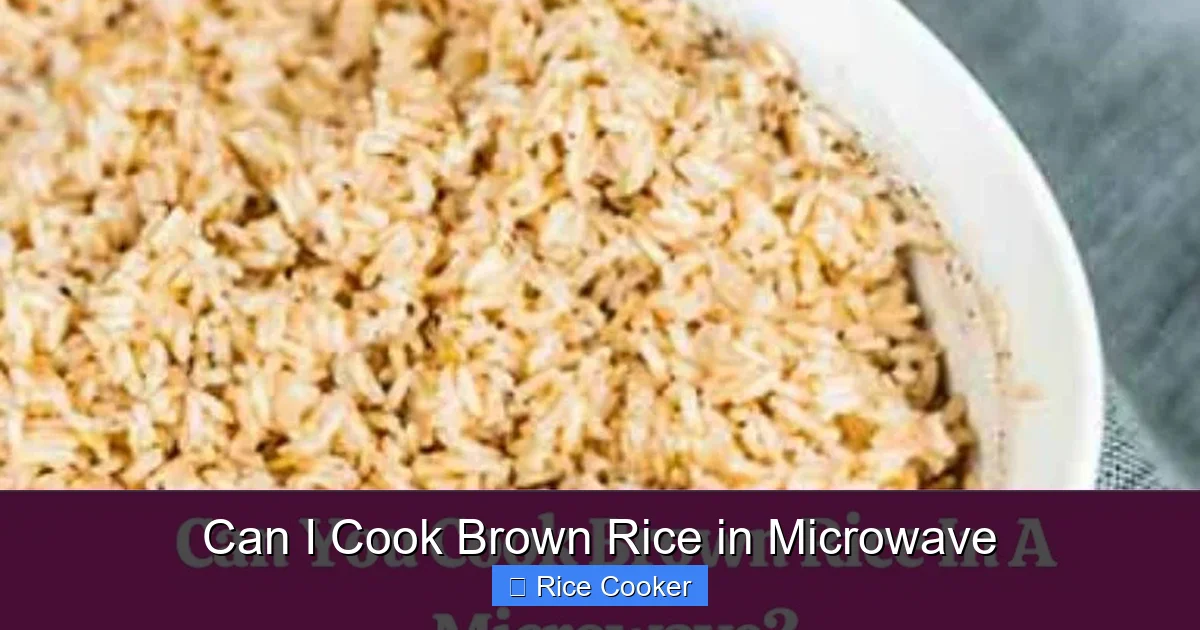
Visual guide about Can I Cook Brown Rice in Microwave
Image source: mymicrowaveguide.com
Energy Efficiency
Cooking brown rice on the stovetop typically takes 45–60 minutes of simmering. A microwave, by contrast, uses significantly less electricity. For eco-conscious cooks or those watching their utility bills, this efficiency is a big win.
Consistent Results Every Time
When done right, microwaved brown rice delivers consistent texture and doneness. No more guessing whether it’s still crunchy in the center or too mushy around the edges. With precise timing and the correct water ratio, you get reliable results.
Great for Small Batches
Unlike boiling a large pot of rice, the microwave allows you to cook just what you need—perfect for single servings or small families. Leftovers store well and reheat beautifully.
How to Cook Brown Rice in the Microwave: Step-by-Step Methods
There are several effective ways to cook brown rice in the microwave. Below are the most popular and reliable techniques, ranked by ease and success rate.
Method 1: The Basic Damp Paper Towel Method
This is the simplest approach and works great for small quantities—just one or two servings.
- Measure the rice: Use 1 cup of uncooked brown rice.
- Add water: Pour in 2 cups of cold water. Stir gently.
- Line the bowl: Place a damp paper towel at the bottom of a microwave-safe bowl. This helps retain moisture and prevents sticking.
- Microwave: Cover the bowl with another damp paper towel (vented slightly) or a microwave-safe lid. Cook on high for 15 minutes.
- Let it rest: Turn off the microwave and let the rice sit, covered, for 5 minutes. Fluff with a fork.
Tip: For even better results, soak the rice in water for 20 minutes before cooking. This shortens cooking time and improves tenderness.
Method 2: The Stovetop Simmer + Microwave Finish
This hybrid method combines the best of both worlds—fast prep with a gentle finish.
- Bring to a boil: In a saucepan, bring 2 cups of water to a rolling boil. Add 1 cup of rinsed brown rice. Reduce heat to low and simmer uncovered for 10–12 minutes.
- Transfer to microwave-safe bowl: Drain any excess water, then move the rice to a microwave-safe container. Add ¼ cup of fresh water.
- Microwave gently: Cover and microwave on high for 5–7 minutes, checking halfway through.
- Rest and fluff: Let sit for 5 minutes, then fluff before serving.
This method ensures the rice is fully cooked through while avoiding overcooking in the microwave.
Method 3: The Overnight Soak & Quick Microwave
For maximum softness and reduced cooking time, try soaking your rice overnight.
- Soak overnight: Place 1 cup of brown rice in a bowl with 2.5 cups of cold water. Refrigerate for 8–12 hours.
- Drain and rinse: After soaking, drain and rinse the rice thoroughly.
- Cook in microwave: Return rice to the bowl with 1.5 cups of fresh water. Cover and microwave on high for 12 minutes.
- Rest and serve: Let stand for 5 minutes, then fluff.
This method cuts total cooking time nearly in half and yields incredibly tender rice.
Pro Tips for Perfect Microwaved Brown Rice
Use the Right Container
Always use a microwave-safe bowl with a loose-fitting lid or vented plastic wrap. Avoid metal containers or aluminum foil—they can cause sparks and uneven heating. A glass or ceramic bowl works best.
Don’t Skip the Resting Period
Just like steamed vegetables or freshly baked bread, brown rice benefits from resting. This allows trapped steam to finish cooking the grains evenly. Skipping this step often leads to uneven texture.
Fluff Gently
A fork is your best friend. Press down gently and lift—don’t mash the rice. Mashing breaks apart the grains and ruins the fluffy texture.
Adjust Water Based on Altitude
At higher elevations, water boils at a lower temperature, which can affect cooking. If your rice is consistently undercooked, increase the water by 1–2 tablespoons per cup and extend cooking time by 1–2 minutes.
Store and Reheat Smartly
Store leftover rice in an airtight container in the fridge for up to 5 days. To reheat, add a splash of water to prevent drying out, cover, and microwave in 30-second intervals until warm.
Troubleshooting Common Issues
Problem: Rice Is Still Hard or Undercooked
Cause: Not enough water or insufficient cooking time.
Fix: Increase water to 2.5 cups per cup of rice. Try microwaving in 3-minute increments until tender. Alternatively, transfer to a pot with ½ cup water and simmer for 5–10 minutes.
Problem: Rice Is Mushy or Sticky
Cause: Too much water or overcooking.
Fix: Use less water next time. Rinse the rice thoroughly before cooking to remove excess starch. Avoid stirring during microwaving.
Problem: Uneven Texture (Some Grains Are Soft, Others Hard)
Cause: Poor distribution of water or inconsistent power levels.
Fix: Stir the rice once halfway through cooking (if safe for your container). Use a larger bowl to allow even heat distribution.
Problem: Burnt Bottom or Smoke
Cause: Using a non-microwave-safe container or too much heat.
Fix: Never microwave in metal or unapproved plastics. Lower the power setting or reduce cooking time by 2–3 minutes. Always use a vented lid to release excess steam.
Elevating Your Microwaved Brown Rice
Plain brown rice is nutritious, but it doesn’t have to be boring. With a few simple additions, you can turn a basic side into a flavorful dish.
Add Aromatics
Before cooking, toss in a bay leaf, pinch of salt, or a clove of minced garlic. These infuse subtle flavors without requiring extra steps.
Use Broth Instead of Water
Replace some or all of the water with vegetable, chicken, or mushroom broth for richer flavor. This is especially good for grain bowls or risotto-style dishes.
Try Herbs and Spices
Stir in dried thyme, cumin, turmeric, or smoked paprika for a global twist. For freshness, mix in chopped parsley or cilantro after cooking.
Make It Creamy (Optional)
After microwaving, stir in a tablespoon of coconut milk, olive oil, or butter for richness. This works especially well with jasmine or basmati brown rice.
Serve as a Base for Toppings
Pile your rice into bowls and top with roasted veggies, grilled chicken, tofu, or a fried egg. It’s a quick, balanced meal.
How Long Does It Take to Cook Brown Rice in the Microwave?
On average, microwaving brown rice takes between 15 to 25 minutes total, depending on the method:
- Basic method: 15–18 minutes
- Overnight soaked: 12–14 minutes
- Hybrid (stovetop + microwave): 15–20 minutes
Remember, microwaves vary in wattage. A 700-watt microwave will take longer than a 1000-watt model. If you’re unsure, start with shorter intervals and test for doneness.
Is Microwave-Cooked Brown Rice Safe to Eat?
Yes, microwave-cooked brown rice is completely safe—as long as you follow food safety guidelines. Always use clean utensils and containers. If the rice is left at room temperature for more than 2 hours, refrigerate promptly to prevent bacterial growth. When storing leftovers, keep them below 40°F (4°C).
Note: Unlike white rice, brown rice contains natural oils in the bran layer that can spoil faster. Store it properly and consume within 5 days.
Final Thoughts: Why Microwave Brown Rice Deserves a Spot in Your Kitchen
Cooking brown rice in the microwave isn’t just a backup plan—it’s a smart, efficient technique worth mastering. It saves time, reduces cleanup, and produces delicious results when done correctly. Whether you’re preparing a last-minute meal, packing school lunches, or building a nutrient-dense grain bowl, this method gives you control without compromise.
With a little practice, you’ll develop a feel for timing and texture. Soon, you’ll be able to adjust cooking times based on your microwave’s strength or the type of brown rice you’re using. And the best part? You’ll never have to settle for bland, overcooked rice again.
So go ahead—grab that bag of brown rice and your microwave. Your future self (and your taste buds) will thank you.
Frequently Asked Questions
Can I cook brown rice in the microwave without a rice cooker?
Absolutely. Many people successfully cook brown rice in the microwave using a bowl, paper towels, and careful timing. It’s a great alternative when you don’t have a rice cooker or stovetop space.
Do I need to soak brown rice before microwaving?
Not always, but soaking shortens cooking time and improves texture. A 20–30 minute soak or an overnight soak both work well. If you skip soaking, expect slightly longer cooking times.
What’s the best way to prevent brown rice from sticking in the microwave?
Use a microwave-safe bowl lined with a damp paper towel. This traps moisture and creates a barrier between the rice and the bowl. Also, avoid stirring during cooking to maintain separation.
Can I cook different types of brown rice in the microwave?
Yes. Brown basmati, jasmine, wild rice blends, and organic brown rice all work. Adjust cooking time slightly based on grain length—long-grain may need a bit more water and time.
How do I reheat microwaved brown rice?
Add a splash of water to the rice, cover, and microwave in 30-second bursts until heated through. Stir between intervals to distribute heat evenly.
Is microwave-cooked brown rice as nutritious as stovetop or rice cooker versions?
Yes. The nutritional content remains virtually unchanged regardless of cooking method. All vitamins and minerals are preserved as long as the rice is cooked fully and stored properly.