
Can I cook an egg in a rice cooker? Absolutely! This simple method uses steam and heat from your rice cooker to cook eggs quickly and evenly—no stovetop needed. Whether you’re making a quick breakfast, meal-prep lunch, or just testing kitchen gadgets, this trick is a game-changer. It’s easy, mess-free, and works with most rice cooker models.
Key Takeaways
- Yes, you can cook eggs in a rice cooker: It’s a safe and effective way to prepare eggs without direct heat or supervision.
- Different cooking methods work: From soft-boiled to scrambled and even poached eggs, your rice cooker has got you covered.
- No special equipment needed: Use common household items like jars, bowls, or silicone molds to create the perfect shape.
- Saves time and energy: Cook multiple eggs at once while your rice cooker handles other tasks like making oatmeal or grains.
- Perfect for meal prep: Hard-boil a dozen eggs in bulk for salads, toast, or snacks throughout the week.
- Safety first: Always use oven mitts and handle hot accessories carefully to avoid burns.
- Experiment with flavors: Add herbs, cheese, or spices inside the container for flavor-packed eggs every time.
📑 Table of Contents
- Introduction: The Surprising Power of Your Rice Cooker
- How Does Cooking Eggs in a Rice Cooker Work?
- Cooking Methods: How to Make Different Types of Eggs
- Tools and Containers You’ll Need
- Step-by-Step Guide: Your First Rice Cooker Egg
- Tips for Perfect Results Every Time
- Common Mistakes to Avoid
- Creative Ways to Use This Trick
- Is It Safe to Cook Eggs in a Rice Cooker?
- Final Thoughts: Why You’ll Love This Hack
Introduction: The Surprising Power of Your Rice Cooker
Have you ever been staring into your rice cooker, wondering what else it can do? You know it cooks rice, maybe some quinoa or steamed veggies, but eggs? That’s right—your humble kitchen appliance might be more versatile than you think. So, can I cook an egg in a rice cooker? The answer is a resounding yes—and not just one kind of egg.
From soft-boiled eggs with runny yolks to fluffy scrambled eggs and even poached beauties, your rice cooker can handle it all. No need to stand over a hot stove, babysit a pot of water, or deal with splattered countertops. With just a few minutes and basic kitchen tools, you can turn your rice cooker into an egg-making machine. Whether you’re a busy parent, a college student, or someone who loves experimenting in the kitchen, this technique will save you time, reduce cleanup, and open up new breakfast possibilities.
In this article, we’ll walk you through everything you need to know about cooking eggs in a rice cooker—from the science behind how it works to step-by-step instructions for different egg styles. We’ll also share pro tips, safety reminders, and creative ways to use this handy trick. Ready to unlock the full potential of your rice cooker? Let’s crack into it!
How Does Cooking Eggs in a Rice Cooker Work?
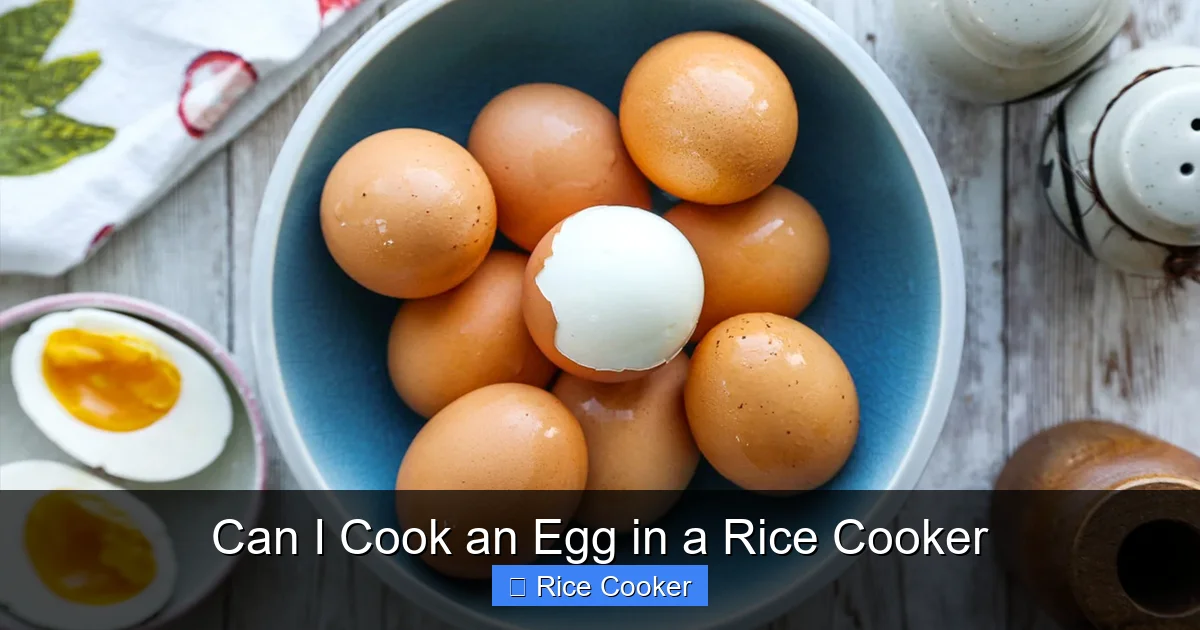
Visual guide about Can I Cook an Egg in a Rice Cooker
Image source: recipes.net
At first glance, it might seem odd—how can something designed to cook grains also cook eggs? But here’s the magic: your rice cooker creates a consistent, moist environment using steam and gentle heat. When you add water to the inner pot and plug in the appliance, it heats up and generates steam, which circulates around your egg container. This steam gently cooks the egg without direct contact with boiling water.
The key is indirect heating. Unlike boiling eggs where the shell touches hot water, your egg sits in a sealed or covered container floating above the water. This prevents cracking and keeps the egg intact. Most rice cookers have a “steam” or “warm” setting that maintains a steady temperature around 180–212°F (82–100°C), which is ideal for cooking eggs without scrambling them.
This method is especially effective because eggs are sensitive to sudden temperature changes. The slow, even heat of the rice cooker mimics the gentle simmer of a bain-marie (water bath), resulting in perfectly textured eggs every time.
The Science Behind the Steam
Eggs are mostly protein, and when heated, those proteins denature and coagulate, turning the egg from liquid to solid. The speed and temperature of this process determine the final texture. Too high, and the egg turns rubbery; too low, and it stays raw.
Your rice cooker’s steam does this job gently. Think of it like a slow cooker—consistent, controlled heat does the work. Because the egg isn’t submerged, it doesn’t absorb excess water, keeping it tender and juicy. Plus, the enclosed space traps moisture, creating a mini greenhouse effect that helps the egg cook evenly from top to bottom.
Cooking Methods: How to Make Different Types of Eggs
Now that we’ve established that cooking eggs in a rice cooker is not only possible but reliable, let’s explore the different ways you can do it. Each method requires slightly different preparation, but all use the same core principle: steam + time = delicious egg.
Soft-Boiled Eggs (Perfect for Toast)
Want a runny yolk for dipping bread or rice? Soft-boiled eggs are your best friend. And guess what—you can make them in under 15 minutes using your rice cooker.
Start by filling your rice cooker’s inner pot with about 1–1.5 cups of water. Place a trivet or small rack inside so it floats above the water level. Now, take a clean glass baby food jar (with lid) or a small microwave-safe bowl and crack one egg directly into it. Seal the lid loosely—don’t screw it on tight.
Place the jar on the trivet, close the lid of the rice cooker, and set it to “Cook” or “Steam.” After about 10–12 minutes, check the egg by gently shaking the jar. If the yolk wobbles slightly, it’s done. Let it cool for 1–2 minutes, then peel and enjoy.
Pro tip: For multiple eggs, use larger containers or silicone muffin liners. Just make sure each container has enough airspace to float freely.
Hard-Boiled Eggs (Great for Meal Prep)
Hard-boiled eggs are a pantry staple—perfect for salads, snacks, or breakfast bowls. And making them in a rice cooker? Even easier than traditional boiling.
Use the same setup as above, but increase the cooking time to 15–18 minutes. The longer steam exposure ensures the whites fully set and the yolk becomes firm but creamy. Once done, transfer the eggs to ice water to stop the cooking process and make peeling easier.
You can hard-boil six to eight eggs at once—ideal for batch cooking. Store peeled or unpeeled eggs in the fridge for up to a week.
Scrambled Eggs (Fluffy and Delicious)
Who knew your rice cooker could make restaurant-quality scrambled eggs? With the right container and timing, you can achieve that silky, custardy texture without stirring or babysitting a pan.
Crack two eggs into a heatproof ramekin or small oven-safe dish. Whisk lightly with a pinch of salt and pepper. Place a small trivet or folded paper towel in the rice cooker pot and pour in ½ cup of water. Put the dish on top, cover the rice cooker, and cook for 8–10 minutes on “Steam” mode.
The result? Fluffy, tender scrambled eggs with no dry edges. For extra flavor, stir in grated cheese or chopped chives before cooking.
Poached Eggs (No Skill Required)
Poached eggs are notoriously tricky—too much agitation, and they fall apart; too little, and they’re undercooked. But in a rice cooker, you don’t need to stir or swirl. Just follow these steps:
Crack an egg into a small cup or ramekin. Place the cup inside a larger, deeper container (like a Pyrex dish) that can float in the rice cooker. Fill the rice cooker with 1 cup of water and place the larger container on a trivet. Cover and cook for 10–12 minutes on “Steam.”
The gentle steam will wrap around the egg, creating a tender, oval-shaped poached egg with a perfectly set white and a gooey center.
Tools and Containers You’ll Need
While your rice cooker is the star, you’ll need a few simple tools to make this work safely and efficiently. Don’t worry—most of these are already in your kitchen.
Floating Containers
These are essential. You need something that can sit above the water line without touching it. Common options include:
– Glass baby food jars (with lids)
– Heatproof ramekins or ceramic dishes
– Silicone egg molds or muffin liners
– Small glass bowls with lids
Avoid metal containers unless they’re oven-safe and won’t conduct too much heat.
Trivets and Racks
A small trivet, steamer basket, or even a folded paper towel ring can elevate your container above the water. If your rice cooker has a built-in rack, that’s perfect. Otherwise, improvise with clean paper towels rolled into a cylinder.
Lids and Sealing
To keep steam in and prevent spills, seal your container with a lid. For jars, unscrew the lid slightly to allow airflow but keep it tight enough to prevent leaks. For bowls, use cling film or a plate to cover the opening.
Step-by-Step Guide: Your First Rice Cooker Egg
Feeling ready to try it? Here’s a foolproof recipe for soft-boiled eggs—the easiest entry point into rice cooker cooking.
What You’ll Need:
– 1 rice cooker with inner pot and lid
– Water
– Trivet or small rack
– Glass baby food jar with lid
– Oven mitts (for safety)
Instructions:
1. Fill the inner pot with 1 cup of cold water.
2. Place the trivet inside so it floats above the water.
3. Crack one egg into the glass jar and screw the lid on loosely.
4. Carefully place the jar on the trivet.
5. Close the rice cooker lid and plug it in.
6. Set to “Cook” or “Steam” mode and wait 10–12 minutes.
7. Turn off the rice cooker and let it sit for 2 minutes.
8. Carefully remove the jar using oven mitts.
9. Tap the egg against the side of the jar, peel, and serve.
That’s it! One perfectly cooked egg, no mess, no fuss.
Tips for Perfect Results Every Time
Like any kitchen skill, practice makes perfect. Here are some insider tips to help you master egg cooking in your rice cooker.
Use Room-Temperature Eggs
Cold eggs are more likely to crack when dropped into hot environments. Bring eggs to room temperature before cooking for safer handling.
Don’t Overfill the Pot
Too much water can lead to soggy eggs or overflow during steam release. Stick to 1–1.5 cups depending on the number of eggs.
Check Doneness Gently
After cooking, always test the egg by tapping it lightly. A soft-boiled egg should wobble; a hard-boiled one should feel firm.
Cool Immediately
Transfer eggs to ice water after cooking to stop the residual heat from overcooking them—especially important for soft yolks.
Clean Up Easily
Most containers are dishwasher-safe, and the rice cooker pot wipes clean. Avoid using abrasive scrubbers on non-stick surfaces.
Common Mistakes to Avoid
Even with the best intentions, things can go wrong. Here’s how to dodge common pitfalls.
Using Metal Containers
Metal conducts heat too well and can make eggs rubbery or burn the rice cooker’s interior. Stick to glass, ceramic, or silicone.
Overcrowding
Trying to cook too many eggs at once blocks steam circulation. Cook in batches if needed.
Not Venting Steam
Always leave a tiny gap in the lid to release excess pressure. Fully sealed containers can build up steam and cause spills.
Ignoring Safety Precautions
Never reach into a hot rice cooker without oven mitts. The steam and hot surfaces can cause serious burns.
Creative Ways to Use This Trick
Once you’ve mastered basic eggs, get creative! Try these fun variations.
Infused Eggs
Add garlic, herbs, or a splash of soy sauce to the water for flavored steam. Or mix diced ham and cheese into scrambled eggs for a savory twist.
Molecular Gastronomy Fun
Use silicone egg bombs (like those used in cooking shows) to create perfectly shaped eggs with unique textures.
Breakfast Burritos
Hard-boil eggs in bulk, chop them, and warm in a tortilla with beans and salsa for grab-and-go meals.
Dessert Eggs
Make custard-like eggs using milk and sugar in a sealed container. Sweet, creamy, and comforting.
Is It Safe to Cook Eggs in a Rice Cooker?
Absolutely. As long as you follow basic food safety guidelines, cooking eggs in a rice cooker is completely safe. The steam kills surface bacteria, and the sealed container prevents contamination. Just make sure your containers are clean and food-grade.
Also, always wash your hands before handling eggs and clean all utensils thoroughly afterward.
Final Thoughts: Why You’ll Love This Hack
So, can I cook an egg in a rice cooker? We’ve answered that—but more importantly, we’ve shown you how this simple trick can transform your daily routine. Whether you’re making breakfast for one or feeding a family, your rice cooker can now do double duty.
It’s quiet, hands-off, and energy-efficient. You can cook eggs while your rice cooker makes oatmeal, or prep hard-boiled eggs while dinner steams. It’s the ultimate multitasking tool for modern kitchens.
And the best part? No more standing over a bubbling pot. Just set it and forget it—well, almost. With a few minutes of prep and cleanup, you’ll wonder why you didn’t try this sooner.
Next time you’re craving a soft-boiled egg on toast or a fluffy scramble, skip the stove. Grab your rice cooker, some eggs, and a jar—and let the steam do the work.
Frequently Asked Questions
Can I cook multiple eggs in a rice cooker at once?
Yes, you can cook several eggs simultaneously as long as they fit safely in separate containers and don’t block steam flow. Use multiple jars or silicone molds and adjust cooking time slightly for larger batches.
Do I need a specific type of rice cooker to cook eggs?
No, any standard electric rice cooker with a removable inner pot and lid will work. The key is having enough space for steam and a way to float your egg container above the water.
How long does it take to cook a hard-boiled egg in a rice cooker?
About 15–18 minutes on “Steam” or “Cook” mode. After cooking, cool the eggs in ice water for easier peeling and to stop the cooking process.
Can I cook boiled eggs in a rice cooker without cracking them?
Yes! Using a sealed glass jar or silicone mold prevents direct contact with water, reducing the risk of cracks. Room-temperature eggs also help minimize breakage.
Are eggs cooked in a rice cooker safe to eat?
Absolutely. The high heat from steam effectively pasteurizes eggs, killing harmful bacteria. Just ensure your containers are clean and follow proper hygiene practices.
Can I make scrambled eggs in a rice cooker?
Yes! Crack eggs into a heatproof ramekin, whisk lightly, and cook on “Steam” mode for 8–10 minutes. The gentle steam creates fluffy, tender scrambled eggs without stirring.