
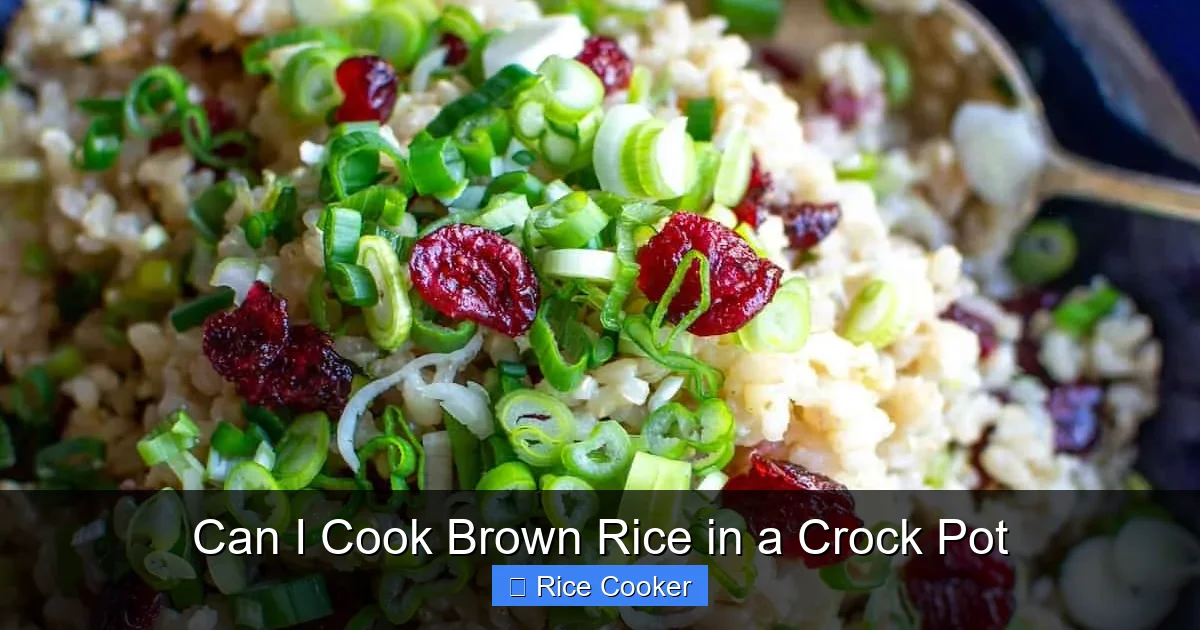
Yes, you can absolutely cook brown rice in a crock pot—it’s simple, hands-off, and yields tender, flavorful grains every time. With the right ratio of water to rice and a few timing tweaks, your slow cooker can replace your rice cooker for healthier, whole-grain meals. Whether you’re meal prepping or just craving a warm bowl of brown rice, this method delivers consistent results without constant monitoring.
Key Takeaways
- Cooking brown rice in a crock pot is possible and practical: It requires more liquid and longer cooking than white rice but produces nutritious, fluffy results.
- Use a 2:1 water-to-rice ratio: For example, 2 cups water per 1 cup uncooked brown rice ensures proper hydration and texture.
- Set your crock pot to low heat for best results: High heat can cause uneven cooking or dry spots; low and slow is ideal.
- Don’t skip the soaking step: Soaking brown rice for 30 minutes to an hour reduces cooking time and improves digestibility.
- Let it rest after cooking: A 10-minute stand time helps steam distribute evenly and prevents mushiness.
- Clean-up is easy: Non-stick crock pots simplify serving and washing; line with parchment if needed to prevent sticking.
- Experiment with flavors: Add broth, herbs, or spices during cooking for enhanced taste without extra effort.
[FEATURED_IMAGE_PLACEHOLDER]
Can I Cook Brown Rice in a Crock Pot? Yes—Here’s How!
Imagine coming home after a long day and finding a perfectly cooked, tender batch of brown rice ready to serve. No standing over a hot stove. No constant stirring. Just warm, nutty, fluffy grains waiting for your favorite toppings—avocado, sautéed veggies, grilled chicken, or a fried egg on top. Sounds dreamy, right? Well, it’s not just a dream—you can actually cook brown rice in a crock pot, and it’s easier than you might think.
Brown rice is packed with fiber, vitamins, and minerals compared to its white counterpart, making it a smart choice for health-conscious eaters. But one downside? It takes longer to cook. That’s where the crock pot shines. Using your slow cooker means you can toss in the rice, add water, hit start, and forget about it. Whether you’re meal prepping for the week or just want a stress-free dinner, this method checks all the boxes.
In this guide, we’ll walk you through everything you need to know—from the basics of ratios and timing to pro tips for achieving restaurant-quality results at home. Plus, we’ll answer common questions like “Do I really need to soak it?” and “Can I add other ingredients?” So grab your crock pot, and let’s get cooking!
Why Choose Brown Rice Over White?
Before diving into the how-to, let’s talk about why brown rice deserves a spot in your kitchen. Unlike white rice, which has been stripped of its bran and germ during processing, brown rice keeps the entire grain intact. This means it retains more nutrients, including magnesium, selenium, and B vitamins, plus a hefty dose of fiber.
Nutritional Benefits of Brown Rice
One cup of cooked brown rice provides approximately:
- 88 grams of carbohydrates
- 3.5 grams of fiber (that’s nearly double the fiber in white rice)
- 8 grams of protein
- Only 216 calories
This makes brown rice a great option for people managing blood sugar levels, supporting digestive health, or simply trying to eat cleaner. It also tends to keep you fuller longer, thanks to that high fiber content.
Common Misconceptions
Despite its benefits, many people shy away from brown rice because they believe it’s too hard to cook properly. Some assume it always turns out gummy, undercooked, or bland. But with the right technique—especially using a crock pot—you can avoid those pitfalls and enjoy consistently great results.
The Science Behind Cooking Brown Rice
Understanding how brown rice cooks helps explain why certain steps matter. Unlike white rice, which has had its outer layers removed, brown rice contains the bran layer—a tough, fibrous coating that holds moisture and resists quick absorption. This is why brown rice needs more water and longer cooking time.
Water Absorption and Gelatinization
When heated, the starch granules in rice absorb water and swell, a process called gelatinization. Brown rice takes longer to reach this stage because of its dense structure. In a crock pot, the gentle, consistent heat allows even absorption, leading to uniform texture.
Role of Soaking
Soaking softens the bran layer and jumpstarts the germination process (yes, rice does try to sprout!). This not only shortens cooking time but also enhances digestibility and nutrient availability. Think of it like marinating meat—it just makes everything better.
Essential Tools and Ingredients
You don’t need anything fancy to cook brown rice in a crock pot. In fact, most of what you’ll use is likely already in your kitchen. Here’s what you’ll need:
- A standard crock pot or slow cooker – Any size works, but a 4- to 6-quart model is ideal for single servings or small batches.
- Uncooked brown rice – Long-grain, medium-grain, or basmati all work well. Avoid instant brown rice unless specified for slow cooking.
- Filtered water or broth – Water is fine, but broth adds depth of flavor.
- Salt (optional) – A pinch enhances taste without overpowering.
- Liquid measuring cup – Accuracy matters when it comes to ratios.
Optional Add-Ons
Want to elevate your rice? Try adding:
- 1 tablespoon olive oil or butter (for richness)
- A bay leaf or sprig of thyme (for aroma)
- Diced onions or garlic (for savory notes)
- A splash of soy sauce or coconut aminos (for umami)
Step-by-Step Guide: Cooking Brown Rice in a Crock Pot
Ready to give it a try? Follow these simple steps for foolproof brown rice every time.
Step 1: Rinse and Soak the Rice
Start by rinsing your brown rice under cold running water using a fine-mesh strainer. This removes excess starch and prevents clumping. Then, place the rinsed rice in a bowl and cover it with water. Let it soak for 30 minutes to 1 hour. This softens the bran and speeds up cooking.
Step 2: Drain and Measure the Ratio
After soaking, drain the rice thoroughly. Now comes the golden rule: use a 2:1 water-to-rice ratio. That means 2 cups of water (or broth) for every 1 cup of soaked brown rice. Double or halve as needed based on your recipe size.
Step 3: Add Ingredients to the Crock Pot
Place the drained rice into your crock pot. Pour in the measured liquid. If using optional flavorings like broth, salt, or herbs, add them now. Stir gently once to distribute evenly.
Step 4: Set the Heat and Timing
Cover the crock pot and set it to low heat. Cook for 2 to 2.5 hours, depending on your model and rice variety. Long-grain rice may take closer to 2.5 hours, while shorter grains like sushi rice might be done in 2 hours.
Step 5: Rest Before Fluffing
Once the timer goes off, turn off the crock pot and let the rice sit, covered, for 10 minutes. This resting period allows steam to redistribute, yielding fluffier grains. Then, uncover and fluff with a fork.
Tips for Perfect Brown Rice Every Time
Even with the right steps, small details can make a big difference. Here are some pro tips to level up your crock pot brown rice game.
Use a Non-Stick or Ceramic Crock Pot
If your crock pot isn’t non-stick, consider lining the bottom with parchment paper before adding rice and liquid. This prevents sticking and makes cleanup a breeze—especially important since brown rice tends to cling more than white rice.
Check Doneness Without Peeking
Avoid lifting the lid during cooking—each time you do, heat escapes and extends cooking time. Instead, rely on the timer. If you’re unsure, insert a toothpick or skewer into the center. It should come out clean, not wet.
Avoid Stirring After Adding Liquid
Stirring too soon can break apart the grains and lead to a gummy texture. Wait until the final 10 minutes to stir if needed—but usually, fluffing at the end is enough.
Store Leftovers Properly
Let cooled rice come to room temperature before refrigerating. Store in an airtight container for up to 5 days. Reheat with a splash of water or broth to restore moisture.
Double the Batch for Meal Prep
Crock pots are perfect for doubling recipes. Make a big batch on Sunday, then portion into containers for weekday lunches. Brown rice reheats beautifully and stays firm when stored correctly.
Troubleshooting Common Issues
Even experienced cooks run into hiccups. Here’s how to fix the most common problems.
Problem: Rice Is Still Hard or Undercooked
This usually happens when there’s not enough liquid or the rice wasn’t soaked. Next time, increase the water slightly (try 2.25 cups per 1 cup rice) and ensure proper soaking. You can also transfer the rice to the oven at 300°F for 15–20 minutes to finish cooking.
Problem: Rice Is Mushy or Sticky
Overcooking causes mushiness. Stick to the recommended time and avoid high heat. Also, make sure you’re not opening the lid frequently.
Problem: Rice Sticks to the Bottom
This often occurs in older crock pots without non-stick coatings. Always line with parchment or use a silicone liner. You can also add a tablespoon of oil to the liquid to reduce adhesion.
Problem: Flavor Is Bland
Plain water doesn’t add much taste. Swap it for vegetable or chicken broth, or add a pinch of salt, a bay leaf, or a teaspoon of coconut aminos for depth.
Creative Ways to Serve Your Crock Pot Brown Rice
Boring brown rice? Not with these tasty ideas!
Mexican-Inspired Bowl
Sauté black beans, corn, diced tomatoes, and onions. Top with cooked brown rice, avocado slices, shredded cheese, and a dollop of Greek yogurt. Sprinkle with cumin and chili powder for extra kick.
Asian Fusion Stir-Fry Base
Use your rice as a base for stir-fried tofu, bell peppers, snap peas, and mushrooms. Drizzle with teriyaki sauce or sriracha mayo before serving.
Curry Companion
Serve warm brown rice alongside red curry, green curry, or Indian dal for a balanced, satisfying meal.
Sweet Option: Cinnamon-Rice Pudding
Replace water with milk or almond milk. Add cinnamon, a dash of nutmeg, and a sweetener like maple syrup. Cook on low for 3 hours, stirring occasionally. Top with berries or nuts.
Comparing Crock Pot vs. Rice Cooker for Brown Rice
You might wonder: “If I have a rice cooker, why bother with the crock pot?” Both appliances work, but they have distinct advantages.
Rice Cooker Pros
- Designed specifically for rice—precise temperature control
- Faster cooking time (typically 40–50 minutes)
- Automatic shutoff prevents overcooking
Crock Pot Pros
- Multi-functional—can cook stews, soups, and roasts too
- Gentle, even heat reduces risk of burning
- Great for hands-off meal prep
Which Should You Use?
If you only cook rice occasionally, a rice cooker is efficient. But if you value versatility and love slow-cooked meals, the crock pot wins. Many home cooks keep both—using the rice cooker for quick weekdays and the crock pot for weekends.
Health and Sustainability Considerations
Choosing brown rice isn’t just good for your body—it’s better for the planet too.
Environmental Impact
Brown rice production uses fewer chemical inputs than many processed foods. While rice farming does require significant water, choosing locally grown or sustainably sourced varieties can help reduce your footprint.
Meal Planning Tips
Cooking brown rice in bulk saves time and energy. Pair it with legumes for complete proteins, or mix with roasted vegetables for hearty grain bowls. Frozen brown rice is also available year-round, reducing food waste.
Final Thoughts: Embrace the Slow Cooker Revolution
Cooking brown rice in a crock pot isn’t just possible—it’s practical, delicious, and surprisingly simple. With the right ratio, a little patience, and maybe a pinch of creativity, you can transform humble grains into meals that nourish both body and soul.
Whether you’re new to slow cooking or a seasoned pro, this method proves that healthy eating doesn’t have to be complicated. Next time you’re tempted to reach for instant white rice, remember: your crock pot is ready to deliver something far superior.
FAQs
Can I cook brown rice in a crock pot without soaking it?
Yes, you can skip soaking, but it will take longer—usually 2.5 to 3 hours on low. Soaking reduces cooking time and improves texture, so it’s recommended for best results.
How much water do I use per cup of brown rice in a crock pot?
Use 2 cups of liquid (water or broth) per 1 cup of uncooked brown rice. Adjust slightly based on your rice variety and preferred consistency.
Can I add salt or seasonings to the crock pot brown rice?
Absolutely! Add a pinch of salt, herbs, or spices along with the liquid. For extra flavor, swap water for broth or add a splash of soy sauce.
What if my crock pot doesn’t have a non-stick surface?
Line the bottom with parchment paper or a silicone baking mat before adding rice and liquid. This prevents sticking and simplifies cleanup.
How long does cooked brown rice last in the refrigerator?
Properly stored in an airtight container, cooked brown rice lasts 4–5 days in the fridge. It can also be frozen for up to 3 months.
Can I cook other grains in a crock pot like quinoa or barley?
Yes! Quinoa and barley work well in slow cookers, though they may need less liquid and shorter cooking times. Always check specific ratios and instructions.
This is a comprehensive guide about can i cook brown rice in a crock pot.
Key Takeaways
- Understanding can i cook brown rice in a crock pot: Provides essential knowledge
Frequently Asked Questions
What is can i cook brown rice in a crock pot?
can i cook brown rice in a crock pot is an important topic with many practical applications.