
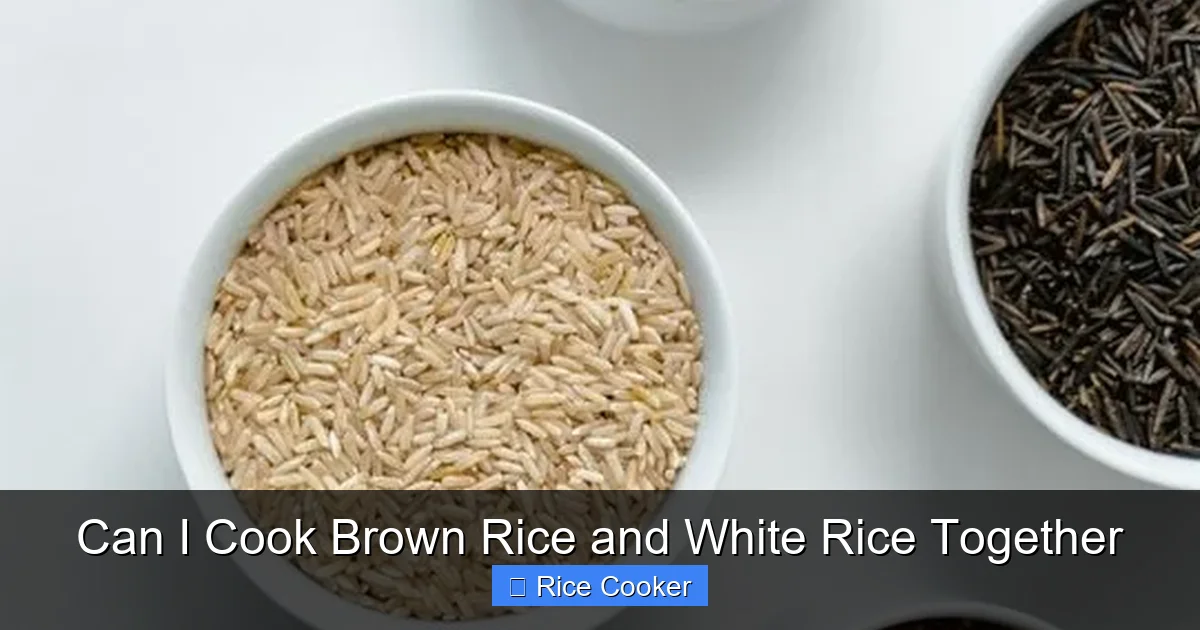
Can you cook brown rice and white rice together? Absolutely—and doing so can save time and simplify meal prep. While their cooking times differ, using the right method ensures both types come out fluffy, tender, and delicious. Whether you’re meal planning or just curious about mixing grains, this guide walks you through everything you need to know.
Key Takeaways
- Understanding can i cook brown rice and white rice together: Provides essential knowledge
📑 Table of Contents
- Can I Cook Brown Rice and White Rice Together?
- Understanding Brown and White Rice Differences
- Can You Really Cook Brown and White Rice Together?
- Best Practices for Perfect Mixed Rice
- Common Mistakes to Avoid
- Creative Ways to Serve Mixed Rice
- Tips for Busy Home Cooks
- Frequently Asked Questions About Cooking Mixed Rice
- Final Thoughts
Can I Cook Brown Rice and White Rice Together?
You might be wondering: Can I cook brown rice and white rice together? The short answer is yes—absolutely! And if you’ve ever found yourself staring at two separate pots on the stove or tossing leftover rice because one type didn’t cook properly, you’re not alone. Many home cooks love having both brown and white rice on hand for different meals throughout the week. But combining them in one pot? That’s where things get tricky—especially since they don’t behave the same way when heated.
Brown rice has an outer layer called the bran that locks in nutrients but also makes it slower to absorb water and cook through. White rice, stripped of that bran, cooks faster and becomes softer. When you try to cook them together, the white rice can end up too soft or mushy, while the brown rice might stay undercooked or gritty. But with a few smart techniques, you can turn this challenge into a win. In this guide, we’ll walk you through everything you need to know—from soaking to seasoning—so you can enjoy perfectly cooked, nutritious, and delicious mixed-rice meals every time.
Understanding Brown and White Rice Differences
Before diving into how to cook them together, it helps to understand why they cook differently in the first place.
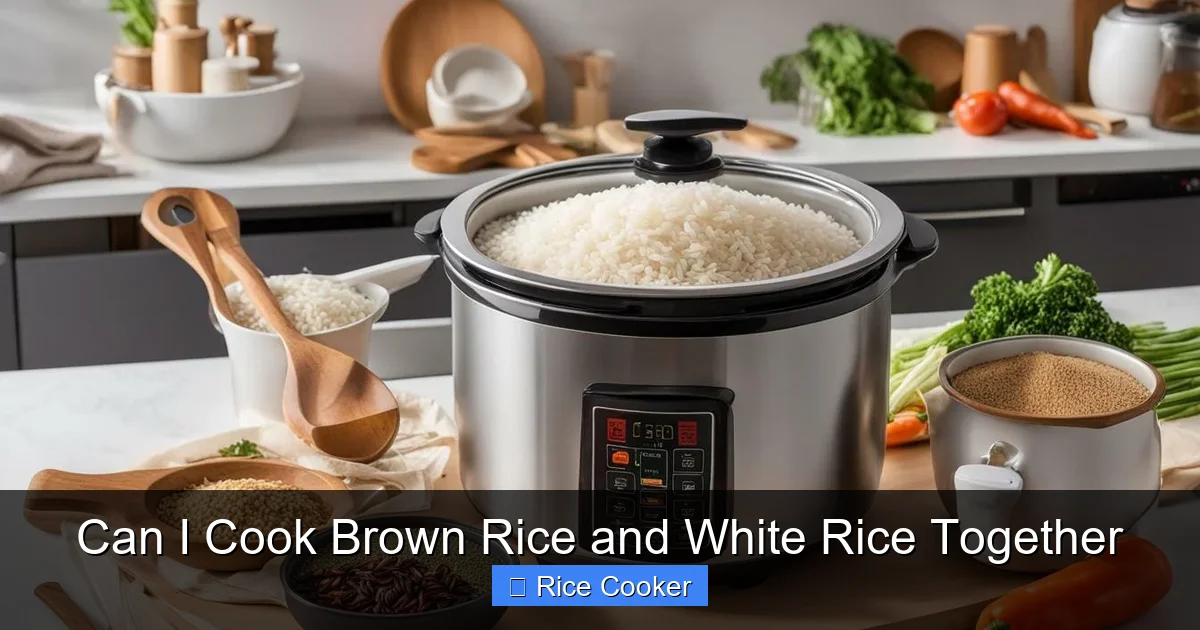
Visual guide about Can I Cook Brown Rice and White Rice Together
Image source: ricearray.org
The Science Behind Cooking Times
Brown rice contains fiber-rich bran layers and higher fat content compared to white rice. This means it absorbs more water and takes longer to soften. Typically, brown rice needs about 45–50 minutes of cooking time, while white rice cooks in roughly 18–22 minutes. When cooked together, the white rice finishes early and starts absorbing moisture from the still-hard brown rice, leading to uneven results.
Nutritional and Texture Differences
Brown rice is richer in fiber, magnesium, and antioxidants. It also has a chewier, nuttier texture that some people prefer for pilafs or stir-fries. White rice, on the other hand, is milder in flavor and lighter in texture, ideal for dishes like sushi or as a side for curries. Mixing them lets you enjoy the best of both worlds—nutrient-dense grains with varied textures—without extra cleanup.
Why People Mix Them Anyway
Many families use a mix of rice types based on preference or dietary goals. Some cook brown rice for breakfast (like porridge), then switch to white rice for dinner. By cooking them together, you streamline your routine. Plus, if you’re meal prepping or feeding picky eaters who won’t touch brown rice unless it’s blended in, this method works wonders.
Can You Really Cook Brown and White Rice Together?
Yes—but not without planning. Simply tossing both into a pot with equal water won’t work. However, with adjustments to water ratios, soaking, and cooking methods, you can achieve excellent results. Let’s break down the most effective ways to do it.
Method 1: Standard Rice Cooker with Adjustments
If you own a rice cooker (which most of us do!), this is the easiest approach. Start by rinsing both types of rice separately under cold water to remove excess starch. Then combine them in the inner pot—typically in a 1:1 ratio by volume, though you can adjust based on preference.
For every cup of combined rice, use 1¾ to 2 cups of water. Since brown rice absorbs more, add a bit extra. If you’re unsure, start with 1¾ cups and check consistency halfway through cooking.
Press the “Cook” button. On basic models, there’s usually no setting for mixed grains, so let the cycle run fully. On advanced units with fuzzy logic or specialty modes (like “Mixed Rice” or “Multi-Grain”), select that option. These sensors adjust timing and temperature automatically.
Method 2: Stovetop with Lid and Heat Control
Stovetop cooking gives you more control over heat, which is helpful when dealing with two textures. Bring a pot of water to a boil, then add the rice mixture. Stir once gently, reduce heat to low, cover tightly, and simmer.
Cook for 40 minutes total. Every 10 minutes, lift the lid slightly to check progress. If the water looks absorbed but brown rice is still firm, add ½ cup hot water and continue. Remove from heat after 40 minutes, fluff with a fork, and let sit covered for 10 minutes.
Method 3: Pre-Soaking Brown Rice First
Soaking reduces cooking time and softens the bran layer, helping brown rice cook more evenly alongside white rice. Place brown rice in a bowl, cover with warm water, and let it soak for 30 minutes to 1 hour. Drain thoroughly before combining with white rice.
This step minimizes the gap between cooking times. You’ll notice less risk of mushy white rice and firmer-but-not-gritty brown grains. It’s especially useful if you’re new to cooking mixed grains.
Best Practices for Perfect Mixed Rice
Even with the right method, a few small tweaks make a big difference in final results.
Use the Right Water-to-Rice Ratio
As mentioned earlier, aim for 1¾ to 2 cups of water per cup of rice blend. A good rule: if you normally use 1¾ cups for white rice alone, increase it by ¼ cup when adding brown rice. Always use a measuring cup—not a mug—for accuracy.
Don’t Overmix After Cooking
Once your rice is done, avoid stirring it aggressively. Fluff gently with a fork to separate grains without breaking them. Overmixing leads to clumpy, sticky rice, especially in the white variety.
Add Flavor Without Compromising Texture
Herbs like thyme or bay leaves infuse subtle depth. For savory dishes, swap half the water with vegetable or chicken broth. Just ensure the liquid still covers the rice adequately. Avoid salt until the very end—it can draw out moisture and affect texture.
Let It Rest
After cooking, always keep the rice covered for 10 minutes. This allows steam to redistribute moisture evenly, resulting in fluffier grains across both types.
Common Mistakes to Avoid
Even experienced cooks slip up sometimes. Here are frequent errors and how to fix them.
Mistake 1: Using Equal Water for Both Types
White rice doesn’t need as much water. Too much causes it to become gluey. Always account for brown rice’s higher absorption rate.
Mistake 2: Skipping the Soak
If you skip soaking, expect longer cooking times and potential unevenness. A quick soak goes a long way toward smoother results.
Mistake 3: Opening the Lid Frequently During Cooking
Steam escapes each time you lift the lid, extending cook time and drying out the rice. Resist the urge to peek—just set a timer.
Mistake 4: Not Rinsing the Rice
Rinsing removes surface starch that causes clumping. Do this step even if your recipe doesn’t require it—it’s non-negotiable for fluffy rice.
Mistake 5: Cooking on High Heat
High heat creates hot spots that burn rice at the bottom. Keep it low and steady, whether on the stovetop or in the rice cooker.
Creative Ways to Serve Mixed Rice
Once you’ve mastered the basics, get creative with how you serve your mixed-grain creation.
Fried Rice with Mixed Grains
Sauté diced onions, garlic, and carrots in oil. Push veggies to the side, scramble eggs, then add cooled mixed rice. Toss with soy sauce, sesame oil, and peas. The slight chew of brown rice adds heartiness to classic fried rice.
Risotto-Style Creamy Blend
Simmer mixed rice in warm broth slowly, stirring constantly. Finish with grated Parmesan and butter. The combination yields a creamy yet texturally interesting dish—perfect for winter meals.
Stuffed Bell Peppers
Fill halved peppers with seasoned mixed rice, ground meat, and black beans. Bake at 375°F (190°C) for 30–35 minutes. Brown rice holds shape better in stuffed preparations.
Salads and Bowls
Cool cooked rice, toss with chopped cucumbers, cherry tomatoes, avocado, and lime-cilantro dressing. Top with grilled chicken or chickpeas. Brown rice adds fiber; white rice keeps the salad light.
Sweet Variants
Try a sweet version with jasmine white rice and brown rice cooked in coconut milk, cinnamon, and raisins. Serve warm with a dollop of yogurt. Great for brunch or dessert!
Tips for Busy Home Cooks
Life gets hectic. Here’s how to make mixed-rice cooking fit your schedule.
- Meal Prep Ahead: Cook a large batch on Sunday. Store portions in airtight containers for up to 5 days in the fridge or 2 months in the freezer.
- Use Frozen Rice: Thaw frozen cooked mixed rice completely before reheating. Steam it gently to restore softness.
- Double the Recipe: Make extra for leftovers—you’ll thank yourself later when you need a quick side dish.
- Label Your Containers: Even though it’s mixed, label what’s inside (e.g., “Brown + White Rice”) so you know what you’re grabbing.
- Keep a Rice Journal: Note water ratios, soak times, and outcomes. Over time, you’ll dial in your perfect blend.
Frequently Asked Questions About Cooking Mixed Rice
Does cooking brown and white rice together change the taste?
No, the flavors remain distinct. Brown rice retains its nutty profile, while white rice stays mild. They complement each other without blending tastes.
Can I substitute wild rice for brown rice?
Wild rice has different cooking requirements (about 45–60 minutes). It’s best cooked separately or added near the end of cooking to avoid overcooking.
What if my rice cooker doesn’t have a multi-grain setting?
That’s okay! Just press “Cook” and let it run the full cycle. Advanced models adapt; basic ones rely on default timing—still effective if you adjust water ratios.
How do I store leftover mixed rice?
Refrigerate in an airtight container for up to 5 days. Reheat with a splash of water or broth to prevent dryness. Freeze portions for up to 2 months.
Can I cook quinoa with rice?
Quinoa cooks faster (15–20 minutes) and may overpower rice textures. Add it toward the end of cooking or cook separately for best results.
Will cooking them together affect nutritional value?
No—both retain their nutrients regardless of cooking method. Cooking them together doesn’t alter vitamins or minerals.
Final Thoughts
So, can you cook brown rice and white rice together? Yes—and now you know exactly how. With proper preparation, attention to water ratios, and maybe a quick soak, you can enjoy perfectly cooked, nutritious, and versatile rice blends in under an hour. Whether you’re meal prepping for the week or whipping up a last-minute side dish, this technique saves time without sacrificing quality.
Remember: practice makes perfect. Your first attempt might not be flawless, and that’s totally normal. Pay attention to textures, adjust as needed, and soon you’ll have a go-to method for cooking mixed grains like a pro. Happy cooking!
Frequently Asked Questions
Does cooking brown and white rice together change the taste?
No, the flavors remain distinct. Brown rice retains its nutty profile, while white rice stays mild. They complement each other without blending tastes.
Can I substitute wild rice for brown rice?
Wild rice has different cooking requirements (about 45–60 minutes). It’s best cooked separately or added near the end of cooking to avoid overcooking.
What if my rice cooker doesn’t have a multi-grain setting?
That’s okay! Just press “Cook” and let it run the full cycle. Advanced models adapt; basic ones rely on default timing—still effective if you adjust water ratios.
How do I store leftover mixed rice?
Refrigerate in an airtight container for up to 5 days. Reheat with a splash of water or broth to prevent dryness. Freeze portions for up to 2 months.
Can I cook quinoa with rice?
Quinoa cooks faster (15–20 minutes) and may overpower rice textures. Add it toward the end of cooking or cook separately for best results.
Will cooking them together affect nutritional value?
No—both retain their nutrients regardless of cooking method. Cooking them together doesn’t alter vitamins or minerals.