
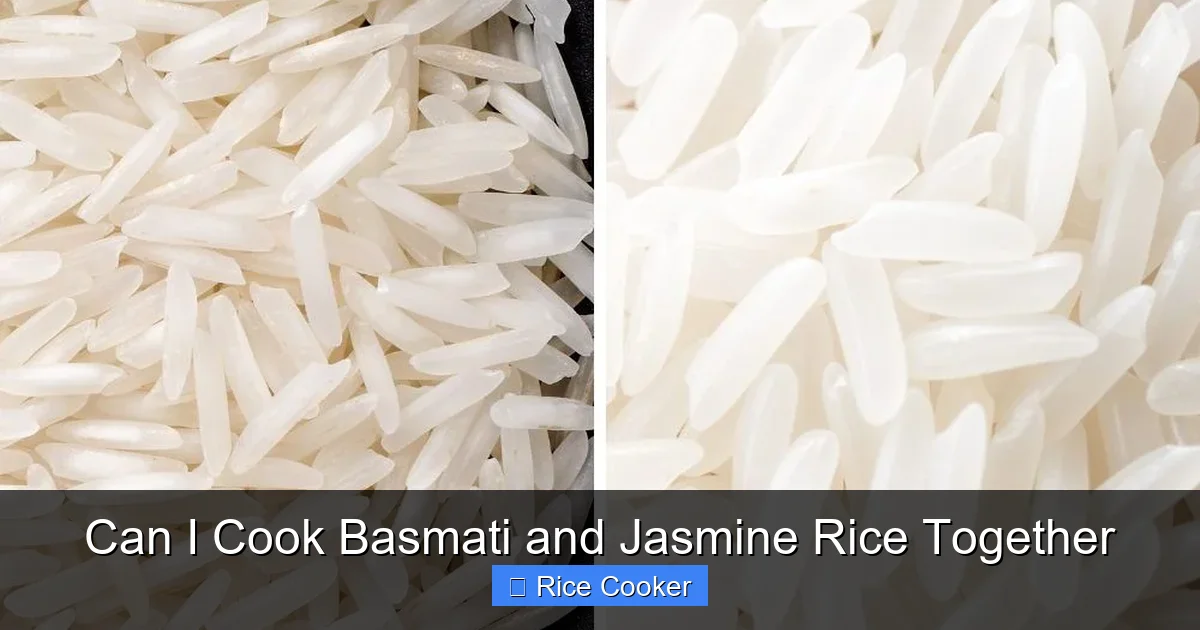
Yes, you can absolutely cook basmati and jasmine rice together—but only if you adjust water ratios and cooking methods. These two aromatic rice varieties have similar textures but distinct flavors, so combining them requires attention to detail. With the right technique, you’ll create a delicious, balanced dish with fluffy grains and enhanced aroma.
Key Takeaways
- Water ratio matters: Jasmine rice absorbs more water than basmati, so use a 1:1.25 ratio for jasmine and 1:1.75 for basmati when cooking separately.
- Cooking times differ: Jasmine typically cooks faster (15–18 minutes), while basmati needs 18–22 minutes; stagger or adjust timing accordingly.
- Texture vs. flavor trade-off: Mixing them risks mushiness if not monitored closely, but done right, it creates a richer, more complex flavor profile.
- Use a rice cooker with timer: A programmable model helps manage dual cooking phases without overcooking either grain.
- Season after cooking: Add salt, butter, or herbs post-cooking to preserve each rice’s signature aroma and prevent clumping.
- Consider portion size: Cook smaller batches or reserve one type to mix in later for better control over texture and taste.
- Try complementary pairings: Combine with vegetables, proteins, or sauces that suit both flavors—like coconut milk, turmeric, or ginger.
Have you ever stood in your kitchen, staring at two bags of rice—one labeled “Basmati,” the other “Jasmine”—wondering if they could live harmoniously in your rice cooker? You’re not alone. Both are beloved for their fragrant aromas and delicate textures, yet they come from different culinary traditions and behave differently when cooked. The big question on many home cooks’ minds is: Can I cook basmati and jasmine rice together? The short answer is yes—but with caveats. While technically possible, blending these two rices requires finesse, attention to detail, and a good understanding of their individual characteristics. In this comprehensive guide, we’ll walk you through everything you need to know about combining basmati and jasmine rice, from preparation to plating, so you can enjoy a delicious, well-balanced meal every time.
Before diving into the how-to, let’s take a quick moment to appreciate why people love these two grains. Basmati rice, originating from South Asia, is known for its long, slender grains, nutty aroma, and ability to stay separate when cooked. It’s a staple in Indian, Pakistani, and Middle Eastern cuisines. On the other hand, jasmine rice, native to Thailand, boasts a shorter, slightly stickier grain with a subtle floral scent—often compared to pandan or jasmine blossom—and a creamy, tender texture. Both are prized for their ability to absorb flavors without becoming soggy, making them ideal for pilafs, stir-fries, and side dishes.
So, why would anyone want to cook them together? For one, it simplifies meal prep—why cook two separate batches when you can do it all at once? Additionally, combining them allows you to blend their unique qualities: the elegance of basmati with the fragrant richness of jasmine. But before you toss both into the cooker, read on—because success depends on more than just tossing and setting.
Key Takeaways
- Understanding can i cook basmati and jasmine rice together: Provides essential knowledge
📑 Table of Contents
- Understanding Basmati and Jasmine Rice: Key Differences
- Can You Actually Cook Them Together? The Short Answer
- Step-by-Step Guide: Cooking Basmati and Jasmine Rice Together
- Practical Examples and Meal Ideas
- Common Mistakes to Avoid
- Tips for Perfect Results Every Time
- Conclusion: Yes, You Can—And Should—Try It
Understanding Basmati and Jasmine Rice: Key Differences
To decide whether mixing basmati and jasmine rice is a smart move, you first need to understand what sets them apart. While both are considered aromatic rices, their physical properties, starch content, and cooking behaviors vary significantly.
Grain Structure and Texture
Basmati rice has long, thin grains that elongate during cooking, becoming fluffy and dry on the outside while remaining slightly firm in the center. This structure makes it perfect for dishes where you want individual grains to stand out—like biryani or pilaf. Jasmine rice, by contrast, has shorter, rounder kernels that swell and become soft and sticky when cooked. Its higher amylopectin content gives it that characteristic clinginess, which is great for sushi or Thai stir-fries.
Aroma and Flavor Profile
The name “jasmine” isn’t just poetic—it describes the rice’s natural fragrance, reminiscent of blooming flowers. When cooked, it releases a sweet, floral scent that pairs beautifully with coconut-based dishes, curries, and seafood. Basmati, meanwhile, emits a nuttier, slightly smoky aroma, often enhanced by toasting before cooking. This complexity makes it ideal for spiced dishes like korma or with rich gravies.
Cooking Water Ratios and Absorption Rates
One of the biggest challenges when combining rices is managing water absorption. Jasmine rice tends to absorb more liquid—typically using a 1:1.25 water-to-rice ratio—while basmati uses around 1:1.75. If you use too little water for either, they won’t soften properly; too much, and both could turn mushy. This discrepancy means simply adding equal parts water won’t work.
Cooking Time Variations
Another hurdle is timing. Jasmine rice usually cooks faster—about 15 to 18 minutes on high heat—while basmati takes longer, often 18 to 22 minutes. If you cook them together under identical conditions, the jasmine may overcook and become gummy before the basmati is fully done.
These differences mean that combining basmati and jasmine rice isn’t as simple as dumping both into the pot. But with careful planning, you can overcome these obstacles and create something truly special.
Can You Actually Cook Them Together? The Short Answer
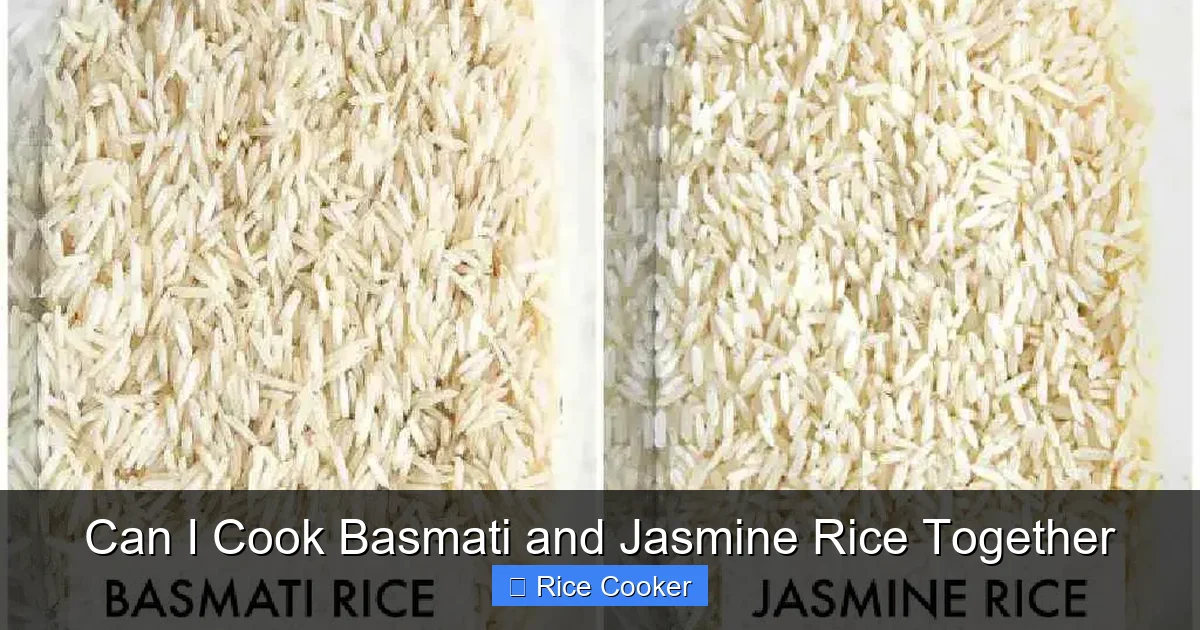
Visual guide about Can I Cook Basmati and Jasmine Rice Together
Image source: kitchenbun.com
Yes, you can cook basmati and jasmine rice together—but not in the same pot without adjustments. Most modern rice cookers have a single compartment, so combining raw grains directly risks uneven results. However, there are several effective strategies to make it work seamlessly.
Method 1: Separate Layers in a Dual-Zone Cooker
If your rice cooker has multiple compartments (some models do), place basmati in one layer and jasmine in another. Set both to the same cycle, but monitor closely—you may need to pause or switch modes halfway through to prevent overcooking. This method preserves each grain’s integrity and ensures optimal texture.
Method 2: Cook One First, Then Add the Second
A more practical approach for most kitchens is to cook one rice first, then add the second. For example, start with basmati (longer cook time), let it finish, then rinse and cook the jasmine separately. Once both are done, gently fold them together in a large bowl. This avoids cross-contamination of moisture and guarantees perfect results.
Method 3: Use a Stovetop with Careful Monitoring
On the stove, you can cook them together in one pot, but stir occasionally to prevent sticking. Add extra water—say, 1 cup more than usual—to compensate for differing absorption rates. Keep an eye on the pan and remove from heat as soon as the liquid evaporates and the grains look separate but tender.
No matter the method, remember: control is key. Rushing or skipping steps will likely lead to disappointment—either soggy jasmine or undercooked basmati.
Step-by-Step Guide: Cooking Basmati and Jasmine Rice Together
Ready to give it a try? Follow this foolproof method to combine both rices successfully:
Ingredients You’ll Need
- 1 cup basmati rice
- ¾ cup jasmine rice
- 2 cups water (or adjusted per method)
- Salt to taste
- Optional: 1 tbsp oil or butter
Preparation Tips
Start by rinsing both types of rice thoroughly under cold water until the water runs clear. This removes excess starch, preventing stickiness. Soak basmati for 20–30 minutes (optional but recommended); jasmine doesn’t need soaking but benefits from a quick rinse.
Cooking Process
- Layer the Rice: If using a multi-compartment cooker, divide the rices evenly between compartments. If using one pot, place basmati at the bottom and jasmine on top (or vice versa).
- Add Water: Use about 2 cups total water. For stovetop cooking, bring to a boil, then reduce heat to low and cover tightly.
- Cook and Monitor: Cover and cook for 18 minutes. Check jasmine after 15 minutes—if it looks done, remove it. Basmati should be tender and fluffy after full time.
- Rest and Fluff: Let both rest covered for 5 minutes. Gently fluff with a fork before serving.
Flavor Enhancements
After cooking, enhance the dish by folding in:
- Chopped fresh herbs (cilantro, mint)
- A splash of soy sauce or fish sauce
- Toasted sesame oil
- Diced mango or pineapple for sweetness
This step ensures each grain retains its identity while benefiting from shared seasonings.
Practical Examples and Meal Ideas
Once you master combining basmati and jasmine rice, the possibilities are endless. Here are some inspired recipes to spark your creativity:
Thai-Inspired Coconut Rice Medley
Combine cooked basmati and jasmine with coconut milk, lemongrass, and kaffir lime leaves. Serve with grilled chicken or tofu.
Indian-Spiced Golden Rice Pilaf
Toast both rices lightly in ghee, then simmer with turmeric, cumin, and cardamom. Perfect with roasted vegetables or lentils.
Vietnamese Lemongrass Chicken Bowl
Mix the rices with pickled carrots, daikon, and cilantro. Top with shredded chicken marinated in fish sauce and garlic.
Mediterranean Herb Rice Salad
Cool the cooked mixture, then toss with olives, cherry tomatoes, feta, and oregano. Great warm or chilled.
These dishes showcase how the duo complements bold flavors without overshadowing each other.
Common Mistakes to Avoid
Even experienced cooks stumble when mixing rices. Watch out for these pitfalls:
Using Equal Water for Both
As mentioned earlier, jasmine absorbs less water than basmati. Using the same amount leads to mushy jasmine or dry basmati.
Skipping the Rinse
Unrinsed rice contains excess starch, causing clumping—especially problematic when combining varieties.
Overmixing After Cooking
Gently fold the rices together instead of stirring vigorously. Overmixing breaks down the grains and ruins texture.
Ignoring Resting Time
Letting the rice sit after cooking allows steam to distribute evenly, resulting in fluffier grains.
By avoiding these mistakes, you’ll achieve restaurant-quality results at home.
Tips for Perfect Results Every Time
Want consistent success? Try these pro tips:
- Invest in a quality rice cooker: Look for models with adjustable timers or dual settings.
- Weigh your rice: Measuring by volume can be inaccurate—use a kitchen scale for precision.
- Experiment with ratios: Start with 3:2 (basmati:jasmine) and adjust to taste.
- Store leftovers properly: Refrigerate in airtight containers and reheat with a splash of water.
Also, always taste as you go. Adjust salt, acidity (vinegar or citrus), or fat (oil/butter) based on personal preference.
Conclusion: Yes, You Can—And Should—Try It
So, back to the original question: Can I cook basmati and jasmine rice together? The answer is a resounding yes—with the right techniques, patience, and respect for each grain’s nature. While they aren’t interchangeable, their combination opens up exciting culinary avenues. Whether you’re aiming for aromatic complexity, textural contrast, or simplified meal prep, blending these two rices can elevate your cooking game.
Remember, cooking is as much about experimentation as it is about rules. Don’t be afraid to tweak ratios, try new seasonings, or adapt methods to your kitchen setup. With practice, you’ll develop a feel for what works best for you.
Next time you’re planning a dinner party or whipping up a weeknight meal, consider reaching for both bags. Your taste buds—and your guests—will thank you.
Frequently Asked Questions
Can I substitute basmati rice with jasmine rice in recipes?
Yes, but expect a difference in texture and aroma. Jasmine is stickier and more fragrant, while basmati stays fluffier and nuttier. Use jasmine in Thai dishes and basmati in Indian or Persian recipes for best results.
How do I prevent jasmine rice from becoming mushy?
Rinse thoroughly before cooking, avoid over-stirring, and don’t add too much water. Cooking it separately or monitoring closely when mixed helps maintain its delicate texture.
Is it safe to cook different types of rice together?
Absolutely. As long as you manage water ratios and cooking times properly, combining rices is safe and common in many global cuisines.
Do I need special equipment to cook basmati and jasmine rice together?
Not necessarily. A standard rice cooker works fine, but one with adjustable settings or multiple compartments gives you more control. A stovetop pot with tight-fitting lid also suffices.
What’s the best way to store leftover mixed rice?
Store in an airtight container in the refrigerator for up to 4 days. Reheat gently on the stove with a bit of water to restore moisture.
Can I freeze cooked basmati and jasmine rice?
Yes! Portion into freezer-safe containers and freeze for up to 2 months. Thaw overnight in the fridge and reheat thoroughly before serving.