

Can I cook basmati rice in a rice cooker? The short answer is yes, and it’s one of the easiest ways to get perfectly fluffy, fragrant basmati rice every single time. With the right water-to-rice ratio and a few simple prep steps, your rice cooker does all the hard work. In this article, we’ll walk you through everything you need to know—from choosing the right rice cooker to troubleshooting common issues and even elevating your dish with flavorful add-ins. Whether you’re a beginner or just looking to improve your technique, you’ll find practical, foolproof methods to make restaurant-quality basmati rice at home.
Key Takeaways
- Basmati rice works great in rice cookers: It cooks evenly and becomes light, fluffy when using the correct method.
- Use the right water ratio: The standard 1:1.5 (rice to water) ratio works best for most rice cookers, but adjustments may be needed based on altitude and grain quality.
- Rinse before cooking: Rinsing removes excess starch and prevents clumping, ensuring separate grains.
- Let it rest after cooking: A 5–10 minute rest allows steam to distribute evenly and improves texture.
- Experiment with flavors: Add ghee, bay leaves, or saffron to enhance aroma and taste without changing the cooking process.
- Clean your rice cooker properly: Always follow manufacturer instructions to maintain performance and longevity.
- Troubleshoot common issues: If rice is mushy, check water levels; if dry, add a splash of water next time.
📑 Table of Contents
- Can I Cook Basmati Rice in a Rice Cooker? Absolutely—Here’s How!
- Why Basmati Rice Thrives in a Rice Cooker
- Choosing the Right Rice Cooker for Basmati
- Step-by-Step Guide: Cooking Basmati Rice in a Rice Cooker
- Water Ratios: The Secret to Perfect Basmati
- Common Mistakes and How to Fix Them
- Flavor Variations: Beyond Plain Basmati
- Cleaning and Maintaining Your Rice Cooker
- Frequently Asked Questions About Cooking Basmati in a Rice Cooker
- Final Thoughts: Why Rice Cookers Are a Game-Changer for Basmati
Can I Cook Basmati Rice in a Rice Cooker? Absolutely—Here’s How!
If you’ve ever stared into your pantry at 6 p.m., wondering what to make for dinner, and noticed a bag of long-grain basmati rice staring back at you, you’re not alone. Basmati rice is beloved across cultures—especially in Indian, Pakistani, Middle Eastern, and Southeast Asian cuisines—for its delicate fragrance, nutty flavor, and light, fluffy texture. But let’s be real: boiling rice on the stovetop takes attention, timing, and a little bit of luck. That’s where the humble rice cooker comes in.
Modern rice cookers are designed to simplify the process, and they work beautifully with basmati rice. Whether you have a basic model or a high-tech smart rice cooker with multiple settings, cooking basmati rice in it is not only possible—it’s often easier and more consistent than traditional methods. In this complete guide, we’ll show you exactly how to do it, why it works so well, and how to avoid common pitfalls. By the end, you’ll be making restaurant-quality basmati rice with zero stress.
Why Basmati Rice Thrives in a Rice Cooker
Before diving into the how-to, let’s talk about why basmati rice is such a great match for rice cookers. Unlike short-grain rice, which sticks together due to high starch content, basmati is a long-grain variety that’s naturally less sticky. This means it responds well to the controlled, automated environment of a rice cooker.
Rice cookers use precise temperature control to bring water to a boil, then switch to a gentle simmer or keep-warm mode once the water is absorbed. This steady heat ensures even cooking without scorching or overcooking. For basmati, which needs careful hydration and cooling phases to achieve separation, this consistency is ideal.
Additionally, many rice cookers come with specialized settings—like “quick rice,” “jasmine,” or “long grain”—that can be adjusted or customized for basmati. Even if yours doesn’t have a specific setting, the standard white rice function usually does the trick. The key is understanding your cooker’s behavior and tweaking the recipe slightly if needed.
Choosing the Right Rice Cooker for Basmati
Not all rice cookers are created equal, and while most can handle basmati, some perform better than others. Here’s what to look for:
Capacity Matters
For beginners, a 3-cup (uncooked) capacity is perfect. Larger models (6+ cups) are great for families but require more precise measurements. Too much rice can lead to uneven cooking, especially in older or less advanced models.
Non-Stick vs. Stainless Steel Pot
Most rice cookers come with non-stick inner pots because they’re easy to clean. However, some purists prefer stainless steel for better heat distribution. If your pot has scratches or food is sticking, consider replacing it—sticky rice isn’t just annoying; it ruins the texture of your basmati.
Smart Features
Look for models with delay timers, fuzzy logic (auto-adjusts cooking time), or multiple grain settings. These features help compensate for variations in rice quality or water hardness. For example, a rice cooker with a “quick soak” function can pre-treat basmati, reducing cooking time by up to 20%.
Budget Considerations
You don’t need a $300 smart rice cooker to make great basmati rice. A reliable 7-cup model from brands like Zojirushi, Cuckoo, or Aroma typically costs under $100 and performs excellently. Read reviews focusing on consistency and ease of cleaning.
Step-by-Step Guide: Cooking Basmati Rice in a Rice Cooker
Ready to make your first batch? Follow these simple steps for foolproof results every time.
Step 1: Measure and Rinse the Rice
Start by measuring your basmati rice. Use a dry measuring cup for accuracy. A general rule is 1 cup of uncooked basmati yields about 3 cups cooked—perfect for two people.
Now, rinse the rice thoroughly under cold running water. Swirl it in your hand or use a fine-mesh strainer until the water runs clear. This step is crucial—it removes surface starch that causes clumping. Some chefs soak basmati for 20–30 minutes, but rinsing alone is sufficient for most rice cookers.
Step 2: Add Water (and Optional Ingredients)
Transfer the rinsed rice to the inner pot of your rice cooker. Add water according to the 1:1.5 ratio—1 cup rice to 1.5 cups water. If you’re cooking at high altitude (above 3,000 feet), increase water by 1–2 tablespoons to prevent dryness.
Want extra flavor? Add:
– ½ teaspoon salt
– 1 tablespoon ghee or butter (adds richness)
– ¼ teaspoon cardamom pods or a pinch of saffron soaked in warm milk
Do NOT add oil or fat to the water—this interferes with the rice cooker’s ability to detect when the rice is done.
Step 3: Close the Lid and Start Cooking
Secure the lid tightly. Press the “Cook” or “White Rice” button. Most rice cookers automatically switch to “Keep Warm” once cooking is complete—usually within 18–25 minutes.
Avoid opening the lid during cooking. Steam builds pressure, and lifting the lid too soon can cause uneven cooking or condensation that makes rice soggy.
Step 4: Let It Rest
Once the cycle ends, let the rice sit, covered, for 5–10 minutes. This allows residual steam to finish hydrating the grains and improves fluffiness. Fluff gently with a fork before serving.
Water Ratios: The Secret to Perfect Basmati
The water-to-rice ratio is the single most important factor in achieving fluffy basmati. While 1:1.5 is standard, here’s how to adjust it:
At Sea Level
Use 1.5 cups water per 1 cup rice. This works for most brands, including Indian, Pakistani, and Thai varieties.
At High Altitude (Above 3,000 ft)
Increase water by 1–2 tablespoons. The lower air pressure causes faster evaporation, so extra moisture helps prevent dryness.
For Extra Fluffy Rice
Reduce water slightly to 1.4 cups per 1 cup rice. This works best with high-quality basmati that’s not overly starchy.
For Saffron or Flavored Rice
Add your flavoring ingredients to the water—never directly to the rice. Saffron infused in warm milk adds both color and aroma without affecting texture.
Common Mistakes and How to Fix Them
Even experienced cooks run into issues now and then. Here’s how to troubleshoot:
Mushy or Sticky Rice
Caused by too much water or not rinsing enough. Next time, reduce water by 1–2 tablespoons and always rinse until water runs clear.
Dry or Undercooked Rice
Usually due to insufficient water or an old rice cooker with poor temperature control. Try increasing water slightly or pre-soaking the rice for 20 minutes.
Burnt Base
This happens when the bottom layer sticks and burns. Always use fresh rice, clean the heating element, and avoid overcrowding the pot.
Uneven Texture
If some grains are soft and others hard, your rice cooker may need calibration. Try reducing cooking time by 2–3 minutes or switching to a different setting.
Flavor Variations: Beyond Plain Basmati
Once you master plain basmati, you can elevate it with simple additions:
Saffron Basmati Rice
Soak 5–6 strands of saffron in 2 tablespoons of warm milk for 10 minutes. Add to the water along with a pinch of sugar. Serve with grilled chicken or lamb kebabs.
Cumin and Coriander Rice
Toast whole cumin seeds and coriander seeds in a dry pan for 1 minute. Grind them lightly and stir into the water before cooking. Perfect with vegetable curries.
Vegetable-Infused Rice
Add diced carrots, peas, or spinach to the rice during the last 5 minutes of cooking. Cover tightly to trap steam and let veggies soften.
Herbed Rice
Stir in chopped fresh herbs like cilantro or mint after cooking. Great for summer meals or as a side to spicy dishes.
Cleaning and Maintaining Your Rice Cooker
Proper maintenance ensures your rice cooker lasts and continues to produce great results.
After Every Use
Unplug the unit and let it cool completely. Remove the inner pot and wash it with warm, soapy water. Avoid abrasive scrubbers—they can damage non-stick coating.
Clean the Heating Plate
Wipe the base with a damp cloth. Never submerge the entire unit or use harsh chemicals.
Check the Lid and Steam Vent
Remove the lid and clean the seal and steam vent with a soft brush. Clogged vents cause pressure buildup and poor cooking.
Store Properly
Keep the unit unplugged and store the inner pot separately to prevent moisture buildup.
Frequently Asked Questions About Cooking Basmati in a Rice Cooker
Can I use instant basmati rice in a rice cooker?
Yes, but instant varieties are already partially cooked and may become mushy. Stick to regular long-grain basmati for best results.
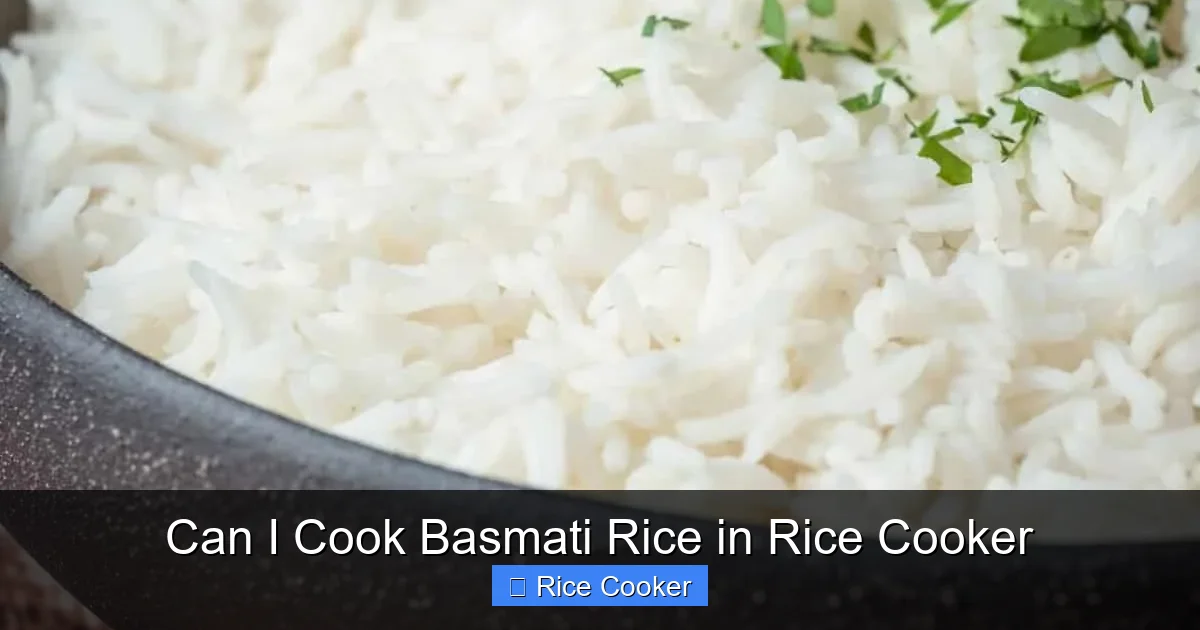
Visual guide about Can I Cook Basmati Rice in Rice Cooker
Image source: lovingitvegan.com
Do I need to soak basmati rice before cooking?
Soaking is optional. It reduces cooking time and improves texture, but rinsing alone is sufficient for most rice cookers.
Can I cook basmati rice in a slow cooker instead?
Technically yes, but slow cookers don’t offer precise temperature control. You risk overcooking or uneven texture—rice cookers are far superior.
How long does basmati rice take to cook in a rice cooker?
Most rice cookers take 18–25 minutes to cook basmati rice. Exact time depends on brand, model, and altitude.
Can I reheat leftover basmati rice in the rice cooker?
Yes, add a splash of water and cover. Set to “Warm” and heat for 10–15 minutes, stirring halfway.
Is it safe to leave rice in the “Keep Warm” mode for hours?
It’s generally safe, but prolonged warming can dry out rice. Consume within 2 hours for best quality and safety.
Final Thoughts: Why Rice Cookers Are a Game-Changer for Basmati
Cooking basmati rice in a rice cooker isn’t just convenient—it’s transformative. You eliminate guesswork, reduce cleanup, and consistently get fluffy, aromatic results. Whether you’re preparing a simple weeknight meal or hosting a dinner party, this method delivers professional-quality rice every time.
With the right technique, a little practice, and an understanding of your appliance, you’ll never go back to the stove. So go ahead—measure your rice, rinse it well, add the right amount of water, and let your rice cooker do the rest. Before you know it, you’ll be serving up clouds of fragrant basmati rice that make everyone ask, “How did you do that?”
And the truth? You didn’t do much at all. Just opened the lid to a perfectly cooked, restaurant-worthy dish—thanks to science, simplicity, and a trusty rice cooker.
Frequently Asked Questions
Can I use instant basmati rice in a rice cooker?
Yes, but instant varieties are already partially cooked and may become mushy. Stick to regular long-grain basmati for best results.
Do I need to soak basmati rice before cooking?
Soaking is optional. It reduces cooking time and improves texture, but rinsing alone is sufficient for most rice cookers.
Can I cook basmati rice in a slow cooker instead?
Technically yes, but slow cookers don’t offer precise temperature control. You risk overcooking or uneven texture—rice cookers are far superior.
How long does basmati rice take to cook in a rice cooker?
Most rice cookers take 18–25 minutes to cook basmati rice. Exact time depends on brand, model, and altitude.
Can I reheat leftover basmati rice in the rice cooker?
Yes, add a splash of water and cover. Set to “Warm” and heat for 10–15 minutes, stirring halfway.
Is it safe to leave rice in the “Keep Warm” mode for hours?
It’s generally safe, but prolonged warming can dry out rice. Consume within 2 hours for best quality and safety.