
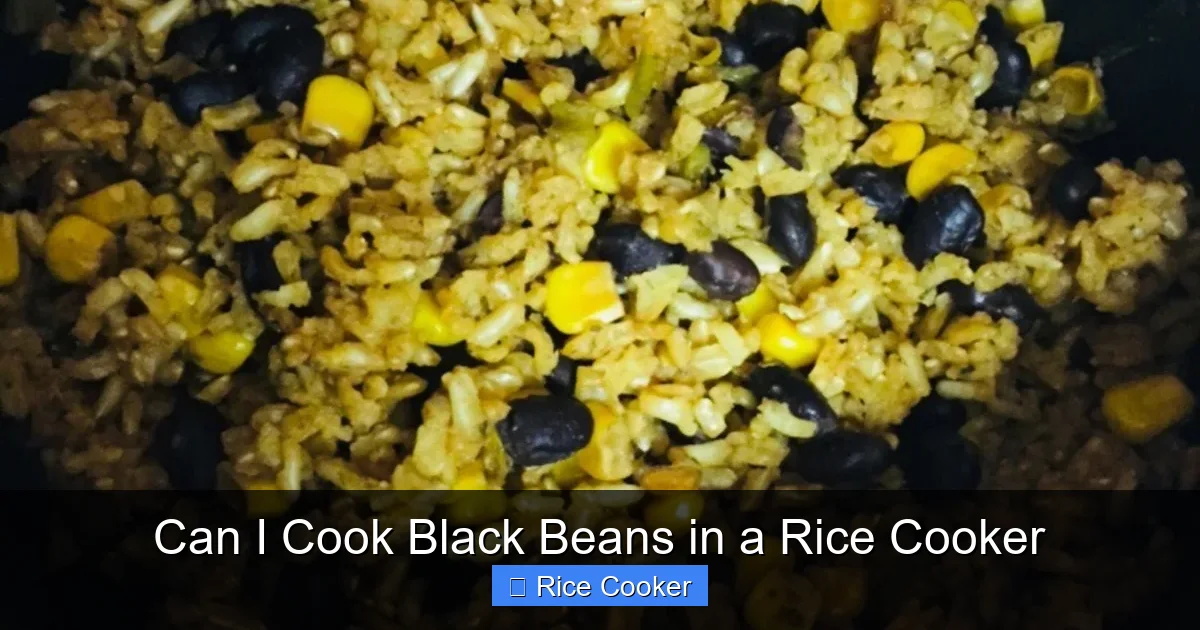
Cooking black beans in a rice cooker is not only possible—it’s simple and efficient. You don’t need constant attention or complicated steps; just add beans, water, salt, and let your appliance do the work. This method saves time, reduces cleanup, and yields flavorful, creamy beans perfect for tacos, salads, or soups. Whether you’re meal prepping or making dinner in a pinch, your rice cooker can be your new best friend in the kitchen.
Key Takeaways
- Yes, you can cook black beans in a rice cooker: It’s a foolproof method that requires minimal effort and delivers consistent results.
- No soaking required: While soaking speeds up cooking, it’s optional—your rice cooker handles dry beans just fine.
- Perfect texture every time: The rice cooker’s steamy environment softens beans evenly without boiling away moisture.
- Great for meal prep: Cook a big batch once and use black beans all week in bowls, burritos, and stews.
- Easy cleanup: One pot, one appliance—less scrubbing than traditional stovetop methods.
- Customizable flavors: Add garlic, cumin, or bay leaves during cooking to infuse rich, savory notes.
- Saves energy: Rice cookers use less power than stovetops, making them eco-friendly and cost-effective.
📑 Table of Contents
- Introduction: Why Use a Rice Cooker for Black Beans?
- Why Choose a Rice Cooker for Cooking Beans?
- How to Cook Black Beans in a Rice Cooker
- Can You Cook Other Types of Beans in a Rice Cooker?
- Flavoring Your Black Beans Like a Pro
- Meal Prep Made Easy: Using Cooked Black Beans All Week
- Troubleshooting Common Issues
- Is It Healthier Than Canned Beans?
- Eco-Friendly and Budget-Smart Benefits
- Conclusion: Your Rice Cooker Is Now a Bean Master
Introduction: Why Use a Rice Cooker for Black Beans?
Have you ever stared into your pantry, eyes landing on a can of dried black beans, wondering how to turn them into something delicious without spending hours on the stove? Or maybe you’re meal prepping for the week and looking for a hands-off way to cook protein-rich meals. Enter the humble rice cooker—a kitchen staple that does far more than just make fluffy rice.
Cooking black beans in a rice cooker isn’t just possible; it’s one of the most convenient and foolproof methods available. No constant stirring, no watching the pot, no risk of burning or drying out. Just toss in your beans, add water and seasonings, press a button, and walk away. When you return, you’ll have tender, flavorful black beans ready to eat or store. Whether you’re cooking for one or feeding a family, this method saves time, energy, and effort—all while delivering restaurant-quality results.
In this complete guide, we’ll walk you through everything you need to know about cooking black beans in a rice cooker. From preparation tips to recipe ideas, troubleshooting common issues, and even how to adapt the method for different types of beans, we’ve got you covered. By the end, you’ll never look at your rice cooker the same way again.
Why Choose a Rice Cooker for Cooking Beans?
If you’re wondering whether a rice cooker is up for the job, the answer is a resounding yes. Unlike stovetop cooking, which demands attention and risks uneven heating or scorching, rice cookers operate with precision. They maintain a steady temperature, release steam gradually, and automatically switch to “warm” mode once cooking is complete—so your beans stay hot without overcooking.
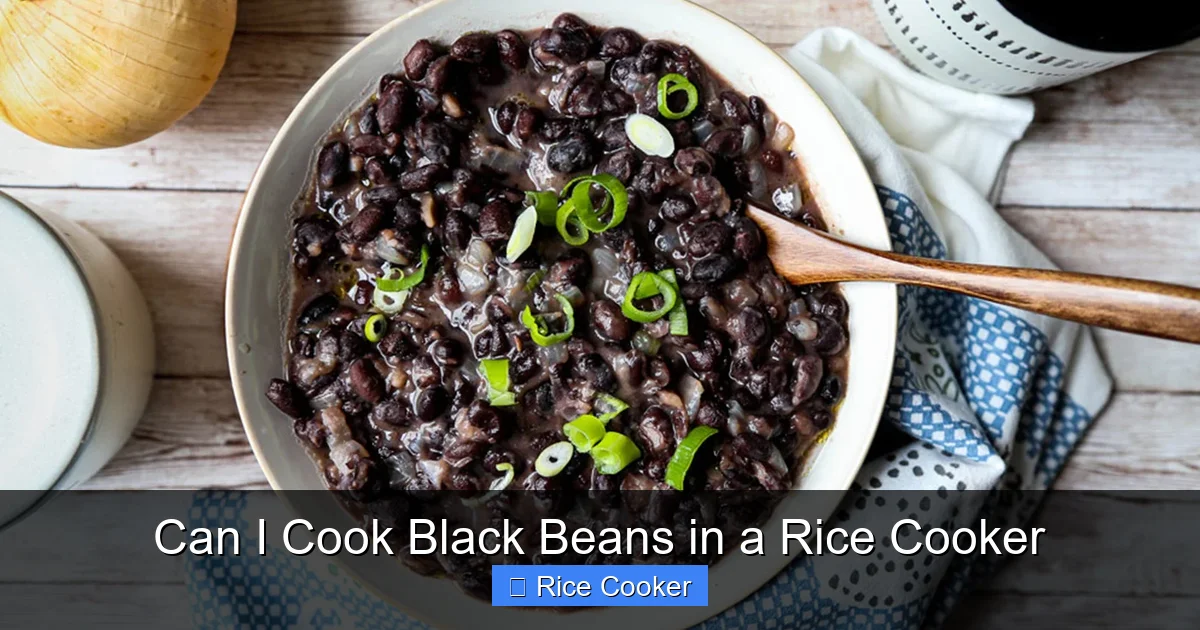
Visual guide about Can I Cook Black Beans in a Rice Cooker
Image source: storables.com
The Science Behind the Magic
Rice cookers work by using a thermostat to detect when the liquid inside has reached its boiling point and then cycling between heating and warming. This gentle, consistent heat is ideal for beans, which need time to soften and absorb flavor without turning mushy. The sealed environment also helps retain moisture, ensuring your black beans stay hydrated and tender.
Benefits Beyond Convenience
Using a rice cooker isn’t just about saving time—it’s also healthier and more sustainable. Because there’s no direct flame or high-heat exposure, fewer nutrients are lost compared to boiling on the stove. Plus, rice cookers use significantly less electricity than stovetops, making them an eco-friendly choice. And let’s not forget the reduced cleanup: one pot, one appliance, no splattered pans to scrub.
How to Cook Black Beans in a Rice Cooker
Ready to give it a try? The process is surprisingly simple. Here’s a step-by-step guide to cooking perfect black beans in your rice cooker.
Ingredients You’ll Need
- 1 cup dried black beans (rinsed and picked over)
- 3 cups water or low-sodium vegetable broth
- 1 teaspoon salt (adjust to taste)
- Optional flavor boosters: 1 bay leaf, 1 clove garlic, ½ teaspoon cumin, or a pinch of smoked paprika
Step-by-Step Instructions
- Rinse and Sort: Place the dried black beans in a colander and rinse under cold water. Remove any debris, shriveled beans, or stones.
- Add Ingredients: Transfer the beans to the inner pot of your rice cooker. Pour in 3 cups of water or broth. Add salt and any optional aromatics like garlic or spices.
- Cook: Close the lid and select the “Cook” or “Rinse” setting. Most rice cookers will take 45–60 minutes to fully cook dried beans. If your model has a “Bean” or “Porridge” setting, use that for best results.
- Rest and Drain: Once done, let the pressure release naturally for 10 minutes. Then open the lid and drain excess liquid if desired. For softer beans, keep some liquid for a creamy texture.
- Season and Serve: Taste and adjust salt. Serve warm as-is or use in your favorite recipes.
Pro Tips for Success
- Don’t Overfill: Leave at least 2 inches of headspace in the pot to prevent overflow during cooking.
- Soak Optional, But Helpful: Soaking beans for 4–8 hours reduces cooking time and improves digestibility. If soaking, skip the initial boil and go straight to the rice cooker.
- Use a Filter: Line the pot with a clean cheesecloth or mesh bag to catch skins after cooking, especially if you prefer smoother beans.
Can You Cook Other Types of Beans in a Rice Cooker?
Absolutely! While we’re focusing on black beans today, your rice cooker is versatile enough to handle many legumes. Chickpeas, kidney beans, pinto beans, and even lentils can be cooked using similar methods. Each type may require slightly different timing or liquid ratios, but the core process remains the same.
Quick Bean Conversion Chart
| Bean Type | Water Ratio | Cooking Time (approx.) |
|---|---|---|
| Black Beans | 3:1 (beans to water) | 45–60 min |
| Pinto Beans | 3:1 | 50–65 min |
| Chickpeas | 2.5:1 | 60–75 min |
| Kidney Beans | 3:1 | 50–60 min |
| Lentils (red/yellow) | 2:1 | 25–35 min |
Lentils cook much faster than other beans due to their soft texture, so keep an eye on them. Overcooked lentils can turn to mush, so reduce cooking time if needed.
Tips for Different Beans
- White Beans (like Cannellini): These can be tricky because they tend to break apart. Use a gentler heat setting and stir gently once during cooking.
- Adzuki or Mung Beans: These cook quickly—check every 15 minutes to avoid overcooking.
- Pressure Cookers vs. Rice Cookers: While pressure cookers are faster, rice cookers offer better control and are gentler on delicate beans.
Flavoring Your Black Beans Like a Pro
Plain black beans are nutritious but boring. The secret to amazing beans lies in seasoning. Since rice cookers trap steam and flavor compounds, you get deep, rich tastes without needing to sauté or simmer aggressively.
Classic Spices and Herbs
- Cumin: Adds warmth and earthiness—perfect for Mexican dishes.
- Bay Leaf: Provides a subtle, aromatic depth that mellows as it cooks.
- Garlic: Crush a few cloves and add them whole—they’ll infuse the beans without turning bitter.
- Smoked Paprika: Gives a smoky twist that mimics chipotle or BBQ flavors.
- Onion: Dice half an onion and add it with the beans for sweetness and body.
Creative Flavor Variations
Want to switch things up? Try these flavor profiles:
- Southwestern Style: Add cumin, chili powder, lime zest, and a diced jalapeño.
- Mediterranean Blend: Stir in oregano, thyme, garlic, and a splash of lemon juice after cooking.
- Spicy Black Beans: Include diced tomatoes, cilantro, and a pinch of cayenne for heat.
- Sweet & Savory: Add a chopped onion, apple cider vinegar, and a dash of maple syrup for balance.
Post-Cook Seasoning Tricks
Even better—add fresh ingredients after cooking! Sauté onions or garlic in olive oil, then stir into the warm beans for instant flavor. A handful of chopped cilantro or parsley brightens everything up. A squeeze of lime or orange juice cuts through richness and adds acidity.
Meal Prep Made Easy: Using Cooked Black Beans All Week
Once you’ve mastered cooking black beans in a rice cooker, you’ll want to make a big batch. Not only does it save time, but it also keeps your pantry stocked with healthy, ready-to-use protein.
Storage Tips
- Refrigerate: Store cooked beans in an airtight container for up to 5 days. Keep some cooking liquid on top to prevent drying.
- Freeze: Portion beans into freezer bags or containers. They last up to 6 months. Thaw overnight in the fridge before using.
- Drain and Rinse (Optional): For canned-style texture, drain and rinse frozen beans before reheating.
Weeknight Dinner Ideas
- Taco Bowls: Layer beans over brown rice with salsa, avocado, and cheese.
- Black Bean Burgers: Mix beans with breadcrumbs, egg, and spices; form patties and grill or pan-fry.
- Salads: Toss beans into quinoa or kale salads with corn, bell peppers, and vinaigrette.
- Stews and Soups: Add beans to chili, lentil soup, or vegetarian stews for heartiness.
- Breakfast Burritos: Scramble eggs with beans, spinach, and salsa for a protein-packed morning meal.
Reheating Without Losing Texture
Never microwave beans straight from the fridge—they can become rubbery. Instead, place them in a saucepan with a splash of water or broth and warm over low heat, stirring occasionally. Alternatively, reheat in the rice cooker on the “Warm” setting for 10–15 minutes.
Troubleshooting Common Issues
Even with the best tools, mistakes happen. Here’s how to fix common problems when cooking black beans in a rice cooker.
Beans Are Too Hard
If your beans aren’t fully cooked after the recommended time, add ½ cup more water and cook for another 15–20 minutes. Cover tightly to retain steam. Avoid opening the lid too often, as this releases heat and slows cooking.
Beans Are Mushy or Broken
This usually happens with overcooking or beans that were already soft (like canned). To prevent it, don’t stir during cooking, and remove beans from heat as soon as they’re tender. Also, consider using older beans—newer ones can be more fragile.
Too Much Liquid
Draining is fine, but don’t discard all the liquid. Save it! It’s packed with flavor and starch—perfect for thickening soups or making bean paste.
Overflow or Messy Pot
Beans expand as they cook. Always use at least 3 cups of water per cup of beans, and don’t fill the pot beyond two-thirds full. Placing a paper towel under the lid can help absorb excess steam.
Bitter or Unpleasant Taste
Some beans contain natural compounds that can cause gas or bitterness if not properly soaked or cooked. Rinsing thoroughly and discarding soaking water (if used) helps. Adding baking soda (½ tsp per cup of beans) during cooking can neutralize acids—but use sparingly, as it affects texture.
Is It Healthier Than Canned Beans?
Many people assume canned beans are more convenient—and they are—but dried beans cooked at home offer several health advantages. First, there’s no added sodium. Canned beans often contain up to 400 mg of sodium per half-cup, whereas homemade beans are naturally low in salt. You control exactly what goes into your food.
Second, dried beans retain more fiber and protein since they’re not processed through high-heat canning. Third, there are no preservatives or BPA linings (unless you buy specialty cans). That said, if you’re short on time, rinsed canned black beans are still a healthy option and can be added directly to rice cooker recipes for speed.
Nutrition Comparison
| Nutrient | Dried Black Beans (cooked) | Canned Black Beans (1/2 cup) |
|---|---|---|
| Calories | 114 | 109 |
| Protein | 7.6g | 7.4g |
| Fiber | 7.5g | 7.5g |
| Sodium | 2mg | 390mg |
| Iron | 1.9mg | 1.9mg |
As you can see, homemade wins on sodium content without sacrificing nutrition.
Eco-Friendly and Budget-Smart Benefits
Cooking beans at home isn’t just good for your health—it’s kind to the planet and your wallet. One pound of dried beans costs around $1.50 and makes about 5–6 cups when cooked. Compare that to canned beans at $1.00 per can (about 1.5 cups), and you’ll save money in the long run. Plus, buying dried beans reduces plastic waste from cans.
Your rice cooker uses less energy than a stovetop. According to energy efficiency studies, electric rice cookers consume about 0.3 kWh per cycle, while gas stoves use significantly more. Over time, this adds up to lower utility bills and a smaller carbon footprint.
Long-Term Savings Tips
- Buy beans in bulk (look for local co-ops or online retailers).
- Store dried beans in airtight jars or containers to keep them fresh.
- Repurpose cooking liquid for soups, stews, or as a base for sauces.
Conclusion: Your Rice Cooker Is Now a Bean Master
You’ve just unlocked a whole new level of kitchen versatility. Cooking black beans in a rice cooker isn’t just a shortcut—it’s a smarter, tastier, and more sustainable way to prepare meals. Whether you’re a busy parent, a college student, or someone who loves meal prep, this method fits seamlessly into any lifestyle.
From perfectly tender beans to bold, customized flavors, your rice cooker can do it all. And now that you know how to troubleshoot, store, and reinvent your beans, there’s no limit to what you can create. Whip up a spicy black bean dip for game night, add beans to your morning oats, or pack them into wraps for lunch. The possibilities are endless.
So next time you open a package of dried beans, don’t reach for the can. Head straight to your rice cooker. Press start, relax, and enjoy the magic of hands-free, flavorful cooking. After all, life’s too short for boring meals—and your rice cooker is ready to prove it.
Frequently Asked Questions
Can I cook black beans in a rice cooker without soaking them?
Yes, you absolutely can! Soaking is optional and mainly helps reduce cooking time. Your rice cooker can handle dry beans just fine—just add extra water and allow a bit more time. Skipping soaking saves time and works great for quick meals.
How long does it take to cook black beans in a rice cooker?
Most rice cookers take 45 to 60 minutes to cook one cup of dried black beans. The exact time depends on your model and whether you soaked the beans. Look for a “Bean” setting if your rice cooker has one, as it provides optimal heat control.
Do I need to add oil when cooking black beans in a rice cooker?
No, you don’t need to add oil. The rice cooker’s sealed environment prevents sticking, and beans cook evenly without fat. However, adding a splash of oil or a tablespoon of olive oil can enhance mouthfeel and help bind flavors in some recipes.
Can I cook other grains and beans together in the rice cooker?
Yes, you can! Many rice cookers have a “Mixed Grains” or “Congee” setting. Combine black beans with rice, quinoa, or barley. Just adjust water levels—beans need more liquid than rice. Start checking for doneness after 30–40 minutes.
Are black beans from the rice cooker as nutritious as stovetop ones?
Absolutely. Cooking method doesn’t significantly affect nutrient content. Both stovetop and rice cooker methods preserve protein, fiber, and minerals. The real difference comes from added salt or processing—so control seasoning for maximum health benefits.
What should I do with leftover bean cooking liquid?
Don’t throw it away! The liquid, also called bean bath or poaching liquid, is full of flavor and nutrients. Use it as a base for soups, stews, or sauces. It also thickens gravies and helps prevent beans from drying out when reheating.