
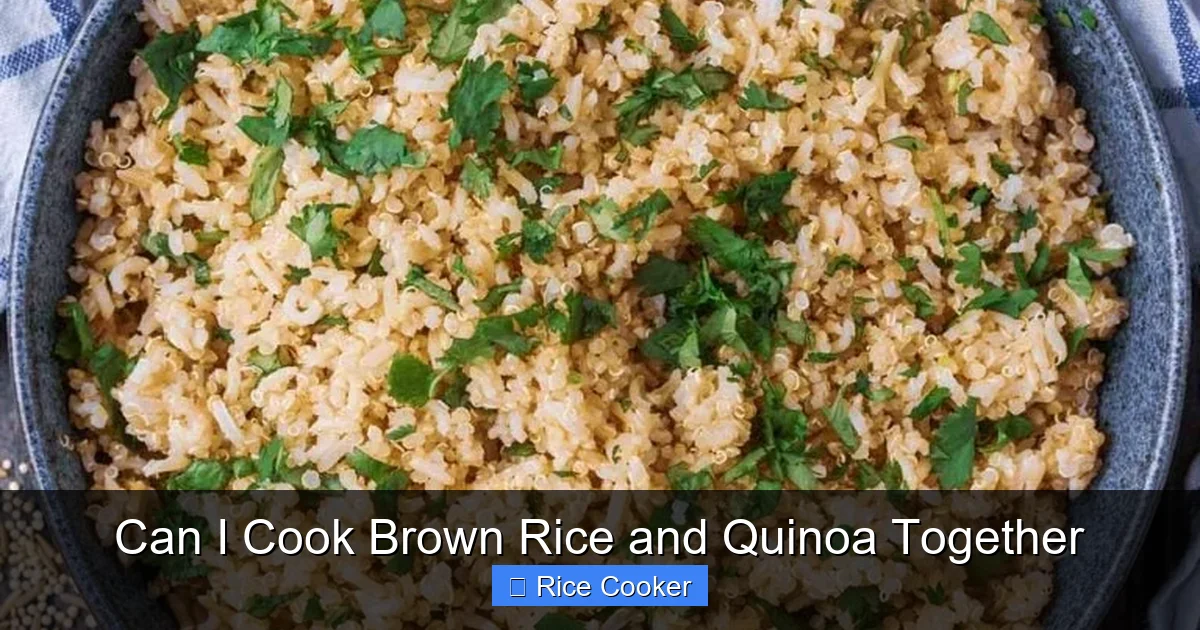
Can I cook brown rice and quinoa together? Absolutely! Combining these two superfoods in your rice cooker is easy, healthy, and delicious. With the right water ratio and cooking time, you’ll get fluffy grains without extra hassle. Whether you’re meal-prepping or making dinner tonight, this combo offers protein, fiber, and flavor in one pot.
Key Takeaways
- Yes, it’s possible: Brown rice and quinoa can be cooked together in a rice cooker with proper preparation.
- Adjust water ratio: Quinoa absorbs less liquid than brown rice—use 2:1 water-to-grain ratio overall.
- Soak or rinse first: Rinsing removes bitterness from quinoa; soaking brown rice shortens cook time.
- Cooking time matters: Expect 45–60 minutes total due to brown rice’s density.
- Nutrition boost: Together, they provide complete proteins and rich fiber content.
- Flavor flexibility: Add herbs, spices, or broth for variety without changing technique.
- Best for meal prep: The result freezes well and reheats evenly.
Key Takeaways
- Understanding can i cook brown rice and quinoa together: Provides essential knowledge
📑 Table of Contents
- Introduction: A Perfect Pairing in One Pot
- Why Cook Brown Rice and Quinoa Together?
- How to Cook Brown Rice and Quinoa Together in a Rice Cooker
- Common Mistakes & How to Avoid Them
- Tips for Perfect Results Every Time
- Creative Ways to Serve Brown Rice & Quinoa Mix
- Health Benefits of Brown Rice and Quinoa
- Frequently Asked Questions
- Conclusion: Simplicity Meets Nutrition
Introduction: A Perfect Pairing in One Pot
Cooking brown rice and quinoa together might sound like an odd mash-up at first, but trust me—this duo works surprisingly well. Both are staples of healthy eating, packed with fiber, protein, and essential minerals. Yet, they come from different plant families and have unique textures and cooking behaviors. So, can you cook brown rice and quinoa together in a rice cooker? The short answer is yes—and doing so could simplify your weeknight dinners or bulk up your lunch prep.
When combined thoughtfully, brown rice and quinoa create a satisfying, nutrient-dense side dish that’s as versatile as it is tasty. Think of it as building a grain bowl foundation: hearty enough to keep you full, yet light enough to pair with grilled chicken, roasted veggies, or tahini dressing. Plus, using your rice cooker means no babysitting the stove, fewer dishes, and consistent results every single time.
In this article, we’ll walk through everything you need to know—from why these grains complement each other to how to nail the perfect texture. We’ll also share pro tips for beginners, troubleshooting common issues, and even recipe ideas to get you started. Let’s dive into the science (and simplicity) behind cooking brown rice and quinoa together.
Why Cook Brown Rice and Quinoa Together?
Before jumping into the “how,” let’s talk about the “why.” What makes combining brown rice and quinoa such a smart move?
Nutritional Synergy
Brown rice delivers complex carbohydrates and B vitamins, while quinoa adds a complete protein profile—something most grains lack on their own. When eaten together (or ideally, in the same meal), they form what nutritionists call a complementary protein source. That means you get all nine essential amino acids, which supports muscle repair, energy production, and satiety.
Texture Harmony
Though both are whole grains, they behave differently when cooked. Brown rice tends to be chewy and slightly firm, while quinoa becomes tender with a soft, fluffy bite—and often develops a pleasant crunch at the end. When layered or mixed, they balance each other out: the rice provides structure, and the quinoa adds creaminess. It’s like peanut butter and jelly—different, but undeniably better together.
Convenience Wins
Using your rice cooker streamlines the process. You don’t need separate pots or constant stirring. Just measure, add water, press start, and go about your day. This is especially helpful if you’re meal-prepping for the week or feeding a family with limited time.
How to Cook Brown Rice and Quinoa Together in a Rice Cooker
Ready to give it a try? Here’s a step-by-step guide tailored specifically for rice cooker users.
Step 1: Measure Your Grains
Start by deciding on your serving size. A good baseline is:
– ½ cup uncooked brown rice
– ¼ cup uncooked quinoa
This yields about 1.5 cups cooked—perfect for two adults or one hearty portion with leftovers. Adjust ratios based on preference: more quinoa for extra protein, more rice for heartier meals.
Step 2: Rinse Thoroughly
Quinoa has a natural coating called saponin that tastes bitter if not rinsed off. Run it under cold water in a fine-mesh strainer until the water runs clear. For brown rice, rinsing helps remove excess starch and prevents stickiness. Both should be clean before cooking.
Step 3: Combine in the Rice Cooker Pot
Add your measured grains to the inner pot of your rice cooker. No need to toast or sauté beforehand—these grains cook beautifully from dry.
Step 4: Calculate Water Ratio
This is where many people get tripped up. Here’s the trick:
– Brown rice typically needs a 2:1 water-to-ratio (e.g., 1 cup rice : 2 cups water).
– Quinoa usually uses 1.5:1 (e.g., 1 cup quinoa : 1.5 cups water).
But since you’re cooking them together, aim for **2 cups total water per 1 cup total grain** (including both types). So for our example:
– ½ cup brown rice + ¼ cup quinoa = ¾ cup total grain
– Multiply by 2 → Use **1.5 cups water**
Some experts suggest adding just 1.75 cups to account for quinoa’s lower absorption, but erring slightly higher ensures doneness. You can always drain excess water after cooking if needed.
Step 5: Optional Enhancements
For deeper flavor, swap half the water for vegetable or chicken broth. Add a pinch of salt, a bay leaf, or fresh herbs like thyme or rosemary. These won’t affect cooking time but will elevate taste.
Step 6: Start Cooking
Close the lid, select “White Rice” or “Mixed Grain” mode if available, or use the default setting. Most rice cookers automatically switch to warm once done—usually between 45–60 minutes.
Step 7: Let It Rest
After the cycle ends, let the mixture sit covered for 10 minutes. This allows steam to redistribute moisture evenly and makes fluffing easier.
Step 8: Fluff and Serve
Use a fork to gently stir and separate the grains. If too wet, lift the lid and let it vent for a few minutes. Too dry? Drizzle with a little olive oil or water and fluff again.
Common Mistakes & How to Avoid Them
Even experienced cooks stumble sometimes. Here are frequent pitfalls and fixes:
Mistake 1: Not Rinsing Quinoa
Result: Bitter, soapy aftertaste.
Fix: Always rinse quinoa thoroughly before cooking—even if the package says “pre-rinsed.” Some brands still need it.
Mistake 2: Wrong Water Ratio
Result: Sticky mush or dry, chalky grains.
Fix: Stick to the 2:1 rule for the total grain volume. Test with smaller batches until you’re confident.
Mistake 3: Overmixing After Cooking
Result: Broken quinoa or clumpy rice.
Fix: Fluff gently with a fork—don’t stir aggressively.
Mistake 4: Skipping the Resting Period
Result: Uneven texture; water pooling at the bottom.
Fix: Always let the cooked grains rest under the lid for 5–10 minutes before serving.
Tips for Perfect Results Every Time
Want restaurant-quality results without the guesswork? Try these expert tricks:
Tip 1: Soak Brown Rice Briefly
Soaking brown rice for 20–30 minutes reduces cook time and improves digestibility. Just cover it with water and let it sit while you prep quinoa.
Tip 2: Use a Timer
If you’re new to cooking multiple grains, set a kitchen timer. Brown rice alone takes ~45 mins; with quinoa, expect closer to 55–60.
Tip 3: Check Doneness Early
Some rice cookers overcook slightly. After 50 minutes, test a grain: brown rice should be tender but still have a slight bite; quinoa should be fully expanded and soft.
Tip 4: Store Smartly
Leftovers keep in an airtight container in the fridge for up to 5 days. Reheat with a splash of water or milk to restore moisture.
Tip 5: Freeze for Future Meals
Portion cooled grains into freezer bags. Thaw overnight and reheat on stovetop or microwave. Ideal for busy weeks.
Creative Ways to Serve Brown Rice & Quinoa Mix
The beauty of this combo is its adaptability. Once you master the base, the possibilities are endless.
Grain Bowls
Top your cooked mix with black beans, corn, avocado, cherry tomatoes, and a drizzle of lime-cilantro dressing. Add grilled shrimp or tofu for protein.
Stuffed Peppers
Combine cooled grains with sautéed onions, garlic, and spices. Stuff into bell peppers, top with cheese, and bake at 375°F (190°C) for 25–30 minutes.
Breakfast Porridge
Warm the grains with almond milk, cinnamon, and a touch of maple syrup. Top with berries and nuts for a savory-sweet twist.
Soup Base
Use as a thickener or filler in minestrone, lentil soup, or mushroom barley stew. It adds body without heaviness.
Salads
Chill the grains and toss with arugula, cucumber, feta, and lemon vinaigrette. Great for picnics or meal prep lunches.
Health Benefits of Brown Rice and Quinoa
Beyond convenience, this pairing delivers serious nutritional value:
High in Fiber
Both grains support digestive health, regulate blood sugar, and promote fullness—making them ideal for weight management.
Complete Protein Source
Unlike many carbs, quinoa contains all essential amino acids. Paired with brown rice (which has lysine), they form a near-complete protein.
Rich in Micronutrients
Expect iron, magnesium, zinc, and B vitamins—especially folate and niacin—which support energy metabolism and brain function.
Heart-Healthy Fats
Quinoa provides omega-3 fatty acids (ALA), while brown rice offers lignans that may reduce inflammation.
Gluten-Free Friendly
Perfect for those avoiding gluten—both grains are naturally safe and widely tolerated.
Frequently Asked Questions
Does quinoa need to be soaked before cooking with brown rice?
No, quinoa doesn’t require soaking—just thorough rinsing to remove bitterness. Soaking is optional and mainly benefits brown rice by reducing cook time.
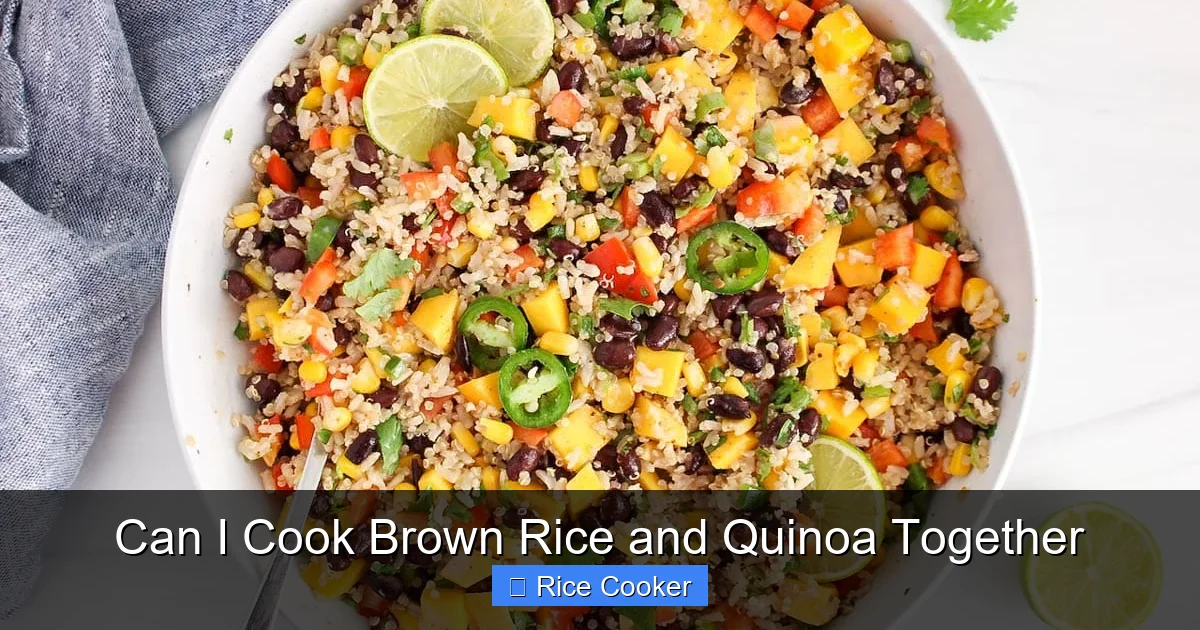
Visual guide about Can I Cook Brown Rice and Quinoa Together
Image source: recipes.net
Can I substitute white rice instead of brown?
Yes! White rice cooks faster and pairs well with quinoa. Use a 1:1:1 ratio (e.g., ¼ cup each) and adjust water to 2 cups total. Note: nutrition won’t be as high, but flavor remains great.
What if my rice cooker doesn’t have a “mixed grain” setting?
Most standard settings work fine. Just ensure adequate water and allow extra time. Avoid “quick cook” modes—they won’t give brown rice enough time to soften properly.
Can I cook them together on the stovetop?
Absolutely! Bring 1.5 cups water (or broth) to a boil, add grains, reduce heat, cover, and simmer for 50–55 minutes, checking occasionally. Stir once halfway through.
How do I prevent my grains from sticking?
Use a nonstick rice cooker pot, add a teaspoon of oil or butter with the water, and avoid overfilling. Fluff immediately after cooking to release trapped steam.
Is it okay to cook them together if I’m on a low-carb diet?
While both are higher in carbs, they’re whole-food sources with low glycemic impact. Moderation is key—pair with plenty of non-starchy vegetables to balance macros.
Conclusion: Simplicity Meets Nutrition
Cooking brown rice and quinoa together in your rice cooker isn’t just practical—it’s a win for your health, schedule, and palate. By understanding their individual needs and harmonizing them with the right water ratio and timing, you unlock a powerhouse of flavor and nutrition with zero stress.
Whether you’re building grain bowls, prepping lunches, or simply looking to eat cleaner, this duo proves that wholesome meals don’t have to be complicated. And thanks to modern rice cookers, achieving perfect results is almost automatic.
So next time you open your pantry, grab those jars of brown rice and quinoa—you’ve got everything you need for a delicious, nourishing meal. Happy cooking!
Frequently Asked Questions
What is can i cook brown rice and quinoa together?
can i cook brown rice and quinoa together is an important topic with many practical applications.