

Can you make lentils in a rice cooker? The answer is yes, and it’s one of the easiest ways to prepare nutritious, fluffy lentils without constant stirring. With the right water-to-lentil ratio and a few simple steps, your rice cooker can deliver consistent, tender results every time—perfect for busy weeknights or meal prep.
Key Takeaways
- Yes, you can cook lentils in a rice cooker – it’s convenient, hands-off, and yields consistent results.
- Use the white (or brown) setting for most lentil varieties; avoid the “quick” or “pressure” settings unless specified by your model.
- Soak lentils for 30 minutes before cooking to reduce cooking time and improve digestibility.
- Stick to a 3:1 water-to-lentil ratio for best texture—adjust slightly if using dried vs. canned lentils.
- Season after cooking to prevent mushiness and preserve flavor.
- Store properly – cooked lentils keep in the fridge for up to 5 days or frozen for months.
- Troubleshoot common issues like mushy lentils or undercooked centers with these simple fixes.
Quick Answers to Common Questions
Can you make lentils in a rice cooker?
Yes, absolutely! Lentils cook beautifully in a rice cooker with minimal effort and consistent results.
What setting should I use for lentils in a rice cooker?
Use the “White Rice” or “Normal” setting. Avoid quick-cook or pressure functions unless your model specifies otherwise.
How much water do I need for lentils in a rice cooker?
Use 3 cups of water for every 1 cup of dried lentils. Adjust slightly if you prefer firmer or softer texture.
Do lentils need to be soaked before cooking in a rice cooker?
Soaking is optional but helps reduce cooking time and improve digestibility. Soak for 30 minutes to 2 hours, then drain before cooking.
How do I prevent lentils from turning mushy in a rice cooker?
Use the correct water ratio, avoid overcooking, and don’t open the lid frequently. Also, skip red lentils if you want whole pieces—they break down easily.
📑 Table of Contents
- Can You Make Lentils in a Rice Cooker? Absolutely — Here’s How!
- Why Use a Rice Cooker for Lentils?
- Choosing the Right Lentils
- Step-by-Step Guide: Making Lentils in a Rice Cooker
- Pro Tips for Perfect Lentils Every Time
- Troubleshooting Common Lentil Problems
- Nutritional Benefits of Lentils
- Cooking Lentils Beyond the Basics
- Storing and Reheating Leftover Lentils
- Environmental and Cost-Effectiveness Advantages
- Frequently Asked Questions
Can You Make Lentils in a Rice Cooker? Absolutely — Here’s How!
If you’re like most home cooks, you probably already use your rice cooker for oatmeal, quinoa, or even steamed veggies. But did you know that this humble kitchen gadget can also be your secret weapon for making perfectly cooked lentils? Yes—those protein-packed, fiber-rich legumes you love in soups, salads, and curries can be made effortlessly in a rice cooker. No stovetop babysitting required.
Cooking lentils on the stove takes attention: you need to stir occasionally, monitor for overcooking, and adjust heat as needed. With a rice cooker, it’s mostly set-and-forget. Whether you’re prepping meals for the week or just craving a warm bowl of dal, using your rice cooker opens up a world of convenience without sacrificing taste or texture. In this guide, we’ll walk you through everything you need to know—from basic instructions to pro tips and troubleshooting—so you can master lentil cooking in no time.
Why Use a Rice Cooker for Lentils?
You might wonder: why bother with a rice cooker when you can just boil lentils on the stove? The answer lies in consistency, control, and convenience. Rice cookers regulate temperature automatically, preventing scorching and ensuring even cooking throughout. They also shut off once the liquid is absorbed, reducing the risk of burning or drying out.
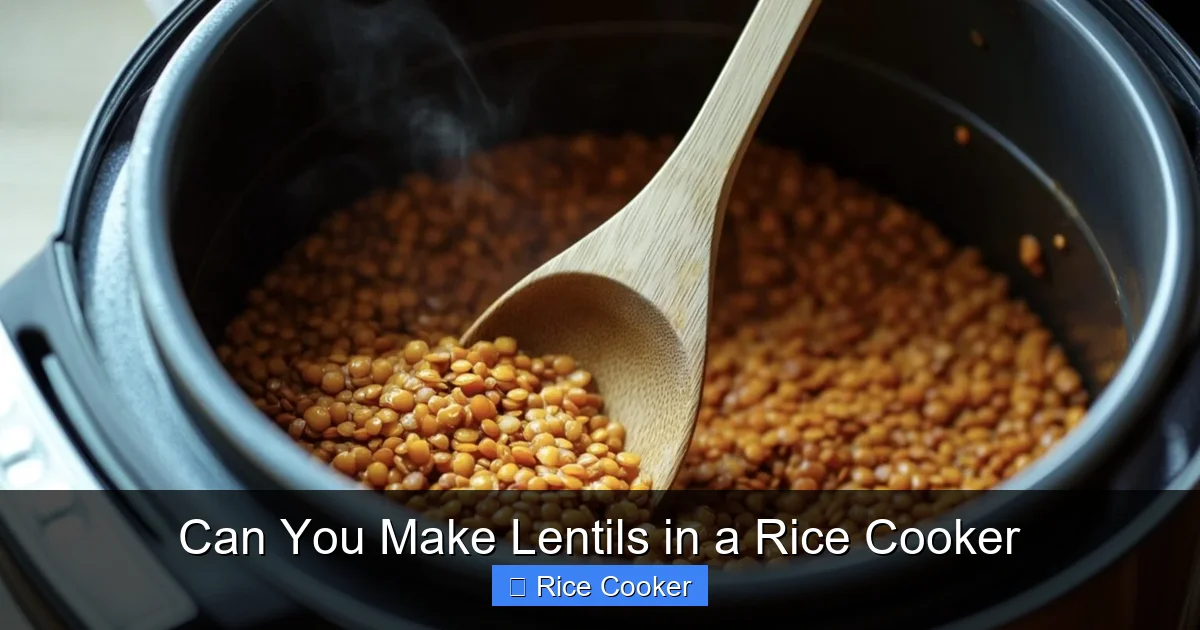
Visual guide about Can You Make Lentils in a Rice Cooker
Image source: pulserecipes.com
Plus, if you’re someone who values clean-up simplicity or lives in a small kitchen where stovetop space is limited, the rice cooker is a game-changer. It’s especially useful for dorm rooms, RVs, or apartments without full kitchens. And let’s be honest—who doesn’t love waking up to perfectly cooked lentils ready to go?
The Science Behind Perfect Lentils
Lentils contain starches and proteins that break down during cooking. Overcooking causes them to disintegrate into a mush, while undercooking leaves them hard and unpalatable. A rice cooker maintains a steady simmer, allowing lentils to absorb water evenly and reach that ideal tender-yet-firm bite—known as al dente in pasta terms.
Modern rice cookers often have multiple settings: white rice, brown rice, porridge, and sometimes even steam or quick-cook modes. For lentils, the “white” or “regular” setting works best because it mimics gentle boiling without pressure buildup.
Choosing the Right Lentils
Not all lentils behave the same way in a rice cooker. The type you choose affects cooking time, texture, and overall outcome. Let’s break down the most common varieties:

Visual guide about Can You Make Lentils in a Rice Cooker
Image source: vegetarianseat.com
Green Lentils
These are the most popular choice for whole lentils. They hold their shape well and have a mild, earthy flavor. Green lentils take longer to cook than red ones—usually 25–30 minutes in a rice cooker. They’re great in salads, stews, or as a side dish.
Brown Lentils
Very similar to green lentils but slightly darker and more widely available in supermarkets. Brown lentils cook in about 20–25 minutes and are excellent for purées or thicker dishes like dal.
Red Lentils (Yellow or Orange)
These cook quickly—often within 15–20 minutes—and tend to break apart easily. They’re perfect for creamy soups, dals, or sweet desserts. Because they soften so fast, they require less supervision.
Puy Lentils
A French variety known for its firm texture and peppery taste. These are ideal for gourmet salads and take around 25–30 minutes to cook fully.
Canned vs. Dried Lentils
While you can cook canned lentils in a rice cooker, it’s unnecessary since they’re already cooked. However, rinsing canned lentils removes excess sodium and improves texture. If you’re using dried lentils, always rinse them first to remove dirt or debris.
Step-by-Step Guide: Making Lentils in a Rice Cooker
Ready to try it yourself? Follow these simple steps for foolproof results:
Ingredients You’ll Need
- 1 cup dried lentils (any variety)
- 3 cups water (or broth for extra flavor)
- Optional: salt, garlic, bay leaf, or spices
Equipment Checklist
- Clean rice cooker with non-stick inner pot
- Measuring cup
- Fine-mesh strainer
Step 1: Rinse the Lentils
Place dried lentils in a fine-mesh strainer and run under cold water. Gently rub them between your fingers to dislodge any dust or small stones. Discard any debris that floats to the top.
Step 2: Soak (Optional but Recommended)
For faster cooking and improved digestibility, soak lentils in water for 30 minutes to 2 hours. Drain and rinse again before adding to the rice cooker.
Step 3: Add Water and Lentils
Transfer rinsed (and optionally soaked) lentils to the inner pot of your rice cooker. Pour in 3 cups of water. If you’re using broth instead of water, this adds rich flavor—great for vegetarian or vegan meals.
Step 4: Season Lightly (Optional)
Add a pinch of salt or other seasonings at this stage. Note: Avoid acidic ingredients like tomatoes or vinegar until after cooking, as acid can toughen lentils.
Step 5: Start Cooking
Close the lid and select the “White Rice” or “Normal” setting. Most rice cookers will automatically switch to “Keep Warm” once done. Total cook time varies by lentil type:
- Red lentils: 15–20 minutes
- Brown/green lentils: 20–30 minutes
- Puy lentils: 25–30 minutes
Step 6: Let It Rest
Once the rice cooker switches to “Keep Warm,” let the lentils sit for 5–10 minutes. This helps them finish cooking gently and absorb any remaining moisture.
Step 7: Fluff and Serve
Open the lid and fluff the lentils with a fork. Taste and adjust seasoning if needed. Serve hot as a side, add to salads, or blend into dals.
Pro Tips for Perfect Lentils Every Time
Even with a reliable recipe, small tweaks can make a big difference. Here are some expert-approved tips to elevate your lentil game:
Don’t Overfill the Pot
Leave at least an inch of space between the top of the lentils and the rim of the pot. Overfilling can cause splatter during cooking and trigger safety sensors.
Use Room-Temperature Water
Cold water slows down the cooking process. Using warm or room-temperature water helps lentils cook more evenly.
Stir Once Midway (If Needed)
If your lentils seem unevenly cooked after 10 minutes, open the lid and give them a gentle stir. Some rice cookers have poor heat distribution, so this step helps.
Test Doneness Before Serving
After the cycle ends, scoop out a few lentils and taste. If they’re still firm, close the lid and let them sit for another 5–10 minutes—they’ll continue cooking slightly.
Avoid Opening the Lid Frequently
Each time you open the lid, steam escapes, lowering the internal temperature. This can extend cooking time and affect texture. Only peek when necessary.
Enhance Flavor Without Compromising Texture
Add onions, carrots, celery, or herbs during cooking for depth—but remove aromatic vegetables before serving to avoid chewing tough bits. For creamy textures, mash half the batch after cooking.
Troubleshooting Common Lentil Problems
Even seasoned cooks hit snags now and then. Here’s how to fix the most common issues:
Mushy Lentils
Cause: Too much water, overcooking, or using red/yellow lentils (which break down easily).
Fix: Reduce water to 2.5 cups per 1 cup lentils. Cook for shorter intervals and test frequently toward the end. For red lentils, consider using them only in soups or purees.
Undercooked or Hard Lentils
Cause: Insufficient water, low power rice cooker, or old/dry lentils.
Fix: Increase water slightly and extend cooking time in 5-minute increments. Soaking helps, too. If your lentils are over three years old, replace them—they lose moisture and become harder to cook.
Water Doesn’t Absorb
Cause: Faulty rice cooker, incorrect ratio, or blocked drainage (if applicable).
Fix: Check your appliance’s manual. Try a different ratio—sometimes 2.5:1 works better depending on altitude or humidity. Clean the heating element regularly.
Lentils Stick to the Bottom
Cause: Not enough water or poor-quality non-stick coating.
Fix: Stir halfway through cooking. If sticking persists, oil the bottom lightly before adding lentils (use a neutral oil like avocado oil).
Rice Cooker Won’t Start
Cause: Power issue, faulty plug, or damaged inner pot not seated correctly.
Fix: Ensure the pot is fully inserted. Test another outlet. If nothing works, contact the manufacturer—your warranty may cover repairs.
Nutritional Benefits of Lentils
Beyond being incredibly easy to cook, lentils pack a serious nutritional punch. One cup of cooked lentils provides:
- 18 grams of plant-based protein
- 15+ grams of dietary fiber
- Vitamins B1, B3, B6, and folate
- Iron, magnesium, potassium, and zinc
They’re naturally gluten-free, low-fat, and cholesterol-free—making them a heart-healthy staple for vegans, vegetarians, and omnivores alike. Regular consumption supports digestive health, stabilizes blood sugar, and reduces inflammation.
Cooking Lentils Beyond the Basics
Once you’ve mastered plain cooked lentils, the possibilities expand. Try these creative ideas:
Lentil Salad Bowls
Mix cooked lentils with cherry tomatoes, cucumbers, feta cheese, olives, and a lemon-olive oil dressing. Top with fresh parsley and serve chilled.
Hearty Lentil Soup
Sauté onions, garlic, and carrots in olive oil. Add cooked lentils, vegetable broth, diced tomatoes, and spices like cumin or turmeric. Simmer for 15 minutes and blend partially for creaminess.
Vegan Lentil Meatballs
Combine mashed lentils with breadcrumbs, flaxseed, herbs, and spices. Form into balls, bake at 375°F (190°C) for 20–25 minutes, and serve in marinara sauce.
Lentil Burgers or Patties
Mash cooked lentils with oats, grated zucchini, and seasonings. Pan-fry or bake until golden. Serve on buns with tahini or avocado spread.
Sweet Red Lentil Pancakes (Halva-style)
Blend cooked red lentils with sugar, cardamom, and milk. Cook on a griddle like pancakes for a Middle Eastern-inspired treat.
Storing and Reheating Leftover Lentils
Cooked lentils keep well and actually taste better the next day as flavors meld. Store them in an airtight container in the refrigerator for up to 5 days. For longer storage, freeze in portion-sized containers for up to 6 months.
To reheat, place lentils in a microwave-safe dish with a splash of water or broth. Cover and microwave in 30-second intervals until heated through. Alternatively, warm them on the stovetop over low heat while stirring occasionally.
Environmental and Cost-Effectiveness Advantages
Using a rice cooker to make lentils isn’t just convenient—it’s eco-friendly and budget-smart. Dried lentils cost significantly less per serving than canned versions and produce zero plastic waste. Plus, rice cookers use minimal energy compared to ovens or large pots of boiling water.
In fact, studies show that preparing grains and legumes in electric appliances like rice cookers consumes less electricity than traditional methods over time. And since you’re buying in bulk, you’re supporting sustainable agriculture and reducing food miles.
Frequently Asked Questions
How long do lentils take to cook in a rice cooker?
It depends on the variety. Red lentils usually take 15–20 minutes, while brown or green lentils need 20–30 minutes. Puy lentils may require up to 30 minutes for full tenderness.
Can I cook dried lentils directly from the package?
Yes, but always rinse them first to remove dust or debris. Skipping rinsing can lead to gritty texture or unwanted particles in your final dish.
Do I need to soak lentils before cooking in a rice cooker?
Soaking isn’t mandatory but recommended. It shortens cooking time by up to 10 minutes and makes lentils easier to digest due to reduced oligosaccharides.
Can I add salt at the beginning?
Yes, but add only a light pinch. Salt can toughen legumes if added too early. Taste and adjust after cooking for best results.
What if my rice cooker has a “Quick Cook” setting?
Avoid using quick-cook or pressure settings unless your model specifically lists lentils as a supported ingredient. These modes generate high heat that can ruin lentil texture.
Can I cook lentils with rice in the same pot?
Only if your rice cooker has separate compartments or if you’re using a model designed for dual cooking. Otherwise, lentils and rice have different optimal water ratios and cook times.
How much water should I use per cup of lentils?
The standard ratio is 3 cups water for every 1 cup dried lentils. Adjust slightly based on desired consistency—more water = softer lentils.
Can I freeze cooked lentils?
Absolutely. Portion into freezer-safe bags or containers, label with dates, and store for up to 6 months. Thaw overnight in the fridge before reheating.
Are lentils safe for people with kidney disease?
Consult your healthcare provider, as high-potassium foods like lentils may need monitoring in certain medical conditions. Generally, though, they’re safe in moderation.
Why do some lentils float while others sink?
Floating lentils are often older or have been processed differently. They’re still edible—just rinse thoroughly before use to remove surface impurities.
Frequently Asked Questions
Can you make lentils in a rice cooker?
Yes, you can easily cook lentils in a rice cooker using the white rice setting. It’s a hands-off method that delivers perfectly cooked, tender lentils every time with just the right amount of water and proper timing.
What kind of lentils work best in a rice cooker?
Brown and green lentils work best because they hold their shape well. Red lentils cook quickly but tend to break apart, making them better suited for soups or dals rather than salads.
How long does it take to cook lentils in a rice cooker?
Red lentils take about 15–20 minutes, while brown or green lentils need 20–30 minutes. Always check doneness near the end of cooking time to avoid overcooking.
Should I soak lentils before cooking them in a rice cooker?
Soaking isn’t required but helps speed up cooking and improves digestibility. Soak dried lentils for 30 minutes to 2 hours, then drain and proceed with cooking.
Can I add salt or seasonings to lentils while cooking in a rice cooker?
Yes, you can add a pinch of salt or herbs, but avoid acidic ingredients like tomatoes or vinegar until after cooking. Season lightly at the start for best results.
How should I store leftover cooked lentils?
Store in an airtight container in the refrigerator for up to 5 days or freeze for up to 6 months. Reheat by microwaving with a splash of water or warming on the stovetop.