
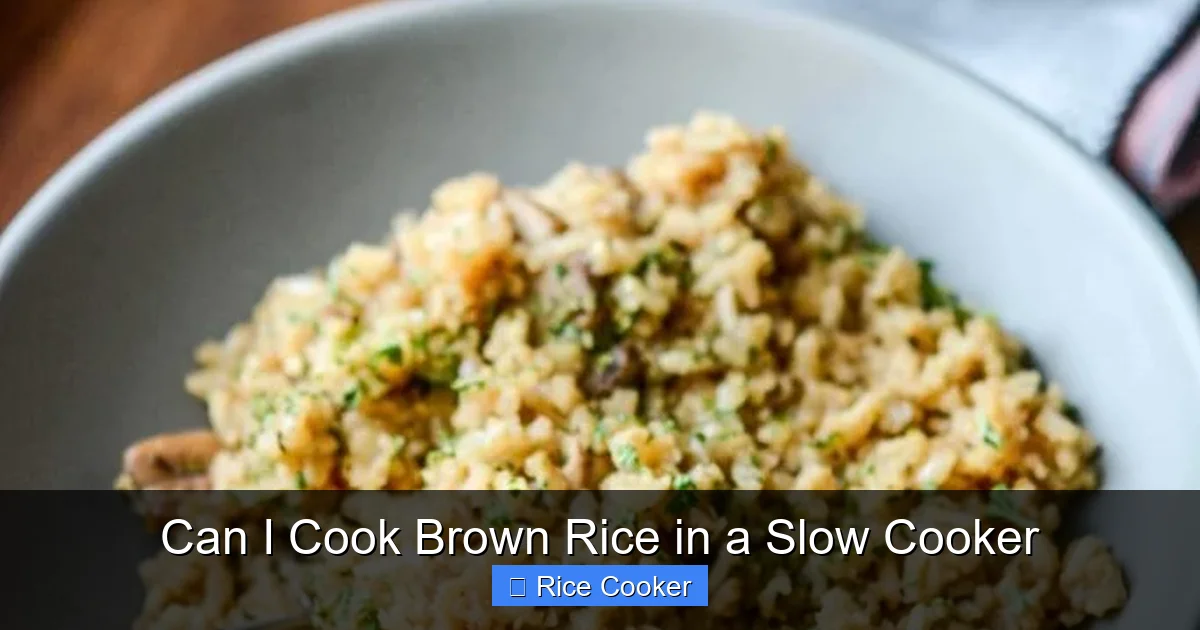
Absolutely yes—you can cook brown rice in a slow cooker! It’s one of the easiest ways to prepare wholesome, fiber-rich grains without watching the stove. With just water and a few simple steps, you’ll have tender, nutty brown rice ready in under 4 hours on low.
Using a slow cooker for brown rice means minimal effort and maximum flavor. Whether you’re meal prepping or making a side dish, this method delivers consistent results with minimal supervision. Plus, it keeps your kitchen cool and clutter-free.
Key Takeaways
- Yes, you can cook brown rice in a slow cooker: It’s a reliable, hands-off method that produces soft, evenly cooked grains.
- Use the right ratio: The standard ratio is 1 cup of brown rice to 2½–3 cups of water or broth for most slow cookers.
- Cooking time varies: Expect 2–4 hours on low or 1–2 hours on high, depending on your model and ingredients.
- Rinse and soak first: Rinsing removes excess starch, and soaking shortens cooking time and improves texture.
- Let it rest after cooking: Allow 10–15 minutes off the heat to let steam distribute and grains firm up.
- Add flavor easily: Use vegetable or chicken broth instead of water for richer taste and better nutrition.
- Clean-up is easy: Most slow cooker inserts are non-stick and dishwasher-safe for quick cleanup.
📑 Table of Contents
- Can I Cook Brown Rice in a Slow Cooker? Absolutely Yes—Here’s How
- The Science Behind Cooking Brown Rice
- What You’ll Need to Cook Brown Rice in a Slow Cooker
- Step-by-Step Guide: How to Cook Brown Rice in a Slow Cooker
- Troubleshooting Common Issues
- Tips for Perfect Brown Rice Every Time
- Health Benefits of Brown Rice
- Creative Ways to Serve Slow-Cooker Brown Rice
- Frequently Asked Questions
- Conclusion
Can I Cook Brown Rice in a Slow Cooker? Absolutely Yes—Here’s How
Have you ever stood over the stove, stirring a pot of rice every few minutes, hoping it doesn’t stick or burn? Or maybe you’re trying to meal prep for the week but dread the constant attention required? If so, you’re not alone. Cooking brown rice traditionally takes patience—it needs more water than white rice and longer cooking times. But here’s the good news: yes, you can absolutely cook brown rice in a slow cooker, and it might just become your new favorite kitchen hack.
Slow cookers, also known as crockpots, are designed for gentle, even heating over long periods. This makes them ideal for stubborn grains like brown rice, which contain more bran and fiber and take longer to soften. Instead of babysitting a pot on the stove, you can set it and forget it. In just a couple of hours, you’ll have fluffy, nutritious brown rice ready to serve as a side dish, base for bowls, or ingredient in casseroles. Plus, using a slow cooker frees up your stovetop for other dishes—perfect for busy weekdays or large family dinners.
In this guide, we’ll walk you through everything you need to know about cooking brown rice in a slow cooker. From choosing the right amount of water to timing your recipe perfectly, we’ve got you covered. Whether you’re a beginner or a seasoned home cook, these tips will help you master this simple yet powerful method.
The Science Behind Cooking Brown Rice
Before diving into the how-to, it helps to understand why brown rice behaves differently from white rice—and why a slow cooker works so well.
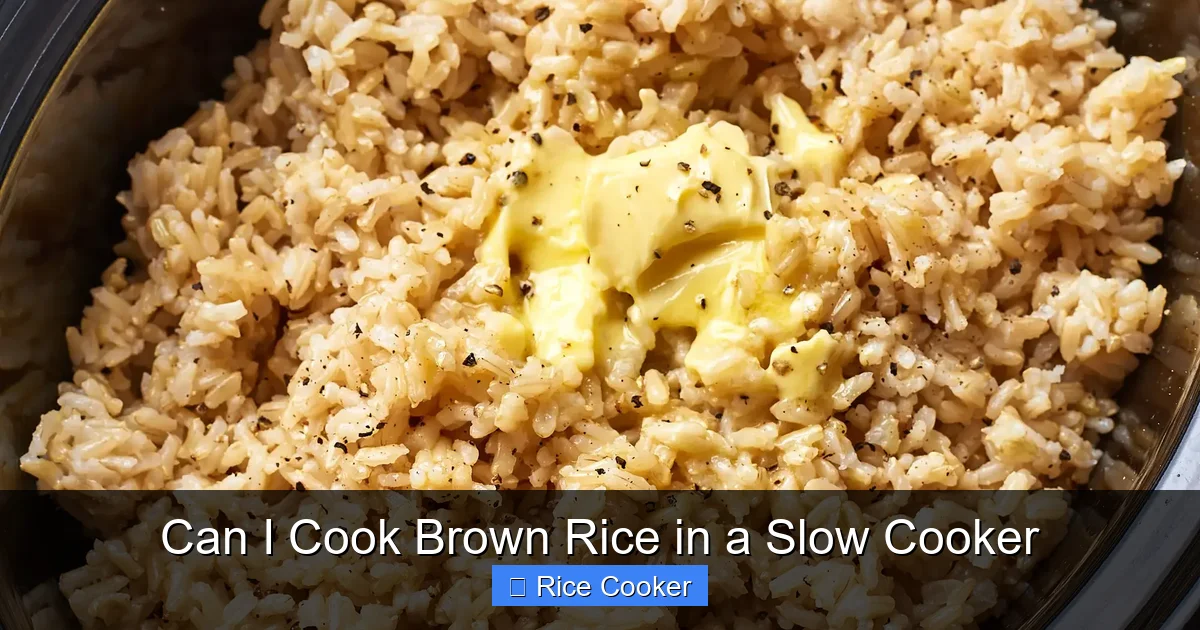
Visual guide about Can I Cook Brown Rice in a Slow Cooker
Image source: cdn.apartmenttherapy.info
Why Brown Rice Takes Longer
Brown rice retains its outer bran layer and germ, which adds nutrients but also makes it chewier and harder to digest if undercooked. Unlike white rice, which has been milled to remove these layers, brown rice needs more time and moisture to break down its complex structure. That’s why pressure cookers and traditional pots often require longer simmering times.
A slow cooker excels here because it uses low, steady heat over several hours. This gentle approach allows the rice to absorb water slowly, ensuring each grain cooks evenly without scorching. No hot spots, no sticking—just consistent tenderness.
How Slow Cookers Work
Slow cookers maintain temperatures between 170°F and 280°F (77°C to 138°C), depending on whether they’re on low or high. On low, the heat is barely above simmering, which prevents evaporation and keeps the rice moist throughout the process. This is especially helpful for dense grains like brown rice, which can dry out if cooked too quickly.
Most modern slow cookers also feature thick ceramic or enameled cast iron pots that retain heat beautifully. This means once the water reaches a boil (usually within the first 20–30 minutes), the temperature stabilizes, and the rice continues cooking without interruption.
What You’ll Need to Cook Brown Rice in a Slow Cooker
You don’t need fancy equipment or specialty ingredients. Just a few basics, and you’re ready to go.
Essential Tools and Ingredients
- Unwashed or rinsed brown rice: Use long-grain, medium-grain, or even jasmine brown rice—each works fine in a slow cooker.
- Water or broth: Plain water is fine, but broth adds flavor and nutrients. Avoid salt until after cooking to prevent toughness.
- A slow cooker: Any size works—2-quart for small portions, 4–6 quarts for families.
- A measuring cup: For accurate ratios.
- A fork or rice paddle: To fluff and stir gently after cooking.
Optional Add-Ins for Extra Flavor
Want to jazz up your rice? Try these:
- Herbs and spices: Bay leaves, garlic cloves, onion slices, or a pinch of cumin.
- Liquid enhancers: A splash of coconut milk for creamy texture or lemon juice for brightness.
- Nuts or dried fruit: Stir in almonds or raisins after cooking for a sweet-savory twist.
Remember: add delicate ingredients like dairy or fresh herbs after the rice is done, since prolonged heat can ruin their texture and taste.
Step-by-Step Guide: How to Cook Brown Rice in a Slow Cooker
Ready to try it? Follow these simple steps for foolproof results every time.
Step 1: Measure and Rinse the Rice
Start by measuring your brown rice. For every 1 cup of uncooked rice, plan for about 2½ to 3 cups of liquid. Then rinse the rice under cold running water using a fine-mesh strainer. Rinsing removes excess surface starch, which can make the rice gummy when overcooked. It also helps prevent clumping.
If you have time, soak the rinsed rice in water for 30 minutes to an hour. Soaking softens the grains and reduces cooking time by about 15–20%. Drain and rinse again before adding to the slow cooker.
Step 2: Add Liquid and Seasonings
Pour the rinsed (and optionally soaked) rice into the slow cooker insert. Add your chosen liquid—water, broth, or a mix—making sure the total volume is between 2½ and 3 times the amount of rice. For example, 1 cup rice + 2½ cups broth = perfect ratio.
If using seasonings like bay leaves or garlic, toss them in now. But avoid adding salt early; it can toughen the grains. Save salt, pepper, and other seasonings for after cooking.
Step 3: Cover and Cook
Secure the lid tightly—this traps steam and maintains humidity, crucial for tender rice. Now choose your setting:
- Low setting: Cook for 2–4 hours. This is the gentlest option and works best for most people.
- High setting: Cook for 1–2 hours. Only use this if your rice is pre-soaked or if you’re short on time.
Do not lift the lid during cooking! Every time you open it, heat escapes, and cooking time increases. Trust the process—slow and steady wins the rice race.
Step 4: Test for Doneness
After the recommended time, check the rice. It should be tender with a slight bite (al dente), and all the liquid should be absorbed. If some liquid remains, cover and cook for another 15–30 minutes on low. If it’s dry and crumbly, add ¼ cup of warm water, stir gently, and cook 10 more minutes.
Step 5: Let It Rest and Fluff
This step is critical! Turn off the slow cooker and let the rice sit, covered, for 10–15 minutes. This allows residual steam to finish cooking the grains evenly and gives them time to firm up. Then fluff with a fork or rice paddle. The result? Light, separate grains every time.
Troubleshooting Common Issues
Even with the best techniques, things don’t always go as planned. Here’s how to fix common problems.
Rice Is Too Wet or Mushy
This usually happens if you used too much liquid or didn’t let it rest. To rescue it, transfer the rice to a baking sheet, spread it thin, and warm it in a 300°F oven for 10–15 minutes to evaporate excess moisture. Alternatively, mix in a bit of uncooked rice and reheat briefly.
Rice Is Undercooked or Hard
If the center is still chewy, add ¼ cup of warm water, stir, cover, and cook 15–20 minutes longer on low. Don’t rush—brown rice won’t magically soften if skipped.
Rice Sticks to the Bottom
To prevent sticking, ensure the bottom layer isn’t dry. Always use enough liquid, and consider greasing the insert lightly with oil or butter before adding rice. Also, stir once halfway through cooking if your model allows—though many prefer not to disturb it.
Flavor Is Bland
Bland rice often means you used plain water and forgot to season. Next time, use broth instead of water. You can also sauté onions or garlic briefly in the slow cooker before adding rice and liquid for deeper flavor.
Tips for Perfect Brown Rice Every Time
Want consistent, restaurant-quality results? Follow these pro tips.
Use a Timer
Set a timer on your phone or microwave so you don’t accidentally overcook the rice. Even though slow cookers are forgiving, timing ensures reliability.
Don’t Overfill
Never fill your slow cooker past the halfway mark. Rice expands as it cooks, and overfilling can cause overflow or uneven cooking.
Experiment with Ratios
While 1:2.5 to 1:3 is standard, you can adjust based on preference. Some people like it softer (1:3.5), others firmer (1:2). Keep notes to replicate your favorite version.
Store Leftovers Properly
Cooked brown rice lasts 4–5 days in the fridge. Store in an airtight container and reheat with a splash of water or broth to restore moisture. You can also freeze it for up to 6 months.
Try Different Grains
Once you’ve mastered brown rice, experiment with wild rice, barley, or even quinoa in your slow cooker. The method stays the same—just adjust cooking times slightly.
Health Benefits of Brown Rice
Beyond convenience, cooking brown rice in a slow cooker lets you enjoy its full nutritional profile.
Rich in Fiber and Nutrients
Brown rice is packed with fiber, magnesium, selenium, and B vitamins. Its higher fiber content supports digestion, stabilizes blood sugar, and keeps you fuller longer. Unlike refined grains, it retains its whole grain integrity, meaning more antioxidants and phytochemicals.
Lower Glycemic Index Than White Rice
Because of its intact bran and germ, brown rice digests more slowly, leading to steadier energy levels. This makes it a great choice for diabetics or anyone managing weight.
Versatile and Low-Carb Friendly
One cup of cooked brown rice contains about 45 grams of carbs and 8 grams of fiber—netting roughly 37 grams of digestible carbs. Paired with protein and healthy fats, it fits well into low-carb or balanced diets.
Creative Ways to Serve Slow-Cooker Brown Rice
Brown rice isn’t just a side dish—it’s a blank canvas for creativity.
Bowls and Salads
Top with roasted vegetables, grilled chicken, avocado, and a tahini dressing for a nourishing lunch. Or mix with black beans, corn, and lime juice for a Tex-Mex twist.
Casseroles and Stuffings
Use it as a base for shepherd’s pie, mushroom risotto-style dishes, or Thanksgiving stuffing. The slow-cooked texture holds up beautifully when baked.
Desserts and Snacks
Sweeten with cinnamon, maple syrup, and nuts for a warm breakfast porridge. Or form into balls with dates and cocoa powder for healthy snacks.
International Flavors
Make Indian jeera rice by adding cumin seeds to the broth. Or try Thai-inspired brown rice with lemongrass, ginger, and coconut milk.
Frequently Asked Questions
Can I cook brown rice directly from dry in a slow cooker?
Yes, absolutely. There’s no need to toast or pre-cook brown rice before adding it to the slow cooker. Just rinse it, add liquid, and cook as directed. Starting with dry rice is faster and simpler than traditional stove-top methods.
Do I need to soak brown rice before slow cooking?
Soaking is optional but beneficial. It reduces cooking time and improves texture by softening the grains. Soak for 30 minutes to 1 hour, then drain and rinse before cooking. If you’re short on time, skip soaking—the slow cooker will still work perfectly.
Can I cook brown rice in a slow cooker with a glass lid?
Yes, but a tight-fitting lid (glass or plastic) is essential to trap steam. Make sure the lid seals well—any gaps will allow heat and moisture to escape, extending cooking time and risking dryness. If your slow cooker came with a glass lid, it’s likely designed for this purpose.
How do I prevent brown rice from turning mushy in a slow cooker?
Use the correct water ratio (1:2.5 to 1:3), avoid lifting the lid during cooking, and let the rice rest after it’s done. Overcooking is the main culprit—stick to recommended times and test for doneness before serving.
Can I add salt or seasonings while cooking brown rice in a slow cooker?
It’s best to add salt after cooking, as early salt exposure can toughen the grains. However, you can add aromatic ingredients like bay leaves, garlic, or onion during cooking for flavor without affecting texture. Just remove any solid herbs before serving.
Is slow-cooked brown rice safe to eat if I leave it unplugged overnight?
No. Once the rice is fully cooked and removed from heat, bacteria can grow rapidly at room temperature. Always refrigerate leftovers within 2 hours of cooking. If you plan to leave rice sitting, keep it in the slow cooker on the “warm” setting only—not above 140°F—for no more than 2 hours.
Conclusion
Cooking brown rice in a slow cooker isn’t just possible—it’s one of the easiest, healthiest, and most versatile ways to enjoy this superfood. With minimal prep and zero constant attention, you can come home to perfectly cooked, nutty-flavored grains that pair beautifully with almost any meal. Whether you’re feeding a crowd or whipping up a quick dinner, this method saves time, reduces cleanup, and delivers consistent results.
From understanding the science behind brown rice to mastering timing and flavor combinations, we’ve covered all the essentials. Remember: rinse your rice, use the right water ratio, cook low and slow, and let it rest. And don’t be afraid to get creative—your slow cooker is a gateway to endless delicious possibilities.
So next time you’re craving something wholesome and satisfying, reach for your slow cooker and a bag of brown rice. Your future self—and your taste buds—will thank you.
Frequently Asked Questions
What is can i cook brown rice in a slow cooker?
can i cook brown rice in a slow cooker is an important topic with many practical applications.