
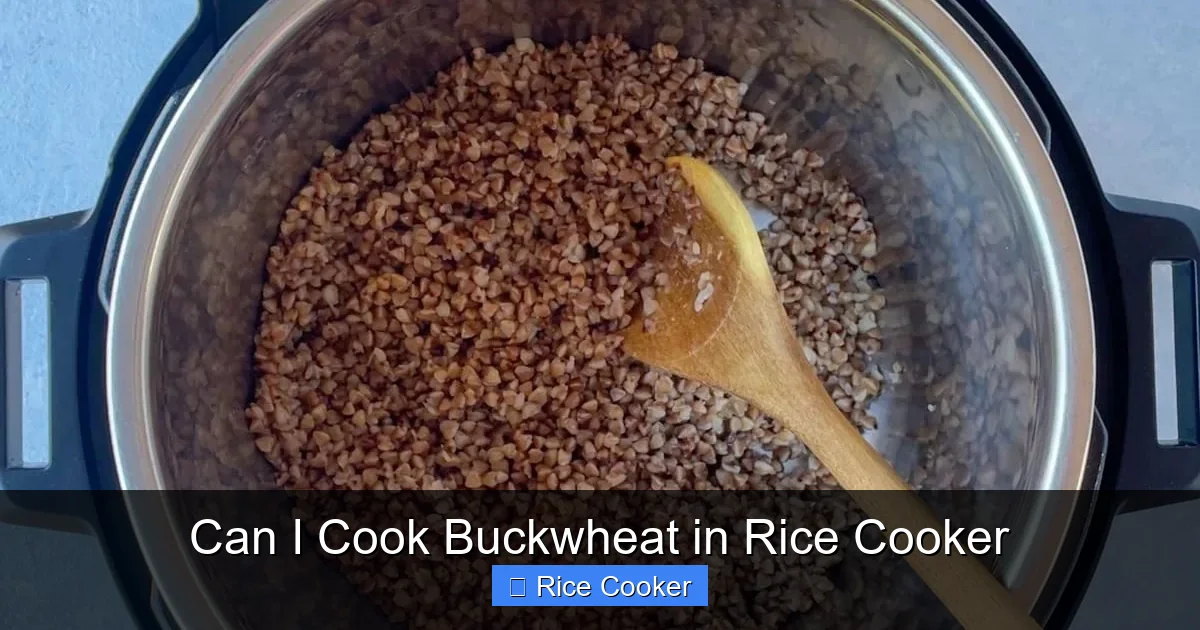
Absolutely! You can cook buckwheat in a rice cooker with the right ratio and technique. It’s quick, easy, and yields delicious, nutritious results every time. Whether you’re looking for a gluten-free grain alternative or just want to try something new, buckwheat adapts beautifully to your rice cooker. With minimal prep and no constant monitoring, it’s a hassle-free way to enjoy this superfood grain.
Key Takeaways
- Yes, buckwheat cooks perfectly in a rice cooker. It requires a 2:1 water-to-buckwheat ratio and about 20–25 minutes of cooking time.
- Buckwheat is gluten-free and nutrient-dense. It’s rich in protein, fiber, antioxidants, and essential minerals like magnesium and manganese.
- No soaking required. Unlike other grains, raw buckwheat can be cooked directly without pre-soaking.
- Flavor and texture vary by type. Kasha (roasted) has a nuttier taste, while green buckwheat is milder and chewier.
- It’s versatile in recipes. Use it in porridge, stir-fries, salads, or as a breakfast bowl with milk and fruit.
- Cleaning is easy. Most rice cookers have a non-stick inner pot that makes cleanup a breeze.
- Adjustments can improve results. Rinse lightly, use slightly less water for firmer texture, or add salt for flavor.
📑 Table of Contents
- Can I Cook Buckwheat in Rice Cooker? Absolutely—Here’s How!
- Understanding Buckwheat: What Is It and Why Use It?
- Why Use a Rice Cooker for Buckwheat?
- Step-by-Step Guide: Cooking Buckwheat in a Rice Cooker
- Recipe Variations: Beyond Plain Buckwheat
- Troubleshooting Common Issues
- Tips for Perfect Buckwheat Every Time
- Storing and Reheating Buckwheat
- Frequently Asked Questions About Cooking Buckwheat in a Rice Cooker
- Final Thoughts: Embrace the Versatility of Buckwheat
Can I Cook Buckwheat in Rice Cooker? Absolutely—Here’s How!
You might be wondering if your trusty rice cooker can handle more than just white rice. The short answer? Yes, you can absolutely cook buckwheat in a rice cooker. In fact, it’s one of the most straightforward and foolproof methods for achieving perfect, consistent results. Buckwheat, often called “pseudo-cereal,” isn’t technically a grain but thrives in similar cooking conditions as rice. And guess what? Your rice cooker is built for exactly that kind of versatility.
Whether you’re following a gluten-free diet, seeking a high-protein breakfast option, or just curious about ancient grains, buckwheat is a fantastic choice. It has a rich, earthy flavor, chewy texture, and impressive nutritional profile. Best of all, cooking it in a rice cooker takes the guesswork out of timing and monitoring. No more watching the stove or worrying about burning it. Just add water, press a button, and let science do the rest.
In this guide, we’ll walk you through everything you need to know—from choosing the right type of buckwheat to troubleshooting common issues. You’ll learn how to make fluffy kasha, hearty green buckwheat porridge, and even how to customize your recipe for different textures and flavors. Plus, we’ll share pro tips to elevate your buckwheat game, whether you’re cooking for one or feeding a family.
Understanding Buckwheat: What Is It and Why Use It?
Before diving into the how-to, let’s talk about what buckwheat actually is. Despite its name, buckwheat is not related to wheat—it’s part of the rhubarb family. This gluten-free pseudo-grain has been a staple in Asian, Eastern European, and Native American cuisines for centuries. Its seeds are harvested, hulled, and then either roasted (for kasha) or left raw (for green buckwheat).

Visual guide about Can I Cook Buckwheat in Rice Cooker
Image source: ricecookerjunkie.com
The Nutritional Powerhouse
Buckwheat stands out in the world of grains for its exceptional nutrition. A single cup of cooked buckwheat contains:
- About 200 calories
- 6 grams of protein
- 3.4 grams of dietary fiber
- Rich in magnesium, manganese, copper, and iron
- Contains rutin, a flavonoid linked to improved circulation and eye health
Because it’s naturally gluten-free, it’s a safe choice for those with celiac disease or gluten sensitivity. And unlike refined grains, buckwheat retains its bran and germ, meaning it’s packed with nutrients and complex carbohydrates that support steady energy levels.
Types of Buckwheat: Kasha vs. Green
There are two main varieties you’ll encounter:
- Kasha (roasted buckwheat): The hulls are removed and the groats are roasted until dark. This gives kasha a deep, nutty flavor and firm texture. It’s commonly used in Russian, Polish, and Jewish dishes like pierogi fillings and borscht.
- Green buckwheat (raw groats): These are unroasted and retain a lighter color and milder taste. They’re chewier and take longer to cook. Green buckwheat is popular in Japanese soba noodles and Korean meals.
Both types work well in a rice cooker, though kasha tends to absorb liquid faster due to its roasted nature. We’ll cover both in our recipes below.
Why Use a Rice Cooker for Buckwheat?
So why go through the trouble of buying buckwheat when rice cookers already do rice? Great question. While rice cookers are excellent for traditional grains, they offer unique advantages for buckwheat:
- Consistent Results: The precise temperature control ensures even cooking without scorching.
- Hands-Off Convenience: Set it and forget it. Perfect for busy mornings or meal prep.
- Energy Efficient: Uses less power than boiling on the stove.
- Non-Stick Surface: Easy cleanup, especially with modern ceramic-coated pots.
- Scalable: Makes large batches ideal for meal planning.
If you’ve ever struggled with undercooked or mushy buckwheat on the stovetop, a rice cooker eliminates those variables. It’s like having a personal sous chef who never sleeps.
Step-by-Step Guide: Cooking Buckwheat in a Rice Cooker
Ready to get started? Follow these simple steps for foolproof buckwheat every time.
Gather Your Ingredients and Tools
You’ll need:
- 1 cup buckwheat groats (kasha or green)
- 2 cups water (or broth for extra flavor)
- Your rice cooker with a standard inner pot
- A fine-mesh strainer (optional, for rinsing)
- A measuring cup
Note: If using kasha, you may skip rinsing since roasting removes impurities. Green buckwheat benefits from a light rinse to remove dust.
Step 1: Measure and Prepare the Buckwheat
Use a dry measuring cup to scoop 1 cup of buckwheat. For kasha, give it a quick stir. For green buckwheat, run it under cool water in a strainer for 30 seconds. This removes any debris and helps prevent cloudiness in the final dish.
Step 2: Add Water and Buckwheat to the Pot
Add the buckwheat and 2 cups of water (or liquid) to the inner pot of your rice cooker. Stir gently once to distribute evenly.
Pro Tip: For fluffier results, use filtered or room-temperature water. Cold tap water can affect cooking time slightly.
Step 3: Close the Lid and Select the Setting
Plug in your rice cooker, close the lid securely, and press the “Cook” button. Most models will default to the standard rice setting, which works perfectly for buckwheat. Avoid using the “Quick Cook” or “Porridge” settings unless specified—these are better suited for shorter-grain varieties like oats or barley.
Step 4: Wait for the Timer
Cooking time is typically 20–25 minutes. Once the timer goes off, let the pressure release naturally for 5–10 minutes before opening the lid. Then fluff the buckwheat with a fork to separate any clumps.
Step 5: Serve or Store
Enjoy immediately as is, or use it in your favorite recipe. Leftovers store well in an airtight container in the fridge for up to 5 days or frozen for up to 3 months.
Recipe Variations: Beyond Plain Buckwheat
Once you master the basics, the possibilities are endless. Here are three delicious ways to elevate your buckwheat:
1. Creamy Buckwheat Porridge (Breakfast Bowl)
For a warm, comforting breakfast, try this dairy-free version:
- 1 cup green buckwheat
- 2.5 cups unsweetened almond milk (or water)
- 1/2 tsp cinnamon
- Pinch of salt
- Toppings: fresh berries, sliced banana, chia seeds, maple syrup
Follow the standard cooking method, but add cinnamon and salt to the liquid. After cooking, stir in a splash of vanilla extract for extra depth. Top with your favorite fruits and nuts before serving.
2. Savory Buckwheat Pilaf with Vegetables
Perfect for lunch or dinner, this pilaf is loaded with flavor:
- 1 cup kasha
- 2 cups vegetable broth
- 1 tbsp olive oil
- 1 small onion, diced
- 1 cup diced carrots and celery
- Salt and pepper to taste
Heat oil in a skillet, sauté onions and veggies until soft. Transfer to rice cooker with kasha and broth. Cook as usual. Season with herbs like thyme or rosemary after cooking.
3. Sweet Buckwheat Pancakes
Turn leftover cooked buckwheat into fluffy pancakes:
- 1 cup cooked buckwheat
- 1 egg
- 1/4 cup milk (dairy or plant-based)
- 1 tsp baking powder
- Honey or maple syrup for sweetness
Mix all ingredients until smooth. Cook on a greased skillet over medium heat until golden on both sides. Serve with fruit and yogurt.
Troubleshooting Common Issues
Even with the best techniques, you might run into a few hiccups. Here’s how to fix them:
Too Mushy?
If your buckwheat turns out too soft, you likely used too much water. Next time, reduce water to 1.75 cups for 1 cup of buckwheat. Also, avoid lifting the lid during cooking—this releases steam and disrupts the process.
Undercooked or Gummy?
This usually happens with green buckwheat, which needs more time. Try increasing cooking time by 5 minutes or using a higher water ratio (up to 2.25 cups). Make sure the inner pot is clean—old residue can affect heat distribution.
Burnt Bottom?
Overcrowding or low water can cause scorching. Always use the recommended water ratio and don’t exceed 2 cups of buckwheat in a standard 1.5-cup capacity rice cooker. Consider using a trivet or parchment paper at the bottom for added protection.
Too Dry or Crunchy?
This suggests insufficient liquid. Increase water slightly and check the sealing ring on your rice cooker lid. A damaged seal can lead to steam loss, drying out the food.
Tips for Perfect Buckwheat Every Time
Want to become a buckwheat pro? Try these expert tips:
- Rinse green buckwheat lightly. It removes natural saponins that can cause bitterness.
- Toast kasha first (optional). Sauté in a dry pan for 2–3 minutes before adding water for deeper flavor.
- Season the cooking liquid. Add salt, garlic, or herbs to the water for a flavor boost.
- Let it rest after cooking. This helps the moisture distribute evenly.
- Experiment with ratios. Try 1:1.5 (buckwheat to liquid) for firmer texture or 1:2.5 for softer, porridge-like consistency.
- Use a timer. Even though most rice cookers auto-shut off, timing ensures consistency across batches.
Storing and Reheating Buckwheat
Freshly cooked buckwheat keeps well, but proper storage matters. Cool it completely before transferring to an airtight container. Refrigerate for up to 5 days or freeze in portion-sized bags for up to 3 months.
To reheat:
- Microwave: Add a splash of water and cover with a damp paper towel. Heat in 30-second intervals.
- Stovetop: Warm in a saucepan with a bit of broth or water, stirring occasionally.
- Air fryer: Heat at 325°F (160°C) for 3–5 minutes to revive texture.
Reheated buckwheat may be slightly drier, so always add a little liquid as needed.
Frequently Asked Questions About Cooking Buckwheat in a Rice Cooker
Can I substitute buckwheat with quinoa in a rice cooker?
Yes, quinoa works similarly and also cooks well in a rice cooker using a 2:1 water-to-grain ratio. Both are gluten-free and nutritious, though quinoa has a milder flavor and softer texture.
How do I know if my rice cooker is suitable for buckwheat?
Most standard rice cookers with a non-stick inner pot and adjustable settings work great. Avoid compact or travel models with limited capacity, as they may not handle larger batches or uneven heating.
Can I cook buckwheat overnight?
Yes! Many rice cookers have a “Keep Warm” function that maintains temperature without overcooking. After the cycle ends, switch to “Keep Warm” and leave it until morning. Just monitor the first time to ensure it doesn’t dry out.
Is buckwheat safe for babies?
Buckwheat is naturally gluten-free and nutritious, making it suitable for babies over 6 months old. Start with plain, well-cooked buckwheat porridge and watch for allergies. Consult your pediatrician before introducing new foods.
Can I cook buckwheat with milk instead of water?
Absolutely. Using milk or a milk alternative adds richness and creaminess. For best results, use 1.75–2 cups of liquid per 1 cup of buckwheat. Adjust sweetness to taste.
What’s the difference between buckwheat and soba noodles?
Soba noodles are made from buckwheat flour mixed with wheat flour (typically 70% buckwheat, 30% wheat). Pure soba (100% buckwheat) is darker and nuttier. Buckwheat groats, however, are whole seeds cooked like rice.
Final Thoughts: Embrace the Versatility of Buckwheat
Cooking buckwheat in a rice cooker isn’t just possible—it’s one of the easiest, most reliable ways to enjoy this superfood grain. With minimal effort and maximum payoff, you can transform a humble ingredient into a satisfying meal. Whether you’re making a hearty breakfast porridge, a savory side dish, or even desserts, buckwheat brings warmth, nutrition, and depth to your table.
And the best part? Once you master the basics, you’ll find yourself reaching for buckwheat again and again. It’s forgiving, adaptable, and endlessly creative. So next time you’re looking for something beyond plain rice, consider giving buckwheat a try—your taste buds (and your body) will thank you.
Happy cooking!
Frequently Asked Questions
Can I substitute buckwheat with quinoa in a rice cooker?
Yes, quinoa works similarly and also cooks well in a rice cooker using a 2:1 water-to-grain ratio. Both are gluten-free and nutritious, though quinoa has a milder flavor and softer texture.
How do I know if my rice cooker is suitable for buckwheat?
Most standard rice cookers with a non-stick inner pot and adjustable settings work great. Avoid compact or travel models with limited capacity, as they may not handle larger batches or uneven heating.
Can I cook buckwheat overnight?
Yes! Many rice cookers have a “Keep Warm” function that maintains temperature without overcooking. After the cycle ends, switch to “Keep Warm” and leave it until morning. Just monitor the first time to ensure it doesn’t dry out.
Is buckwheat safe for babies?
Buckwheat is naturally gluten-free and nutritious, making it suitable for babies over 6 months old. Start with plain, well-cooked buckwheat porridge and watch for allergies. Consult your pediatrician before introducing new foods.
Can I cook buckwheat with milk instead of water?
Absolutely. Using milk or a milk alternative adds richness and creaminess. For best results, use 1.75–2 cups of liquid per 1 cup of buckwheat. Adjust sweetness to taste.
What’s the difference between buckwheat and soba noodles?
Soba noodles are made from buckwheat flour mixed with wheat flour (typically 70% buckwheat, 30% wheat). Pure soba (100% buckwheat) is darker and nuttier. Buckwheat groats, however, are whole seeds cooked like rice.