
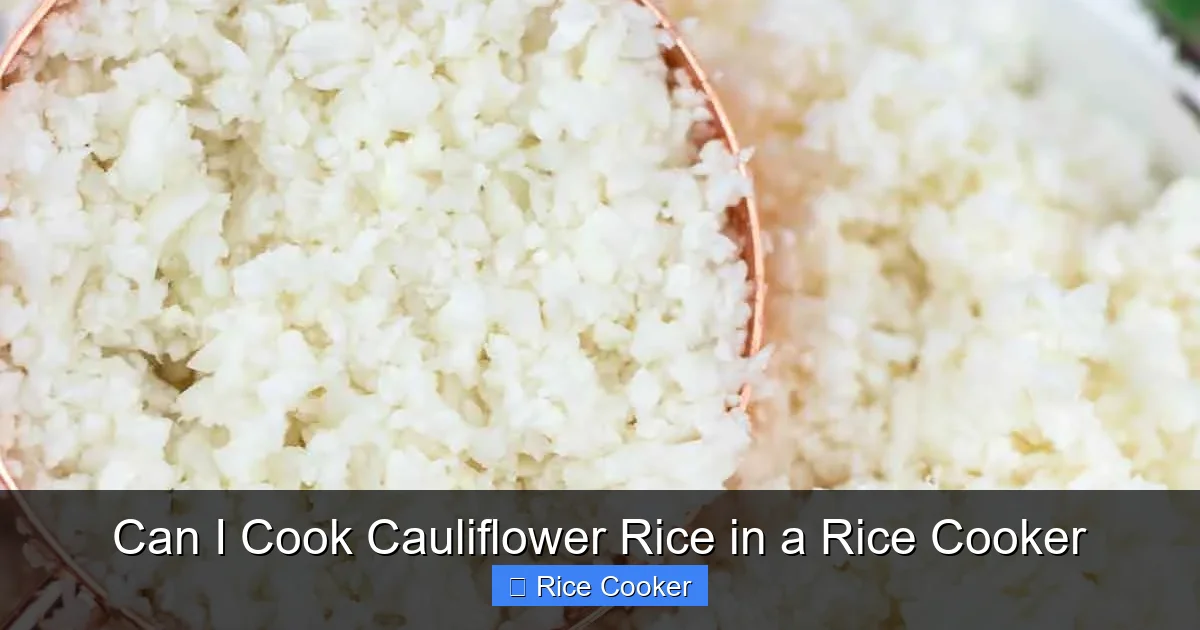
Can I cook cauliflower rice in a rice cooker? Absolutely! With the right prep and technique, your rice cooker can turn raw cauliflower into perfectly cooked, grain-free rice that’s light, fluffy, and ready in minutes. This quick and easy method saves time while keeping nutrients intact.
Key Takeaways
- Yes, you can cook cauliflower rice in a rice cooker – it’s a convenient, hands-off way to prepare this healthy alternative to white or brown rice.
- Proper preparation is key – pulse the cauliflower florets into rice-sized pieces instead of grating or chopping for the best texture.
- No water is needed – unlike traditional rice, cauliflower doesn’t require soaking or added liquid since it cooks with its own moisture.
- Fluffing matters – use a fork to gently break up clumps after cooking to mimic the fluffy texture of rice.
- Customize your flavor – season with salt, garlic, herbs, or spices before or after cooking for extra taste.
- Saves time and energy – skip the stove and let your rice cooker do the work in just 10–15 minutes.
- Great for meal prep – store in the fridge for up to 5 days or freeze for longer storage in portioned containers.
📑 Table of Contents
- Can I Cook Cauliflower Rice in a Rice Cooker?
- Why Choose Cauliflower Rice?
- What You Need: Equipment and Ingredients
- Step-by-Step: How to Make Cauliflower Rice in a Rice Cooker
- Tips for Perfect Cauliflower Rice
- Common Mistakes and How to Fix Them
- Creative Ways to Use Cauliflower Rice
- Storage and Meal Prep Tips
- Comparing Rice Cooker Methods: Pros and Cons
- Health Benefits Beyond Nutrition
- Environmental Impact
- Frequently Asked Questions About Cauliflower Rice
- Final Thoughts: Why Every Kitchen Needs Cauliflower Rice
Can I Cook Cauliflower Rice in a Rice Cooker?
You’re standing in your kitchen, staring at a head of cauliflower. You’ve heard about cauliflower rice—how it’s low-carb, gluten-free, and perfect for keto or paleo diets—but you’re not sure how to make it. Do you need a food processor? A steamer basket? Or can you just toss it into the rice cooker and press start?
The good news? Yes, you absolutely can cook cauliflower rice in a rice cooker. In fact, using a rice cooker is one of the easiest and most foolproof ways to prepare it. No special tools, no constant stirring, and no risk of burning. Just pulse, add, press, and wait. Whether you’re meal prepping, cutting carbs, or looking for a veggie-packed side dish, this method delivers consistent, delicious results every time.
In this complete guide, we’ll walk you through everything you need to know—from how to prep the cauliflower correctly to troubleshooting common issues. You’ll also learn pro tips for flavor, storage, and even how to customize the texture to your liking. Let’s get started!
Why Choose Cauliflower Rice?
Cauliflower rice has taken the health and wellness world by storm. But what makes it so popular? Let’s break down the benefits.

Visual guide about Can I Cook Cauliflower Rice in a Rice Cooker
Image source: m.media-amazon.com
Nutritional Powerhouse
One cup of raw cauliflower contains just 25 calories, yet it’s packed with vitamins C and K, folate, and fiber. When cooked, it becomes a low-calorie, high-fiber alternative to rice. It’s naturally free of gluten and grains, making it ideal for people with celiac disease or those avoiding grains for other reasons.
Low-Carb & Keto-Friendly
If you’re following a ketogenic or low-carb lifestyle, traditional rice is off the menu—but cauliflower rice is your new best friend. A single cup of cauliflower rice has only about 5 grams of net carbs, compared to 45 grams in white rice. That means you can enjoy familiar textures without the blood sugar spike.
Versatile & Flavorful
Despite being grain-free, cauliflower rice absorbs flavors beautifully. Toss it with olive oil, lemon juice, garlic, and turmeric for a golden curry-inspired dish, or stir in pesto and Parmesan for a Mediterranean twist. It works in stir-fries, salads, burrito bowls, and even as a base for fried “rice” dishes.
Easy to Digest
Unlike some raw vegetables, cauliflower rice is gentle on the stomach when properly cooked. The rice cooker softens the florets just enough to be easy to chew and digest, while preserving most of its nutrients.
What You Need: Equipment and Ingredients
Before you begin, gather these items. Don’t worry—you probably already have most of them in your kitchen.
Essential Equipment
- Rice cooker – Any standard electric rice cooker will work. Look for models with a non-stick inner pot for easier cleaning.
- Sharp knife – For trimming the stem and leaves.
- Cutting board – To keep things clean and safe.
- Food processor or box grater – For turning cauliflower into rice-sized bits.
- Fork or spoon – For fluffing the finished rice.
Optional Tools
- Steamer basket insert – Some rice cookers come with one; it helps prevent overcooking.
- Measuring cup – Useful for portion control.
Basic Ingredients
- 1 large head of cauliflower (about 2–3 cups of florets)
- Salt (optional)
- Olive oil or butter (optional, for flavor)
- Garlic powder, onion powder, or herbs (optional)
Step-by-Step: How to Make Cauliflower Rice in a Rice Cooker
Follow these simple steps to transform raw cauliflower into perfectly cooked rice.
Step 1: Prep the Cauliflower
Start by removing the outer leaves and trimming the thick stem from the cauliflower head. Cut the head into large chunks that will fit into your food processor or grater.
Step 2: Pulse Into Rice Bits
Place the florets in a food processor and pulse in short bursts until they resemble small rice grains. Avoid over-processing—you want visible crumbs, not mush. If you don’t have a food processor, use a box grater with the largest holes or a mandoline slicer set to thin slices.
Step 3: Optional: Sauté Briefly
For extra flavor, heat a tablespoon of oil in a skillet and sauté the cauliflower rice for 2–3 minutes until slightly softened. This step isn’t required, but it enhances taste and reduces rawness.
Step 4: Transfer to Rice Cooker
Pour the cauliflower rice into the inner pot of your rice cooker. Do not add any water—cauliflower releases moisture as it cooks.
Step 5: Cook on High Setting
Close the lid and select the “Cook” or “High” setting. Most rice cookers will take 8–12 minutes to fully cook the cauliflower. Avoid using the “Keep Warm” function unless you’re serving immediately.
Step 6: Let It Rest
Once the cycle ends, let the cauliflower rice sit for 2–3 minutes. This allows steam to distribute evenly and prevents mushiness.
Step 7: Fluff and Season
Open the lid and use a fork to gently fluff the rice. Add salt, herbs, or spices as desired. Drizzle with olive oil or melted butter for richness.
Tips for Perfect Cauliflower Rice
Even though cooking cauliflower rice in a rice cooker is simple, a few tricks can make it even better.
Don’t Overfill the Pot
Avoid packing the cauliflower too tightly. Leave space for air circulation so it cooks evenly. Too much in one layer can lead to uneven cooking.
Use Fresh Cauliflower
Fresh, firm cauliflower works best. Frozen cauliflower rice is convenient, but it tends to become soggy when cooked in a rice cooker. If you must use frozen, thaw it completely and squeeze out excess moisture first.
Experiment with Textures
Want firmer rice? Cook for less time. Prefer softer? Let it run an extra minute. Some rice cookers have a “Quick Cook” setting—great for testing texture.
Add Flavor Before Cooking
Toss the cauliflower rice with a pinch of salt, garlic powder, or smoked paprika before cooking. The dry spices will stick and infuse flavor during cooking.
Season After Cooking
For more control over salt and spice levels, season after cooking. A splash of lemon juice or soy sauce adds brightness and depth.
Common Mistakes and How to Fix Them
Even experienced cooks run into hiccups. Here’s how to avoid or fix common problems.
Mushy Cauliflower Rice
Cause: Overcooking or using too much water.
Solution: Cook for only 8–10 minutes. Never add water. Use fresh cauliflower and fluff gently.
Uneven Texture
Cause: Large pieces mixed with small ones.
Solution: Pulse in smaller batches in the food processor. Aim for uniform size.
Raw Taste
Cause: Insufficient cooking time.
Solution: Extend cooking time by 2–3 minutes and ensure the rice cooker reaches full heat.
Sticky or Clumpy Rice
Cause: Moisture buildup and lack of fluffing.
Solution: After cooking, open the lid and fluff thoroughly with a fork. Let excess steam escape.
Too Much Steam
Cause: Lid not sealing properly or overfilling.
Solution: Ensure the lid fits snugly. Cook in smaller batches if needed.
Creative Ways to Use Cauliflower Rice
Once you master the basics, the possibilities are endless.
Breakfast Bowls
Top cauliflower rice with scrambled eggs, avocado, spinach, and salsa for a low-carb breakfast bowl. Add a poached egg for protein.
Fried Rice Alternative
Sauté cauliflower rice with soy sauce, ginger, garlic, and your favorite veggies. Stir in beaten egg and serve with sesame seeds.
Burrito Bowls
Layer cauliflower rice with black beans, corn, salsa, and Greek yogurt. Add grilled chicken or tofu for a filling meal.
Sushi Rolls
Use cooled cauliflower rice as a wrap base for lettuce wraps or inside sushi rolls instead of rice.
Side Dish
Serve alongside grilled fish, chicken, or tofu. A sprinkle of nutritional yeast gives it a cheesy, umami kick.
Dessert Base
Mix unsweetened cauliflower rice with cocoa powder, almond milk, and stevia for a keto-friendly chocolate mousse base.
Storage and Meal Prep Tips
Cauliflower rice stores well and is perfect for busy weeks.
Refrigeration
Store in an airtight container for up to 5 days. Reheat in the microwave or on the stovetop with a splash of water to restore moisture.
Freezing
Pour into freezer-safe bags, flatten to remove air, and freeze for up to 3 months. Thaw in the fridge overnight before reheating.
Portion Control
Divide into single servings for grab-and-go meals. Label containers with dates to track freshness.
Reheating Without Mushiness
Microwave in 30-second intervals with a damp paper towel covering. Stir between intervals to redistribute heat.
Comparing Rice Cooker Methods: Pros and Cons
How does cooking cauliflower rice in a rice cooker stack up against other methods?
| Method | Time | Ease | Texture | Best For |
|---|---|---|---|---|
| Rice Cooker | 10–12 min | Very Easy | Fluffy, even | Beginners, batch cooking |
| Steaming | 8–10 min | Moderate | Light, tender | Maximum nutrition |
| Boiling | 5–7 min | Easy | Soft, may fall apart | Quick side dish |
| Sautéing | 5 min | Moderate | Chewy, flavorful | Stir-fries, curries |
The rice cooker method wins for convenience, consistency, and minimal cleanup. It’s especially great when you’re making large batches for meal prep.
Health Benefits Beyond Nutrition
Cauliflower rice isn’t just nutritious—it supports overall wellness in several ways.
Digestive Health
The fiber in cauliflower promotes regular bowel movements and feeds beneficial gut bacteria. Unlike refined grains, it doesn’t cause blood sugar crashes that can lead to digestive discomfort.
Weight Management
Low in calories and high in volume, cauliflower rice helps you feel full without excess calories. It’s a smart swap for calorie-dense sides like mashed potatoes or pasta.
Anti-Inflammatory Properties
Cauliflower contains antioxidants like sulforaphane, which may help reduce inflammation in the body. Regular consumption could support joint health and reduce chronic disease risk.
Kidney and Heart Support
Its potassium content helps balance sodium levels, supporting healthy blood pressure. Combined with fiber, it contributes to cardiovascular health.
Environmental Impact
Choosing cauliflower rice over traditional rice isn’t just good for your health—it’s better for the planet.
Lower Carbon Footprint
Traditional rice farming uses vast amounts of water and often involves flooding, which releases methane—a potent greenhouse gas. Cauliflower requires significantly less water and can be grown in diverse climates.
Sustainable Packaging
Buying cauliflower in bulk reduces plastic waste. Opt for loose cauliflower at farmers’ markets or co-ops when possible.
Local Sourcing
Support local farms growing cauliflower. Seasonal, regional produce travels fewer miles and retains more nutrients.
Frequently Asked Questions About Cauliflower Rice
Can I use frozen cauliflower rice in a rice cooker?
Yes, but frozen cauliflower rice often becomes soggy when cooked in a rice cooker. If you must use it, thaw it completely and squeeze out excess moisture before adding it to the cooker. Consider steaming or sautéing it instead for better texture.
Do I need to add water to the rice cooker?
No, you should not add water. Cauliflower contains enough natural moisture to cook properly. Adding water can lead to mushy or overly wet rice.
How long does it take to cook cauliflower rice in a rice cooker?
Most rice cookers take 8–12 minutes to cook cauliflower rice. The exact time depends on your model and the size of the pieces. Always check for doneness near the end of the cycle.
Can I cook more than one batch at once?
Yes, but cook in smaller batches to ensure even heating. Overcrowding the pot can result in uneven cooking or steaming instead of browning.
Is cauliflower rice safe for babies?
Absolutely. Once your baby starts eating solid foods (around 6 months), you can puree or finely chop cauliflower rice and steam it until very soft. It’s rich in nutrients and easy to swallow.
Can I cook cauliflower rice in a slow cooker?
It’s not recommended. Slow cookers operate at lower temperatures for longer periods, which can make cauliflower rice slimy or overcooked. Stick to a rice cooker, steamer, or stove-top method.
Final Thoughts: Why Every Kitchen Needs Cauliflower Rice
Cooking cauliflower rice in a rice cooker isn’t just a clever hack—it’s a game-changer for anyone looking to eat healthier, save time, or reduce their environmental impact. It’s simple, versatile, and consistently delicious. Whether you’re on a diet, managing a busy schedule, or just curious about plant-based eating, this method belongs in every modern kitchen.
With the steps, tips, and ideas shared here, you’re ready to make perfect cauliflower rice every time. So go ahead—grab that head of cauliflower, fire up your rice cooker, and enjoy a bowl of something truly nourishing. Your future self (and your taste buds) will thank you.
Frequently Asked Questions
Can I use frozen cauliflower rice in a rice cooker?
Yes, but frozen cauliflower rice often becomes soggy when cooked in a rice cooker. If you must use it, thaw it completely and squeeze out excess moisture before adding it to the cooker. Consider steaming or sautéing it instead for better texture.
Do I need to add water to the rice cooker?
No, you should not add water. Cauliflower contains enough natural moisture to cook properly. Adding water can lead to mushy or overly wet rice.
How long does it take to cook cauliflower rice in a rice cooker?
Most rice cookers take 8–12 minutes to cook cauliflower rice. The exact time depends on your model and the size of the pieces. Always check for doneness near the end of the cycle.
Can I cook more than one batch at once?
Yes, but cook in smaller batches to ensure even heating. Overcrowding the pot can result in uneven cooking or steaming instead of browning.
Is cauliflower rice safe for babies?
Absolutely. Once your baby starts eating solid foods (around 6 months), you can puree or finely chop cauliflower rice and steam it until very soft. It’s rich in nutrients and easy to swallow.
Can I cook cauliflower rice in a slow cooker?
It’s not recommended. Slow cookers operate at lower temperatures for longer periods, which can make cauliflower rice slimy or overcooked. Stick to a rice cooker, steamer, or stove-top method.