
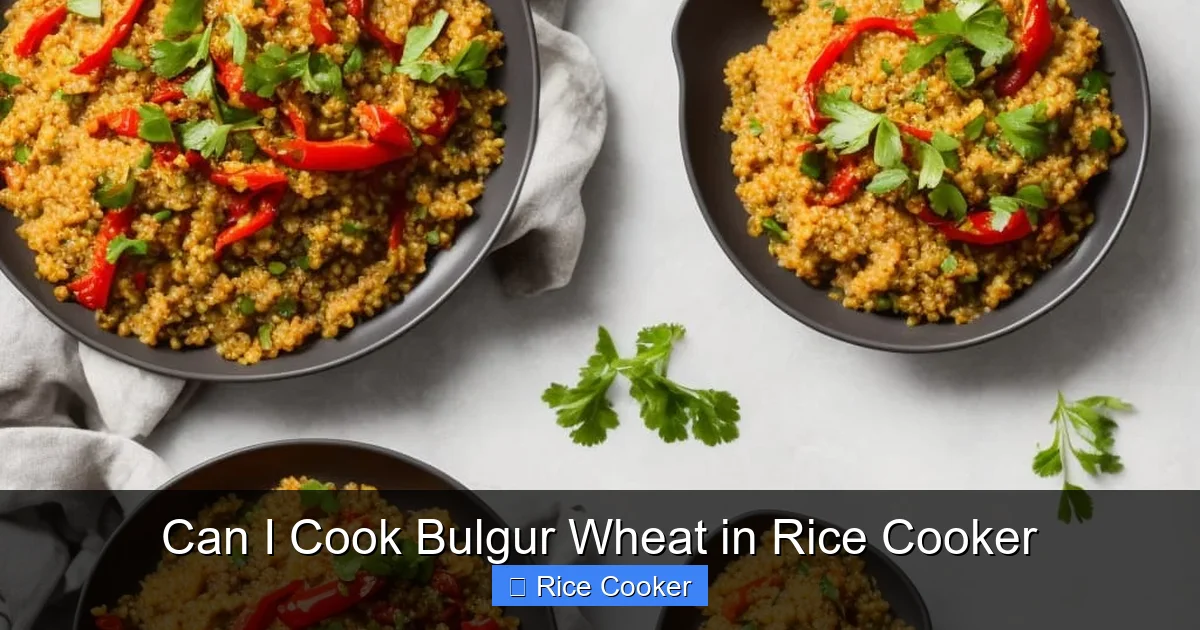
Can I cook bulgur wheat in a rice cooker? Absolutely! With the right ratio and a few simple steps, your rice cooker can produce tender, evenly cooked bulgur just like rice. This convenient method saves time, reduces cleanup, and works great for salads, side dishes, or even breakfast bowls.
Key Takeaways
- Yes, it’s possible: Bulgur wheat can be cooked in most standard rice cookers without any special modifications.
- Proper ratios are key: Use 2 cups of water (or broth) for every 1 cup of bulgur for ideal texture.
- Cooking time is short: Most varieties take only 10–15 minutes to cook fully.
- Texture matters: Fine bulgur cooks faster and absorbs more liquid; medium or coarse may need slightly less water.
- Flavor boost: Cooking bulgur in chicken or vegetable broth adds depth compared to plain water.
- Storage & reheating: Cooked bulgur keeps well in the fridge for up to 5 days and reheats easily in the microwave.
- Versatile uses: Perfect for tabbouleh, grain bowls, soups, or as a low-carb alternative to rice.
📑 Table of Contents
Can I Cook Bulgur Wheat in a Rice Cooker?
If you’re standing in your kitchen, staring at a bag of bulgur wheat and wondering whether your trusty rice cooker can handle this ancient grain, the answer is a resounding yes. Bulgur—a staple in Middle Eastern and Mediterranean cuisines—is essentially parboiled, cracked wheat that’s dried and ground into granules. It’s known for its nutty flavor and ability to absorb liquids quickly, making it an excellent candidate for one-pot cooking methods like those used in rice cookers.
Using a rice cooker isn’t just possible—it’s actually one of the easiest ways to prepare bulgur consistently. No constant stirring. No watching the pot. Just add your ingredients, press a button, and walk away. Whether you’re making a quick lunch, prepping for meal prep, or simply craving something warm and comforting, your rice cooker can do the job. Plus, it frees up your stovetop for other dishes. In this guide, we’ll walk through everything you need to know: how to cook bulgur in a rice cooker, troubleshooting tips, recipe ideas, and why this method might become your new favorite trick.
What Is Bulgur Wheat?
A Quick History and Overview
Bulgur has been around for thousands of years, originating in the Fertile Crescent—the region that includes modern-day Iraq, Syria, Lebanon, Israel, and parts of Turkey and Jordan. It was traditionally made by boiling wheat berries, then drying and cracking them into small pieces. Over time, this labor-intensive process evolved into the method we use today, where durum wheat is steamed and partially cooked before being dried and ground.
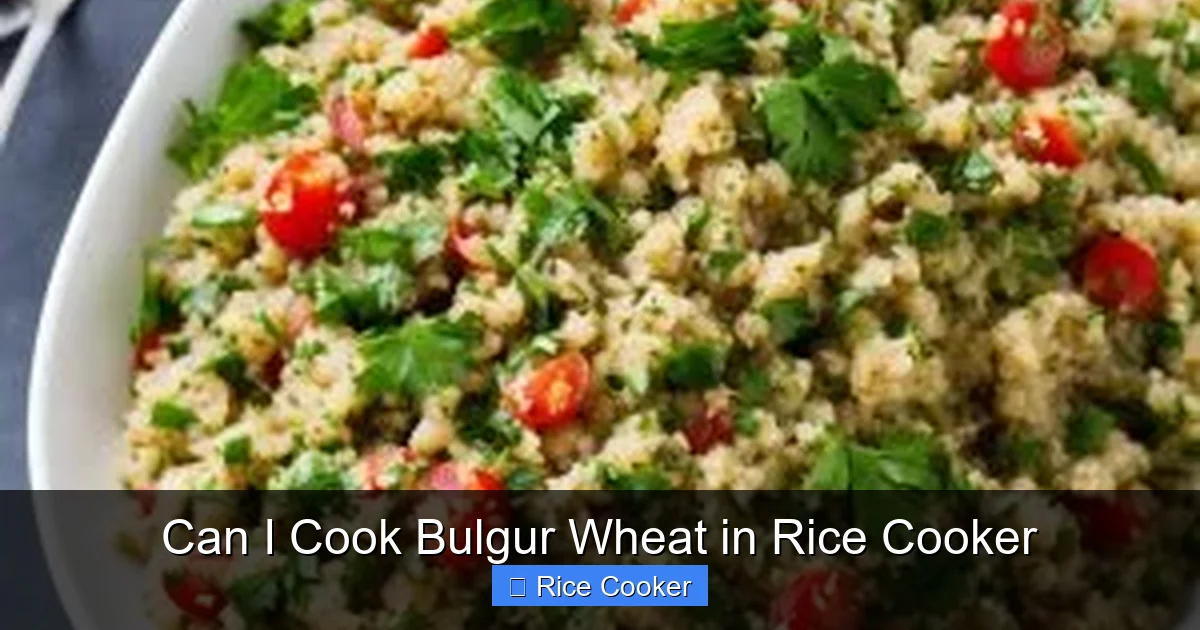
Visual guide about Can I Cook Bulgur Wheat in Rice Cooker
Image source: recipes.net
Today, bulgur comes in three main grades: fine, medium, and coarse. Fine bulgur (sometimes called “bulgur pilaf”) cooks quickly and is great for tabbouleh. Medium bulgur works well in pilafs and grain bowls, while coarse bulgur holds its shape better in soups and stews.
Why People Love Bulgur
- High in fiber: A 1-cup serving provides about 8 grams of dietary fiber, supporting digestive health.
- Gluten-containing but gentle: While not gluten-free, many people with mild sensitivities tolerate bulgur better than whole wheat because it’s partially pre-cooked.
- Quick-cooking: Ready in under 20 minutes—much faster than quinoa or farro.
- Nutrient-rich: Packed with B vitamins, magnesium, and selenium.
- Versatile: Can be served hot or cold, sweet or savory.
Do Rice Cookers Work for Bulgur?
The Science Behind One-Pot Cooking
Rice cookers rely on heat conduction and steam pressure to transfer energy evenly to dry grains. They’re designed to monitor internal temperature and automatically switch from “cooking” to “keeping warm” once the grain reaches full hydration. Since bulgur already contains some moisture from its partial cooking process, it responds beautifully to this automated system.
Unlike long-grain rice, which needs precise water-to-ratio control over hours, bulgur hydrates rapidly due to its cracked structure. That means even if you slightly overfill your rice cooker, the excess liquid will evaporate during the final heating phase without turning your bulgur mushy—though accuracy still helps.
Types of Rice Cookers That Work Best
- Basic automatic rice cookers: These work fine for bulgur. Just follow standard water ratios.
- Fuzzy logic models: Even better, since they adjust timing and temperature based on real-time conditions.
- Pressure cookers with rice settings: Not ideal unless you’re using the sauté function first to toast the bulgur (which enhances flavor).
- Slow cookers: Possible, but takes longer and risks uneven texture.
Most countertop rice cookers with capacities between 6 and 12 cups are suitable. If yours has a “quick cook” or “porridge” setting, skip it—bulgur doesn’t need extra agitation.
How to Cook Bulgur Wheat in a Rice Cooker
Step-by-Step Instructions
- Measure your bulgur: Start with 1 cup of raw bulgur (fine, medium, or coarse).
- Add liquid: Pour in 2 cups of water or unsalted broth. For richer flavor, swap half the water for stock.
- Optional: Toast lightly: Sauté bulgur in oil or butter over medium heat for 2 minutes before adding liquid. This deepens color and taste.
- Insert inner pot: Place the non-stick or stainless steel insert into your rice cooker.
- Turn on the machine: Press the “Cook” button. The rice cooker will begin heating automatically.
- Wait patiently: Cooking usually takes 10–15 minutes. Avoid opening the lid—steam builds pressure needed for even cooking.
- Let it rest: Once done, let sit for 5 minutes with the lid closed. Then fluff with a fork.
Troubleshooting Common Issues
Mushy bulgur? You likely added too much liquid. Stick to 2:1 water-to-bulgur ratio. Drain any excess after cooking.
Gummy or clumpy texture? Your bulgur may be old or stored improperly. Fresh bulgur should separate easily when fluffed.
Not enough flavor? Always use seasoned broth instead of plain water. Add herbs like thyme or oregano during cooking.
Burnt bottom? Ensure your inner pot is clean and undamaged. Some models require a thin layer of water at the base even for dry grains.
Tips for Perfect Bulgur Every Time
Choosing the Right Bulgur Grade
Fine bulgur: Ideal for tabbouleh or quick side dishes. Absorbs liquid fast—watch closely after 8 minutes.
Medium bulgur: Great balance for grain bowls and pilafs. Most commonly found in grocery stores.
Coarse bulgur: Hold their shape best in soups or stuffed peppers. May need 2.5 cups liquid per 1 cup bulgur.
Flavor Enhancements
- Drizzle olive oil after cooking for richness.
- Add lemon juice or vinegar before serving to brighten flavors.
- Toss in toasted pine nuts, currants, or parsley for classic tabbouleh style.
- Mix in crumbled feta or goat cheese for creamy contrast.
Storage and Reheating
Store cooled cooked bulgur in an airtight container in the refrigerator for up to 5 days. To reheat, place in a microwave-safe bowl, add a splash of water, cover, and heat for 1–2 minutes until warmed through. Stir halfway to prevent drying out.
Creative Recipes Using Rice-Cooker Bulgur
Classic Tabbouleh Salad
Inspired by Lebanese cuisine, this refreshing salad combines bulgur with fresh herbs, tomatoes, cucumber, and lemon dressing.
Ingredients:
- 1 cup fine bulgur
- 2 cups boiling water
- 1 bunch parsley (chopped)
- 1/2 cup mint (chopped)
- 1 large tomato (diced)
- 1/2 cucumber (diced)
- Juice of 2 lemons
- Salt and pepper to taste
Method: Cook bulgur in rice cooker. Let cool slightly. Mix all ingredients in a large bowl. Chill for at least 1 hour before serving.
Hearty Vegetable Bulgur Bowl
A satisfying one-bowl meal packed with roasted vegetables and protein.
Ingredients:
- 1 cup medium bulgur
- 2 cups low-sodium vegetable broth
- 1 zucchini (sliced)
- 1 red bell pepper (chopped)
- 1 cup mushrooms (sliced)
- 2 tbsp olive oil
- Garlic powder, paprika, salt
- Chickpeas (canned, drained)
Method: Roast veggies at 400°F for 20 minutes. Meanwhile, cook bulgur. Combine everything in a bowl. Top with tzatziki or tahini sauce.
Bulgur Breakfast Porridge
Surprising but delicious—try bulgur for a savory morning porridge.
Ingredients:
- 1/2 cup fine bulgur
- 1.5 cups unsweetened almond milk
- 1/2 cup water
- Pinch of cinnamon
- Dash of nutmeg
- Fresh fruit and honey to serve
Method:** Cook in rice cooker until thickened. Stir in cinnamon and nutmeg. Serve warm with berries and a drizzle of honey.
Comparing Rice Cooker vs. Stovetop Methods
Speed & Convenience
| Method | Average Time | Hands-On Effort | Consistency |
|---|---|---|---|
| Rice Cooker | 10–15 min | Low | Very High |
| Stovetop (simmering) | 15–20 min | Medium | Moderate |
| Oven (parboiling method) | 30+ min | High | Good |
The rice cooker wins on convenience and consistency. You don’t have to stand over the stove, stir constantly, or worry about scorching. It’s especially useful when cooking multiple dishes at once.
Texture Differences
While both methods yield edible results, rice cookers tend to produce slightly fluffier, more uniform grains. Stovetop cooking allows for greater control over doneness, but requires attention. If you prefer a chewier bite, medium or coarse bulgur cooked on the stovetop gives better results—but again, the difference is subtle for most home cooks.
Frequently Asked Questions
Can I substitute bulgur for rice in recipes?
Yes! Because bulgur cooks quickly and has a similar texture to rice, it makes a great substitute in stir-fries, casseroles, and stuffing. Use equal parts bulgur and rice, or replace rice entirely if your recipe supports it.
How much water do I need for bulgur in a rice cooker?
Use 2 cups of liquid (water or broth) for every 1 cup of bulgur. Adjust slightly based on grain size—coarse bulgur may need up to 2.5 cups, while fine bulgur might need closer to 1.75 cups.
Can I cook bulgur overnight in a slow cooker?
Technically yes, but it’s not recommended. Slow cookers maintain lower temperatures and longer cook times, which can make bulgur gummy. Stick to high-heat methods for best results.
Is bulgur healthier than white rice?
Absolutely. Bulgur retains more fiber, protein, and nutrients because it’s made from whole wheat. One cup of cooked bulgur has roughly 140 calories and 6 grams of protein—more than white rice—while offering complex carbs and essential minerals.
Can kids eat bulgur?
Yes, especially when cooked soft. Fine bulgur works well for toddlers and young children. Just ensure it’s well-fluffed and mixed with mild seasonings to avoid choking hazards.
Does bulgur need to be soaked before cooking?
No—unlike couscous, bulgur does not require soaking. Its partial cooking process allows it to absorb liquid directly during heating. Skipping soaking saves time and simplifies preparation.
Conclusion
Cooking bulgur wheat in a rice cooker is not only possible—it’s one of the simplest, most reliable ways to enjoy this nutritious grain. With minimal effort and maximum flavor potential, your rice cooker becomes a versatile kitchen ally. Whether you’re whipping up a Mediterranean salad, a hearty grain bowl, or even a savory breakfast porridge, bulgur delivers consistent results every time.
Remember: the key is using the right liquid ratio and choosing the appropriate bulgur grade for your dish. Don’t shy away from experimenting with broths, spices, and mix-ins to elevate your creations. And always let your bulgur rest briefly after cooking—this final step ensures fluffy, separated grains instead of a dense mass.
So go ahead—grab that bag of bulgur, fire up your rice cooker, and discover why generations of cooks have relied on this humble grain. Your future self will thank you for the time saved and the delicious meals ahead.
Frequently Asked Questions
Can I substitute bulgur for rice in recipes?
Yes! Because bulgur cooks quickly and has a similar texture to rice, it makes a great substitute in stir-fries, casseroles, and stuffing. Use equal parts bulgur and rice, or replace rice entirely if your recipe supports it.
How much water do I need for bulgur in a rice cooker?
Use 2 cups of liquid (water or broth) for every 1 cup of bulgur. Adjust slightly based on grain size—coarse bulgur may need up to 2.5 cups, while fine bulgur might need closer to 1.75 cups.
Can I cook bulgur overnight in a slow cooker?
Technically yes, but it’s not recommended. Slow cookers maintain lower temperatures and longer cook times, which can make bulgum gummy. Stick to high-heat methods for best results.
Is bulgur healthier than white rice?
Absolutely. Bulgur retains more fiber, protein, and nutrients because it’s made from whole wheat. One cup of cooked bulgur has roughly 140 calories and 6 grams of protein—more than white rice—while offering complex carbs and essential minerals.
Can kids eat bulgur?
Yes, especially when cooked soft. Fine bulgur works well for toddlers and young children. Just ensure it’s well-fluffed and mixed with mild seasonings to avoid choking hazards.
Does bulgur need to be soaked before cooking?
No—unlike couscous, bulgur does not require soaking. Its partial cooking process allows it to absorb liquid directly during heating. Skipping soaking saves time and simplifies preparation.