
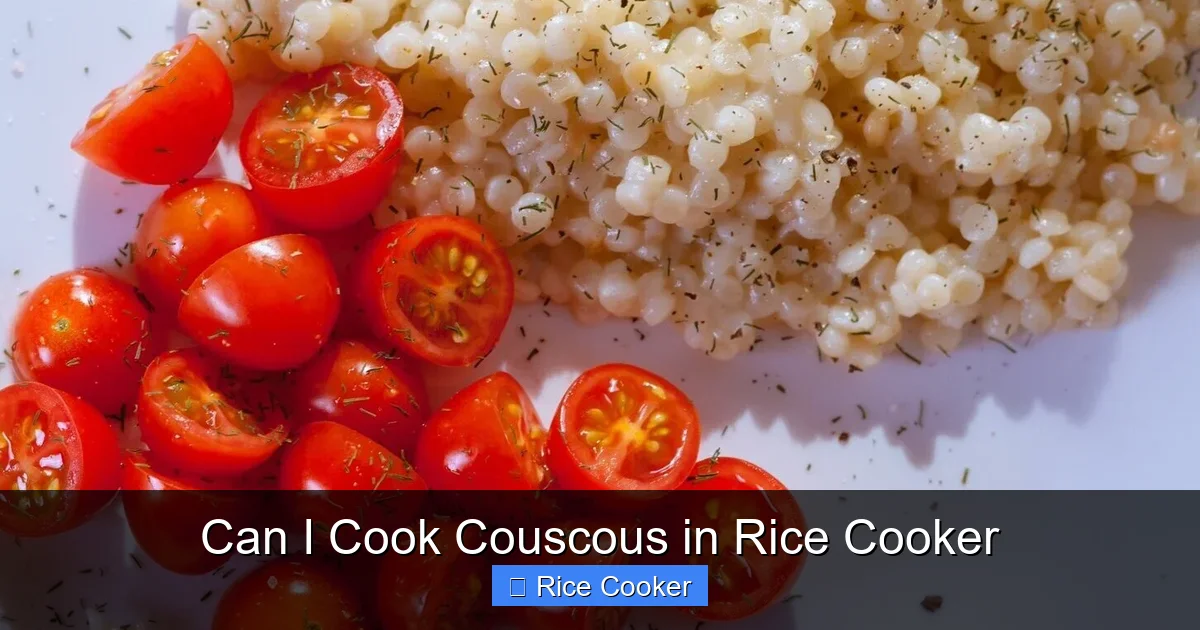
You absolutely can cook couscous in a rice cooker, and it’s one of the easiest ways to prepare this North African staple. With just water or broth and a few minutes of cooking, your rice cooker transforms tiny pasta pearls into tender, light grains that pair perfectly with salads, stews, or as a side dish. Whether you’re short on time or just want to simplify meal prep, using a rice cooker for couscous saves energy and ensures consistent results without babysitting the stove.
Key Takeaways
- Yes, couscous cooks well in a rice cooker. The appliance mimics boiling and steaming, which is ideal for couscous’s small, porous shape.
- Use a 1:1.5 ratio of couscous to liquid. For example, 1 cup of dry couscous needs about 1.5 cups of water or broth.
- Fluff with a fork after cooking. This prevents clumping and gives couscous its signature airy texture.
- Add flavor during cooking for best results. Sauté aromatics like garlic, onion, or herbs in oil before adding liquid.
- Rest time matters. Let couscous sit covered for 2–3 minutes after cooking to absorb remaining moisture.
- Rinse optional but recommended for plain varieties. Rinsing removes excess starch and reduces stickiness.
- Customize with add-ins post-cooking. Stir in olive oil, lemon juice, vegetables, or proteins while still warm.
📑 Table of Contents
- Can I Cook Couscous in Rice Cooker? Absolutely—Here’s How!
- Why Use a Rice Cooker for Couscous?
- Choosing the Right Type of Couscous
- Step-by-Step Guide: Cooking Couscous in a Rice Cooker
- Common Mistakes to Avoid
- Creative Variations and Flavor Ideas
- Cleaning Up After Cooking
- Frequently Asked Questions
- Final Thoughts: Make It a Habit
Can I Cook Couscous in Rice Cooker? Absolutely—Here’s How!
If you’ve ever wondered whether you can cook couscous in a rice cooker, the answer is a resounding yes! In fact, using a rice cooker might be one of the most convenient methods out there. Couscous—that tiny, round grain made from semolina wheat—is traditionally steamed over broth, but modern appliances like rice cookers make it even easier. Not only does it save you from watching the pot, but it also ensures perfectly cooked grains every single time.
Whether you’re making a quick weeknight dinner or prepping ahead for meal prep, cooking couscous in a rice cooker takes just five minutes of hands-on work and delivers fluffy, aromatic results. Plus, rice cookers are energy-efficient and safe—no more worrying about burning the bottom or forgetting to stir. So grab your favorite couscous (whole wheat, pearl, or Israeli style), fire up your appliance, and let’s dive into how to do it right.
Why Use a Rice Cooker for Couscous?
You might be asking yourself: Why bother using a rice cooker when you can just boil water and mix? Well, there are several compelling reasons. First, rice cookers provide consistent heat and automatic shut-off, so your couscous won’t overcook or turn mushy. Second, they reduce active cooking time by eliminating the need to monitor the stove. And third, they allow you to multitask—meanwhile, your couscous steams away while you chop veggies or sauté meat.
Visual guide about Can I Cook Couscous in Rice Cooker
Image source: images.squarespace-cdn.com
The Science Behind Perfect Couscous
Couscous expands as it absorbs liquid and dries slightly through evaporation—this is what creates its light, fluffy texture. A rice cooker replicates traditional steaming by maintaining gentle heat under pressure, which helps each grain puff up evenly without sticking together. Unlike boiling, where couscous can clump at the bottom if not stirred constantly, the sealed environment of a rice cooker prevents scorching.
Another advantage? Consistency. No more guessing whether it’s done yet. Most rice cookers have a timer and indicator light, so you know exactly when your couscous transitions from wet to ready.
Choosing the Right Type of Couscous
Before we get into the steps, let’s talk about types. Couscous comes in two main forms: instant (or traditional) and Israeli-style. Instant couscous is the tiny, pale yellow version you’ll find in most grocery stores; it cooks quickly because the grains are already partially pre-steamed. Israeli couscous, on the other hand, is larger—like oversized pearls—and takes longer to cook fully.
Both work great in a rice cooker, though instant couscous tends to yield a softer texture. If you’re using whole wheat or vegetable-infused couscous, expect a slightly chewier bite. Always check the package instructions for specific ratios, but generally speaking, a 1:1.5 ratio holds true across varieties.
Tips for Better Texture
- Don’t skip rinsing (for plain types): Rinse under cold water after cooking to remove excess starch and prevent gummy clumps.
- Season the liquid: Use seasoned broths instead of plain water for deeper flavor.
- Let it rest: After turning off the rice cooker, keep the lid closed for 2–3 minutes to finish steaming.
Step-by-Step Guide: Cooking Couscous in a Rice Cooker
Ready to try it? Here’s everything you need to know to make foolproof couscous using your rice cooker.
Gather Your Ingredients & Tools
- 1 cup dry couscous (any variety)
- 1.5 cups liquid (water, broth, or stock)
- Optional: 1 tbsp olive oil or butter
- Optional seasonings: salt, pepper, garlic powder, herbs
- Fine-mesh strainer (if rinsing)
- Fork for fluffing
Prep Work: Sauté Aromatics (Optional but Recommended)
For extra flavor, heat 1 tablespoon of olive oil in a small saucepan over medium heat. Add minced garlic, diced onion, or your favorite spices and sauté for 1–2 minutes until fragrant. Then transfer everything to your rice cooker bowl—this step builds a flavor base that infuses the entire dish.
Combine Dry Ingredients and Liquid
In the inner pot of your rice cooker, add the couscous and gently stir in the liquid. If you didn’t sauté beforehand, now’s the time to toss in any dried herbs or a pinch of salt. Give it a quick mix so the grains aren’t piled on top.
Cook It Right
Close the lid securely and select the “White Rice” or “Manual” setting. Most rice cookers will automatically switch to “Keep Warm” once done—don’t panic! That’s normal. Total cook time is usually around 8–12 minutes, depending on your model.
Rest and Fluff
Once the cycle completes, leave the lid on and let it sit for 2–3 minutes. This allows residual steam to finish hydrating the grains. Afterward, open the lid and fluff vigorously with a fork. You should see light, separate pearls—not clumps!
Serving Suggestions
Now comes the fun part: customizing! Drizzle with olive oil, squeeze fresh lemon juice, fold in roasted veggies, grilled chicken, or crumbled feta. Serve as a bed for stewed lamb or chickpeas, or stuff bell peppers alongside it. Leftovers reheat beautifully in the microwave with a splash of water.
Common Mistakes to Avoid
Even though cooking couscous in a rice cooker seems straightforward, a few slip-ups can ruin the outcome. Let’s go over what NOT to do.
Using Too Much Liquid
Too much liquid = soggy couscous. Stick to the 1:1.5 rule. If you’re unsure, start with less and add more later if needed—it’s easier than draining excess water.
Skipping the Rest Period
Resist the urge to dig in immediately after the cycle ends. The resting phase ensures even moisture distribution. Think of it like letting rice finish absorbing—without it, you get uneven bites.
Over-Fluffing
While fluffing is essential, too vigorous mixing can crush the delicate grains. Use gentle sawing motions with a fork instead of stabbing downward.
Ignoring Drainage Needs
If your rice cooker doesn’t have a built-in strainer, transfer cooked couscous to a colander after resting to drain any leftover liquid. Otherwise, it stays damp and sticky.
Creative Variations and Flavor Ideas
Couscous is incredibly versatile. Once you master the basics, you can experiment endlessly.
Herbed Mediterranean Bowl
After fluffing, stir in chopped parsley, mint, lemon zest, olives, and cubed cucumber. Top with grilled halloumi or tuna for a complete meal.
Spicy Southwest Style
Use vegetable broth flavored with cumin, chili powder, and smoked paprika. Fold in black beans, corn, diced tomatoes, and avocado before serving.
Lemon-Herb Chicken Couscous
Sauté chicken breast pieces with thyme and garlic in the rice cooker before adding couscous and broth. Simmer together for 10 minutes for a one-pot wonder.
Sweet Option: Apple-Cinnamon Couscous
Try it with apple cider and cinnamon sticks for a warm breakfast porridge. Top with yogurt and nuts.
Cleaning Up After Cooking
Most modern rice cooker bowls are nonstick and dishwasher-safe, which makes cleanup a breeze. Just rinse the inner pot while it’s still slightly warm—never use abrasive scrubbers on nonstick surfaces. Wipe the exterior with a damp cloth, and store the unit dry to prevent rust.
Frequently Asked Questions
Can I cook different grains in the same rice cooker?
Yes! Couscous works well alongside rice, quinoa, or barley in a multi-grain setting. Just adjust cook times accordingly and layer ingredients carefully.
What if my rice cooker doesn’t have a keep-warm function?
No problem. Turn off the cooker immediately after the cycle ends and transfer the couscous to an oven-safe dish. Cover loosely with foil and place in a 200°F oven for 5–10 minutes to finish drying.
Can I freeze cooked couscous?
Absolutely. Cool completely, portion into freezer bags, label, and store for up to 3 months. Reheat with a splash of water or broth in the microwave.
Is couscous gluten-free?
Traditional couscous contains gluten because it’s made from durum wheat semolina. However, many brands now offer gluten-free alternatives using corn, millet, or rice flour.
How long does homemade couscous last in the fridge?
Freshly cooked couscous keeps well in an airtight container for up to 4 days in the refrigerator. Always check for odd smells or mold before eating.
Can kids eat couscous safely?
Yes! Couscous is soft and easy to chew, making it suitable for toddlers and young children. Just ensure they’re seated upright while eating to avoid choking.
Final Thoughts: Make It a Habit
Mastering how to cook couscous in a rice cooker isn’t just about convenience—it’s about unlocking a world of quick, healthy meals. Whether you’re feeding a crowd or whipping up leftovers, this method proves reliable time and again. Plus, once you see how little effort goes into such delicious results, you’ll reach for your rice cooker more often.
So next time you’re staring at an empty pantry wondering what to make, remember: couscous + rice cooker = magic. Experiment with flavors, embrace leftovers, and enjoy the simplicity. Your taste buds—and your schedule—will thank you.
Frequently Asked Questions
Can I cook different grains in the same rice cooker?
Yes! Couscous works well alongside rice, quinoa, or barley in a multi-grain setting. Just adjust cook times accordingly and layer ingredients carefully.
What if my rice cooker doesn’t have a keep-warm function?
No problem. Turn off the cooker immediately after the cycle ends and transfer the couscous to an oven-safe dish. Cover loosely with foil and place in a 200°F oven for 5–10 minutes to finish drying.
Can I freeze cooked couscous?
Absolutely. Cool completely, portion into freezer bags, label, and store for up to 3 months. Reheat with a splash of water or broth in the microwave.
Is couscous gluten-free?
Traditional couscous contains gluten because it’s made from durum wheat semolina. However, many brands now offer gluten-free alternatives using corn, millet, or rice flour.
How long does homemade couscous last in the fridge?
Freshly cooked couscous keeps well in an airtight container for up to 4 days in the refrigerator. Always check for odd smells or mold before eating.
Can kids eat couscous safely?
Yes! Couscous is soft and easy to chew, making it suitable for toddlers and young children. Just ensure they’re seated upright while eating to avoid choking.