
Can I cook eggs in a rice cooker? Absolutely! With the right technique, your rice cooker becomes a versatile kitchen tool for preparing everything from perfectly poached eggs to creamy scrambled eggs. It’s quick, hands-off, and surprisingly effective—no special equipment needed.
Have you ever stared at your rice cooker with an idea that seems too good to be true? Like, *wait—can I actually cook eggs in this thing?* The answer is a resounding yes! And not only that—you might be surprised by how many different ways you can use your rice cooker to prepare eggs. From creamy scrambled eggs to tender poached beauties, this humble kitchen appliance has quietly become a secret weapon for home cooks who want variety without extra effort.
Most people think a rice cooker is just for rice. But here’s the fun truth: it’s a multi-functional machine that uses controlled steam and heat to cook a wide range of foods. When you add eggs into the mix, you unlock new possibilities for breakfast, snacks, or even quick dinners. Whether you’re meal prepping for the week or craving something warm on a cold morning, cooking eggs in a rice cooker is a game-changer. Let’s dive into why this method works so well—and how to do it right.
Key Takeaways
- Yes, it works: A rice cooker can safely and effectively cook eggs using steam or water-based methods.
- Multiple egg styles: You can make soft-boiled, hard-boiled, scrambled, poached, and even fried-style eggs.
- Minimal cleanup: Most rice cooker egg recipes require only one bowl and no oil, making them ideal for clean eating.
- Time-efficient: Eggs cook in as little as 5–15 minutes depending on your preferred texture.
- Great for meal prep: Batch-cook eggs ahead of time for healthy breakfasts throughout the week.
- Saves space: No need for multiple pots or pans—your rice cooker does the job.
- Beginner-friendly: These techniques are simple enough for anyone, even first-time cooks.
📑 Table of Contents
- The Science Behind Cooking Eggs in a Rice Cooker
- What Types of Eggs Can You Make?
- Essential Tools & Ingredients You’ll Need
- Step-by-Step Guide: Soft-Boiled Eggs in a Rice Cooker
- How to Make Creamy Scrambled Eggs Using Steam
- Batch Cooking Hard-Boiled Eggs for Meal Prep
- Troubleshooting Common Issues
- Creative Ways to Use Your Rice Cooker Eggs
- Cleaning Up Is a Breeze
- Final Thoughts: Why You Should Try This Today
The Science Behind Cooking Eggs in a Rice Cooker
Before we get into recipes, let’s talk about *why* this works. Eggs cook through a process called denaturation—where heat causes proteins in the egg to unfold and then re-form into a solid structure. In a traditional pan, direct heat and fat help control this process. But in a rice cooker, it’s all about steam and indirect heat.
When water boils in the inner pot, it creates steam that gently surrounds the eggs. This low-and-slow approach prevents overcooking and keeps the whites tender while allowing the yolks to reach your desired doneness. Plus, because there’s no direct contact with hot surfaces, you avoid sticking or burning—something that often trips up beginners.
Many modern rice cookers come with a “steam” function, which makes the whole process even easier. Even older models work great if you follow the right steps. The key is consistent temperature and moisture. That’s where the magic happens.
What Types of Eggs Can You Make?
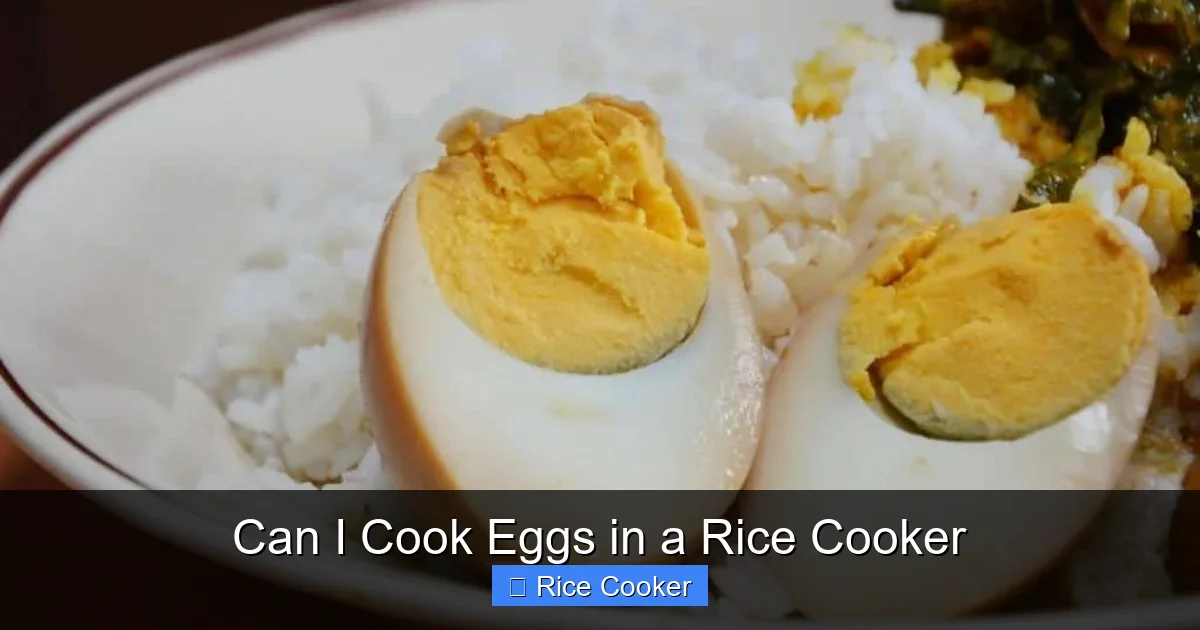
Visual guide about Can I Cook Eggs in a Rice Cooker
Image source: ovenspot.com
One of the best things about using a rice cooker is its versatility. You’re not limited to just one style of egg. Here’s what you can whip up:
Soft-Boiled Eggs
These are perfect for dipping toast in or enjoying with a sprinkle of salt and pepper. The yolk stays runny and luxurious.
Hard-Boiled Eggs
Ideal for salads, deviled eggs, or snacking. They’re easy to peel and store in the fridge for up to a week.
Scrambled Eggs
Want fluffier scrambled eggs without constant stirring? Try the steaming method. It produces tender, moist results every time.
Poached Eggs
No water bath needed! Just add a splash of vinegar (to help the whites coagulate) and let the steam do the work.
Fried-Style Eggs
Use a small ramekin or silicone mold inside the rice cooker to create sunny-side-up eggs with golden edges.
Each method takes only a few extra ingredients and a little planning, but the payoff is huge. And honestly, once you try one, you’ll wonder why you ever used a stovetop for eggs.
Essential Tools & Ingredients You’ll Need
You don’t need a fancy setup. Most of these items are already in your kitchen:
- A standard rice cooker (with a non-stick inner pot)
- Fresh eggs (the fresher, the better for peeling)
- Water (about 1 inch deep for most methods)
- Optional: vinegar, salt, butter, or cooking spray
- Silicone molds, muffin tins, or ramekins (for shaped eggs)
- Slotted spoon or tongs
Pro tip: If your rice cooker doesn’t have a steam setting, just use the regular “cook” mode. The principle remains the same—just monitor the timer closely.
Step-by-Step Guide: Soft-Boiled Eggs in a Rice Cooker
Let’s start with one of the simplest and most delicious options: soft-boiled eggs. This method gives you that perfect jammy yolk and firm-but-tender white.
What You Do:
1. Fill the inner pot with about 1 inch of water. Place the trivet or steamer basket inside.
2. Gently place 4 eggs on the trivet, standing upright if possible.
3. Close the lid and set the timer for 10–12 minutes.
4. When done, transfer the eggs to a bowl of ice water for 2 minutes to stop the cooking process.
5. Tap gently on a countertop, roll to crack the shell, then peel under cool running water.
Serve immediately with toasted sourdough, a drizzle of olive oil, and a pinch of flaky sea salt. Trust us—it tastes like a gourmet brunch at home.
How to Make Creamy Scrambled Eggs Using Steam
If you love fluffy scrambled eggs but hate babysitting a pan, this is your solution. Steam-scrambled eggs come out light, airy, and never rubbery.
What You Do:
1. Crack 3–4 eggs into a microwave-safe bowl. Whisk in a splash of milk or cream, salt, and pepper.
2. Lightly grease the rice cooker’s inner pot with butter or oil.
3. Pour the egg mixture into the pot.
4. Add ½ cup of water to the bottom of the pot (this creates steam).
5. Cover and cook on high for 8–10 minutes, checking halfway through.
6. Stir gently once or twice during cooking for even texture.
The result? Silky, custard-like scrambled eggs that rival any restaurant version. Best of all, you can make a big batch without breaking a sweat.
Batch Cooking Hard-Boiled Eggs for Meal Prep
Meal prepping just got easier. Hard-boiled eggs are shelf-stable, protein-packed, and take less than 15 minutes to cook in bulk.
What You Do:
1. Add 2 inches of water to the rice cooker and bring to a boil (or set to cook and wait until bubbling).
2. Carefully place up to 12 eggs in a single layer on the trivet.
3. Cover and cook for 15–17 minutes.
4. Transfer to ice water immediately to halt cooking and ease peeling.
5. Store peeled eggs in an airtight container with a paper towel to absorb moisture.
Now you’ve got ready-to-eat protein for omelets, salads, or snack attacks all week long.
Troubleshooting Common Issues
Even with the best techniques, sometimes things go wrong. Here’s how to fix the most common problems:
- Eggs won’t peel: This usually means they were overcooked or not cooled properly. Always use ice water after cooking and consider adding baking soda to the boiling water (½ tsp per quart) to raise the pH and loosen shells.
- Rubbery whites: Overcooking causes proteins to tighten excessively. Stick to timers and avoid opening the lid too often.
- Sticking to the pot: Use a non-stick rice cooker or lightly grease the surface before adding liquid eggs.
- Uneven cooking: Rotate the trivet halfway through or ensure water level is consistent.
Don’t worry—every cook hits snags now and then. The important part is learning from them. After a few tries, you’ll master the timing and texture.
Creative Ways to Use Your Rice Cooker Eggs
Once you’ve nailed the basics, the fun really begins. Try these creative twists:
- Make egg muffins by pouring whisked eggs into greased muffin cups placed on the trivet.
- Add cheese, spinach, or diced ham to scrambled egg mixtures before steaming.
- Use silicone egg bites molds to create perfectly round, bite-sized eggs for kids’ lunches.
- Pair soft-boiled eggs with avocado toast and microgreens for a Instagram-worthy breakfast.
- Freeze leftover cooked egg whites (from peeling) to use later in soups or baked goods.
The possibilities are endless. And since rice cookers are compact and quiet, they’re perfect for apartment living too.
Cleaning Up Is a Breeze
Here’s another perk: cleaning is super easy. For steamed eggs, just wipe out the inner pot with warm, soapy water. For scrambled or fried-style eggs, rinse the pot while it’s still slightly warm—most residue comes off with a sponge. Avoid abrasive scrubbers on non-stick coatings.
Pro tip: Line the bottom with parchment paper when cooking scrambled eggs. It slides right off!
Final Thoughts: Why You Should Try This Today
Cooking eggs in a rice cooker isn’t just clever—it’s practical. It saves time, reduces cleanup, and opens up a world of breakfast creativity. Whether you’re feeding a family, prepping for the week, or just want something comforting after a long day, this method delivers.
And the best part? You probably already own everything you need. No expensive gadgets, no complicated instructions. Just a little curiosity and maybe a splash of vinegar.
So next time you’re reaching for the stove, pause and ask yourself: *Could my rice cooker handle this?* Spoiler alert: it probably can—and it might just surprise you.
Frequently Asked Questions
Can I cook eggs in any type of rice cooker?
Yes, most rice cookers—even basic ones—work well for cooking eggs. As long as they can hold water and generate steam or heat, you’re good to go. Just avoid models with metal inner pots that aren’t compatible with eggs.
Do I need to add anything besides eggs and water?
Not always. For boiled eggs, plain water is fine. For scrambled or poached eggs, you may add a splash of milk, cream, or vinegar to improve texture or help whites coagulate.
How long does it take to cook eggs in a rice cooker?
It depends on the method. Soft-boiled eggs take 10–12 minutes; hard-boiled take 15–17; scrambled eggs need about 8–10 minutes. Always check your model’s manual for optimal settings.
Can I make fried eggs in a rice cooker?
Absolutely! Use a small ramekin or silicone egg mold greased with butter or oil, crack an egg inside, and steam for 5–7 minutes. The result is a perfectly shaped fried egg with a golden edge.
Will eggs stick to the rice cooker pot?
Only if you skip greasing or use a poor-quality non-stick coating. Always lightly coat the pot or use parchment paper to prevent sticking, especially for liquid egg dishes.
Are rice cooker eggs safe to eat?
Yes, as long as you follow food safety guidelines. Use fresh eggs, cook thoroughly, and avoid leaving cooked eggs at room temperature for more than 2 hours. Refrigerate leftovers promptly.