
Can I cook eggs in a rice cooker? Absolutely! This versatile kitchen tool isn’t just for rice—it’s a secret weapon for quick, hands-off egg dishes. Whether you’re craving fluffy scrambled eggs or perfectly soft-boiled eggs, your rice cooker can handle it with minimal effort.
Key Takeaways
- Yes, you can cook eggs in a rice cooker—it’s a simple and effective method that requires no extra equipment.
- Scrambled eggs are the easiest to make in a rice cooker, thanks to the steam and gentle heat.
- Soft-boiled and poached eggs are also possible with the right setup and timing.
- Using parchment paper or a silicone cup prevents sticking and makes cleanup a breeze.
- Timing is key—most egg recipes take 10–20 minutes depending on desired doneness.
- Cleaning your rice cooker after egg cooking is important to avoid lingering odors and residue.
- Rice cookers are ideal for batch cooking, making them great for families or meal prep.
📑 Table of Contents
- Can I Cook Eggs in a Rice Cooker? The Ultimate Guide to Egg-Citing Creations
- The Science Behind Cooking Eggs in a Rice Cooker
- Beginner-Friendly Egg Recipes You Can Make in Minutes
- Advanced Techniques: Elevate Your Rice Cooker Egg Game
- Equipment You’ll Need (and Why It Matters)
- Common Mistakes to Avoid (And How to Fix Them)
- Cleaning and Maintenance Tips
- Benefits of Cooking Eggs in a Rice Cooker
- Creative Variations and Flavor Ideas
- Final Thoughts: Is It Worth It?
Can I Cook Eggs in a Rice Cooker? The Ultimate Guide to Egg-Citing Creations
Have you ever been in the middle of making breakfast and realized you forgot to buy eggs? Or maybe you’re just looking for a new way to jazz up your morning routine without standing over a hot stove? If so, you’re in luck—because yes, you absolutely can cook eggs in a rice cooker. In fact, many home cooks are discovering this little-known trick as a game-changer for quick, mess-free meals.
A rice cooker, once thought of only as a device for boiling grains, has evolved into a multi-functional kitchen companion. With its ability to maintain consistent temperatures and create steam, it becomes an excellent vessel for cooking delicate foods like eggs. Whether you’re aiming for creamy scrambled eggs, tender poached eggs, or even a fluffy omelet, your rice cooker can deliver—without any stirring, flipping, or constant supervision.
In this comprehensive guide, we’ll walk you through everything you need to know about cooking eggs in a rice cooker. From beginner-friendly recipes to pro tips and troubleshooting advice, you’ll learn how to turn your ordinary appliance into an egg-citing powerhouse. So grab your apron, plug in your rice cooker, and let’s get cracking!
The Science Behind Cooking Eggs in a Rice Cooker
Before diving into recipes, it helps to understand why a rice cooker works so well for eggs. Unlike frying or boiling, which rely on direct contact with high heat, a rice cooker uses indirect heating and moisture control. When water evaporates, it creates a humid environment perfect for gently coagulating egg proteins.
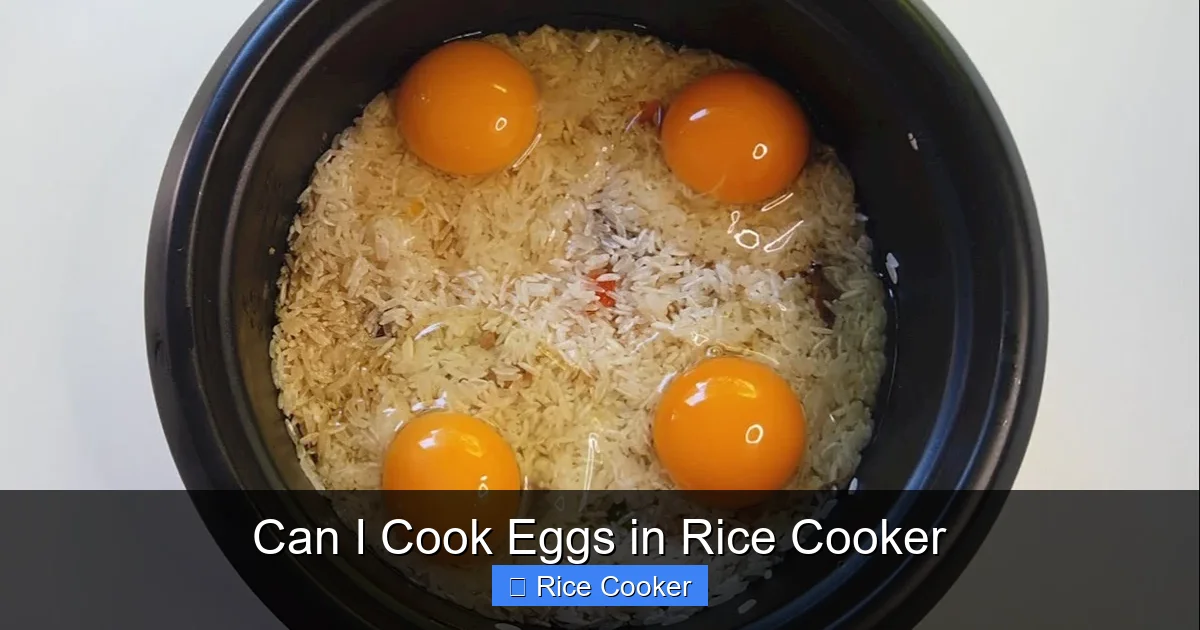
Visual guide about Can I Cook Eggs in Rice Cooker
Image source: recipes.net
How Heat and Steam Transform Eggs
Eggs are made mostly of protein, and when exposed to heat, these proteins denature and form a solid structure. In a rice cooker, the steady, moderate temperature (usually around 185°F to 200°F) allows the proteins to set slowly, resulting in tender, evenly cooked eggs. Steam plays a crucial role—it keeps the eggs moist and prevents them from drying out, especially important for scrambled eggs or custard-like textures.
Why It’s Better Than Other Methods
Frying eggs requires constant attention to prevent burning, while boiling can lead to rubbery whites or runny yolks if not timed precisely. A rice cooker eliminates guesswork. Set it and forget it—ideal for busy mornings or when you want to multitask. Plus, cleanup is minimal since you’re not dealing with oil splatters or greasy pans.
Beginner-Friendly Egg Recipes You Can Make in Minutes
If you’re new to rice cooker cooking, start simple. These three recipes are foolproof and require just a few ingredients. Each one showcases a different technique, so you can explore your options without feeling overwhelmed.
Fluffy Scrambled Eggs (The Classic Choice)
This is probably the most popular way to cook eggs in a rice cooker. All you need is eggs, milk, salt, and pepper. Beat the eggs with a splash of milk (about 1 tablespoon per egg) to add lightness. Pour the mixture into a heat-safe container lined with parchment paper or a silicone muffin cup. Place it inside the inner pot, close the lid, and select the “Steam” or “Cook” setting. After 10–12 minutes, check for doneness—the eggs should be soft and jiggly but fully set.
Pro Tip: For extra fluffiness, add a pinch of baking soda to the egg mixture. This alkalinity helps the proteins loosen up during cooking, creating air pockets that mimic traditional stovetop scrambling.
Soft-Boiled Eggs (Perfect Yolk, Easy Peel)
Want a runny yolk without the hassle of boiling water? Try this method. Fill the rice cooker with ½ inch of water, place a trivet or steamer basket inside, and crack eggs directly onto the rack. Close the lid, switch to “Steam,” and cook for 12–15 minutes. The result? Silky whites and creamy centers—just like restaurant-style soft-boiled eggs.
For peeled perfection, transfer the eggs to an ice bath immediately after cooking. This stops the cooking process and loosens the shells. Gently tap and roll the egg before peeling for easy removal.
Porridge-Style Poached Eggs
Imagine poached eggs without the bubbling water—this method uses steam to gently cook the eggs into a tender, custardy texture. Whisk 2 eggs with a teaspoon of water and pour into small ramekins or silicone cups. Cover each with a piece of parchment paper pierced in the center. Place the cups in the rice cooker with a little water at the bottom. Steam for 10 minutes. The eggs will resemble soft-scrambled eggs but retain their oval shape.
Advanced Techniques: Elevate Your Rice Cooker Egg Game
Once you’ve mastered the basics, it’s time to level up. These advanced recipes incorporate cheese, herbs, and even vegetables—all cooked entirely in your rice cooker.
Cheesy Scrambled Egg Cups
Turn your scrambled eggs into handheld snacks or breakfast bites. Mix beaten eggs with shredded cheddar, chives, and a dash of garlic powder. Pour into greased silicone muffin liners or ramekins. Steam for 10–12 minutes until puffed and golden. These are great for kids or on-the-go eating.
Vegetable Omelet Base
Prep ahead by sautéing diced bell peppers, onions, and spinach in the rice cooker using the “Sauté” function (if available). Once softened, push veggies to the side and scramble eggs over them. Cover and cook for another 5 minutes. No stovetop needed!
Deviled Eggs Without Peeling
Who says deviled eggs must be peeled? Use a piping bag to fill steamed soft-boiled eggs directly with a mixture of mashed yolk, mustard, and a touch of cream. Dust with paprika for presentation. Serve chilled—no peeling required!
Equipment You’ll Need (and Why It Matters)
To cook eggs safely and effectively in your rice cooker, you’ll need a few key tools. While some methods require nothing more than your appliance, others benefit from specific accessories.
Heat-Safe Containers
Not all bowls or cups can withstand high temperatures. Always use oven-safe glass, ceramic, or silicone containers. Parchment paper is another essential—it lines the bottom and sides of your container to prevent sticking and makes removal effortless.
Silicone Egg Cups or Ramekins
These reusable molds come in various shapes and sizes. They’re non-stick, easy to clean, and perfect for portioning eggs. Brands like Nordic Ware and Anchor Hocking offer durable options that fit snugly inside most rice cookers.
Trivets and Steamer Baskets
If steaming raw eggs (like in soft-boiled style), a trivet lifts the eggs above the water to ensure even heat distribution. Many rice cookers include one, but if yours doesn’t, you can find inexpensive ones online or repurpose a metal cooling rack.
Timer or Smartphone Reminder
Even though rice cookers have preset timers, they aren’t always accurate for delicate items like eggs. Invest in a kitchen timer or set a phone alarm to avoid overcooking.
Common Mistakes to Avoid (And How to Fix Them)
Like any new cooking technique, there are pitfalls to watch out for. Here’s how to sidestep them and achieve perfect results every time.
Mistake #1: Using the Wrong Container
Plastic or wood containers can warp or release harmful chemicals under heat. Stick to glass, ceramic, or food-grade silicone. Also, avoid metal bowls unless labeled safe for high-heat cooking.
Mistake #2: Overfilling the Pot
Leave room for expansion. If you’re making multiple eggs, stack containers carefully but don’t cram them in. Too much volume can block airflow and cause uneven cooking.
Mistake #3: Skipping the Parchment Layer
Eggs love to stick—especially when they’re still wet. A thin layer of parchment prevents adhesion and makes serving stress-free. Simply cut a circle slightly larger than your container’s base and fold the edges up.
Mistake #4: Ignoring Timing
One minute too long, and your eggs go from fluffy to rubbery. Start checking at the lower end of the recommended time. Remember, residual heat continues cooking even after turning off the rice cooker.
Mistake #5: Not Cleaning Promptly
Egg residue hardens quickly and can ruin future rice batches. Wash the inner pot while it’s still warm with soapy water and a soft sponge. Avoid abrasive scrubbers that scratch non-stick coatings.
Cleaning and Maintenance Tips
Cooking eggs in your rice cooker shouldn’t mean sacrificing hygiene. Follow these steps to keep your appliance in top shape.
Immediate Post-Use Rinse
Don’t wait. As soon as the cycle ends, rinse the inner pot under warm water. This prevents protein buildup and makes scrubbing easier.
Soak if Necessary
If stubborn bits remain, soak the pot in warm, soapy water for 10–15 minutes. Then wipe with a damp cloth or sponge. Never submerge electronic parts or leave soaked components overnight.
Deep Clean Monthly
Once a month, run an empty cycle with a cup of vinegar and water to remove mineral deposits and neutralize odors. This also sanitizes the heating element.
Store Properly
Ensure the pot is completely dry before storing. Moisture invites mold and bacteria. Keep it in a cool, dry place away from direct sunlight.
Benefits of Cooking Eggs in a Rice Cooker
Beyond convenience, there are several advantages to using your rice cooker for eggs. Let’s explore why this method stands out.
Energy Efficiency
Rice cookers use less electricity than ovens or stovetops. A typical model consumes about 300–600 watts, compared to 2,000+ watts for an electric stove burner. That means lower bills and fewer emissions—especially when cooking multiple servings.
Consistency Every Time
Unlike stovetop cooking, where flame intensity varies, rice cookers maintain a steady temperature. This consistency ensures repeatable results, whether you’re making two eggs or two dozen.
Hands-Off Convenience
Perfect for early risers who want coffee brewing and eggs cooking simultaneously. You can prep the night before, pop everything in the morning, and wake up to a hot meal.
Great for Meal Prep
Batch-cook scrambled eggs in silicone cups. Store in the fridge for up to five days. Reheat in the microwave for a quick lunch or dinner addition.
Suitable for Dietary Restrictions
Oil-free cooking makes rice cooker eggs ideal for low-fat or cholesterol-conscious diets. Add flavor with herbs, spices, or nutritional yeast instead of butter or heavy cream.
Creative Variations and Flavor Ideas
Don’t limit yourself to plain eggs. Experiment with global flavors and personal favorites to keep things interesting.
Mexican-Inspired Huevos Rancheros Base
Layer black beans, corn, salsa, and scrambled eggs in a heat-safe dish. Steam covered for 12 minutes. Top with avocado and sour cream when ready.
Asian Fusion Scramble
Add soy sauce, sesame oil, chopped scallions, and shredded carrots to the egg mixture. Steam until set. Serve with rice for a complete meal.
Italian Herb Medley
Incorporate fresh basil, oregano, and parmesan into the eggs. Steam gently for 10 minutes. Garnish with a drizzle of olive oil post-cooking.
Sweet Savory Twist
Try maple syrup, cinnamon, and diced apples in a sweet potato hash base. Steam until tender. It’s surprisingly delicious!
Final Thoughts: Is It Worth It?
After exploring all the possibilities, it’s clear that cooking eggs in a rice cooker offers a blend of simplicity, efficiency, and creativity. Whether you’re feeding a family, prepping meals in advance, or just tired of the same old breakfast routine, this method delivers on all fronts.
Best of all, it requires no special training or expensive gadgets. Just your everyday rice cooker, a few basic ingredients, and a little imagination. So next time you reach for the eggs, consider giving your rice cooker a try—you might just discover your new favorite kitchen hack.
Happy cooking!
Frequently Asked Questions
Can you really cook eggs in a rice cooker?
Yes, absolutely! A rice cooker can cook eggs using steam and gentle heat. Popular methods include scrambled, soft-boiled, and poached eggs—all hands-off and easy to prepare.
What type of eggs work best in a rice cooker?
Any fresh eggs work fine. However, large or extra-large eggs tend to yield better results due to their size and consistency. Avoid cracked or damaged shells.
Do I need a special pot for cooking eggs?
You can use the standard inner pot, but lining it with parchment paper prevents sticking. Alternatively, silicone egg cups or ramekins make removal even easier.
How long does it take to cook eggs in a rice cooker?
It depends on the recipe. Scrambled eggs usually take 10–12 minutes, while soft-boiled eggs need 12–15 minutes. Always check early and adjust timing as needed.
Can I cook multiple eggs at once?
Yes! Use separate containers or silicone cups to prevent mixing. Stack them carefully, leaving space between each for even steam circulation.
Is it safe to cook eggs in my rice cooker?
Yes, as long as you use heat-safe containers and follow proper techniques. Avoid metal bowls unless labeled safe, and always clean thoroughly afterward to prevent bacterial growth.