
Farro cooks beautifully in a rice cooker, giving you fluffy, nutty grains with minimal effort. With the right water-to-grain ratio and a few simple steps, you’ll have delicious farro ready in under 30 minutes—no stovetop monitoring needed. Whether you’re making a salad, side dish, or breakfast bowl, this kitchen hack saves time without sacrificing flavor.
Key Takeaways
- Yes, farro works in a rice cooker: The appliance handles the even heat and timed cooking perfectly for farro.
- Use the correct ratio: Start with a 2:1 water-to-farro ratio (e.g., 2 cups water per 1 cup dry farro).
- Rinse before cooking: Rinsing removes excess starch and prevents clumping.
- Soaking isn’t required but helps: Soaking reduces cooking time and improves texture, especially for pearled farro.
- Add flavor during cooking: Stir in broth, salt, herbs, or olive oil for extra taste.
- Let it rest after cooking: Resting allows steam to finish softening the grains and makes them easier to fluff.
- Store leftovers properly: Refrigerate in an airtight container for up to 5 days or freeze for longer storage.
Quick Answers to Common Questions
Can I cook farro in any type of rice cooker?
Yes, most rice cookers—electric, microwave, or even stovetop versions with a rice-cooker function—can handle farro. Just follow the standard cooking instructions and monitor the first time to see how your specific model performs.
How long does farro take to cook in a rice cooker?
Generally, pearled farro takes 25–30 minutes, semi-pearled about 30–35 minutes, and whole farro up to 40 minutes. Always check after the timer goes off—texture matters more than time.
Do I need to soak farro before cooking it in a rice cooker?
Not necessarily, but soaking (especially for whole farro) reduces cooking time and yields a softer result. Soak for 1–4 hours, then drain before cooking. This step is optional but helpful for beginners.
Can I cook farro in broth instead of water?
Absolutely! Swap water with low-sodium broth for added flavor. Vegetable, chicken, or mushroom broth all work well. You can even add aromatics like garlic or herbs during cooking.
How do I prevent farro from sticking in the rice cooker?
Use enough liquid (at least 2:1 ratio), rinse the farro before cooking, and avoid overfilling the pot. Also, ensure the inner pot is clean and the heating plate is free of debris. A thin coat of oil can also help prevent sticking.
📑 Table of Contents
- Can I Cook Farro in a Rice Cooker? Absolutely!
- Why Choose a Rice Cooker for Farro?
- How to Cook Farro in a Rice Cooker: Step-by-Step Guide
- Tips for Perfect Farro in a Rice Cooker
- Troubleshooting Common Issues
- Nutritional Benefits of Farro
- Creative Ways to Use Cooked Farro
- Frequently Asked Questions About Cooking Farro in a Rice Cooker
Can I Cook Farro in a Rice Cooker? Absolutely!
If you’ve ever stood over a pot of farro on the stovetop, stirring occasionally and hoping it doesn’t stick or burn, you’re not alone. Farro can be tricky—its texture varies depending on how it’s processed (pearled, semi-pearled, or whole), and getting it just right takes attention. But what if there was an easier way?
Enter the humble rice cooker—a kitchen workhorse that does most of the heavy lifting when it comes to cooking grains. And yes, you can definitely cook farro in a rice cooker. In fact, using one is one of the simplest and most foolproof methods available. Not only does it eliminate constant stirring and babysitting, but it also ensures even cooking every single time. Whether you’re meal prepping for the week or whipping up a last-minute salad, this method saves time and delivers consistent results.
Farro, an ancient grain prized for its chewy texture and nutty flavor, is a staple in Mediterranean cuisine and gaining popularity worldwide. It’s packed with fiber, protein, and nutrients, making it a smart swap for refined grains. But its tough outer bran layer means it needs proper hydration and heat to soften completely. That’s where the rice cooker shines—it maintains steady moisture and temperature throughout the cooking cycle, turning stubborn grains into tender morsels with ease.
Why Choose a Rice Cooker for Farro?
You might wonder why anyone would bother with a rice cooker when boiling or pressure cooking seem like obvious options. The answer lies in convenience, consistency, and control. Unlike stovetop methods, which require active supervision and risk scorching, a rice cooker operates hands-free. Once you add the ingredients and press “cook,” you can go about other tasks while your farro does the work.
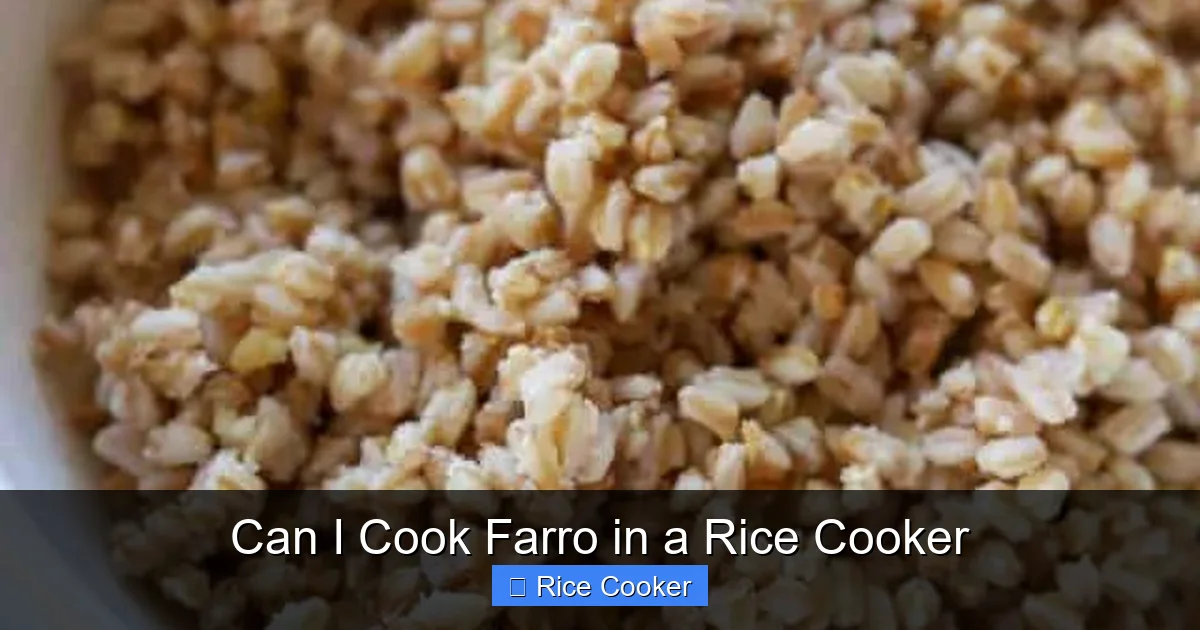
Visual guide about Can I Cook Farro in a Rice Cooker
Image source: simplymadeeats.com
Modern rice cookers come with multiple settings—white rice, brown rice, quick cook, and even porridge modes—but many models handle farro just fine on their default setting. Some advanced units even have a “grain” or “multigrain” option that adjusts timing and temperature specifically for denser grains like farro or barley. Even basic models do the job well enough, especially when you follow a few simple guidelines.
The Science Behind Perfect Farro
Farro is classified by its processing level: whole farro retains all three parts of the grain kernel (bran, germ, endosperm) and takes the longest to cook; semi-pearled has the outer hull removed partially, reducing cooking time slightly; pearled farro is polished to remove most of the bran, making it quicker but less nutrient-dense. Because of these variations, cooking times differ—but the rice cooker adapts beautifully.
The key to success is hydration. Farro absorbs water slowly, so it needs enough liquid to plump up fully. Too little water leads to undercooked, gummy clumps; too much makes it mushy. A 2:1 water-to-ratio is a solid starting point, though you may adjust based on your farro type and desired texture.
Benefits of Using a Rice Cooker
- Hands-off cooking: No more stirring, watching, or adjusting heat.
- Even heat distribution: Prevents hot spots that cause uneven cooking.
- Consistent results: Every batch turns out the same—great for meal prep.
- Easy cleanup: Non-stick inner pots are simple to wash.
- Flavor infusion: You can cook farro in broth instead of water for richer taste.
How to Cook Farro in a Rice Cooker: Step-by-Step Guide
Ready to try it? Follow these easy steps for foolproof farro every time. No special skills required—just a little prep and confidence in your rice cooker.
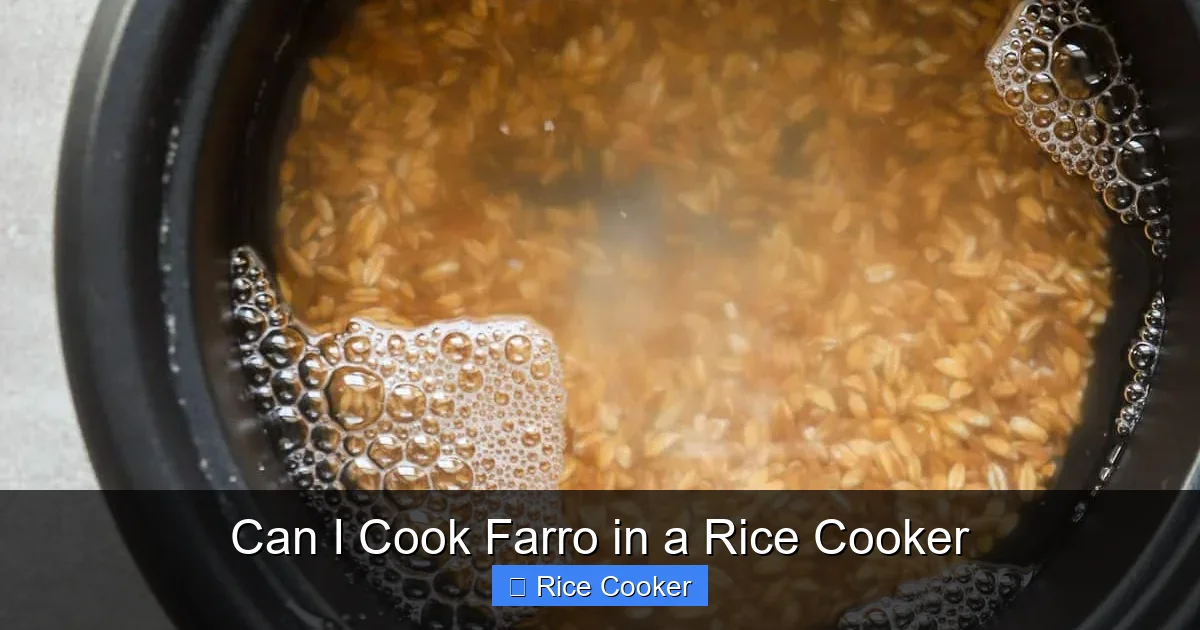
Visual guide about Can I Cook Farro in a Rice Cooker
Image source: aredspatula.com
Step 1: Measure and Rinse the Farro
Start by measuring your farro. For most recipes, use 1 cup of dry farro. Then rinse it under cold running water through a fine-mesh strainer. Rinsing removes surface starch, which can cause clumping and cloudiness. It also helps reduce bitterness in some varieties.
If you’re using whole or semi-pearled farro, consider soaking it for 1–4 hours beforehand. This softens the outer bran layer and cuts cooking time by up to half. Just drain thoroughly before adding to the rice cooker.
Step 2: Add Water (or Broth)
For plain farro, use 2 cups of water per 1 cup of farro. If you want more flavor, swap half or all of the water with low-sodium vegetable or chicken broth. You can also add a splash of olive oil or a pinch of salt at this stage.
Pro tip: For creamier results or breakfast-style farro, use milk instead of water—but note that it will take longer to cook and may require a slight adjustment in ratio (try 2.5:1 milk-to-farro).
Step 3: Load the Rice Cooker
Add the rinsed farro and liquid to the inner pot of your rice cooker. Stir once gently to combine. Don’t worry if it looks dry at first—the rice cooker will add moisture as it heats.
Close the lid securely and plug in the unit. Select the standard “white rice” setting unless your model has a dedicated grain setting. Most rice cookers automatically switch to “warm” mode once done, which keeps farro steaming gently without drying it out.
Step 4: Let It Cook
Cooking time varies by farro type and rice cooker model, but expect 25–40 minutes. Whole farro may take closer to 40 minutes; pearled farro usually finishes in 25–30. Avoid opening the lid during cooking—this releases steam and extends time unnecessarily.
After the cycle ends, let the farro sit for 10 minutes with the lid closed. This resting period allows residual steam to finish softening any remaining hard bits and firms up the texture. Fluff gently with a fork before serving.
Step 5: Serve or Store
Your farro should be tender but still slightly chewy—like al dente pasta. Use it immediately in salads, soups, risotto-style dishes, or as a hearty side. Leftovers store well in the fridge for up to 5 days or frozen for 2–3 months.
Tips for Perfect Farro in a Rice Cooker
While the basic method works great, a few tweaks can elevate your farro game. Here are pro tips from experienced home cooks and nutritionists alike.
Adjust the Water Ratio Based on Texture Preference
Some people prefer firmer farro, others like it softer. If your farro feels too firm, add another ¼ cup of liquid next time. If it’s mushy, reduce water slightly or cut back on soaking time.
Enhance Flavor with Aromatics
Instead of plain water, try cooking farro in seasoned broth with garlic cloves, bay leaves, onion slices, or dried herbs like thyme or rosemary. Remove solids before serving for clean bites.
Toast Before Cooking (Optional)
For deeper nuttiness, sauté dry farro in a bit of olive oil in a skillet for 2–3 minutes before transferring to the rice cooker. This adds richness and complexity—ideal for pilafs or grain bowls.
Use Farro in Recipes Beyond Basics
Once you master plain farro, experiment! Make farro risotto by adding warm broth gradually (even in a rice cooker with manual intervention), prepare farro porridge for breakfast, or mix cooled farro into veggie burgers.
Avoid Overfilling the Pot
Never fill the inner pot beyond halfway. Overfilling prevents proper circulation and can lead to uneven cooking. Stick to 1–2 cups of farro max per batch unless your cooker is large enough.
Troubleshooting Common Issues
Even with the best techniques, mistakes happen. Here’s how to fix common problems.
Farro Stuck to the Bottom
This often happens with whole farro or if not enough liquid is used. Next time, increase water by ¼ cup and ensure the pot isn’t scorched by checking the heating element. Also, avoid opening the lid early.
Grains Are Too Soft or Mushy
Overcooked farro loses its signature chew. Reduce soaking time or lower water slightly. Pearled farro cooks faster—keep an eye on it after 25 minutes.
Farro Doesn’t Expand Much
If your farro remains small and dense, it may be old or improperly stored. Fresh farro should plump up significantly. Store it in an airtight container away from light and heat.
Rice Cooker Won’t Turn On
Check the power cord and ensure the inner pot is seated correctly. Some models won’t activate unless the pot is fully inserted. Clean the sealing ring if moisture builds up inside.
Nutritional Benefits of Farro
Beyond being easy to cook, farro packs a nutritional punch. As an ancient grain, it’s rich in complex carbohydrates, dietary fiber, and plant-based protein. One cup of cooked farro provides about 227 calories, 9 grams of protein, and 4 grams of fiber—more than brown rice or quinoa.
It’s also a good source of magnesium, iron, zinc, and B vitamins. Studies suggest whole grains like farro may support heart health, aid digestion, and help regulate blood sugar levels. Choosing whole farro over pearled maximizes these benefits since the bran contains most of the fiber and antioxidants.
Creative Ways to Use Cooked Farro
Once your farro is perfectly cooked, the possibilities are endless. Here are delicious ideas to inspire you.
Farro Salad with Roasted Vegetables
Toss cooled farro with roasted sweet potatoes, kale, cherry tomatoes, feta, and a lemon-olive oil dressing. Top with toasted pine nuts for crunch.
Farro Breakfast Bowl
Sauté apples and cinnamon, then stir in cooked farro and a splash of almond milk. Top with nuts, seeds, and honey.
Farro Soup Base
Use farro instead of rice in minestrone or lentil soup. It holds up well and adds body.
Farro Stuffed Peppers
Mix farro with ground turkey, spinach, garlic, and tomato sauce, then stuff into bell peppers and bake until tender.
Farro Veggie Burgers
Combine cooked farro with black beans, oats, spices, and grated carrots. Form into patties and pan-fry or grill.
Frequently Asked Questions About Cooking Farro in a Rice Cooker
Question 1?
Can I cook farro in any type of rice cooker?
Question 2?
How long does farro take to cook in a rice cooker?
Question 3?
Do I need to soak farro before cooking it in a rice cooker?
Question 4?
Can I cook farro in broth instead of water?
Question 5?
How do I prevent farro from sticking in the rice cooker?
Frequently Asked Questions
Is farro healthier than rice?
Yes, farro is higher in protein, fiber, and several essential minerals like magnesium and iron. It has a lower glycemic index than white rice, helping stabilize blood sugar levels. Choose whole farro for maximum health benefits.
Can I reheat farro cooked in a rice cooker?
Yes, reheat gently in a saucepan with a splash of water or broth to restore moisture. Microwave in short bursts with a damp paper towel to prevent drying. Avoid high heat, which can make it tough.
What’s the difference between whole, semi-pearled, and pearled farro?
Whole farro retains the entire grain kernel and takes longest to cook. Semi-pearled has part of the bran removed, reducing cooking time. Pearled farro is polished, cooks fastest, and has a milder flavor but fewer nutrients.
Can I cook farro directly from frozen?
It’s not recommended. Frozen farro may not absorb liquid evenly and could result in uneven texture. Thaw it first or add extra cooking time and liquid if necessary.
How do I know when farro is fully cooked?
Fully cooked farro should be tender but still have a slight chew. There should be no hard centers. Taste a few grains—if they’re soft and creamy inside with a firm exterior, it’s done. Overcooked farro becomes mushy.
Can I mix farro with other grains in a rice cooker?
Yes, but adjust cooking times carefully. Quinoa or wild rice may cook faster than farro, so add them toward the end of the farro’s cooking cycle. Or cook farro first, then fold in already-cooked grains.