

Can you cook frozen salmon in a rice cooker? Absolutely! With the right technique, your rice cooker can transform frozen salmon into tender, flavorful meals without extra effort. Whether you’re meal prepping or craving something quick and healthy, this method saves time while delivering restaurant-quality results. No thawing required—just add water, season, and let the magic happen.
Key Takeaways
- Safety First: Cooking frozen salmon in a rice cooker is safe as long as the internal temperature reaches 145°F (63°C), ensuring harmful bacteria are eliminated.
- No Thawing Needed: You can cook salmon directly from frozen, saving time and reducing the risk of cross-contamination compared to thawing on the counter.
- Even Cooking: The rice cooker’s enclosed environment helps distribute heat evenly, preventing dryness and overcooking common with other methods.
- Flavor Boosting: Add herbs, lemon, garlic, or soy sauce inside the cooking compartment to infuse rich flavors into the fish.
- Easy Cleanup: Most rice cooker inner pots are non-stick and dishwasher-safe, making post-meal cleanup a breeze.
- Versatile Meals: Use cooked salmon for bowls, salads, wraps, or as a protein-rich side—perfect for busy weeknights.
- Energy Efficient: Rice cookers use less power than ovens or stovetops, making this method eco-friendly and cost-effective.
📑 Table of Contents
- Can I Cook Frozen Salmon in Rice Cooker?
- The Science Behind Cooking Frozen Fish in a Rice Cooker
- Step-by-Step Guide: How to Cook Frozen Salmon in a Rice Cooker
- Best Practices for Perfect Results
- Creative Recipes Using Rice-Cooked Frozen Salmon
- Troubleshooting Common Issues
- Health Benefits of Eating Salmon
- Environmental and Economic Advantages
- Comparing Methods: Rice Cooker vs. Other Cooking Techniques
- Final Thoughts: Why You Should Try This Method
Can I Cook Frozen Salmon in Rice Cooker?
Imagine this: it’s 7 p.m., you’re starving, and you only have a bag of frozen salmon in the freezer. Your go-to plan—pan-searing—is off the table because you forgot to thaw it. But wait! What if you could still whip up a gourmet meal in under 30 minutes using just your trusty rice cooker? Yes, you read that right—you can cook frozen salmon in a rice cooker, and it’s easier than you think.
Cooking frozen salmon in a rice cooker isn’t just possible—it’s practical, efficient, and surprisingly delicious. This method leverages the appliance’s ability to maintain consistent heat and moisture, turning a seemingly tricky task into a seamless one. Whether you’re a busy professional, a parent juggling dinner prep, or someone who loves quick healthy meals, this technique fits perfectly into your lifestyle. Plus, no special equipment or culinary expertise is required. All you need is a rice cooker, some basic ingredients, and a little know-how.
In this comprehensive guide, we’ll walk you through everything you need to know about cooking frozen salmon in a rice cooker. From safety tips and step-by-step instructions to creative recipe ideas and troubleshooting advice, we’ve got you covered. By the end, you’ll be confident enough to toss that frozen fillet straight into the pot and serve a restaurant-worthy dish in minutes.
The Science Behind Cooking Frozen Fish in a Rice Cooker
How Rice Cookers Work
Rice cookers operate using a thermostat-controlled heating element. Once the water or liquid inside reaches boiling point, the thermostat cuts off the heat. The cooker then switches to a “warm” setting to keep the contents at a steady temperature. This cycle repeats until the rice (or other food) is fully cooked. The sealed environment traps steam, which cooks food gently and evenly—ideal for delicate proteins like fish.
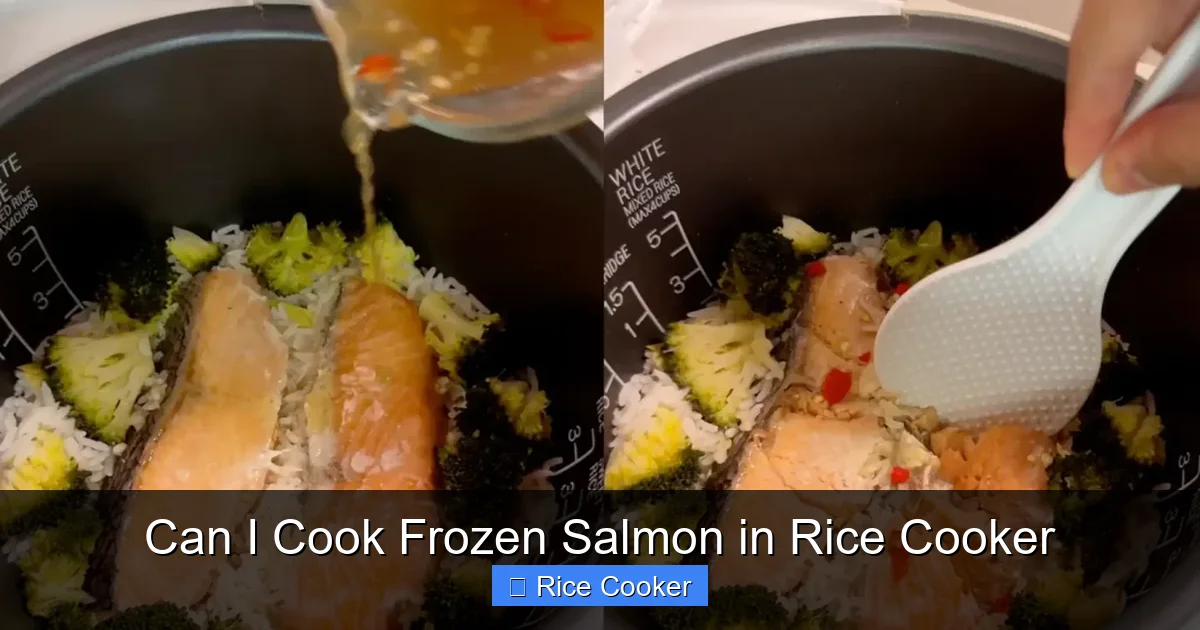
Visual guide about Can I Cook Frozen Salmon in Rice Cooker
Image source: nomadette.com
When you add frozen salmon, the rice cooker gradually warms the fish from the outside in. Because the heat source is indirect and consistent, the salmon doesn’t dry out or stick to the bottom. The moisture retained during cooking keeps the flesh moist and flaky, even when starting from frozen.
Why Frozen Salmon Cooks Well in a Rice Cooker
Unlike frying or grilling, where high heat can cause uneven cooking and drying, the rice cooker’s low-and-slow approach prevents these issues. The trapped steam softens the frozen salmon without shocking it with extreme temperatures. Additionally, because the fish is submerged in a small amount of liquid (usually water or broth), it cooks in its own juices, preserving flavor and texture.
It’s also worth noting that cooking frozen salmon in a rice cooker actually reduces the risk of undercooked spots. When you sear or grill frozen fish, the outside can become too hot before the center is fully warmed through. In contrast, the rice cooker ensures even heat distribution, so every bite is safely cooked.
Step-by-Step Guide: How to Cook Frozen Salmon in a Rice Cooker
What You’ll Need
- Fresh or previously frozen salmon fillets (skin-on or skinless)
- Rice cooker with a non-stick inner pot
- Water or broth (about ½ cup per fillet)
- Lemon slices, herbs, garlic, or soy sauce for flavoring
- Tongs or spatula for gentle handling
- Instant-read thermometer (optional but recommended)
Preparation Tips
Before tossing your frozen salmon into the rice cooker, take a few minutes to prep it properly. Rinse the fillets under cold water to remove any ice crystals or freezer burn. Pat them completely dry with paper towels—this helps seasonings adhere better and ensures even cooking.
If your rice cooker has a steamer basket, place the salmon there instead of directly in the water. This prevents the delicate flesh from breaking apart and makes cleanup easier. If you don’t have a steamer basket, line the bottom of the pot with parchment paper or lightly grease it to prevent sticking.
Cooking Process
- Add Liquid: Pour ½ to ¾ cup of water or broth into the inner pot of your rice cooker.
- Season & Arrange: Place the frozen salmon fillets on top. Add lemon slices, dill, garlic cloves, or a splash of soy sauce for extra flavor.
- Close & Start: Secure the lid and turn the cooker on. Select the “Cook” or “White Rice” setting (most rice cookers don’t have a specific fish setting).
- Wait & Monitor: Cooking time varies by thickness. Generally, allow 15–20 minutes for 1-inch thick fillets. For thicker cuts, add 5–10 minutes.
- Check Doneness: Insert a fork into the thickest part. The flesh should flake easily and reach an internal temperature of 145°F (63°C).
- Let Rest: Keep the lid closed for 5 minutes after cooking to finish steaming.
- Serve Immediately: Flake the salmon gently with a fork and enjoy!
Best Practices for Perfect Results
Choosing the Right Salmon
Not all salmon is created equal when it comes to frozen cooking. Wild-caught Alaskan salmon tends to have firmer flesh and fewer gaps than farm-raised varieties, making it ideal for rice cooker preparation. Look for fillets labeled “previously frozen” rather than “fresh frozen,” as they’re less likely to have been exposed to repeated freeze-thaw cycles.
Avoid salmon with strong odors or discoloration. If the packaging is bulging or leaking, discard it—this indicates spoilage. Always store your salmon at 0°F (-18°C) or below to preserve quality.
Adjusting for Thickness
The thicker the fillet, the longer it will take to cook through. A general rule of thumb: 1 inch of thickness = about 15–20 minutes of cooking time. If you’re unsure, use a meat thermometer. The USDA recommends cooking fish to 145°F (63°C) for safety and texture.
For very thin pieces (like salmon strips), reduce cooking time to 10–12 minutes and check early to avoid overcooking.
Enhancing Flavor Naturally
You don’t need heavy sauces to make your salmon taste amazing. Instead, focus on bright, fresh flavors. Try adding:
- Juice of ½ lemon + zest
- Fresh dill or parsley
- Minced garlic or ginger
- A dash of soy sauce or tamari
- Olive oil drizzle (after cooking)
These elements complement the natural richness of salmon without overwhelming it.
Creative Recipes Using Rice-Cooked Frozen Salmon
Classic Lemon-Dill Salmon
Perfect for beginners, this simple recipe lets the salmon shine. Layer lemon slices and fresh dill over the frozen fillets, add broth, and let the rice cooker do its thing. Serve with quinoa or steamed vegetables for a complete meal.
Mediterranean Bowls
Cook your salmon with cherry tomatoes, olives, capers, and a sprinkle of oregano. After cooking, flake the salmon over farro or brown rice, top with cucumber, red onion, and feta. Drizzle with olive oil and lemon juice for a vibrant, satisfying bowl.
Asian-Inspired Teriyaki Glaze
Mix soy sauce, honey, garlic, and a bit of rice vinegar. Brush it lightly over the salmon before cooking. The glaze caramelizes slightly during steaming, creating a glossy, flavorful crust. Pair with stir-fried bok choy and jasmine rice.
Smoky Chipotle Lime Marinade
Blend lime juice, chipotle peppers, garlic, cilantro, and a touch of honey. Marinate frozen salmon for 10–15 minutes before placing it in the rice cooker. The result is tangy, smoky, and subtly sweet—ideal for tacos or grain bowls.
Troubleshooting Common Issues
Salmon Sticks to the Pot
This usually happens if the pot isn’t non-stick or if too little liquid is used. Always use a non-stick rice cooker pot, and ensure there’s enough liquid to create steam. Lining the bottom with parchment paper also prevents sticking.
Fish Is Overcooked or Dry
Overcooking occurs when the fish sits too long after the “warm” cycle begins. To avoid this, remove the salmon as soon as it hits 145°F. Also, resist opening the lid frequently during cooking—each time you lift it, heat escapes and slows down the process.
Not Fully Cooked Through
If the center of the salmon is still translucent or cold, increase cooking time by 3–5 minutes and retest. Thicker fillets may need a splash more liquid to ensure thorough cooking.
Strong Fishy Smell
Frozen salmon can sometimes develop off-odors due to improper storage. If it smells ammonia-like or overly pungent, it’s likely spoiled. When in doubt, smell it before cooking—if it doesn’t smell fresh, throw it away.
Health Benefits of Eating Salmon
Beyond convenience, cooking salmon this way preserves its nutritional value. Salmon is packed with omega-3 fatty acids, which support heart and brain health. It’s also a great source of high-quality protein, vitamin D, selenium, and B vitamins. Eating salmon regularly may reduce inflammation, improve skin health, and boost mood.
By choosing wild-caught over farm-raised salmon, you also minimize exposure to antibiotics and contaminants. And since you’re cooking it simply—without frying or heavy creams—you keep the calorie count low while maximizing flavor.
Environmental and Economic Advantages
Using frozen salmon reduces food waste. Many people discard partially used fillets because they forget to thaw them in time. With this method, you can cook exactly what you need, right when you need it. Frozen salmon is often cheaper than fresh and lasts longer, making it a smart choice for budget-conscious households.
From an environmental standpoint, buying frozen seafood supports sustainable fishing practices. According to the Monterey Bay Aquarium Seafood Watch, many frozen salmon products are sourced responsibly and flash-frozen soon after catch, locking in freshness and nutrients.
Comparing Methods: Rice Cooker vs. Other Cooking Techniques
| Method | Time | Texture | Ease of Use | Cleanup |
|---|---|---|---|---|
| Rice Cooker | 15–25 min | Moist & Flaky | Very Easy | Easy (non-stick pot) |
| Baking | 20–30 min | Even but Can Be Dry | Moderate | Moderate (greased pan) |
| Pan-Searing | 10–15 min | Golden & Crispy | Hard (needs thawing) | Hard (sticky residue) |
| Steaming Basket | 15–20 min | Delicate & Light | Easy | Moderate (steamer rack) |
As shown above, the rice cooker offers the best balance of speed, simplicity, and results—especially when working with frozen fish.
Final Thoughts: Why You Should Try This Method
Cooking frozen salmon in a rice cooker isn’t just a clever hack—it’s a game-changer for anyone looking to eat healthier, save time, and reduce kitchen stress. It turns a potentially frustrating situation (“I forgot to thaw my salmon!”) into a win. Plus, it opens up a world of flavor possibilities without requiring advanced skills.
Whether you’re feeding a family, meal prepping for the week, or just craving something light and nutritious, this method delivers. And the best part? It works with almost any type of rice cooker—even older models without fancy settings. Just remember to monitor cooking times based on thickness and always check for doneness.
So next time you open your freezer and see those beautiful frozen salmon fillets staring back at you, don’t panic. Grab your rice cooker, follow these steps, and treat yourself to a delicious, foolproof meal—no thawing, no fuss, no problem.
Frequently Asked Questions
Is it safe to cook frozen salmon in a rice cooker?
Yes, it’s completely safe as long as the internal temperature reaches 145°F (63°C). The rice cooker’s even heat ensures thorough cooking without drying out the fish.
How long does it take to cook frozen salmon in a rice cooker?
Typically 15–25 minutes for 1-inch thick fillets. Thicker pieces may need up to 30 minutes. Always check with a thermometer or fork for doneness.
Do I need to thaw the salmon first?
No, you can cook it directly from frozen. Thawing is not necessary and may even increase bacterial growth if done improperly.
Can I cook multiple salmon fillets at once?
Yes, but leave space between them for proper steam circulation. Avoid overcrowding to ensure even cooking.
What liquid should I use in the rice cooker?
Use water, broth, or a mix of both. Broth adds extra flavor—chicken, vegetable, or miso work well.
Can I add seasonings to the salmon while cooking?
Absolutely! Add lemon slices, garlic, herbs, or soy sauce directly on top of the frozen salmon before closing the lid.