

Cooking dry beans in a rice cooker is not only possible but also incredibly convenient. This method saves time, reduces effort, and yields tender, evenly cooked beans without constant monitoring. With the right preparation and settings, your rice cooker can be your new go-to kitchen tool for hearty meals.
Key Takeaways
- Yes, you can cook dry beans in a rice cooker: Most modern rice cookers have a “bean” or “slow cook” setting designed specifically for legumes.
- Soaking isn’t always required: While soaking shortens cooking time and improves texture, many beans cook well even when added directly to boiling water in the rice cooker.
- Proper water ratio is essential: Use 3 cups of water per 1 cup of dry beans to ensure they cook through without turning mushy.
- Patience pays off: Beans typically take 60–90 minutes to cook fully, so don’t rush the process—let the rice cooker do its job.
- Cooling stops the cooking process: After the cycle ends, let beans sit for 10–15 minutes before opening the lid to prevent overcooking.
- Storage and reuse are easy: Cooked beans keep for up to 5 days in the fridge or 6 months frozen—perfect for meal prep.
- Try different bean varieties: Black beans, pinto beans, kidney beans, and chickpeas all work wonderfully in a rice cooker.
📑 Table of Contents
- Can I Cook Dry Beans in a Rice Cooker?
- Why Choose a Rice Cooker for Cooking Beans?
- What Types of Beans Work Best in a Rice Cooker?
- Step-by-Step Guide: How to Cook Dry Beans in a Rice Cooker
- Common Mistakes and How to Avoid Them
- Troubleshooting Tips for Perfect Beans
- Creative Ways to Use Cooked Beans from Your Rice Cooker
- Tips for Meal Prep with Rice Cooker Beans
- Final Thoughts: Is Cooking Beans in a Rice Cooker Worth It?
Can I Cook Dry Beans in a Rice Cooker?
Have you ever found yourself staring at a bag of dry beans, wondering how long it’ll take to cook them on the stovetop? Or maybe you’re tired of babysitting a pot of boiling beans just to make sure they don’t burn at the bottom? If so, you’re in luck—because yes, you absolutely can cook dry beans in a rice cooker. In fact, using a rice cooker might just revolutionize the way you prepare beans, saving you time, energy, and giving you perfectly consistent results every single time.
Rice cookers were originally designed to steam and cook grains like rice, but over the years, manufacturers have added specialized settings—like the “bean” or “programmable” mode—that make cooking legumes easier than ever. Whether you’re making chili for game day, building a burrito bowl, or whipping up a batch of hummus, cooking beans in a rice cooker offers convenience without sacrificing flavor or texture.
In this comprehensive guide, we’ll walk you through everything you need to know about cooking dry beans in a rice cooker: from choosing the right equipment to mastering the timing, troubleshooting common issues, and even storing leftovers like a pro. By the end, you’ll feel confident preparing beans quickly and efficiently, whether you’re a seasoned home cook or just starting out in the kitchen.
Why Choose a Rice Cooker for Cooking Beans?
If you’ve never considered using a rice cooker for beans, you might be surprised by how effective and practical this method is. Let’s break down the advantages of using a rice cooker compared to traditional stovetop methods.
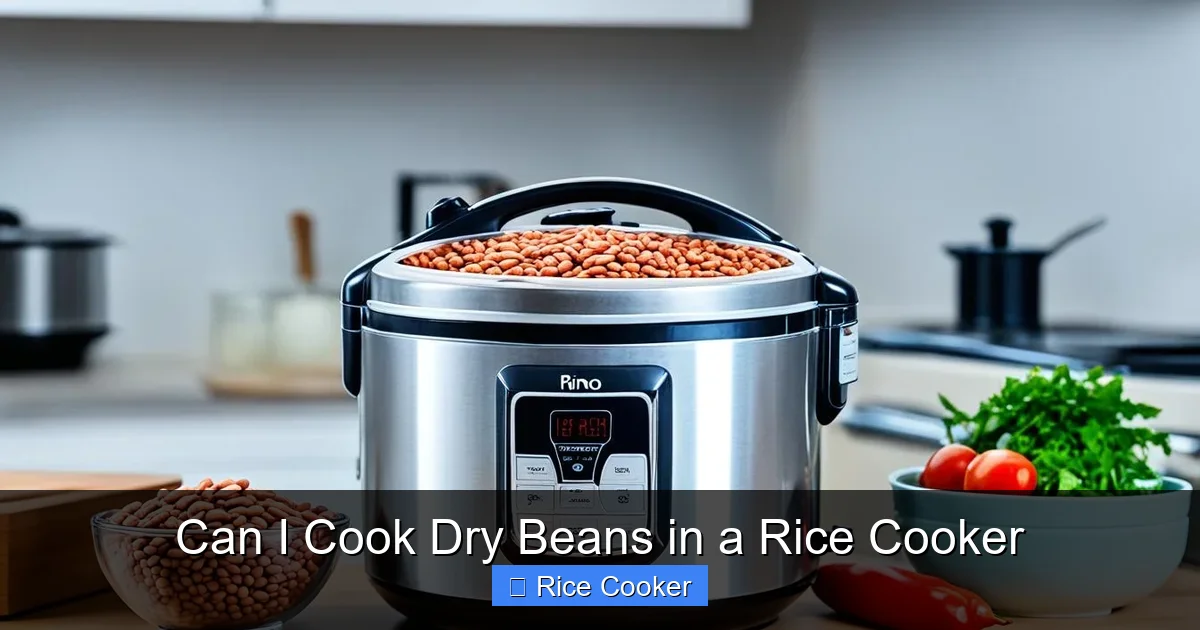
Visual guide about Can I Cook Dry Beans in a Rice Cooker
Image source: ricecookerjunkie.com
The Convenience Factor
One of the biggest reasons people turn to the rice cooker for beans is simplicity. Unlike stovetop cooking—which requires constant attention, stirring, and monitoring—a rice cooker does most of the work for you. Once you add the beans and water, press a button, and walk away. No more standing over a hot stove, worrying about scorching or uneven cooking.
This hands-off approach is especially helpful if you’re busy during the week or prefer low-maintenance cooking. You can prep your beans the night before, toss them into the rice cooker in the morning, and come home to ready-to-eat beans by dinner. It’s the ultimate time-saver.
Even Heat Distribution
Rice cookers are engineered to distribute heat evenly throughout the cooking chamber. This means your beans cook uniformly, avoiding hot spots that often cause some parts to be undercooked while others become mushy—common problems with stovetop cooking.
Additionally, many rice cookers feature automatic shut-off functions. Once the beans reach the desired consistency, the machine switches to “warm,” preventing overcooking. This precision helps maintain the ideal texture—firm enough to hold their shape, yet tender enough to mash easily if needed.
Energy Efficiency
Cooking beans on the stovetop can take up to an hour or more over high heat, which uses more energy than necessary. Rice cookers, especially newer models with insulated designs, use less power and retain heat efficiently. That translates to lower electricity bills and reduced environmental impact—bonus points for eco-conscious cooks!
Versatility Beyond Beans
Once you master cooking beans in your rice cooker, you’ll realize it’s a versatile appliance for more than just grains. You can also use it to cook lentils, split peas, quinoa, oats, even soups and stews. Some models even allow you to layer ingredients for one-pot meals. Think of it as a mini slow cooker with extra features—perfect for meal prep enthusiasts.
What Types of Beans Work Best in a Rice Cooker?
Not all beans are created equal, and some respond better to rice cooker cooking than others. Here’s a breakdown of popular bean varieties and what to expect when cooking them in your appliance.
Black Beans
Black beans are a staple in Latin American cuisine and thrive in a rice cooker environment. They have a dense structure that holds up well during long cooking times, resulting in creamy yet firm beans perfect for tacos, burritos, or black bean burgers.
When cooked in a rice cooker, black beans develop a rich, earthy flavor and a smooth texture without becoming too soft. They also absorb flavors beautifully, making them ideal for marinated dishes or spicy salsas.
Pinto Beans
Pinto beans are slightly harder than black beans and require a bit more attention. However, with the right water ratio and cooking time, they turn out fluffy and delicious. These are the stars of refried beans, chili, and Tex-Mex dishes.
Because pinto beans contain more starch, they tend to thicken when cooked, which is great for sauces but can lead to gummy textures if overcooked. Using the rice cooker’s timer function helps avoid this pitfall.
Kidney Beans
Large and meaty, kidney beans are excellent for three-bean salads and hearty stews. They cook relatively quickly in a rice cooker—usually around 70 minutes—and maintain a satisfying bite.
Note: If you’re using canned kidney beans, skip the cooking step entirely. But if you’re using dried ones, the rice cooker ensures they soften evenly without boiling over.
Chickpeas (Garbanzo Beans)
Chickpeas are trickier than other legumes because of their hard skin and dense center. But with a little patience, they yield creamy, spreadable results—ideal for hummus, falafel, or Mediterranean salads.
For best results, soak chickpeas overnight or boil them for 10 minutes before adding to the rice cooker. This breaks down some of the cell walls, reducing cooking time and improving digestibility.
Lentils and Split Peas
While technically not beans, these legumes also work well in rice cookers. Lentils cook quickly—often in 30–40 minutes—and split peas become velvety smooth, perfect for soups and dhal.
Because they cook faster, it’s best to add them in toward the end of the cycle if you’re making a mixed grain dish.
Step-by-Step Guide: How to Cook Dry Beans in a Rice Cooker
Ready to give it a try? Follow this simple, foolproof method to cook dry beans perfectly every time.
Gather Your Ingredients and Equipment
Before you begin, make sure you have:
- 1 cup of dry beans (any variety)
- 3 cups of filtered water (adjust based on bean type; see chart below)
- A clean rice cooker with a removable inner pot
- A colander or strainer
- A fine-mesh sieve (optional, for rinsing)
- A clean kitchen towel or paper towels (for cooling)
Step 1: Sort and Rinse the Beans
Place your dry beans in a large bowl and pick through them to remove any debris, shriveled beans, or small stones. Then, rinse thoroughly under cold running water. This removes dirt, dust, and helps reduce gas-causing sugars.
Step 2: Optional—Soak the Beans
While soaking isn’t required, it significantly speeds up cooking time and improves digestibility. Here are two options:
- Quick Soak: Cover beans with boiling water, let sit for 1 hour, then drain and rinse.
- Overnight Soak: Cover with cold water, refrigerate for 8–12 hours, then drain.
Step 3: Add Beans and Water to the Rice Cooker
Place the rinsed (and soaked) beans into the inner pot of your rice cooker. Add water—typically 3:1 ratio (3 cups water per 1 cup beans). For very hard beans like adzuki or mung, you may increase to 3.5:1.
Step 4: Select the Right Setting
Most rice cookers have a “Bean” or “Legume” setting. If yours doesn’t, use the “Cook” or “Manual” setting and set the timer for 75–90 minutes. Avoid using the “Risotto” or “Soup” modes unless your model specifies compatibility with beans.
Step 5: Start Cooking and Wait Patiently
Close the lid and press start. Resist the urge to open the lid frequently—each time you lift it, heat escapes, extending cooking time. Let the rice cooker do its magic.
Step 6: Test for Doneness
After the cycle ends, wait 10–15 minutes before opening. Then, taste a few beans. They should be tender but not falling apart. If still crunchy, close the lid and cook for another 10–15 minutes.
Step 7: Cool and Store Properly
Transfer cooked beans to a container and let them cool slightly. Then, either refrigerate for up to 5 days or freeze for up to 6 months. For freezing, portion into ice cube trays or freezer bags for easy use.
Common Mistakes and How to Avoid Them
Even with the best intentions, things can go wrong when cooking beans in a rice cooker. Here are the most frequent errors and how to fix them.
Mistake 1: Using Too Little Water
Underwatering leads to dry, hard beans that won’t soften. Always follow the 3:1 water ratio as a baseline. If your rice cooker has a larger capacity, scale accordingly—never reduce water proportionally.
Mistake 2: Not Rinsing the Beans
Dirt and residue on dry beans can affect taste and texture. Skipping this step might seem harmless, but it increases the risk of gritty beans and potential contaminants.
Mistake 3: Opening the Lid Too Often
Each time you lift the lid, you lose heat and steam, which slows down the cooking process. Keep the lid closed until the cycle completes and the beans have rested.
Mistake 4: Overcooking
Even though rice cookers auto-shut off, beans continue cooking slightly after the cycle ends. Leaving them on “warm” for too long can make them mushy. Check frequently once done.
Mistake 5: Skipping the Soak (When Needed)
Some beans, especially older or harder varieties, benefit greatly from soaking. If your beans are taking longer than expected, consider pre-soaking next time.
Troubleshooting Tips for Perfect Beans
No matter how careful you are, occasional hiccups happen. Here’s how to handle them.
Beans Are Still Hard After Full Cycle
This usually means insufficient water or old beans. Try increasing water by ½ cup and cooking an extra 15 minutes. If beans are more than 2 years old, they may simply be past their prime.
Beans Are Too Mushy
Overcooked beans lose their shape and become gluey. To fix this, strain and mash some for spreads, or blend a portion into soups. The rest can be frozen for future use.
Water Evaporates Completely
If your rice cooker runs dry, it may damage the heating element. Always ensure there’s enough liquid. If this happens, discard the beans and clean the pot immediately.
Beans Taste Bland
Add salt, garlic, onion, or bay leaves during the last 15 minutes of cooking. Salt too early can toughen beans, so timing matters.
Creative Ways to Use Cooked Beans from Your Rice Cooker
Once you’ve mastered cooking beans, the possibilities are endless. Here are some delicious ideas to inspire your next meal.
Homemade Hummus
Blend cooked chickpeas with tahini, lemon juice, garlic, and olive oil until smooth. Serve with veggie sticks or pita bread.
Vegetarian Chili
Sauté onions and peppers, then combine with cooked beans, tomatoes, chili powder, and cumin. Simmer for 20 minutes for a hearty, protein-rich stew.
Black Bean Burgers
Mash cooked black beans with breadcrumbs, egg, spices, and diced onions. Form into patties and pan-fry or bake until golden.
Bean Salad
Toss cooled beans with corn, cherry tomatoes, avocado, red onion, and lime-cilantro dressing. Perfect for picnics or meal prep.
Stuffed Peppers
Fill bell peppers with a mix of cooked beans, rice, ground meat (optional), and spices. Bake at 375°F for 30–40 minutes.
Tips for Meal Prep with Rice Cooker Beans
Batch cooking beans is one of the smartest ways to save time during the week. Here’s how to prep like a pro.
Cook in Batches
Make a double or triple batch on Sunday. Portion into containers and store in the fridge or freezer. Reheat in a saucepan or microwave when ready to eat.
Label and Date Containers
Use clear containers with labels indicating the bean type and date. This prevents confusion and ensures you use older batches first.
Freeze for Long-Term Storage
Freezing extends shelf life dramatically. For best results, freeze beans uncooked (after soaking but before cooking) or partially cooked. Fully cooked beans can be frozen too—just leave room in the container for expansion.
Use in Multiple Recipes
Plan meals around your beans. Make extra for tacos one night, use leftovers in a salad the next, and freeze the rest for chili later.
Final Thoughts: Is Cooking Beans in a Rice Cooker Worth It?
After learning all about cooking dry beans in a rice cooker, you might be wondering—is it really worth the effort? Absolutely. This method combines speed, convenience, and consistency in a way that traditional stovetop cooking rarely matches. Whether you’re feeding a family, meal prepping for the week, or just craving a warm bowl of beans, the rice cooker delivers.
Plus, it frees up your stovetop for other tasks—like frying eggs or simmering sauce—making it ideal for busy kitchens. And let’s not forget the cost savings: buying dry beans in bulk is far cheaper than canned, and cooking them at home eliminates packaging waste.
So next time you open a bag of dry beans, don’t reach for the stovetop. Pop them into your rice cooker instead. With a little practice, you’ll be amazed at how simple, reliable, and delicious homemade beans can be.
Frequently Asked Questions
Can I cook any type of dry beans in a rice cooker?
Yes, most dry beans—including black beans, pinto beans, kidney beans, chickpeas, and lentils—can be cooked in a rice cooker. Some harder beans like adzuki may require pre-soaking for best results.
Do I need to soak beans before cooking them in a rice cooker?
Soaking is optional but recommended for faster cooking and improved digestibility. Quick soak (1 hour in boiling water) or overnight soak both work well before adding to the rice cooker.
How much water do I use per cup of dry beans?
Use a 3:1 ratio—3 cups of water for every 1 cup of dry beans. Adjust slightly for bean variety; harder beans may need a bit more water.
How long does it take to cook beans in a rice cooker?
Most beans take 60–90 minutes on the “bean” setting. Chickpeas may take longer, while lentils cook faster. Always test for doneness near the end of the cycle.
Can I add salt to beans while cooking them in a rice cooker?
Avoid adding salt at the beginning, as it can toughen beans. Instead, add it during the last 10–15 minutes of cooking for better texture.
How do I store cooked beans from the rice cooker?
Refrigerate for up to 5 days or freeze for up to 6 months. Portion into containers and label with dates for easy meal prep.