
Can I cook instant noodles in a rice cooker? The short answer is yes, and it’s one of the easiest ways to prepare a hot, satisfying meal fast. With just water, a pinch of salt, and your favorite seasoning packet, your rice cooker can do the job—no stove needed. Whether you’re in a rush or just want to try something new, this method saves time, reduces dishes, and works great for dorm cooking or small kitchens.
Have you ever been craving a bowl of warm, slurpable instant noodles but realized your stove isn’t working? Or maybe you’re living in a dorm with limited kitchen tools? If so, your rice cooker might be your new best friend. Yes, you read that right—you can absolutely cook instant noodles in a rice cooker. It’s not only possible, but it’s also surprisingly simple, mess-free, and delivers delicious results every time.
Instant noodles are a global staple for a reason: they’re cheap, fast, and comforting. But traditional boiling can feel messy, especially when you’re juggling multiple pots and pans. A rice cooker changes the game. These handy appliances are designed to handle liquid-heat cooking with precision, making them perfect for noodles too. Whether you’re making ramen, udon, or any brand of instant noodles, your rice cooker can bring out the best version of that meal—fluffy, tender, and full of flavor.
In this article, we’ll walk you through everything you need to know about cooking instant noodles in a rice cooker. From step-by-step instructions to pro tips and creative twists, you’ll learn why this method is gaining popularity among home cooks and how to make it work flawlessly. Let’s get started!
Key Takeaways
- Rice cookers are versatile: They can cook more than just rice—instant noodles, grains, and even simple soups work perfectly.
- No extra equipment needed: You don’t need a pot or stovetop; just add noodles and water to your cooker and press start.
- Adjust water carefully: Too little water leads to dry noodles; too much makes them mushy—start with 1:1.5 ratio (noodles to water).
- Seasoning matters: Add flavor early by mixing seasoning packets with water before adding noodles.
- Customize with extras: Toss in veggies, eggs, or protein to turn plain noodles into a full meal.
- Cleaning is easier: Most rice cooker parts are dishwasher-safe, making cleanup a breeze.
- Best for beginners: This method is foolproof and ideal for college students, busy parents, or anyone wanting quick comfort food.
📑 Table of Contents
- Why Use a Rice Cooker for Instant Noodles?
- What Types of Instant Noodles Work Best?
- Step-by-Step Guide: How to Cook Instant Noodles in a Rice Cooker
- Pro Tips for Perfect Noodles Every Time
- Common Mistakes to Avoid
- Creative Recipes Beyond Basic Noodles
- Cleaning and Maintenance Tips
- Energy Efficiency Compared to Boiling
- Is It Safe to Cook Noodles in a Rice Cooker?
- Final Thoughts: Should You Switch to Rice Cooker Noodles?
Why Use a Rice Cooker for Instant Noodles?
Many people assume rice cookers are only for white rice or steamed vegetables. But modern rice cookers—especially newer models with fuzzy logic—are actually quite versatile. They maintain consistent heat, prevent scorching, and often have keep-warm functions that keep your noodles cozy until you’re ready to eat.
Cooking noodles in a rice cooker offers several advantages. First, it eliminates the need for constant stirring or watching the pot. Second, it reduces cleanup since you’re using just one appliance instead of multiple pots. Third, the gentle, even heating helps noodles retain their texture better than boiling, which can sometimes overcook them.
Plus, if you’re someone who lives in close quarters—like a studio apartment or shared housing—using one appliance cuts down on energy use and saves space. No more cluttered countertops or steam filling up the whole room. Just plug in, add ingredients, press start, and wait.
What Types of Instant Noodles Work Best?
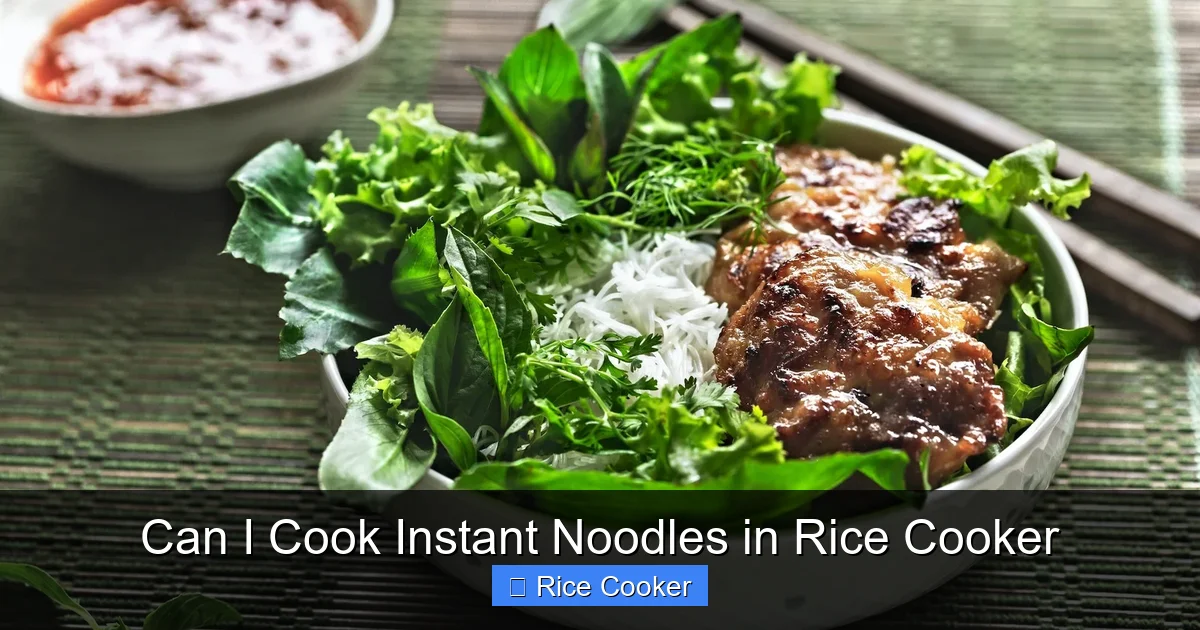
Visual guide about Can I Cook Instant Noodles in Rice Cooker
Image source: ricecookerjunkie.com
Not all instant noodles are created equal when it comes to rice cooker compatibility. Here’s what to look for:
– Stick noodles (ramen-style): These dry, flat noodles absorb water well and cook evenly. Brands like Maruchan, Nongshim, and Indomie work great.
– Cup noodles: While the cup itself isn’t meant for the rice cooker, you can transfer the contents easily.
– Chow mein or yellow noodles: These tend to hold up well under moist heat and develop a nice chew.
– Noodle blocks with seasoning packets: Always include the seasoning—it adds essential flavor during cooking.
Avoid pre-cooked or fried noodles (like some Chinese-style ones) as they may become too soft. Stick to dry, uncooked varieties for best results.
Popular Brands That Shine in a Rice Cooker
Some brands are particularly suited for rice cooker use:
- Maruchan Ramen: Affordable, widely available, and cooks quickly.
- Nongshim Shin Ramyun: Spicy and flavorful; works well with added veggies.
- Indomie Mi Goreng: Stir-fry-style noodles that gain depth from slow simmering.
- Myojo Cup Noodles: Transfer contents to your cooker for a quick upgrade.
Step-by-Step Guide: How to Cook Instant Noodles in a Rice Cooker
Ready to give it a try? Follow these simple steps for foolproof results every time.
Step 1: Measure Your Ingredients
Start by measuring out one serving of dried noodles. For reference, one package usually equals about 70–80 grams of raw noodles. Add water using a 1:1.5 ratio—so if you have 100 grams of noodles, use 150 ml of water. Adjust slightly based on your noodle type; thicker noodles may need a bit more water.
Step 2: Add Water and Seasoning
Pour the measured water into your rice cooker bowl. If your model has a measuring line, use that as a guide. Then add the entire seasoning packet directly into the water. Stir gently to dissolve the powder so it distributes evenly throughout the meal.
Step 3: Place Noodles Inside
Break the noodle block into smaller pieces if needed—this helps them cook uniformly. Gently place them on top of the water (don’t stir yet). Make sure they’re fully submerged to avoid sticking later.
Step 4: Start Cooking
Close the lid securely and select the “Cook” or “Normal” setting. Most rice cookers will take between 8–12 minutes to complete the cycle. Avoid opening the lid frequently, as heat escapes and cooking slows down.
Step 5: Check and Fluff
Once the cooker switches to “Keep Warm,” let it sit for 2–3 minutes. Then open the lid and fluff the noodles with chopsticks or a fork. This prevents clumping and ensures even texture.
Step 6: Serve Immediately
Transfer to a bowl, add optional toppings like green onions, boiled egg, or sliced meat, and enjoy while hot!
Pro Tips for Perfect Noodles Every Time
Even though this method is easy, a few tweaks can elevate your noodles from good to great.
Use a Lid Liner (Optional)
To reduce splatter and make cleanup easier, place a piece of parchment paper or aluminum foil inside the lid before closing. This catches any overflow and keeps the interior cleaner.
Pre-Soak Noodles Briefly
For softer noodles or if you prefer less crunch, soak them in cold water for 5–10 minutes before adding to the cooker. Drain thoroughly first to avoid oversaturating your meal.
Add Protein Early
If you’re including an egg or diced chicken, add it along with the noodles. The rice cooker’s gentle heat will cook them through without drying out.
Boost Flavor with Aromatics
Toss in a slice of ginger, a clove of garlic, or a sprig of kaffir lime leaf when adding water. Remove solids after cooking, but the infused liquid will make your noodles taste amazing.
Don’t Overfill the Bowl
Leave at least an inch of space between the liquid level and the rim. Overfilling can cause spills or uneven cooking.
Experiment with Toppings
Make it a full meal by adding spinach, mushrooms, corn, or a drizzle of sesame oil after cooking. A splash of soy sauce or sriracha can also enhance the flavor.
Common Mistakes to Avoid
Like any cooking technique, there are pitfalls to watch out for when making instant noodles in a rice cooker.
Mistake #1: Using Too Little Water
Dry, crumbly noodles result if there’s not enough liquid. Always check your water-to-noodle ratio. When in doubt, add a tablespoon more.
Mistake #2: Not Breaking Noodles
Large pieces may not cook evenly. Break them into bite-sized chunks so they soften uniformly.
Mistake #3: Skipping the Seasoning Packet
The packet contains salt, MSG, spices—all key to flavor. Don’t skip it unless you’re customizing heavily.
Mistake #4: Opening the Lid Too Often
Each time you lift the lid, heat loss slows cooking. Only peek once near the end to check doneness.
Mistake #5: Using Old or Hardened Noodles
Expired noodles lose flexibility and won’t soften properly. Check expiration dates and store packages in a cool, dry place.
Creative Recipes Beyond Basic Noodles
Want to level up your rice cooker noodles? Try these fun variations:
Veggie-Packed Ramen Bowl
After adding noodles, toss in frozen mixed vegetables halfway through cooking. Once done, top with a soft-boiled egg and shredded carrots.
Creamy Coconut Curry Noodles
Instead of plain water, use half broth and half coconut milk. Add curry paste, diced tomatoes, and tofu for a Thai-inspired dish.
Spicy Miso Soup Noodles
Mix miso paste with warm water before adding noodles. Include silken tofu cubes and scallions for authentic flavor.
Garlic Butter Chow Mein
Melt a teaspoon of butter in the bottom of the cooker before adding water and noodles. Sprinkle minced garlic over the top before closing the lid.
These recipes show how versatile your rice cooker really is—turning simple noodles into gourmet meals with minimal effort.
Cleaning and Maintenance Tips
Since you’re using one appliance instead of multiple pots, cleaning should be straightforward. Most rice cooker inner bowls are non-stick and dishwasher-safe. Rinse immediately after use to prevent starch buildup. For stubborn residue, soak in warm soapy water for 10 minutes before scrubbing gently with a sponge.
Never immerse the heating plate or outer casing in water. Wipe those parts with a damp cloth only. Regular maintenance ensures your rice cooker stays efficient and lasts longer.
Energy Efficiency Compared to Boiling
Using a rice cooker consumes less energy than running a stove burner for boiling water. According to energy studies, rice cookers use about 300–600 watts per hour, while electric stoves use 1,200–1,800 watts. Plus, rice cookers often have insulation that retains heat efficiently, meaning less power is wasted.
So not only is this method convenient, but it’s also eco-friendly. Ideal for students on tight budgets or anyone trying to cut utility costs.
Is It Safe to Cook Noodles in a Rice Cooker?
Absolutely—as long as you follow basic hygiene and usage guidelines. Rice cookers are designed for wet-heat cooking, and instant noodles are meant to be boiled. There’s no chemical reaction or danger involved. Just ensure your cooker is clean and functioning properly before use.
Also, always unplug the unit after cooking and let it cool before cleaning. Avoid placing metal utensils inside the bowl during cooking to prevent scratching the non-stick surface.
Final Thoughts: Should You Switch to Rice Cooker Noodles?
If you own a rice cooker—and most households do—you already have everything you need to make great instant noodles. This method is faster than waiting for a pot to boil, tidier than traditional cooking, and yields consistently tasty results.
Whether you’re feeding yourself after a long day, cooking for a family, or experimenting in the kitchen, the rice cooker proves to be a surprisingly capable tool. It turns a humble snack into a customizable, nutritious meal with just a few additions.
So next time you reach for a noodle packet, consider skipping the stove. Grab your rice cooker instead. You might just discover your new favorite way to eat instant noodles.
Frequently Asked Questions
Can I cook any type of instant noodles in a rice cooker?
Most dry, uncooked instant noodles work well, including ramen, chow mein, and stir-fry varieties. Avoid pre-cooked or fried noodles as they may become overly soft. Always check the packaging for cooking instructions and adjust water accordingly.
How much water should I use for instant noodles in a rice cooker?
Use a 1:1.5 ratio of noodles to water—for example, 100 grams of noodles requires about 150 milliliters of water. Adjust slightly based on noodle thickness and your preferred consistency. Too little water causes dryness; too much makes them soggy.
Do I need to add oil to prevent sticking?
Not necessarily. Rice cookers provide enough moisture to prevent sticking naturally. However, a small amount of neutral oil (like vegetable or canola) mixed into the water can help, especially if you’re cooking larger batches or adding delicate ingredients.
Can I add vegetables or protein to my rice cooker noodles?
Yes! Add chopped vegetables, tofu, eggs, or cooked meats during the last 3–5 minutes of cooking. For frozen veggies, let them thaw slightly first. This transforms plain noodles into a balanced, satisfying meal.
Will my rice cooker break if I cook noodles in it?
No, as long as you follow normal usage guidelines. Rice cookers are built for wet-heat cooking and won’t be damaged by noodles. Just avoid submerging the heating element or using metal utensils inside the bowl during cooking.
How do I clean my rice cooker after making noodles?
Rinse the inner bowl immediately with warm water to remove starch. Soak if needed, then wash with mild soap. Most bowls are dishwasher-safe. Wipe the exterior and heating plate with a damp cloth—never immerse electrical parts in water.