
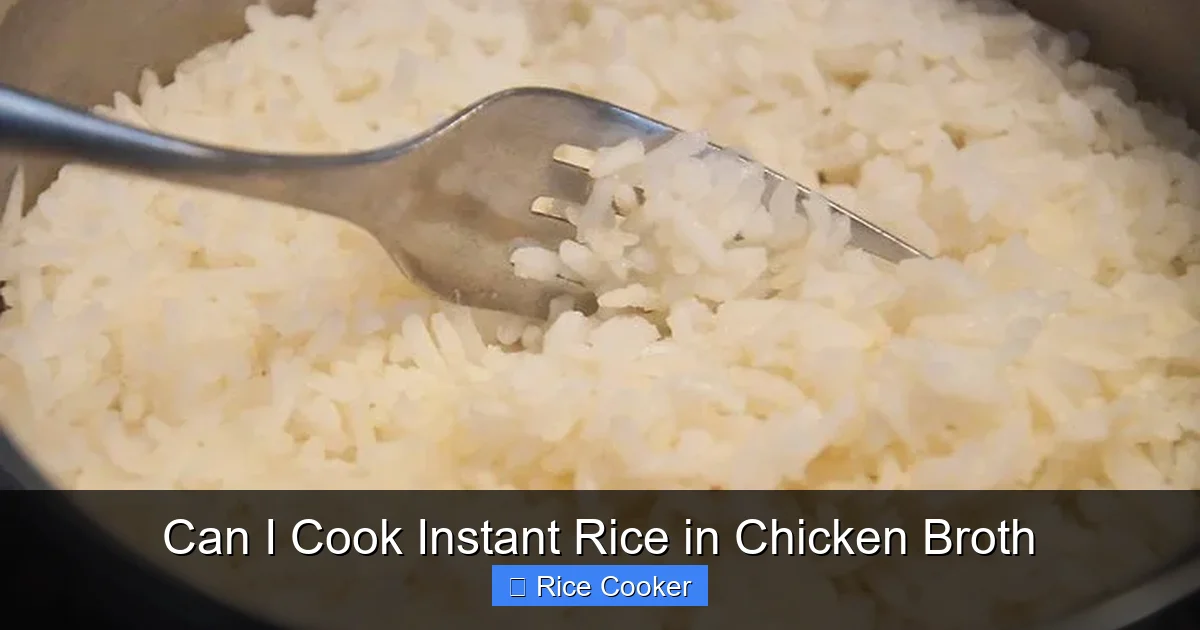
Can you cook instant rice in chicken broth? Absolutely! Using chicken broth instead of water adds rich, savory flavor to your rice while keeping the process simple. It’s a great way to make meals more delicious without extra effort—perfect for busy weeknights or when you want homemade taste.
Key Takeaways
- Savory Upgrade: Replacing water with chicken broth gives instant rice a richer, more flavorful taste that mimics homemade cooking.
- Simple Process: The method is just as easy as boiling water—no special equipment needed, making it ideal for quick meals.
- Time-Saving: Instant rice cooks fast (5–8 minutes), so using broth doesn’t add significant prep or wait time.
- Nutritional Boost: Broth adds subtle nutrients and sodium, enhancing flavor without heavy seasoning.
- Customizable: You can adjust salt levels or add herbs/spices to control taste and suit dietary needs.
- Best Rice Types: Works best with white instant rice; brown instant rice may require longer cooking and careful monitoring.
- Pro Tip: Simmer broth gently before adding rice to release flavors evenly throughout the grains.
📑 Table of Contents
- Can I Cook Instant Rice in Chicken Broth?
- Why Use Chicken Broth Instead of Water?
- How to Cook Instant Rice in Chicken Broth
- Tips for Perfect Broth-Cooked Instant Rice
- Common Mistakes to Avoid
- Creative Ways to Serve Broth-Cooked Instant Rice
- Is It Healthier Than Regular Instant Rice?
- Frequently Asked Questions
- Final Thoughts
Can I Cook Instant Rice in Chicken Broth?
Ever opened a box of instant rice, stared at the instructions, and thought, “What if I could make this even tastier?” That’s where chicken broth comes in. Instead of plain water, you can use flavorful chicken broth to cook your instant rice—giving it a savory depth that turns a bland side into a satisfying dish. It’s not only possible but also incredibly simple.
Using broth instead of water is a kitchen hack many home cooks swear by. Whether you’re meal prepping for the week, feeding picky eaters, or just want to save time without sacrificing flavor, swapping water for chicken broth makes a noticeable difference. In this article, we’ll walk through everything you need to know—from why it works, to step-by-step instructions, to creative ways to serve your new favorite quick meal.
Why Use Chicken Broth Instead of Water?
The Flavor Difference Is Night and Day
Let’s be honest: instant rice cooked in water tastes… fine. But when you cook it in chicken broth, it transforms. The rice absorbs the savory notes of the broth—think umami, herbs, and a hint of saltiness—giving each grain a rich background flavor. This is especially helpful if you’re making rice as a base for stir-fries, soups, or casseroles later in the day.
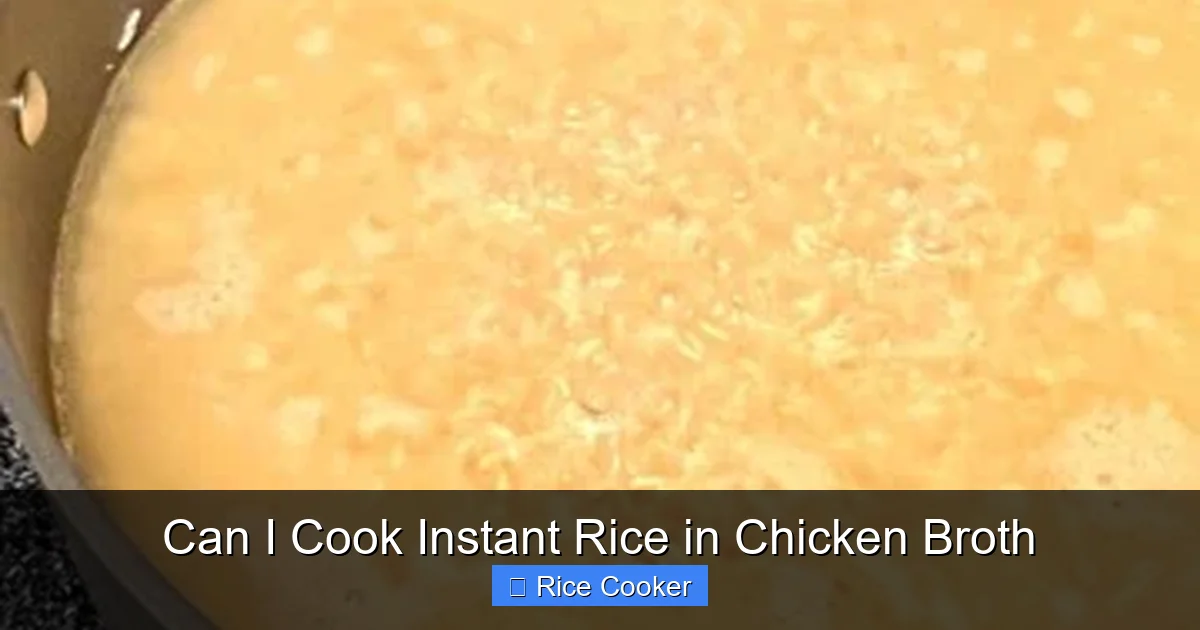
Visual guide about Can I Cook Instant Rice in Chicken Broth
Image source: theshortordercook.com
Think of it like this: cooking rice in broth is similar to soaking dried beans in flavorful liquid instead of plain water. The result is more vibrant, aromatic, and satisfying. Plus, since instant rice cooks quickly, the flavor infusion happens fast—no long simmering required.
It Saves Time Without Sacrificing Taste
One of the biggest perks of instant rice is its speed. Most brands cook in under 10 minutes. When you use broth, you keep that convenience while boosting flavor. There’s no extra prep—just swap one ingredient for another. And unlike traditional long-grain rice, which might take 15–20 minutes and careful monitoring, instant rice handles broth just as well as water.
This makes it perfect for busy parents, college students, or anyone who wants dinner ready in under 15 minutes.
Adds Nutritional Value (Slightly)
While chicken broth isn’t a superfood, it does contribute some benefits. Low-sodium versions contain trace minerals and amino acids from simmered bones and vegetables. Of course, if you’re watching your salt intake, choose a low-sodium broth and adjust seasoning afterward. But overall, using broth over water is a minor nutritional upgrade—especially compared to processed or canned foods.
How to Cook Instant Rice in Chicken Broth
You Don’t Need a Special Rice Cooker
Contrary to popular belief, you don’t need a fancy rice cooker to make this work. A small saucepan, pot, or even a microwave-safe bowl will do. The key is controlling heat and ensuring the rice gets evenly heated.
Step-by-Step Instructions
- Gather Your Ingredients: Instant rice (white recommended), chicken broth (low-sodium if preferred), and optionally, butter or oil.
- Heat the Broth: Pour about 1 cup of broth into a saucepan. Warm it over medium heat—don’t boil aggressively. You want it hot but not bubbling hard.
- Add Rice: Stir in the amount of rice called for on the package (usually 1/2 to 3/4 cup). For example, if the label says “1 cup water,” use 1 cup broth instead.
- Cook Covered: Bring to a gentle simmer, then cover and reduce heat to low. Let it sit for 5–7 minutes—this is the magic trick! Don’t stir during cooking.
- Let It Rest: Turn off the heat and let the rice sit, covered, for 2–3 minutes. This allows steam to finish cooking the grains softly.
- Fluff and Serve: Use a fork to fluff the rice gently. Add a knob of butter or a splash of olive oil if desired.
Microwave Option (Fastest Method)
If you’re short on time, here’s a quick microwave version:
- Pour 1 cup of warm chicken broth into a microwave-safe bowl.
- Add 1/2 cup instant rice.
- Cover with a plate or lid (leave a tiny vent).
- Microwave on high for 5 minutes. Let stand 1–2 minutes before fluffing.
Note: Microwaved rice can sometimes be slightly mushy, so check carefully and adjust time next time.
Brown vs. White Instant Rice
White instant rice works best because it cooks quickly and absorbs liquid evenly. Brown instant rice is less common and tends to get gummy if overcooked. If you try it, increase cooking time by 2–3 minutes and watch closely.
Tips for Perfect Broth-Cooked Instant Rice
Use Warm Broth
Starting with warm broth helps prevent shocking the rice, which can lead to uneven texture. Cold broth forces the rice to heat up slowly, sometimes causing clumping.
Don’t Overfill the Pot
Stick to the ratio on the package. Too much rice and too little broth = dry, crumbly rice. Too much broth and too little rice = mushy mess. Follow directions closely, then tweak next time based on preference.
Season After Cooking
Even though broth adds salt, you might still want to add a pinch of pepper, garlic powder, or fresh herbs like parsley or chives after cooking. Taste first—you can always fix blandness, but it’s harder to remove excess salt.
Try Different Broths
Vegetable, beef, or turkey broth all work! Just be mindful of flavor profiles. For example, beef broth pairs well with red meats, while vegetable broth is great with roasted veggies or lentils.
Add Protein or Veggies
Make it a full meal by stirring in diced chicken, peas, corn, or shredded carrots during the last minute of cooking. Since everything cooks fast, they’ll stay tender without turning to mush.
Common Mistakes to Avoid
Stirring Too Much
Instant rice is designed to be stirred once—at the beginning. Stirring during or after cooking breaks apart the grains and leads to a gluey texture. Patience pays off!
Using Boiling Broth
Too-hot broth can cook the outside of the rice while leaving the inside raw. Keep it at a gentle simmer.
Skipping the Resting Time
Rice needs a moment to breathe after cooking. Skipping the resting period results in unevenly textured rice—some soft, some chewy.
Ignoring Salt Content
If your broth is salty, skip adding salt to the rice. You can always add acid (like lemon juice) or fat (like cream) to balance overly salty dishes later.
Creative Ways to Serve Broth-Cooked Instant Rice
As a Side Dish
Serve alongside grilled chicken, roasted vegetables, or a simple salad. The savory rice complements proteins beautifully without competing for attention.
In Fried Rice
Cool the rice completely, then stir-fry with soy sauce, egg, and mixed veggies. The broth-infused rice soaks up sauces better than plain water-cooked rice.
For Breakfast Burritos
Mix scrambled eggs, cheese, and cooked sausage into cooled rice, then wrap in a tortilla. Top with salsa and sour cream for a protein-packed breakfast.
In Grain Bowls
Layer rice with black beans, avocado, corn, and lime crema. It’s filling, colorful, and ready in 10 minutes flat.
As a Soup Base
Drop dollops of cooked rice into miso soup or tomato soup for added body and nutrition.
Is It Healthier Than Regular Instant Rice?
Not necessarily—but it’s not worse either. Both versions are processed, so neither offers whole-grain benefits. However, using broth instead of water means less dilution of flavor (and thus potentially less need for added fats or salts in recipes). If you’re using low-sodium broth and fresh herbs, you’re making a smarter choice than reaching for canned soup or frozen dinners.
Also, since you’re likely cooking at home, you control what goes into your food—unlike many restaurant or packaged meals.
Frequently Asked Questions
Can I use any type of instant rice?
Most work, but white instant rice gives the best texture. Brown instant rice tends to become mushy unless you monitor it carefully and extend cooking time slightly.
Do I need to rinse the rice first?
No—rinsing isn’t necessary with instant rice since it’s already parboiled and precooked. Rinsing removes starch, which can affect stickiness, but with broth, stickiness is less of an issue.
How much broth should I use?
Use the same amount of broth as water specified on the package. For example, if it calls for 1 cup water, use 1 cup broth.
Can I freeze leftover broth-cooked rice?
Yes! Cool completely, portion into containers, and freeze for up to 3 months. Reheat in the microwave with a splash of water or broth to restore moisture.
Will the rice taste like soup?
Not really—it absorbs the broth’s essence but remains distinctly rice. Think of it as seasoned rather than soup-like.
Can kids eat this?
Absolutely! Just avoid very spicy or heavily seasoned broths. Mild vegetable or chicken broth is kid-friendly and often preferred over plain rice.
Final Thoughts
Cooking instant rice in chicken broth is one of those simple swaps that makes a huge difference. It’s quick, affordable, and surprisingly tasty. Whether you’re whipping up dinner for one or feeding a crowd, this method keeps things fast without sacrificing flavor. Plus, it’s flexible—you can adapt it to your taste, diet, and schedule.
Next time you reach for instant rice, try swapping water for broth. Your taste buds—and your family—will thank you.
Frequently Asked Questions
Can I use any type of instant rice?
Most work, but white instant rice gives the best texture. Brown instant rice tends to become mushy unless you monitor it carefully and extend cooking time slightly.
Do I need to rinse the rice first?
No—rinsing isn’t necessary with instant rice since it’s already parboiled and precooked. Rinsing removes starch, which can affect stickiness, but with broth, stickiness is less of an issue.
How much broth should I use?
Use the same amount of broth as water specified on the package. For example, if it calls for 1 cup water, use 1 cup broth.
Can I freeze leftover broth-cooked rice?
Yes! Cool completely, portion into containers, and freeze for up to 3 months. Reheat in the microwave with a splash of water or broth to restore moisture.
Will the rice taste like soup?
Not really—it absorbs the broth’s essence but remains distinctly rice. Think of it as seasoned rather than soup-like.
Can kids eat this?
Absolutely! Just avoid very spicy or heavily seasoned broths. Mild vegetable or chicken broth is kid-friendly and often preferred over plain rice.