
Can you cook pasta in a rice cooker? The short answer is yes — and it’s easier than you think. With just a few simple steps, your rice cooker can become a versatile kitchen tool capable of making perfect pasta without boiling over or sticking to the pot. Whether you’re short on time or want to try something new, this method saves energy, reduces cleanup, and works for most pasta shapes. We’ll walk you through everything you need to know — from prep tips to recipe ideas — so you can enjoy restaurant-quality pasta at home, fast.
Key Takeaways
- Yes, it’s possible: A rice cooker can cook pasta just as well as a pot on the stove, especially if you follow the right steps.
- Saves time and water: Cooking pasta in a rice cooker uses less water and cuts down on active cooking time.
- No constant stirring needed: Once the pasta is in, you don’t have to babysit the pot — just let the rice cooker do the work.
- Great for meal prep: This method is ideal for making large batches of pasta ahead of time for lunches or dinners.
- Perfect for beginners: No fancy equipment or advanced skills required — just a rice cooker and some basic pasta.
- Customizable: Add sauce, cheese, veggies, or protein to turn plain pasta into a full meal.
- Clean-up is easier: Fewer pots and pans to wash compared to traditional stovetop cooking.
📑 Table of Contents
- Can I Cook Pasta in My Rice Cooker?
- Why Use a Rice Cooker for Pasta?
- How Does It Work? The Science Behind Rice Cooker Pasta
- Step-by-Step Guide: How to Cook Pasta in a Rice Cooker
- Best Types of Pasta for Rice Cooker Cooking
- Creative Rice Cooker Pasta Recipes
- Common Mistakes and How to Avoid Them
- Tips for Perfect Rice Cooker Pasta Every Time
- Frequently Asked Questions About Cooking Pasta in a Rice Cooker
Can I Cook Pasta in My Rice Cooker?
If you’ve ever wondered whether your rice cooker can do more than just make fluffy white rice, you’re not alone. In fact, many people are surprised to learn that their humble kitchen appliance is capable of cooking a wide variety of foods — including pasta. That’s right: you can absolutely cook pasta in a rice cooker, and doing so offers several advantages over traditional methods.
Whether you’re cooking for one, prepping meals for the week, or just tired of standing over a bubbling pot, using your rice cooker for pasta might be the solution you’ve been looking for. Not only does it save time and water, but it also eliminates the risk of boiling over — a common problem when cooking pasta on the stove. Plus, because the rice cooker keeps the pasta in motion during cooking, it helps prevent clumping and ensures even results.
In this complete guide, we’ll explore everything you need to know about cooking pasta in a rice cooker — from the science behind it to step-by-step instructions, recipe ideas, and expert tips. By the end, you’ll be ready to whip up a delicious bowl of pasta with zero stress and minimal cleanup.
Why Use a Rice Cooker for Pasta?
The Convenience Factor
One of the biggest reasons people love cooking pasta in a rice cooker is convenience. Unlike boiling pasta on the stove, which requires constant attention, stirring, and monitoring, the rice cooker handles everything on its own. Once you add the pasta and water, you can walk away and focus on chopping veggies, preparing sauce, or setting the table.
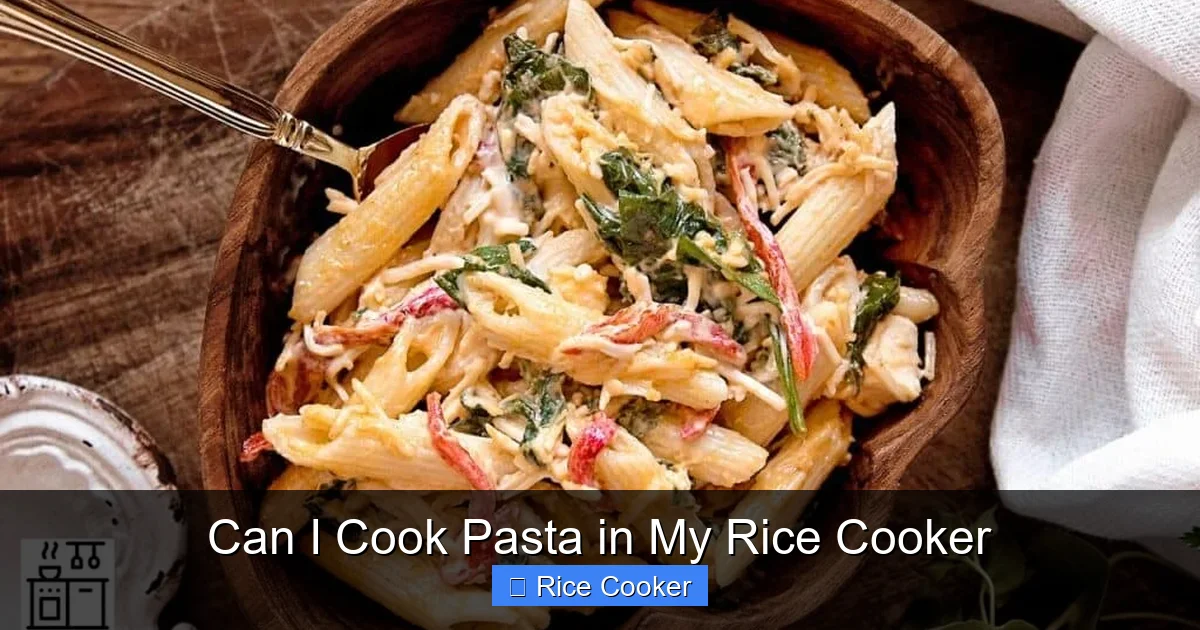
Visual guide about Can I Cook Pasta in My Rice Cooker
Image source: kitchencuddle.com
This hands-off approach is especially helpful for busy weekdays or when you’re multitasking in the kitchen. You don’t need to worry about the pasta sticking to the bottom or overflowing — the rice cooker’s automatic shut-off and gentle heating ensure consistent results every time.
Energy and Water Savings
Cooking pasta in a rice cooker uses significantly less water than traditional boiling. While stovetop methods typically require 4–6 cups of water per pound of pasta, a rice cooker needs just enough to cover the pasta by an inch or two. That means less water to heat, less energy consumed, and faster cooking times.
For eco-conscious cooks or those watching their utility bills, this efficiency is a major win. Plus, since the rice cooker retains heat so well, there’s no need to keep the burner on high after the cycle starts — another way to save energy.
Reduced Risk of Boiling Over
Ever had pasta boil over and create a sticky mess on your stove? That won’t happen with a rice cooker. The closed lid and controlled environment prevent splashing and overflow, keeping your kitchen clean and your appliance safe.
This is particularly useful for families or when cooking larger quantities. You can make a big batch of spaghetti or penne without worrying about the pot bubbling up onto the counter or burning off the bottom.
How Does It Work? The Science Behind Rice Cooker Pasta
Understanding the Rice Cooker Mechanism
Rice cookers work by detecting when the liquid inside has fully evaporated — signaling that the grains (or in this case, pasta) are done. They use a thermostat to monitor temperature and automatically switch from “cook” mode to “warm” mode once the desired consistency is reached.
When cooking pasta, the starch released by the noodles interacts with the water, thickening it slightly — similar to how rice absorbs moisture and becomes tender. The rice cooker’s heating element circulates heat evenly, ensuring the pasta cooks uniformly without scorching.
Why Pasta Works Well in a Rice Cooker
Pasta is essentially cooked starch, and like rice, it responds well to consistent, dry heat. Since rice cookers are designed to handle dry-heat cooking, they’re naturally suited for pasta. The key is providing enough water so the pasta can absorb it properly, but not so much that it becomes mushy.
Additionally, the absence of direct flame means there’s no risk of hot spots or uneven cooking — something that can happen on a gas or electric stove. This makes the rice cooker ideal for achieving al dente perfection every time.
Limitations to Keep in Mind
While rice cookers are great for most pasta dishes, there are a few limitations. For example, long, thin pasta like angel hair may require extra stirring to prevent tangling. Also, if your rice cooker doesn’t have a “keep warm” function, you’ll need to serve the pasta immediately after cooking.
Finally, avoid using pasta that’s too delicate or prone to breaking, such as farfalle or shells, until you’ve tested the method. Some shapes may work better than others, depending on your specific model.
Step-by-Step Guide: How to Cook Pasta in a Rice Cooker
What You’ll Need
- A standard rice cooker with a removable inner pot
- Your choice of pasta (see recommended types below)
- Water (about 1.5 to 2 times the volume of pasta)
- Salt (optional, for flavor)
- Olive oil (optional, to prevent sticking)
Step 1: Measure Your Ingredients
Start by measuring your pasta. A general rule is to use about 1 cup of dried pasta per person. For example, if you’re cooking for four, measure out 4 cups of pasta.
Next, add water to the inner pot. Most recipes recommend using 1.5 to 2 times the volume of pasta. So, for 4 cups of pasta, you’d use 6 to 8 cups of water. Adding a pinch of salt and a teaspoon of olive oil can enhance flavor and reduce sticking.
Step 2: Add the Pasta and Water
Place the measured pasta into the inner pot first, then pour in the water. Make sure the pasta is fully submerged — this ensures even cooking.
If your rice cooker has a “soak” or “quick start” button, you can skip that step. Otherwise, let the pasta sit in the water for 5–10 minutes before starting the cook cycle. This helps reduce cooking time and prevents clumping.
Step 3: Start the Cook Cycle
Close the lid securely and press the “Cook” button. The rice cooker will begin heating the water. Most models take about 12–18 minutes to cook pasta, depending on the amount and type.
Do not open the lid during cooking — doing so can disrupt the temperature and prolong the process. Let the machine do its job.
Step 4: Drain and Serve
Once the rice cooker switches to “Warm,” wait 2–3 minutes before opening the lid. The pasta should be tender but still firm to the bite (al dente).
Drain any excess water using a colander, then transfer the pasta back to the inner pot. Add your favorite sauce — whether it’s marinara, pesto, or Alfredo — and toss to combine. Serve immediately for best results.
Best Types of Pasta for Rice Cooker Cooking
Dried vs. Fresh Pasta
Dried pasta is the clear winner for rice cooker cooking. Because it’s harder and denser, it holds up well to the longer cook time. Fresh pasta, on the other hand, tends to break apart or become overly soft, so it’s not ideal unless you’re making a quick side dish.
Recommended Shapes
- Spaghetti: Classic and easy to cook; just break it into shorter pieces to prevent tangling.
- Linguine: Similar to spaghetti but slightly wider; works well in rice cookers.
- Rigatoni and Penne: These tube-shaped pastas absorb sauce beautifully and cook evenly.
- Elbow Macaroni: Great for casseroles or mac and cheese; holds shape well.
- Fusilli and Rotini: Spiral shapes trap sauce; ideal for creamy dishes.
Pastas to Avoid
- Angel Hair: Too delicate; may tangle and break.
- Lasagna Sheets: Best boiled separately or used in oven-baked dishes.
- Cappelletti or Ravioli: These contain filling and require different cooking methods.
Creative Rice Cooker Pasta Recipes
Classic Marinara Pasta
After draining your cooked pasta, return it to the rice cooker pot. Add 1 cup of store-bought or homemade marinara sauce, a tablespoon of olive oil, and a sprinkle of garlic powder. Mix well and let it warm for 2–3 minutes on the “Keep Warm” setting. Top with grated Parmesan and fresh basil for a restaurant-worthy meal.
Cheesy Cauliflower Pasta
This gluten-free twist combines cauliflower rice with rice cooker-cooked pasta for a low-carb option. After cooking the pasta, add 2 cups of steamed cauliflower florets and 1/2 cup of shredded cheddar cheese. Stir until melted and creamy. Season with salt, pepper, and a dash of nutmeg.
One-Pot Creamy Garlic Pasta
In the inner pot, cook pasta as usual. Once drained, add 1/4 cup of heavy cream, 3 minced garlic cloves, and 1/2 cup of grated Parmesan. Mix over low heat (using the “Warm” setting) for 2 minutes until smooth and velvety. Garnish with parsley and black pepper.
Pasta with Roasted Veggies
Before adding water, toss your pasta with chopped zucchini, bell peppers, and cherry tomatoes. Add water and cook as normal. Once done, stir in 1/2 cup of crumbled feta and a drizzle of balsamic glaze for a vibrant, flavorful dish.
Common Mistakes and How to Avoid Them
Using Too Little Water
If you don’t add enough water, the pasta may stick to the bottom or undercook. Always follow the 1.5–2x volume rule and ensure the pasta is fully submerged.
Not Pre-Soaking the Pasta
Skipping the soak can lead to uneven cooking. Letting the pasta sit in water for 5–10 minutes before cooking helps it soften and cook more evenly.
Opening the Lid Too Soon
Resist the urge to check on the pasta mid-cycle. Opening the lid releases steam and slows down the cooking process, potentially resulting in mushy noodles.
Overcooking
Even though the rice cooker shuts off automatically, the residual heat can continue cooking the pasta. If the texture is too soft, drain immediately and rinse briefly with cold water to stop the cooking process.
Neglecting to Stir After Draining
Always give the pasta a quick stir after draining and before adding sauce. This helps redistribute moisture and ensures even coating.
Tips for Perfect Rice Cooker Pasta Every Time
- Use a timer: Set a reminder on your phone if your rice cooker doesn’t have a digital display.
- Break long pasta: Cut spaghetti or linguine into shorter lengths to prevent tangling.
- Experiment with timing: Different pasta shapes may need slight adjustments. Keep notes to refine your method.
- Don’t skip the soak: It makes a noticeable difference in texture and cook time.
- Clean your rice cooker promptly: Starchy residue can harden over time, so rinse the pot while it’s still warm.
Frequently Asked Questions About Cooking Pasta in a Rice Cooker
Can I cook whole wheat pasta in a rice cooker?
Yes, whole wheat pasta works very well in a rice cooker. It may take slightly longer to cook, so check for doneness a minute or two early. Its nutty flavor pairs nicely with hearty sauces.
Do I need to add oil to prevent sticking?
A small amount of olive oil (1–2 teaspoons) can help prevent sticking, but it’s not always necessary. The rice cooker’s design already minimizes clumping, so many people skip it.
Can I cook rice and pasta together in the same batch?
Technically, yes, but it’s not recommended. Rice and pasta have different cook times and textures, which can result in one being overcooked or undercooked. It’s better to cook them separately.
What if my rice cooker doesn’t have a “warm” setting?
If your model lacks a keep-warm function, drain and serve the pasta immediately after cooking. You can reheat it gently on the stove with a splash of water or sauce.
Can I make pasta salad in a rice cooker?
Absolutely. Cook the pasta as usual, drain it, and let it cool slightly. Then mix in chopped vegetables, vinaigrette, and herbs. Chill in the fridge for an hour before serving.
Is it safe to leave pasta in the rice cooker after it finishes?
It’s best to serve the pasta within 30 minutes. Leaving it too long on the “warm” setting can dry it out or encourage bacterial growth, especially in warm climates.
Frequently Asked Questions
Can I cook whole wheat pasta in a rice cooker?
Yes, whole wheat pasta works very well in a rice cooker. It may take slightly longer to cook, so check for doneness a minute or two early. Its nutty flavor pairs nicely with hearty sauces.
Do I need to add oil to prevent sticking?
A small amount of olive oil (1–2 teaspoons) can help prevent sticking, but it’s not always necessary. The rice cooker’s design already minimizes clumping, so many people skip it.
Can I cook rice and pasta together in the same batch?
Technically, yes, but it’s not recommended. Rice and pasta have different cook times and textures, which can result in one being overcooked or undercooked. It’s better to cook them separately.
What if my rice cooker doesn’t have a “warm” setting?
If your model lacks a keep-warm function, drain and serve the pasta immediately after cooking. You can reheat it gently on the stove with a splash of water or sauce.
Can I make pasta salad in a rice cooker?
Absolutely. Cook the pasta as usual, drain it, and let it cool slightly. Then mix in chopped vegetables, vinaigrette, and herbs. Chill in the fridge for an hour before serving.
Is it safe to leave pasta in the rice cooker after it finishes?
It’s best to serve the pasta within 30 minutes. Leaving it too long on the “warm” setting can dry it out or encourage bacterial growth, especially in warm climates.