
Can you reheat food in a rice cooker? Absolutely! This handy kitchen tool isn’t just for cooking rice—it’s also great for warming up leftovers with minimal effort. With the right techniques and care, your meals will be hot, evenly heated, and taste nearly as fresh as when they were first made.
Key Takeaways
- Safety First: Always ensure food reaches at least 165°F (74°C) to kill harmful bacteria during reheating.
- Moisture Matters: Add a splash of water or broth to prevent dried-out dishes like pasta or casseroles.
- Use the Warm Setting Wisely: The “warm” function keeps food hot but doesn’t actively reheat—ideal for short-term holding.
- Stir Occasionally: Gentle stirring helps distribute heat evenly and avoids cold spots.
- Avoid Starchy Foods Long-Term: Rice, grains, and starchy dishes can develop texture issues if reheated too many times.
- Not All Containers Are Safe: Use only heat-safe bowls—never metal in non-stick rice cookers.
- Cleanliness Is Key: Reheat food promptly and clean the inner pot after use to prevent bacterial growth.
📑 Table of Contents
- Can You Reheat Food in a Rice Cooker? Your Go-To Guide for Leftover Perfection
- Understanding How Rice Cookers Work During Reheating
- Which Foods Can Be Safely Reheated in a Rice Cooker?
- Foods to Avoid (or Approach with Caution)
- Step-by-Step Guide: How to Reheat Food in a Rice Cooker
- Common Mistakes to Avoid
- Tips for Best Results Every Time
- Is It Safe to Reheat Food in a Rice Cooker?
- Environmental and Cost Benefits of Using Your Rice Cooker to Reheat
- Conclusion: Embrace the Versatility of Your Rice Cooker
Can You Reheat Food in a Rice Cooker? Your Go-To Guide for Leftover Perfection
Have you ever looked into your fridge, stared at a container of last night’s stir-fry, and wondered, “How do I make this warm again without ruining it?”? You’re not alone. Millions of home cooks face this dilemma daily—and the good news? Your trusty rice cooker might be the secret weapon you never knew you had.
Rice cookers are celebrated for their ability to turn raw rice and water into fluffy perfection with minimal effort. But did you know that this humble kitchen appliance is also surprisingly effective at reheating a wide variety of foods? From creamy pasta sauces to hearty casseroles and even soups, many common leftovers can be revived using your rice cooker’s gentle, consistent heating.
In this comprehensive guide, we’ll walk you through everything you need to know about reheating food in a rice cooker—from safety tips and technique to what types of food work best. Whether you’re a college student living on instant ramen or a busy parent trying to cut down on kitchen waste, mastering this skill will save you time, money, and stress. Let’s dive in!
Understanding How Rice Cookers Work During Reheating
Before we get into the nitty-gritty of reheating, let’s talk about what makes a rice cooker tick. Most modern rice cookers operate using one of two main systems: induction heating or standard heating elements. Both rely on precise temperature control to manage cooking cycles—typically starting with high heat to bring liquid to a boil, then switching to low heat to maintain simmering temperatures.
Visual guide about Can You Reheat Food in a Rice Cooker
Image source: foodreadme.com
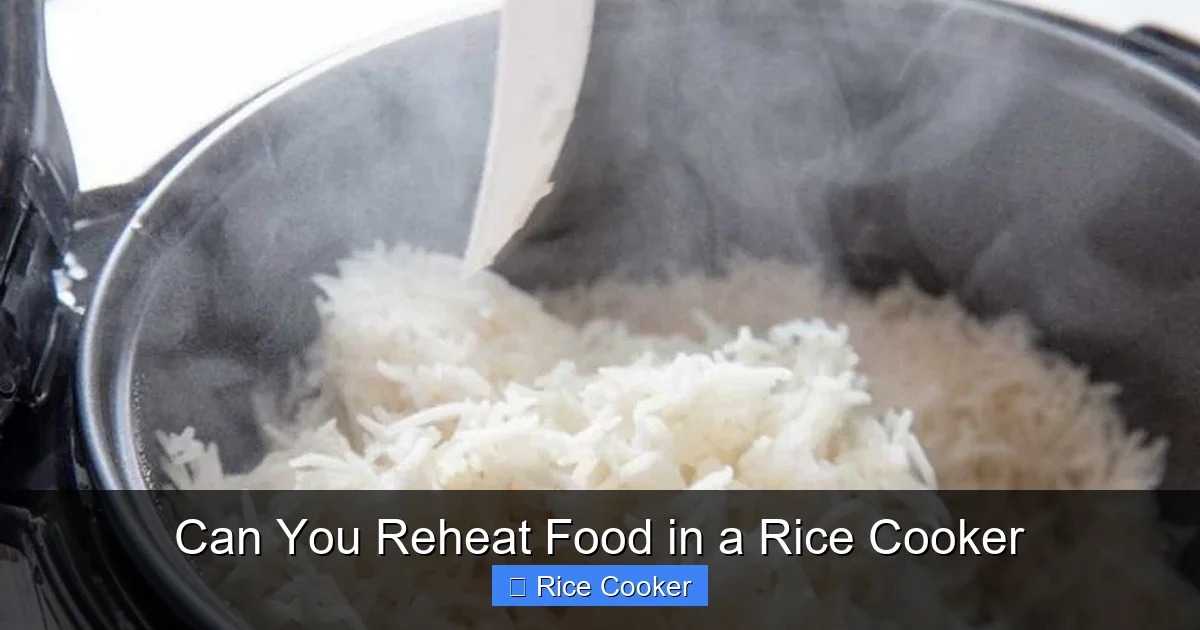
This cycle-based operation is actually perfect for reheating. When you press the “cook” button on an electric rice cooker, it essentially mimics the process of bringing a pot of soup or stew to a gentle boil and keeping it there. That means you’re not just warming food—you’re actively cooking it, which ensures even heat distribution and eliminates cold spots where bacteria could survive.
What Happens When You Press “Cook” Again?
When you place leftover food back into the inner pot and hit the cook button, the rice cooker detects the change in temperature and activates its heating element. It will continue to heat until it reaches the preset internal temperature (usually around 212°F or 100°C), then automatically switch off. Unlike stovetop reheating—which can lead to scorching or uneven heating—the rice cooker’s automated system prevents overheating and provides consistent warmth throughout.
This self-regulating feature is especially helpful for delicate dishes like risotto or creamy sauces that might break or separate on the stove. The rice cooker gently brings everything back to life without disturbing its structure.
Which Foods Can Be Safely Reheated in a Rice Cooker?
Not all foods are created equal when it comes to reheating. Some respond beautifully to the rice cooker’s method, while others may end up mushy, dry, or unsafe to eat. Here’s a breakdown of the best candidates for rice cooker revival:
Visual guide about Can You Reheat Food in a Rice Cooker
Image source: expertreviewsbestricecooker.com
Casseroles and Baked Dishes
Classic comfort foods like lasagna, mac and cheese, shepherd’s pie, and baked ziti reheat wonderfully in a rice cooker. These dishes already contain moisture and often have a thick consistency that benefits from slow, steady reheating. Just be sure to cover the dish loosely with foil or a lid to retain steam—this helps keep things tender instead of drying out.
Pro Tip: If your casserole is particularly thick, add 1–2 tablespoons of water or broth before reheating. This extra moisture prevents the bottom layer from sticking or burning.
Pasta Dishes
Whether it’s carbonara, bolognese, or pesto pasta, reheating pasta in a rice cooker works like a charm. The key is adding enough liquid—about ¼ cup per serving—so the sauce stays glossy and the noodles don’t clump together. Stir gently once halfway through to mix everything evenly.
Soups and Stews
This one practically writes itself. Soups and stews are designed to be reheated, and the rice cooker handles them with ease. Just pour the contents directly into the inner pot (make sure it’s not full—leave room for expansion). The rice cooker will bring it back to a rolling boil and maintain that temperature until done.
Curries and Indian Dishes
Chicken tikka masala, butter chicken, and lentil dal all reheat beautifully in a rice cooker. Their rich sauces and aromatic spices blend even more deeply upon reheating, enhancing flavor. Again, a small amount of added liquid can help if the dish seems too thick.
Vegetables and Side Dishes
Mashed potatoes, roasted veggies, and even mashed sweet potatoes can be revived in the rice cooker. For mashed potatoes, add a splash of milk or cream to restore creaminess. For roasted vegetables, sprinkle a bit of water to reintroduce moisture lost during storage.
Egg-Based Dishes
Scrambled eggs, quiches, and frittatas can be tricky to reheat without becoming rubbery—but the rice cooker’s gentle heat helps minimize damage. Cover the dish tightly to trap steam, and check frequently so it doesn’t overcook.
Foods to Avoid (or Approach with Caution)
While the rice cooker is versatile, some foods don’t fare well under repeated reheating—especially when done multiple times. Here’s what to watch out for:
Rice and Grains (Repeatedly)
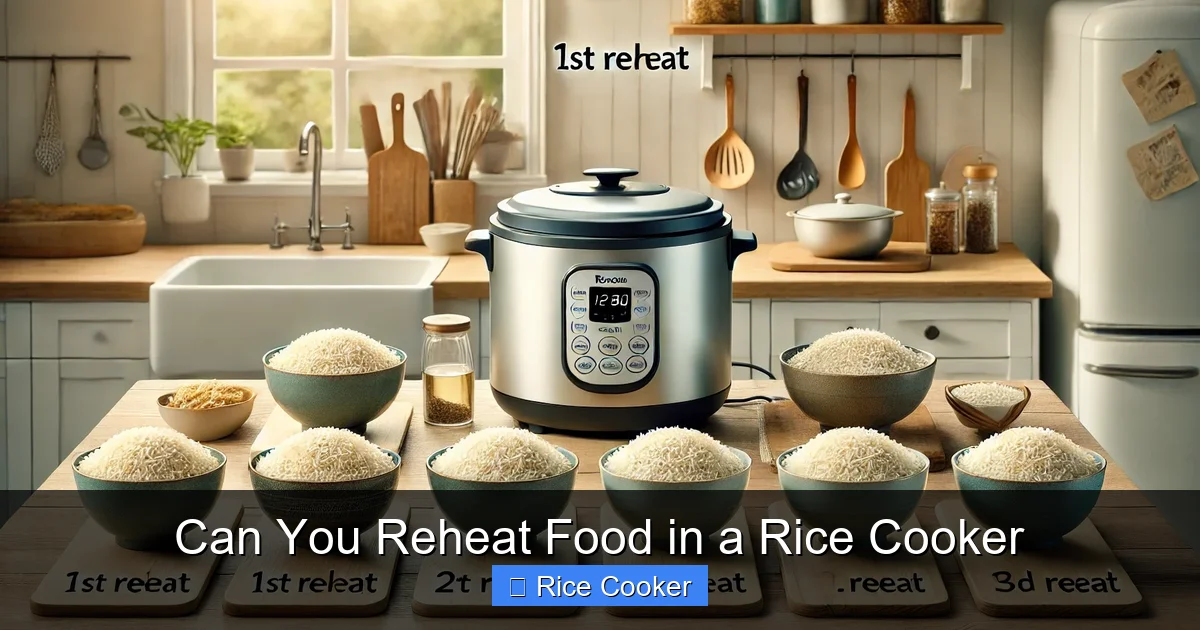
Rice is a classic culprit for foodborne illness if not handled properly. While a single reheat in a rice cooker is generally safe, doing it more than once increases the risk of bacterial growth (like Bacillus cereus). If you must reheat rice more than once, cool it quickly after the first reheat, store it in shallow containers, and refrigerate immediately.
Dairy-Heavy Creams and Custards
Dishes like flan, panna cotta, or custard-heavy desserts can curdle or split if reheated improperly. The rice cooker’s direct heat might be too intense for these delicate mixtures. Instead, try microwaving them in short bursts or using a double boiler setup.
Raw Meat or Seafood
Never reheat raw meat or seafood in a rice cooker. Always ensure such items are fully cooked before storage, and only reheat leftovers—not raw ingredients. Cross-contamination is a serious health risk here.
Frozen Meals (Unless Designed for It)
Some rice cookers come with a “slow cook” or “warm” setting suitable for frozen meals, but most standard models aren’t built for thawing large portions. If you’re reheating something partially frozen, thaw it in the fridge first, then transfer to the rice cooker for final warming.
Step-by-Step Guide: How to Reheat Food in a Rice Cooker
Ready to give it a try? Follow this simple process for foolproof results every time:
- Prepare Your Container: Transfer leftovers into a heat-safe bowl or the original container. Avoid metal—use glass, ceramic, or plastic (not near the heating element).
- Add Moisture (If Needed): For dry or thick dishes, add 1–2 tablespoons of water, broth, or sauce.
- Cover It Up: Place a lid or aluminum foil loosely over the top to trap steam. This keeps food moist and speeds up reheating.
- Press the Cook Button: Hit the “cook” setting. The rice cooker will begin heating automatically.
- Stir Gently Halfway: After 2–3 minutes (depending on quantity), open the lid and stir once to redistribute heat.
- Check Temperature: Use a food thermometer to confirm the center reaches at least 165°F (74°C). If not, close the lid and let it continue—don’t leave it on warm for too long.
- Serve Immediately: Once hot, transfer to plates and enjoy right away.