
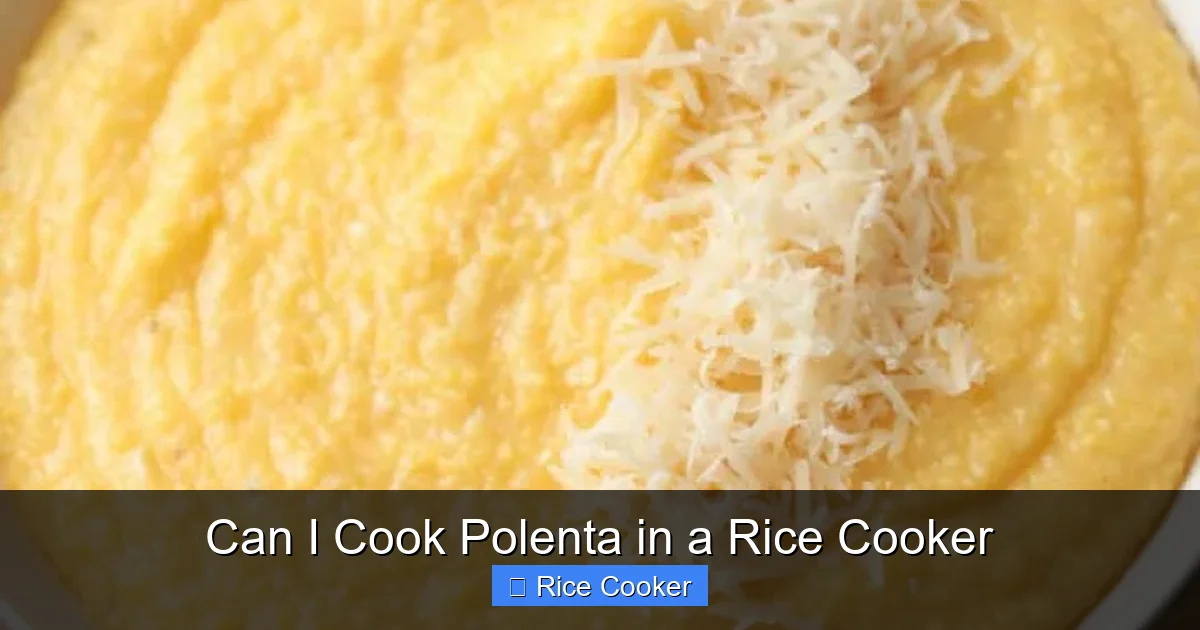
Yes, you can absolutely cook polenta in a rice cooker! This versatile kitchen appliance handles polenta effortlessly, delivering creamy, smooth results without constant stirring. Whether you’re new to polenta or a seasoned cook, using your rice cooker saves time and reduces cleanup—perfect for busy weeknights or meal prep.
Key Takeaways
- Understanding can i cook polenta in a rice cooker: Provides essential knowledge
📑 Table of Contents
- Can I Cook Polenta in a Rice Cooker?
- The Basics of Polenta and Why It Needs Special Handling
- Why Use a Rice Cooker for Polenta?
- How to Cook Polenta in a Rice Cooker: Step-by-Step Guide
- Troubleshooting Common Issues
- Flavor Variations and Serving Suggestions
- Tips for Success Every Time
- Conclusion: Polenta Made Easy
Can I Cook Polenta in a Rice Cooker?
Imagine this: it’s a quiet Tuesday evening, you’re craving something warm, comforting, and satisfying—but you don’t want to stand over a stove for 45 minutes, constantly stirring a pot of bubbling gruel. Sound familiar? That’s where the humble rice cooker steps in like a kitchen superhero. Yes, you can absolutely cook polenta in a rice cooker, and doing so might just revolutionize your grain-based meals.
Polenta, that creamy Italian staple made from ground corn, has long been associated with rustic kitchens and patient cooks. Traditionally, it requires constant attention—stirring, scraping, and watching closely to avoid scorching. But modern appliances like rice cookers have changed the game. With consistent heat and automated cycles, they take much of the guesswork out of making polenta. Plus, they free up your stovetop for other dishes. In this guide, we’ll walk you through everything you need to know about cooking polenta in a rice cooker—from ratios to techniques, troubleshooting, and serving ideas.
The Basics of Polenta and Why It Needs Special Handling
What Is Polenta?
Polenta is simply boiled cornmeal—usually fine- or medium-ground—dissolved in water or broth. Originating in northern Italy, it’s traditionally served soft (creamy) or firm (set into blocks and grilled). Unlike rice or quinoa, polenta doesn’t absorb liquid all at once; instead, it thickens gradually as starch molecules swell and release their starches into the liquid.

Visual guide about Can I Cook Polenta in a Rice Cooker
Image source: apeachyplate.com
The Challenge of Cooking Polenta
The real issue isn’t whether you *can* cook polenta in a rice cooker—it’s that polenta behaves differently than grains. If you just dump dry cornmeal into water and let it cook without supervision, you risk lumps, uneven texture, or even burning at the bottom. Traditional methods rely on constant stirring to distribute heat evenly and break up clumps. But with a rice cooker, you don’t have full-time access to stir. So how do you get around that?
Why Use a Rice Cooker for Polenta?
Consistent Heat Distribution
Rice cookers maintain a steady temperature throughout the cooking cycle, which prevents hot spots that can cause scorching. This is crucial because polenta burns easily when left unattended. The heating element cycles on and off gently, mimicking the slow, even simmer needed for proper gelatinization of cornstarch.
Hands-Free Convenience
If you’ve ever watched someone make traditional polenta, you’ve seen them stand over a pot, stirring with a wooden spoon every few minutes. With a rice cooker, you set it and forget it—mostly. You still need to stir occasionally, but less frequently than on the stove. This makes it perfect for multitasking or preparing meals while away from the kitchen.
Energy Efficiency
Rice cookers use less energy than keeping a pot on the stove for extended periods. Once your polenta reaches the desired consistency, the cooker switches off automatically. No more worrying about overcooking or wasting electricity.
Versatility Beyond Grains
Many rice cookers come with multiple settings—brown rice, quick cook, porridge, even soup modes. While not all are ideal for polenta, having these options means your appliance can handle a wider range of dishes. Some models even have steam baskets or keep-warm functions, which can be useful for side dishes or reheating later.
How to Cook Polenta in a Rice Cooker: Step-by-Step Guide
Gather Your Ingredients
Before you start, make sure you have:
- Dried cornmeal (fine or medium grind works best)
- Water or broth (vegetable, chicken, or even white wine for extra flavor)
- Salt (about 1 teaspoon per cup of liquid)
- Optional: Butter, cheese, herbs, or garlic for flavoring
Choose the Right Ratio
The classic ratio is 3 cups liquid to 1 cup dry cornmeal. For example:
- For soft, creamy polenta: 3 cups water + 1 cup cornmeal
- For firmer polenta (to slice and grill): 2.5 cups water + 1 cup cornmeal
Soak the Cornmeal (Optional but Recommended)
To reduce grittiness and improve smoothness, soak your cornmeal in cold water for 15–30 minutes before cooking. Drain excess water afterward. This step is especially helpful if you’re using coarse-ground cornmeal.
Prepare the Rice Cooker
Use the inner pot only—never cook directly in the outer shell. Lightly grease the pot with oil or non-stick spray to prevent sticking, though polenta tends to cling regardless. Rinse the inner bowl first to remove any residue from previous uses.
Cooking Process
- Pour your liquid (water or broth) into the rice cooker.
- Add salt and optional aromatics like bay leaves or garlic cloves.
- Gradually whisk in the cornmeal (or soaked cornmeal) until no lumps remain.
- Close the lid and select the “White Rice” or “Normal” setting. Avoid “Quick Cook” or “Brown Rice” unless your model specifies otherwise.
- After it starts boiling (you may hear bubbling), open the lid and stir gently every 10–15 minutes to prevent sticking and break up bubbles.
- Cook for 30–40 minutes total, depending on your preferred consistency. Soft polenta takes less time; firmer versions may need up to 45 minutes.
- Once done, the rice cooker will switch to “Keep Warm.” Stir in butter or cheese now for extra richness.
Troubleshooting Common Issues
Too Thin or Watery?
This usually means too much liquid or insufficient cooking time. To fix it:
- Remove the lid and simmer uncovered on the stove for 5–10 minutes to evaporate excess moisture.
- Alternatively, transfer to a baking dish, cover with foil, and bake at 350°F (175°C) for 15–20 minutes to thicken.
Lumpy Texture?
Lumps form when cornmeal isn’t blended well or stirred enough. Prevent this by:
- Whisking thoroughly before adding to liquid.
- Using a fine-mesh sieve to sift cornmeal before cooking (removes large particles).
- Stirring frequently during the first 10 minutes of cooking.
Burning or Sticking?
This happens most often with low-quality cookers or if the pot isn’t clean. Solutions include:
- Using fresh, rinsed cornmeal.
- Avoiding metal utensils that scratch the pot (use silicone or wood).
- Adding a splash of liquid if the bottom starts to stick.
Overcooked or Gummy?
Some rice cookers continue heating briefly after switching off, which can overcook polenta. To avoid this:
- Turn off the unit manually once done.
- Let it rest for 5–10 minutes before opening the lid—this allows residual steam to finish softening the mixture.
Flavor Variations and Serving Suggestions
Infuse Broth Instead of Water
For deeper flavor, use chicken, vegetable, or mushroom broth. Herbs like thyme, rosemary, or sage add warmth. Remove herb stems before cooking.
Add Cheese During the Last Minute
Parmesan, Pecorino Romano, or aged cheddar melt beautifully into polenta. Stir in just before serving for maximum creaminess.
Sweet Polenta Options
Try adding cinnamon, maple syrup, or honey. Serve warm with fresh fruit, berries, or a dollop of yogurt. Omit salt entirely for desserts.
Toppings and Accompaniments
Classic pairings include:
- Braised lentils or sautéed mushrooms
- Grilled vegetables with balsamic glaze
- Tomato sauce and mozzarella
- Fried sage leaves or crispy pancetta
Make It Ahead and Reheat
Cool polenta completely, then store in an airtight container in the fridge for up to 5 days. When ready to eat, microwave with a splash of milk or broth, stirring often until smooth. Or reheat gently on the stove over low heat.
Tips for Success Every Time
Use a Quality Rice Cooker
Look for models with a non-stick inner pot and reliable temperature control. Brands like Zojirushi, Panasonic, and Cuckoo offer excellent options, though many basic models work fine for polenta.
Don’t Rush the Process
Even though the rice cooker automates heat, polenta still needs time to develop its signature texture. Be patient—rushing leads to gummy or undercooked results.
Experiment with Grinds
Fine grind = smoother, quicker cooking. Medium grind adds slight chewiness. Coarse grind is traditional but requires longer soaking and more attention.
Keep a Ladle Handy
Use a silicone spatula or ladle to scrape the bottom and sides regularly. This mimics the stirring needed on the stove.
Adjust for Altitude
At higher elevations, liquids boil faster and evaporate quicker. Increase liquid slightly (¼ cup per cup of cornmeal) and monitor closely.
Conclusion: Polenta Made Easy
Cooking polenta in a rice cooker isn’t just possible—it’s practical, efficient, and yields delicious results. Gone are the days of standing vigil over a bubbling pot. With a little preparation and awareness of how polenta behaves, your rice cooker becomes a powerful tool for creating creamy, comforting meals with minimal effort.
Whether you’re feeding a family, meal prepping for the week, or simply craving something hearty and wholesome, polenta is a fantastic choice. And now, thanks to modern kitchen technology, it’s easier than ever to master. So go ahead—grab your rice cooker, pour in those ingredients, and enjoy the simplicity of perfectly cooked polenta, every single time.
Frequently Asked Questions
Can I use instant polenta mix in a rice cooker?
Yes! Instant polenta mixes are designed for quicker cooking and work well in rice cookers. Follow package instructions but adjust liquid slightly—they often require less water than regular cornmeal. Stir occasionally during the first 10 minutes.
Do I need to rinse the cornmeal before cooking?
Rinsing removes dust and excess starch, leading to a clearer-tasting polenta. However, it’s optional. If you skip rinsing, just make sure to blend thoroughly to avoid lumps.
Can I cook polenta in a pressure cooker instead?
Yes, but timing differs. Pressure cooker polenta typically takes 20–25 minutes on high pressure. Because pressure cookers retain steam, the texture tends to be softer. You may need to adjust liquid amounts based on your model.
How do I prevent polenta from sticking in the rice cooker?
Always use a clean, lightly greased pot. Stir frequently during the initial phase, and add a splash of liquid if the bottom starts to adhere. Silicone tools work better than metal ones.
Can I add cheese while cooking?
It’s best to add cheese toward the end—after the polenta is fully cooked and off the heat. Melting cheese into hot polenta prevents it from becoming stringy. Stir until fully incorporated.
Is polenta gluten-free?
Yes, polenta is naturally gluten-free since it’s made from corn. Always check labels to ensure no cross-contamination occurred during processing, especially if you have celiac disease or severe gluten sensitivity.