
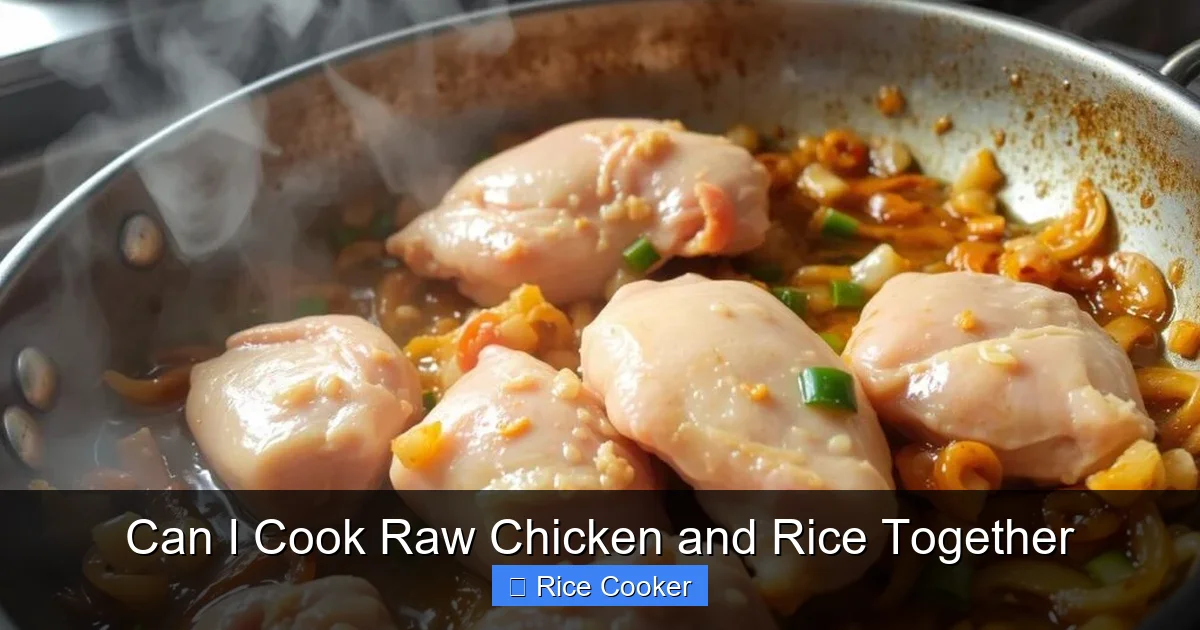
Can I cook raw chicken and rice together? Yes, it’s possible—and convenient—especially when using a rice cooker. The key is ensuring both foods reach safe internal temperatures and are cooked evenly without cross-contamination risks. With the right technique, you can prepare a complete, balanced meal in one pot with minimal cleanup.
Key Takeaways
- It’s safe to cook raw chicken and rice together in a rice cooker if done properly—just ensure both ingredients reach safe internal temperatures.
- Use a high-quality rice cooker with multiple cooking modes (like steam or slow cook) to better control the process and prevent undercooked chicken.
- Always use a food thermometer to verify chicken reaches 165°F (74°C), the USDA-recommended safe temperature for poultry.
- Add chicken early and rice later or use a layered approach to manage cooking times and avoid mushy rice or dry chicken.
- Season and marinate chicken ahead of time to enhance flavor, but don’t add acidic ingredients directly into the rice cooker to protect the appliance.
- Clean your rice cooker thoroughly after use to prevent bacteria buildup, especially if raw meat was involved.
- This method saves time and reduces dishes, making it ideal for busy weeknights or meal prep.
📑 Table of Contents
- Can I Cook Raw Chicken and Rice Together?
- Why People Combine Chicken and Rice
- Food Safety First: Is It Safe to Cook Raw Chicken and Rice Together?
- How to Cook Raw Chicken and Rice Together Safely
- Choosing the Right Rice Cooker for Chicken and Rice
- Flavor Enhancements and Recipe Ideas
- Troubleshooting Common Issues
- Cleaning and Maintenance Tips
- Conclusion: Yes, You Can—and Should—Cook Chicken and Rice Together
Can I Cook Raw Chicken and Rice Together?
If you’re tired of doing multiple pots and pans, you might be wondering: Can I cook raw chicken and rice together? The short answer is yes—you absolutely can cook raw chicken and rice together in a rice cooker, and many people do it every day for quick, one-pot meals. But before you toss everything into the pot, there are some important safety and technique considerations to keep in mind. Cooking raw chicken with rice isn’t just about convenience; it’s about making sure both foods are cooked safely, thoroughly, and deliciously.
Using a rice cooker to prepare chicken and rice together is more common than you think. In fact, many modern rice cookers come with specialized settings like “steam,” “slow cook,” or “meat” modes that make this process easier and safer. Whether you’re making a hearty chicken and rice casserole or a simple jambalaya-style dish, combining these two staples can save time, reduce cleanup, and even improve flavor by allowing ingredients to meld together during cooking. However, because chicken is a high-risk food when undercooked, extra care is needed to avoid foodborne illnesses like salmonella.
In this article, we’ll walk you through everything you need to know about cooking raw chicken and rice together—from safety guidelines to recipe ideas, troubleshooting tips, and how to choose the right tools. By the end, you’ll feel confident preparing nutritious, tasty meals without the hassle of multiple pots or guesswork about whether your chicken is safe to eat.
Why People Combine Chicken and Rice
Chicken and rice have been paired together for centuries across cultures—think jambalaya in Louisiana, pilaf in Persian cuisine, and kabsa in the Middle East. These combinations aren’t just tradition; they’re practical. Rice soaks up flavor from the chicken broth, while chicken adds protein and richness that balances the starchy grain. When cooked together in one pot, they create a complete, satisfying meal that’s easy to portion and reheat.
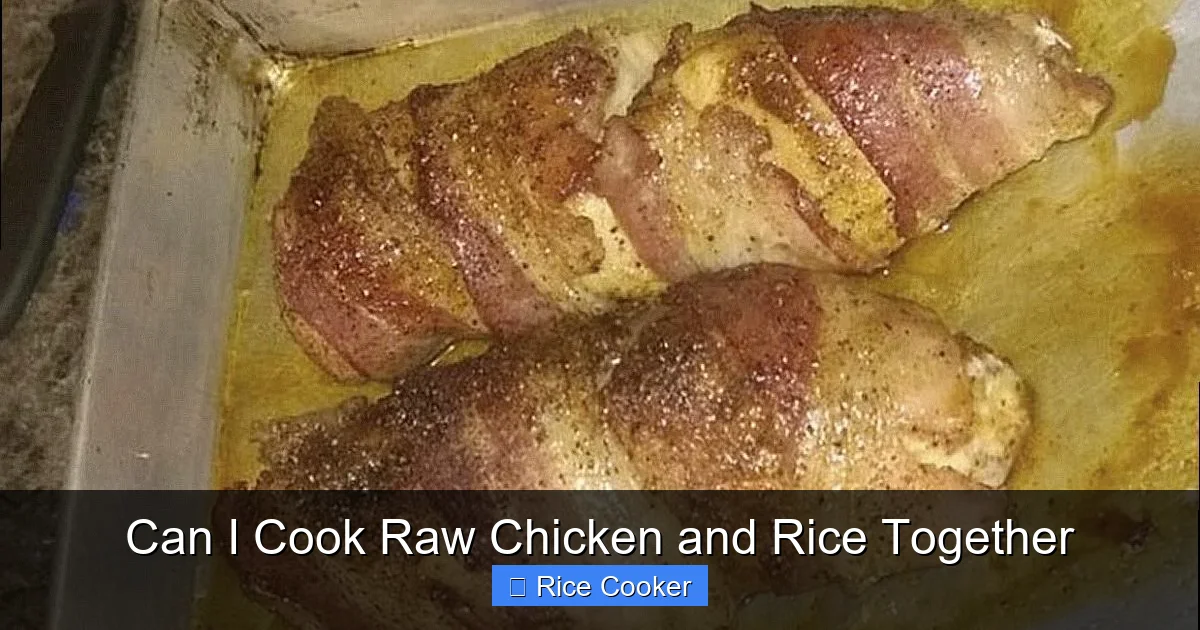
Visual guide about Can I Cook Raw Chicken and Rice Together
Image source: pastimebarandgrill.com
One of the biggest reasons people love cooking chicken and rice together is efficiency. Instead of boiling rice separately and pan-frying chicken, you can prepare both in one go. This is especially helpful on busy weeknights when you want a home-cooked meal without spending hours in the kitchen. Plus, using a rice cooker means less active cooking time—you set it and forget it, then serve straight from the pot.
Benefits of One-Pot Meals
One-pot cooking offers several advantages:
- Saves time and effort: Fewer pots to wash means faster cleanup.
- Retains nutrients: Cooking in a sealed environment helps preserve vitamins and minerals better than open-pan methods.
- Enhances flavor: Ingredients simmer together, allowing flavors to blend naturally.
- Reduces waste: Fewer utensils and containers mean less plastic and energy used.
When you combine chicken and rice in a rice cooker, you get all these benefits—plus the added convenience of automatic shut-off and consistent heat distribution. Just remember: convenience shouldn’t come at the cost of food safety.
Food Safety First: Is It Safe to Cook Raw Chicken and Rice Together?
This is the most important question: Is it safe to cook raw chicken and rice together? The answer depends on how you do it. If both the chicken and rice reach their proper internal temperatures and are handled correctly, yes—it’s completely safe. But if the chicken isn’t cooked through or the rice remains underdone, you risk food poisoning.
Raw chicken can carry harmful bacteria like Salmonella and Campylobacter. These pathogens aren’t killed by simply adding water or rice—they require sustained high heat. Rice, especially white rice, also has a tendency to absorb liquids slowly and may not cook evenly unless stirred or monitored. That’s why simply tossing everything into the rice cooker and hoping for the best won’t cut it.
USDA Guidelines for Safe Chicken Cooking
The U.S. Department of Agriculture (USDA) recommends cooking all poultry to an internal temperature of 165°F (74°C). At this temperature, any harmful bacteria are destroyed. To check doneness:
- Insert a digital food thermometer into the thickest part of the chicken breast or thigh—avoid touching bone.
- If using a rice cooker without a built-in thermometer, lift the lid occasionally to check progress.
- Let the chicken rest for 3 minutes after cooking to allow juices to redistribute.
Rice should also be checked. Undercooked rice can harbor Bacillus cereus, which produces toxins that cause food poisoning. Always ensure rice is tender and fully cooked—no hard grains or white centers.
Avoiding Cross-Contamination
Even though you’re cooking everything together, cross-contamination can still happen during prep. Here’s how to prevent it:
- Wash your hands thoroughly before and after handling raw chicken.
- Use separate cutting boards for meat and vegetables/other foods.
- Sanitize surfaces and utensils that touched raw chicken before using them for rice or other ingredients.
- Never place cooked chicken back on the same plate that held raw chicken unless it’s been washed.
While the rice cooker itself becomes contaminated during cooking, this is normal and expected. The goal isn’t to keep the appliance sterile—it’s to make sure all food inside is safe to eat. After use, clean the inner pot and lid immediately with hot, soapy water to remove any residue.
How to Cook Raw Chicken and Rice Together Safely
Now that we’ve covered safety, let’s talk technique. There are several ways to cook chicken and rice together in a rice cooker, each with its own pros and cons. The best method depends on your appliance, desired texture, and how much attention you want to pay during cooking.
Method 1: Layered Cooking (Recommended)
This is the safest and most reliable approach. Instead of mixing everything at once, layer the ingredients to control cooking times.
- Start with rice: Rinse 1 cup of long-grain rice and add it to the inner pot with 1.5 cups of water or chicken broth.
- Add chicken on top: Place boneless, skinless chicken breasts or thighs over the rice. Don’t stir—just lay them gently.
- Cook on standard setting: Press the “Cook” button. The rice will start absorbing liquid first, then the chicken will cook as steam builds.
- Switch to warm after cooking: Once the cycle finishes, let it sit for 5–10 minutes on the “Warm” setting to finish cooking the chicken.
This method allows the rice to cook properly before the chicken touches it directly, reducing the chance of uneven cooking or soggy rice.
Method 2: Pre-Cook the Chicken
If you’re worried about doneness, partially cook the chicken first:
- Boil or sear the chicken until it’s mostly done (internal temp of 155°F).
- Transfer it to the rice cooker with uncooked rice and liquid.
- Cook as usual—the remaining heat will finish both ingredients.
This reduces total cooking time and ensures the chicken is safe to eat, even if the rice cooker doesn’t reach full heat quickly.
Method 3: Use a Steam Basket
Some rice cookers come with a steam basket. You can place chicken in the basket and rice in the main pot. Steam cooks chicken gently while rice absorbs flavorful broth below. This keeps textures distinct and avoids mushiness.
Timing Tips
Most rice cookers take 20–30 minutes to cook rice. Chicken needs at least 15–20 minutes at 165°F to be safe. So if you cook them together from scratch, plan for a longer cycle—or use the “Keep Warm” function afterward to finish the job.
Choosing the Right Rice Cooker for Chicken and Rice
Not all rice cookers are created equal when it comes to handling meat. Standard models may not provide enough heat or monitoring features to ensure chicken cooks safely. Look for these features:
Essential Features
- Multiple cooking programs: Settings like “Steam,” “Slow Cook,” or “Meat” help manage different ingredients.
- Thickened inner pot: Aluminum or stainless steel with non-stick coating resists sticking and cleans easily.
- Timer function: Lets you delay start for meal prep convenience.
- Keep-warm mode: Keeps food at a safe temperature without overcooking.
- Transparent lid: Allows you to monitor progress without opening (which releases steam).
Recommended Models
Here are a few popular rice cookers known for versatility:
- Zojirushi NS-ZCC10: Compact, reliable, with fuzzy logic technology for precise cooking.
- Ninja Foodi Rice Cooker: Offers multiple functions including sauté, steam, and slow cook.
- Tefal RK7007: Affordable option with a dedicated meat program.
Always read reviews and check if the model has been tested for meat cooking safety. Some older rice cookers may not reach sufficient temperatures for poultry, so upgrading might be worth it if you plan to cook chicken regularly.
Flavor Enhancements and Recipe Ideas
Cooking chicken and rice together isn’t just functional—it’s an opportunity to build deep, rich flavors. Since both ingredients absorb liquids and seasonings, you can elevate your dish with herbs, spices, and broths.
Seasoning Basics
Before adding chicken and rice, flavor your cooking liquid:
- Use chicken broth instead of water for extra umami.
- Add garlic, onion powder, smoked paprika, or cumin for warmth.
- Drizzle in soy sauce, Worcestershire sauce, or fish sauce for depth.
- Include bay leaves, thyme, or parsley for freshness.
Remember: don’t add lemon juice or vinegar directly into the rice cooker—acid can damage the heating element and affect texture.
Recipe Examples
1. Simple Chicken and White Rice
- 1 cup jasmine rice
- 1 lb chicken thighs, bone-in
- 1.5 cups chicken broth
- 1 tsp garlic powder
- ½ tsp salt
- ¼ tsp black pepper
Layer rice, then chicken, pour in broth with seasonings. Cook on standard setting. Rest 5 minutes before serving.
2. Spicy Coconut Chicken Rice
- 1 cup basmati rice
- 1 lb chicken breasts, cubed
- 1.5 cups coconut milk + water (equal parts)
- 1 tbsp red curry paste
- 1 tsp fish sauce
- Lime wedges for garnish
Mix chicken with curry paste and let sit 10 minutes. Add rice and liquid to cooker. Serve with lime.
3. Mediterranean Chickpea & Chicken Pilaf
- 1 cup brown rice
- 1 lb chicken sausage or breast
- 1.5 cups vegetable broth
- 1 can chickpeas, drained
- 1 tsp oregano, ½ tsp cumin
- Olives and cherry tomatoes
Cook rice and chicken first, then stir in chickpeas and veggies during last 5 minutes.
Troubleshooting Common Issues
Even with the best intentions, things can go wrong when cooking chicken and rice together. Here’s how to fix common problems.
Mushy Rice
Cause: Too much liquid or overcooking.
Fix: Stick to the 1:1.5 rice-to-liquid ratio. For brown rice, use 1:2. Also, avoid opening the lid frequently—this releases steam and slows cooking.
Dry or Undercooked Chicken
Cause: Insufficient cooking time or low heat.
Fix: Use a meat thermometer. If the chicken isn’t done after the rice cycle, switch to “Warm” and let it sit another 10 minutes. Or pre-sear the chicken before adding it.
Uneven Cooking
Cause: Rice cooker doesn’t distribute heat evenly.
Fix: Stir rice halfway through (if safe to open). Or use the layered method with chicken on top.
Off-Flavors or Bitter Taste
Cause: Over-seasoning or burnt bits at the bottom.
Fix: Rinse rice well to remove excess starch. Don’t overcrowd the pot. Clean the inner pot thoroughly after use to prevent residue buildup.
Cleaning and Maintenance Tips
After cooking raw chicken and rice, cleaning your rice cooker is crucial to prevent bacterial growth and extend its lifespan.
- Unplug and cool completely before washing.
- Remove the inner pot and wash with hot, soapy water. A soft sponge works best—avoid abrasive scrubbers that can scratch non-stick coatings.
- Wipe the exterior and lid with a damp cloth. Pay attention to the sealing ring and vent holes.
- Soak tough stains in warm water with baking soda for 15 minutes before scrubbing.
- Air-dry completely before reassembling.
Never submerge the base or electronics in water. Most modern rice cookers are dishwasher-safe only for the removable parts—always check your manual.
Conclusion: Yes, You Can—and Should—Cook Chicken and Rice Together
So, can I cook raw chicken and rice together? Absolutely. With the right techniques, tools, and attention to safety, you can prepare delicious, nutritious meals in one pot with minimal effort. Modern rice cookers make this process easier than ever, offering features that help ensure both ingredients are cooked perfectly and safely.
The key is balance: convenience meets care. By following USDA guidelines, using a reliable appliance, and checking temperatures, you eliminate risks while maximizing flavor and efficiency. Whether you’re making a simple family dinner or experimenting with global recipes, combining chicken and rice in a rice cooker is a smart, sustainable choice.
Next time you’re short on time, skip the separate pots. Grab your rice cooker, toss in some chicken and rice, and trust that you’re making a safe, tasty meal—without the stress. Happy cooking!
Frequently Asked Questions
Can I put raw chicken directly into a rice cooker with rice?
Yes, but only if you follow proper safety steps. Place chicken on top of the rice, add liquid, and ensure both reach safe internal temperatures. Never skip checking with a food thermometer.
How long does it take to cook chicken and rice together in a rice cooker?
Typically 25–35 minutes on the standard setting, depending on the type of rice and chicken size. Let it rest 5–10 minutes afterward to finish cooking evenly.
Is it better to cook chicken and rice separately?
Separately gives more control, but together saves time and creates richer flavor. If you use a good rice cooker and monitor temperatures, cooking together is safe and efficient.
Can I cook brown rice and chicken together?
Yes! Brown rice takes longer to cook, so increase liquid (use 1:2 ratio) and consider starting chicken earlier or switching to “Warm” after the cycle ends.
What happens if I don’t cook the chicken to 165°F?
Undercooked chicken can cause foodborne illness. Always verify temperature with a food thermometer—don’t rely on color or texture alone.
Can I use frozen chicken with raw rice?
It’s possible, but not recommended. Frozen chicken takes much longer to thaw and cook safely. Thaw it in the fridge overnight or use pre-cut fresh chicken for best results.