
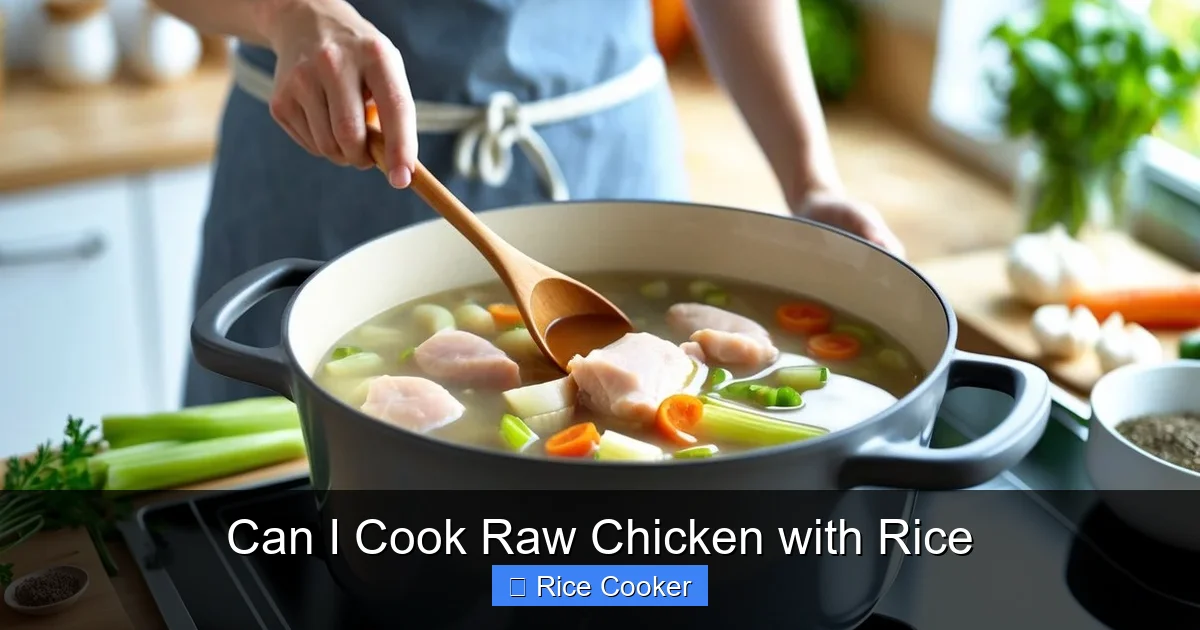
Can you cook raw chicken and rice together? Yes, but only if done safely. Combining raw chicken and rice in one pot—whether using rice cooker or stovetop—can be convenient, but it carries serious food safety risks if not handled properly. The main danger comes from undercooked chicken and the spores of Bacillus cereus in rice, which can survive standard cooking temperatures. To enjoy a tasty and safe dish, cook chicken to 165°F (74°C), use fresh rice, and avoid cross-contamination. With the right techniques, you can make a complete, one-pot meal that’s both practical and delicious.
Cooking raw chicken with rice might sound like a time-saving shortcut—especially if you’re using a rice cooker, which makes whipping up meals so easy. But before you toss everything into the pot, let’s talk about what really happens when you combine these two common kitchen staples. While it’s possible to cook chicken and rice together, doing so safely requires attention to detail, especially when it comes to foodborne pathogens like Salmonella and Bacillus cereus. In this guide, we’ll walk through everything you need to know about cooking raw chicken with rice—whether you’re using a rice cooker, stove, or oven. We’ll cover safety tips, best practices, recipe ideas, and answers to common questions so you can prepare a delicious, worry-free meal every time.
Why People Try to Cook Chicken and Rice Together
Let’s face it: life gets busy. Between work, school, and family responsibilities, finding time to cook a full meal can feel overwhelming. That’s why many home cooks look for quick, one-pot solutions. Cooking chicken and rice together seems like a no-brainer—after all, both take similar amounts of time to cook, and using just one pot means less cleanup. Plus, a rice cooker does most of the work automatically, making it an appealing option for busy households. However, convenience shouldn’t come at the cost of safety. When raw chicken and rice are cooked together, the risk of bacterial contamination increases significantly if proper precautions aren’t taken. Understanding these risks and how to manage them is key to enjoying a safe and tasty meal.
Key Takeaways
- Safety First: Cooking raw chicken with rice increases the risk of foodborne illness if not done carefully. Always ensure chicken reaches 165°F (74°C) and rice is fully cooked.
- Rice Cooker vs. Stovetop: Both methods work, but a rice cooker offers more consistent heat and timing control, reducing the chance of undercooking.
- Bacillus Cereus Risk: Rice absorbs moisture and cools slowly, creating ideal conditions for bacteria like Bacillus cereus to grow—especially if left at room temperature.
- Prevent Cross-Contamination: Use separate utensils and containers when handling raw chicken to avoid spreading harmful bacteria to rice or other ingredients.
- Proper Storage Matters: Never let cooked rice sit out for more than two hours (one hour if above 90°F/32°C). Store leftovers in shallow containers and refrigerate promptly.
- Flavor and Texture Tips: Add herbs, spices, or broth to elevate the flavor of your chicken and rice dish without compromising safety.
- Alternative Safe Methods: Consider cooking chicken separately first, then adding pre-cooked rice to the pot for a safer, equally tasty result.
📑 Table of Contents
- Is It Safe to Cook Raw Chicken with Rice?
- Best Ways to Cook Raw Chicken with Rice Safely
- Preventing Cross-Contamination
- Tips for Flavor and Texture
- What Happens If You Eat Undercooked Chicken and Rice?
- How Long Can Cooked Rice Sit Out?
- Frequently Asked Questions
Is It Safe to Cook Raw Chicken with Rice?
When you cook raw chicken with rice, the main concern isn’t just whether the food will taste good—it’s whether it’ll make you sick. The short answer? It can be safe if done correctly, but it requires extra care.
The biggest threat comes from two sources: undercooked chicken and the potential for bacterial growth in rice. Raw chicken can carry harmful bacteria like Salmonella and Campylobacter. If the chicken isn’t heated to a high enough temperature throughout—specifically 165°F (74°C)—these bacteria can survive and cause food poisoning. Rice, on the other hand, is notorious for harboring Bacillus cereus, a spore-forming bacterium that can produce toxins. These spores are resistant to boiling, meaning even if you boil rice thoroughly, they might still be present. If rice is left to cool slowly at room temperature after cooking, those spores can multiply and create toxins that cause nausea, vomiting, or diarrhea.
That said, cooking chicken and rice together doesn’t automatically mean disaster. The critical factor is ensuring that both ingredients reach safe internal temperatures and are handled properly from start to finish. Let’s break down the risks and how to minimize them.
Understanding Food Safety Risks
Before we dive into recipes or methods, it’s important to understand the science behind foodborne illness. Raw poultry is one of the most common sources of food poisoning, especially in home kitchens. According to the USDA, nearly 1 in 6 Americans get sick from foodborne diseases each year, with Salmonella being a leading culprit. Meanwhile, rice is often cited as a risk because of Bacillus cereus. This bacteria thrives in moist, starchy environments and can survive high heat during cooking. Once cooked, rice should never sit out at room temperature for too long—ideally, it should be cooled quickly and stored in the refrigerator within two hours.
When you combine raw chicken and rice, you’re essentially creating a warm, moist environment where both types of bacteria could potentially flourish—especially if the mixture cools slowly. That’s why simply tossing everything into a pot and hoping for the best isn’t a safe strategy.
Best Ways to Cook Raw Chicken with Rice Safely
Even though the risks exist, there are several ways to cook raw chicken with rice while keeping yourself and your family safe. The key is to follow food safety guidelines closely and choose methods that allow you to monitor temperature and prevent cross-contamination.
Cooking in a Rice Cooker
Using a rice cooker is one of the most popular methods for preparing chicken and rice together. Modern rice cookers are designed to maintain consistent heat and often include timers and keep-warm functions. Here’s how to do it safely:
Start by washing raw chicken thoroughly under cold running water and patting it dry. Season it with salt, pepper, and any herbs or spices you like. Place the chicken in the inner pot of the rice cooker and add enough liquid—usually broth or water—to cover the chicken partially. Add rinsed rice on top, but don’t stir it in yet.
Set the rice cooker to the standard “white rice” setting. As the rice cooker heats up, the chicken will begin to cook. After about 15–20 minutes, check the internal temperature of the chicken with a meat thermometer. Insert the thermometer into the thickest part of the chicken breast or thigh—avoid touching bone. If it reads 165°F (74°C), remove the chicken immediately and shred or slice it. Then, stir the rice gently and let it continue cooking until done.
Important tip: Never leave the cooked rice in the rice cooker’s keep-warm mode for more than 30 minutes after the cycle ends. Bacteria can start growing rapidly in the temperature danger zone (between 40°F and 140°F).
Cooking on the Stovetop
If you don’t have a rice cooker, the stovetop works just fine—as long as you stay attentive. Here’s a simple method:
Heat a bit of oil in a large pot over medium-high heat. Add diced or whole chicken pieces and brown them on all sides—about 5–7 minutes. This step helps kill surface bacteria and adds flavor. Once browned, add your rinsed rice and stir to coat it in the chicken fat.
Pour in enough broth or water to cover the rice and chicken by about an inch. Bring to a boil, then reduce the heat to low, cover the pot, and simmer for 18–20 minutes. After 18 minutes, check the rice for doneness and test the chicken’s internal temperature. If both are ready, remove the chicken, shred it, and stir it back into the rice before serving.
Cooking in the Oven
For hands-off cooking, try baking chicken and rice together. Preheat your oven to 375°F (190°C). Place seasoned chicken pieces and rinsed rice in a greased baking dish. Pour in broth or water to cover everything. Cover the dish tightly with foil.
Bake for 40–45 minutes, then uncover and bake for another 10–15 minutes to let the rice finish cooking and the chicken reach 165°F. Use a meat thermometer to confirm the chicken is fully cooked.
Preventing Cross-Contamination
One of the most common mistakes people make when cooking raw chicken with rice is failing to prevent cross-contamination. This happens when bacteria from raw chicken transfer to rice or other ingredients via cutting boards, knives, or hands.
Here’s how to avoid it:
– Use separate cutting boards: One for raw chicken, another for vegetables or rice.
– Wash your hands thoroughly with soap and hot water after handling raw chicken.
– Clean all utensils and surfaces that touched raw chicken before using them for rice.
– Never reuse marinades used on raw chicken unless they’ve been boiled first.
– Store raw chicken in a sealed container on the bottom shelf of the fridge to prevent drips onto other foods.
By taking these simple steps, you can dramatically reduce your risk of foodborne illness—even when cooking multiple ingredients together.
Tips for Flavor and Texture
Safety is essential, but so is taste! You don’t have to sacrifice flavor when cooking chicken with rice. Here are some tips to make your dish delicious:
– Use aromatic liquids: Replace plain water with chicken broth, vegetable broth, or coconut milk for added depth.
– Add herbs and spices: Garlic, onion, cumin, paprika, and bay leaves infuse great flavor into both chicken and rice.
– Include vegetables: Sauté onions and bell peppers before adding rice and chicken. Or toss in peas, carrots, or corn during the last few minutes of cooking.
– Deglaze the pan: After browning chicken, scrape up the browned bits from the bottom of the pot—they’re packed with flavor!
What Happens If You Eat Undercooked Chicken and Rice?
Eating undercooked chicken—especially when combined with rice—can lead to food poisoning. Symptoms usually appear within 6 to 48 hours and may include:
– Nausea and vomiting
– Diarrhea
– Abdominal cramps
– Fever and chills
In severe cases, food poisoning can lead to dehydration or complications requiring medical attention. Children, pregnant women, older adults, and people with weakened immune systems are especially vulnerable.
If you suspect you’ve eaten contaminated food, drink plenty of fluids and rest. Most cases resolve within a few days. However, seek medical help if symptoms worsen or persist.
How Long Can Cooked Rice Sit Out?
This is a crucial point when cooking chicken and rice together. Once cooked, rice should not sit at room temperature for more than two hours—and only one hour if the ambient temperature is above 90°F (32°C). During that time, bacteria like Bacillus cereus can multiply rapidly and produce heat-stable toxins that cooking won’t destroy.
After cooking, cool rice quickly by spreading it out in shallow containers and placing it in the refrigerator within two hours. Reheat leftovers thoroughly to 165°F before eating.
Frequently Asked Questions
Can I cook frozen chicken with rice in a rice cooker?
It’s possible, but not recommended. Frozen chicken takes much longer to cook through, and uneven heating can leave parts undercooked while overcooking others. Thaw chicken completely in the fridge before cooking for best results.
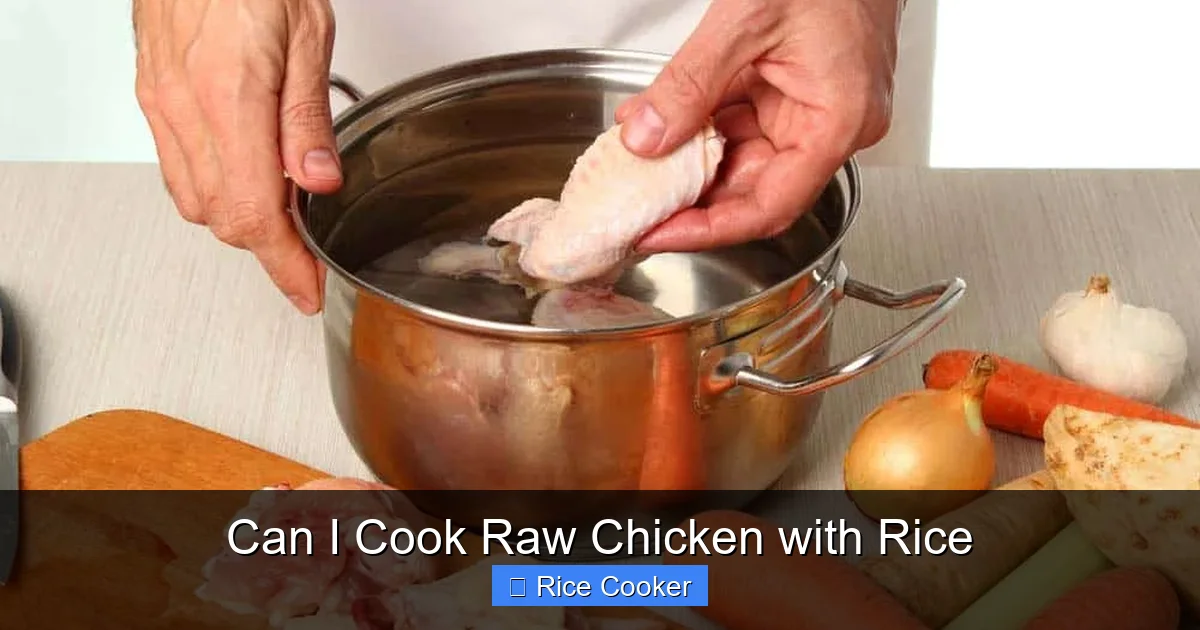
Visual guide about Can I Cook Raw Chicken with Rice
Image source: missvickie.com
Can I reuse leftover chicken and rice for another meal?
Yes, as long as they were stored properly in the refrigerator within two hours of cooking. Reheat leftovers to 165°F and consume within 3–4 days.
Does cooking rice in chicken broth make it safer?
No—the liquid doesn’t kill bacteria in raw chicken. What matters is reaching 165°F in the chicken itself. However, using broth improves flavor!
Should I rinse raw chicken before cooking?
It’s controversial. Some say rinsing spreads bacteria, while others believe it removes surface contaminants. The safest approach is to pat chicken dry and cook it thoroughly—rinsing isn’t necessary if you’re careful.
Can I cook brown rice instead of white rice?
Yes! Brown rice takes longer to cook, so adjust cooking times accordingly. Just ensure the chicken reaches 165°F before removing it.
Is it better to cook chicken and rice separately?
Absolutely. Cooking them separately gives you more control over doneness and reduces the risk of cross-contamination. It also allows you to season each ingredient individually for better flavor.