
Can I cook rice in a microwave? Absolutely! It’s one of the fastest and most convenient ways to prepare rice without needing a dedicated rice cooker. With just a few simple steps—using the right water-to-rice ratio, a microwave-safe container, and proper timing—you can achieve fluffy, evenly cooked grains in under 10 minutes. Whether you’re cooking white rice, brown rice, or even wild rice, this method works for many types. Plus, it uses less energy than boiling on the stove and leaves fewer dishes to clean up. In this article, we’ll walk you through everything you need to know to cook perfect microwave rice every time.
Key Takeaways
- Microwave rice is possible: Yes, you can cook rice in a microwave using the right technique and tools.
- Use a microwave-safe container: Always use a heat-resistant dish with a lid or cover to trap steam.
- Follow the correct water ratio: Generally, 1 cup of rice requires about 1.5 to 2 cups of water, depending on the type.
- Stir halfway through: Stirring helps prevent clumping and ensures even cooking.
- Let it rest: After microwaving, let the rice sit covered for 3–5 minutes to finish steaming.
- Try different rice types: Works well with white, brown, jasmine, basmati, and more.
- Saves time and energy: Faster than stovetop methods and ideal for small batches.
Cooking rice in a microwave might sound too good to be true—after all, rice traditionally takes time and attention on the stove. But the truth is, microwaves are powerful appliances that can do much more than just heat leftovers. With a little know-how, you can turn plain rice into a fluffy, flavorful side dish in under 10 minutes. No rice cooker? No problem. Whether you’re in a hurry, cooking for one, or just don’t own a rice cooker, this method is a game-changer.
The microwave works by agitating water molecules, which generates heat. When rice absorbs water and is heated in a sealed environment (thanks to a lid or cover), the steam softens the grains and cooks them evenly. The key is controlling the amount of water and ensuring the rice gets enough steam without turning mushy. With consistent practice, you’ll master the art of microwave rice—and maybe even wonder why you ever boiled it on the stove.
In this guide, we’ll explore everything from choosing the right rice and container to adjusting times for different varieties. You’ll also find tips to avoid common pitfalls like soggy rice or unevenly cooked grains. By the end, you’ll feel confident cooking perfect microwave rice every time—no kitchen gadget required.
Key Takeaways
- Understanding can i cook rice in a microwave: Provides essential knowledge
Quick Answers to Common Questions
How long does it take to cook rice in the microwave?
It typically takes 8–15 minutes depending on the type of rice. White rice cooks faster (8–10 minutes), while brown rice takes longer (12–15 minutes).
What kind of container should I use?
Use a microwave-safe glass, ceramic, or plastic container with a tight-fitting lid or cover to trap steam.
Do I need to rinse the rice before microwaving?
It’s optional. Rinsing removes excess starch and prevents stickiness, but it’s not required for microwave rice.
Can I cook different types of rice in the microwave?
Yes! White, brown, jasmine, basmati, and wild rice can all be cooked in the microwave with adjusted water and time ratios.
Why is my microwave rice soggy?
Usually caused by too much water or not letting it rest. Reduce water by ¼ cup and always cover and rest after cooking.
📑 Table of Contents
- Understanding Rice Types and Their Cooking Needs
- Essential Tools and Ingredients
- Step-by-Step Guide to Cooking Rice in the Microwave
- Troubleshooting Common Issues
- Tips for Perfect Microwave Rice Every Time
- Variations and Creative Uses
- Energy Efficiency and Time Savings
- When Not to Use the Microwave
- Conclusion
Understanding Rice Types and Their Cooking Needs
Not all rice is created equal, and each type behaves differently when cooked. Understanding these differences helps you adjust your microwave method accordingly.
White Rice vs. Brown Rice
White rice has had its bran and germ removed, making it quicker to cook but less nutritious. Because it lacks the fiber and oil found in brown rice, it tends to absorb water faster and cook more quickly. For white rice, a 1:1.5 to 1:2 water-to-rice ratio usually works best. Brown rice, on the other hand, has a harder outer layer, so it needs more time and water to soften completely.
Long-Grain vs. Short-Grain
Long-grain rice, like basmati or jasmine, expands as it cooks and stays separate, making it ideal for pilafs or stir-fries. Short-grain rice, such as sushi rice, becomes stickier and is better for risotto or desserts. Both can be cooked in the microwave, but long-grain rice often needs slightly longer cooking times to fully open up the grains.
Pregrained and Instant Rice
Many grocery stores sell pre-cooked or instant rice, which only needs reheating. These are already partially cooked and can be heated in the microwave with just water or broth. They’re not “raw” rice, so they require less time and water than traditional uncooked rice.
Essential Tools and Ingredients
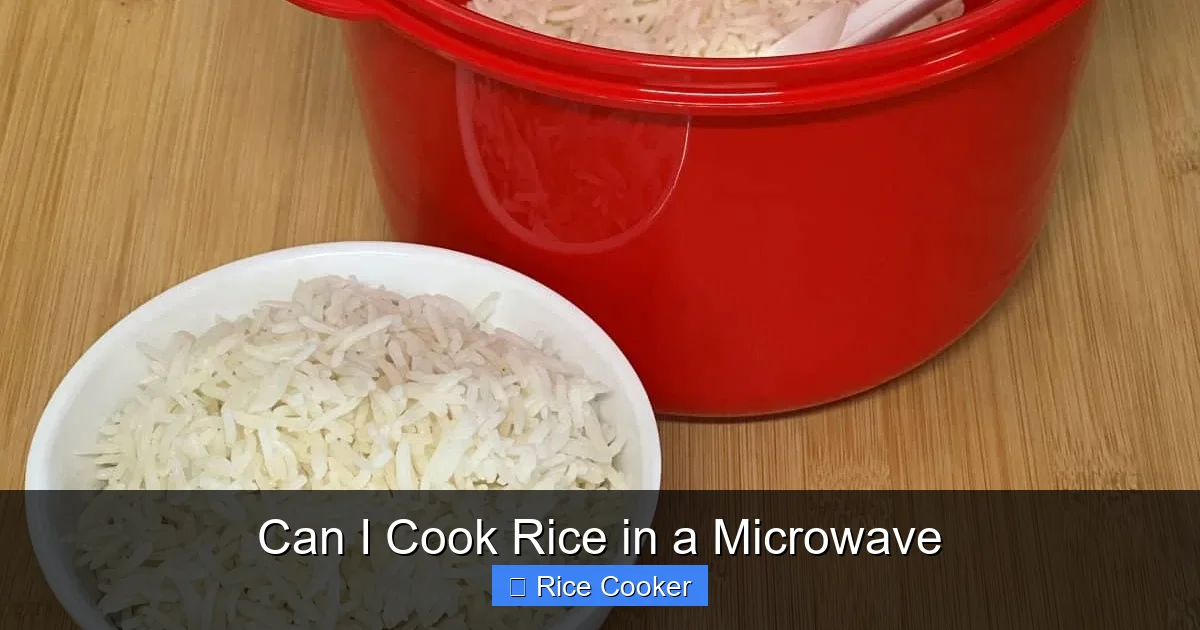
Visual guide about Can I Cook Rice in a Microwave
Image source: ovenspot.com
To cook rice in the microwave successfully, you’ll need a few basic items:
A Microwave-Safe Container
Choose a container that can withstand high heat and has a lid. Glass, ceramic, or microwave-safe plastic containers work well. Avoid metal or containers with metallic accents.
A Tight-Fitting Lid or Cover
Steam needs to build up inside to cook the rice. A plate, plastic wrap, or vented lid will help trap moisture. If using plastic wrap, poke a few small holes to allow steam to escape and prevent pressure buildup.
Rice and Water
Use dry, uncooked rice unless specified otherwise. Measure water carefully—too much leads to soggy rice; too little results in undercooked grains.
A Knife or Spoon
You’ll need something to stir the rice halfway through cooking to ensure even heat distribution.
Step-by-Step Guide to Cooking Rice in the Microwave
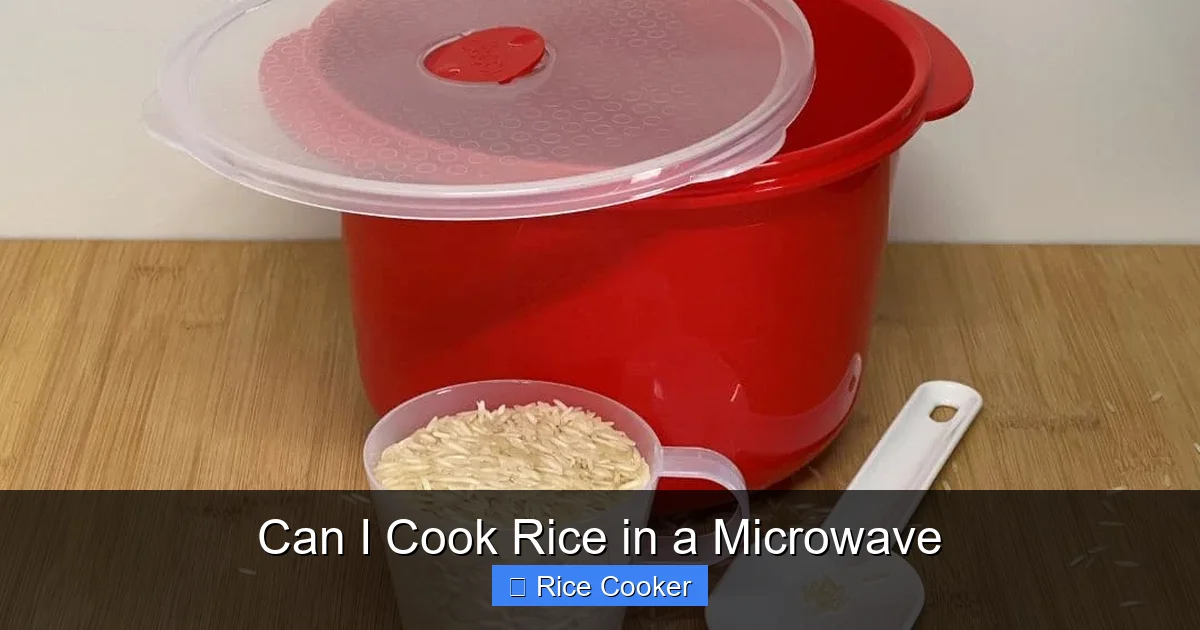
Visual guide about Can I Cook Rice in a Microwave
Image source: ovenspot.com
Now, let’s walk through the process. This method works for most types of uncooked rice.
Step 1: Measure Your Rice and Water
For every 1 cup of rice, start with 1.5 cups of water for white rice or 2 cups for brown rice. Adjust based on your preference—some like it softer, others firmer.
Step 2: Combine in a Microwave-Safe Dish
Place the rice and water in your chosen container. Add a pinch of salt if desired. For extra flavor, consider adding a bay leaf, garlic clove, or a splash of oil.
Step 3: Cover the Container
Cover tightly with a lid or plastic wrap. If using plastic, leave a small corner slightly lifted to allow steam to escape.
Step 4: Cook on High
Microwave on high power. Times vary:
– White rice: 8–10 minutes
– Brown rice: 12–15 minutes
– Wild rice: 20–25 minutes
Step 5: Let It Rest
After microwaving, remove the container carefully (it will be hot!). Let it stand covered for 3–5 minutes. This allows residual heat to finish cooking the rice evenly.
Step 6: Fluff and Serve
Use a fork to fluff the rice gently. Discard any added aromatics like bay leaves before serving.
Troubleshooting Common Issues
Even experienced home cooks run into hiccups. Here’s how to fix them.
Problem: Soggy Rice
This usually means too much water or insufficient draining after cooking. Try reducing water by ¼ cup next time, or drain excess liquid before serving.
Problem: Undercooked Rice
If the rice still feels hard or chalky, return it to the microwave in 1-minute intervals until done. Stir between bursts.
Problem: Clumpy or Sticky Rice
This happens when rice isn’t stirred during cooking. Always stir halfway through. Also, rinsing the rice before cooking removes excess starch and prevents gumming.
Problem: Burnt Bottom
Some containers get hotter than others. Use glass or ceramic, and avoid plastic containers that may melt. Stirring helps distribute heat.
Tips for Perfect Microwave Rice Every Time
Want to elevate your microwave rice game? Try these pro tips.
Use a Heat Diffuser
A microwave-safe plate or trivet placed under the cooking vessel helps distribute heat evenly and prevents scorching.
Don’t Overfill
Leave at least ½ inch of space between the rice surface and the lid. Rice expands as it cooks and needs room.
Experiment with Broth
Replace some water with chicken, vegetable, or beef broth for richer flavor. This works especially well with brown rice.
Soak Brown Rice First
For extra tenderness, soak brown rice in water for 20–30 minutes before cooking. This shortens overall cooking time and improves texture.
Keep It Warm
Once cooked, transfer the rice to a larger dish or keep it covered in the microwave to stay warm without drying out.
Variations and Creative Uses
Microwave rice isn’t just for plain white rice. Get creative!
Coconut Rice
Add ½ cup coconut milk and ½ cup water per 1 cup of rice. Cook as usual for creamy, fragrant rice.
Spanish Rice
Sauté diced onion and tomato in a bit of oil, then add rice and water. Cook covered for a flavorful side dish.
Fried Rice
Cook rice in the microwave, then stir-fry with soy sauce, egg, vegetables, and protein for a quick meal.
Instant Pot-Style Method
While not a microwave, many people use similar principles in pressure cookers. But microwave rice is perfect for those without fancy gadgets.
Energy Efficiency and Time Savings
One of the biggest advantages of microwave rice is efficiency. Microwaves use less energy than stovetops and cook faster. For small servings, it’s often quicker than bringing water to a boil, waiting for it to cool, and then boiling again. Plus, there’s no risk of overcooking due to residual heat—just set it and forget it (almost).
When Not to Use the Microwave
While microwave rice is versatile, it’s not ideal for every situation. Avoid using it for large batches or when precision is critical. For example, if you’re making sushi rice, the exact texture matters, and the microwave may not give the same control as a pot on low heat. Also, if you’re cooking rice for a crowd, a stovetop or electric rice cooker might be more practical.
Conclusion
So, can I cook rice in a microwave? The answer is yes—and it’s easier, faster, and more convenient than you might think. With the right tools, water ratio, and technique, you can produce fluffy, delicious rice in under 10 minutes. Whether you’re cooking white rice, brown rice, or experimenting with flavors, the microwave offers a reliable alternative to traditional methods. While it may not replace your favorite rice cooker for every occasion, it’s a fantastic option for quick meals, small portions, or when you’re short on time. Give it a try, and you might just become a convert to microwave rice.
Frequently Asked Questions
Is it safe to cook rice in a microwave?
Yes, it’s completely safe as long you use a microwave-safe container and follow proper cooking guidelines. Just ensure the container doesn’t have metal parts.
Can I cook rice in the microwave without a lid?
You can cover it loosely with plastic wrap or a damp paper towel, but a proper lid traps steam better and prevents splatters.
How much water should I use per cup of rice?
Use 1.5 cups for white rice and 2 cups for brown rice. Adjust slightly based on your texture preference.
Can I reheat leftover rice in the microwave?
Yes! Place rice in a covered dish with a splash of water, cover, and microwave in 1-minute intervals until heated through.
Does microwave rice taste as good as stovetop rice?
Most people find it tastes great, though some prefer the texture of stovetop rice. It’s a matter of personal preference and rice type.
Can I add seasonings while cooking rice in the microwave?
Absolutely! Add salt, herbs, garlic, or spices to the water before cooking for extra flavor.