
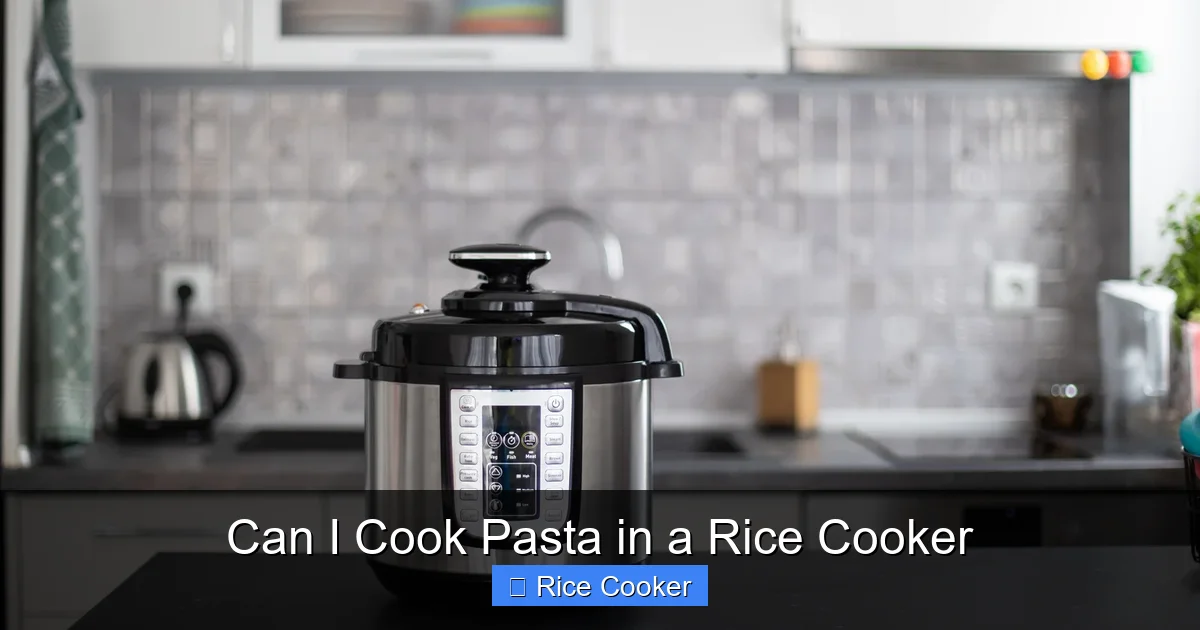
Can I cook pasta in a rice cooker? Absolutely — it’s one of the easiest ways to prepare pasta without a stovetop. With just a few simple steps, you can achieve perfectly cooked noodles using your rice cooker’s keep-warm function to finish the job. This method is fast, mess-free, and ideal for small batches or busy weeknights.
Key Takeaways
- Yes, pasta cooks well in a rice cooker: The appliance’s consistent heat and automatic shut-off work surprisingly well for pasta.
- Less water is needed: Use about 2 cups of water per cup of dry pasta instead of traditional boiling methods.
- No stirring required: Once ingredients are added, the rice cooker does most of the work.
- Great for small quantities: Perfect for single servings or when you don’t want to boil a big pot.
- Save energy and space: Skip the stove and use your rice cooker instead — especially useful in tiny kitchens.
- Add flavor during cooking: Salt, herbs, or garlic can be included early for better taste.
- Keep-warm mode finishes the job: Let the pasta sit covered after cooking to absorb residual steam and soften slightly.
Quick Answers to Common Questions
Can I cook pasta in a rice cooker?
Yes, absolutely! A rice cooker can cook pasta perfectly using its steam-heating mechanism. Simply add pasta and water, close the lid, and let it cook through. The result is tender, evenly cooked noodles without the need for constant monitoring.
How much water do I use per cup of pasta?
Use about 2 cups of water for every 1 cup of dry pasta. This ratio ensures enough moisture to cook the noodles thoroughly while minimizing excess liquid. Adjust slightly for longer or thinner pasta types.
Do I need to add oil to the water?
No, adding oil is unnecessary and may prevent sauces from sticking properly later. Water alone is sufficient for cooking pasta in a rice cooker.
Can I add vegetables or meat during cooking?
Yes! Toss in chopped vegetables or cooked proteins during the last few minutes of cooking. The residual heat will warm them through without overcooking delicate items like spinach.
What happens if I leave the pasta in keep-warm mode too long?
The pasta may become mushy or overly soft. Limit extra time in keep-warm mode to no more than 3 minutes after the main cycle completes. Serve immediately for best texture.
📑 Table of Contents
- Can I Cook Pasta in a Rice Cooker? A Simple Guide to Effortless Meals
- The Science Behind Cooking Pasta in a Rice Cooker
- Step-by-Step: How to Cook Pasta in a Rice Cooker
- Best Types of Pasta for Rice Cookers
- Troubleshooting Common Issues
- Creative Ways to Use Your Rice-Cooked Pasta
- Tips for Perfect Results Every Time
- Frequently Asked Questions About Cooking Pasta in a Rice Cooker
Can I Cook Pasta in a Rice Cooker? A Simple Guide to Effortless Meals
Imagine this: It’s a busy weekday evening, you’re craving pasta, but the thought of heating up a heavy pot on the stove feels overwhelming. Or maybe you’re in a small apartment where counter space is limited and energy-efficient appliances are a must. Enter the humble rice cooker — not just for sticky white rice anymore. Believe it or not, this kitchen gadget can do double duty and cook pasta almost as well as a pot on the burner.
Cooking pasta in a rice cooker isn’t a new trick — home cooks have been using this method for years, and for good reason. It’s quick, easy, and surprisingly effective. No more constant stirring, bubbling over, or babysitting the stove. Instead, you toss in your pasta and water, press a button, and let science (and a little starch) do the rest. Best of all, the final result? Tender, evenly cooked noodles every time.
The Science Behind Cooking Pasta in a Rice Cooker
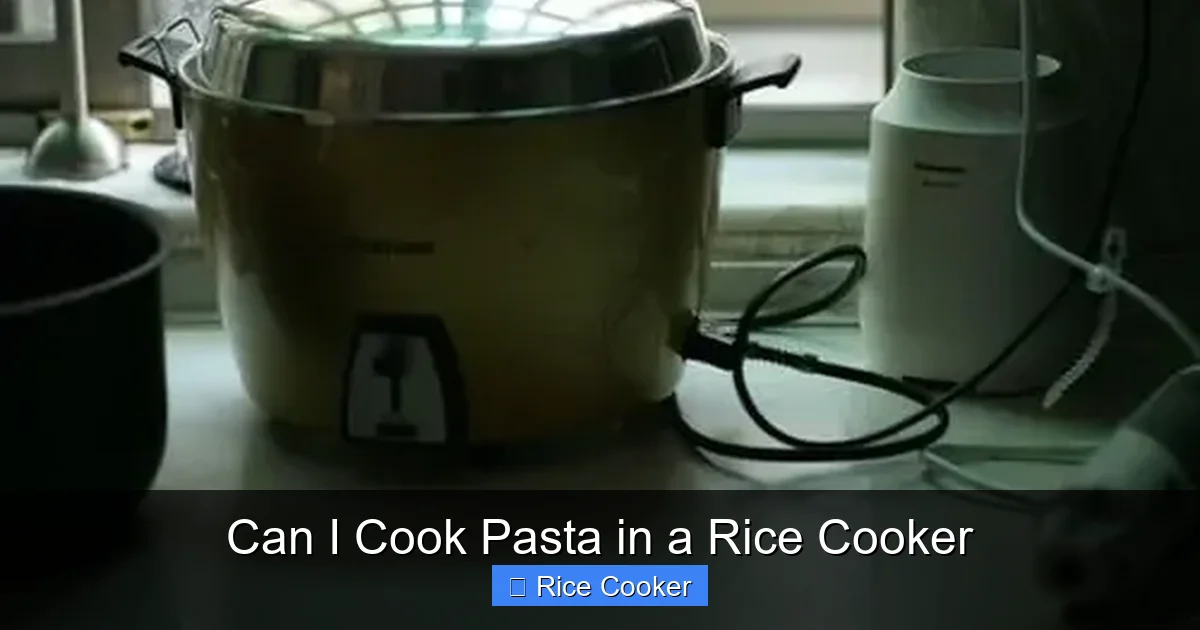
So how exactly does this work? Unlike boiling pasta, which relies on direct flame and vigorous bubbling, a rice cooker uses gentle, consistent heat and steam. When you add pasta and water to the inner pot and close the lid, the unit heats up and creates a sealed environment. As the water turns into steam, it circulates around the pasta, cooking it evenly without needing to stir.
Visual guide about Can I Cook Pasta in a Rice Cooker
Image source: hiroasiankitchen.com
Pasta absorbs water and softens through gelatinization — that’s just a fancy term for how starches in the noodles break down when heated in liquid. In a rice cooker, the trapped steam provides enough moisture and temperature to trigger this process. After the initial cooking cycle ends, many models automatically switch to keep-warm mode. This extra step allows the pasta to sit in its own steamy environment, finishing the cooking process gently and preventing overcooking.
Why People Love This Method
- Saves time: No need to monitor the pot or worry about burning.
- Reduces cleanup: Only one pot to wash instead of two (the pasta pot and the sauce pan).
- Energy efficient: Uses less power than running a stove for 10–15 minutes.
- Perfect for dorm rooms or RVs: Ideal where full stovetops aren’t available.
- Customizable: Add vegetables, proteins, or sauces right after cooking for a full meal.
Step-by-Step: How to Cook Pasta in a Rice Cooker
Ready to try it yourself? Follow these simple steps for foolproof results every time.
Visual guide about Can I Cook Pasta in a Rice Cooker
Image source: kitchencuddle.com
Gather Your Ingredients and Tools
You’ll need:
- 1 cup of dry pasta (any shape works)
- 2 cups of water (adjust based on pasta type — see chart below)
- A pinch of salt (optional but recommended)
- Your rice cooker with a non-stick inner pot
- A fork or chopsticks for fluffing (optional)
Prep the Pasta (Optional)
If you’re using long noodles like spaghetti or linguine, it helps to break them into smaller pieces so they fit comfortably in the rice cooker pot. You don’t need to cut them super short — just enough to avoid tangling when you open the lid later.
Combine Water and Pasta
Measure out your dry pasta and pour it directly into the rice cooker’s inner pot. Then add the water — usually about 2 parts water to 1 part pasta by volume. For denser pastas like penne or rotini, 2 cups of water per cup of pasta works well. For lighter shapes like angel hair, you might get away with 1.5 cups.
Pro tip: Don’t add oil to the water — contrary to popular belief, it won’t prevent sticking and may interfere with sauce adhesion later.
Add Flavor (Optional)
For extra flavor, toss in a pinch of salt, a clove of minced garlic, or even a bay leaf before closing the lid. These will infuse subtle notes into your pasta as it cooks.
Cook and Finish
Close the lid and turn on the rice cooker. Most units will run through their standard cycle — typically 10–15 minutes depending on settings. Once the timer goes off, open the lid and check the pasta. It should be al dente (firm to the bite). If it’s still too firm, close the lid again and let it sit in the keep-warm mode for another 2–3 minutes.
After cooking, drain any excess water using a fine-mesh strainer if needed, or simply tilt the pot and let it drip. Then serve immediately with your favorite sauce!
Pasta-to-Water Ratio Chart
| Pasta Type | Cups Dry Pasta | Cups Water Needed |
|——————-|—————-|——————-|
| Spaghetti | 1 | 2 |
| Penne | 1 | 2 |
| Fettuccine | 1 | 2 |
| Angel Hair | 1 | 1.5 |
| Small Shells | 1 | 2 |
Best Types of Pasta for Rice Cookers
Not all pasta shapes are created equal when it comes to rice cooker cooking. Some hold up better than others due to density and surface area.
Dense Shapes Work Best
Pastas like penne, rigatoni, and rotini have thick walls and cook evenly under steam. Their texture holds up well in a moist, enclosed environment.
Long Noodles Need Prep
Spaghetti and linguine can tangle in the pot, but breaking them into 4–6 inch segments solves the problem. Just be sure to rinse them lightly after cooking if you plan to mix in oil-free sauces.
Lighter Pastas Require Attention
Angel hair cooks very quickly and can become mushy if left too long in keep-warm mode. Keep an eye on it and serve immediately after the main cycle ends.
Whole Grain and Gluten-Free Options
These varieties absorb liquid differently, so you may need to increase water slightly or shorten cooking time. Always check doneness carefully — they can go from firm to soft fast.
Troubleshooting Common Issues
Even with the best technique, things don’t always go perfectly. Here’s how to fix common problems.
Pasta Stuck to the Pot
This usually happens if the water level was too low or the pot wasn’t greased (though we recommend against oil). To prevent sticking, use at least 2 cups of water per cup of pasta, and consider lightly coating the bottom with olive oil before adding dry ingredients. If bits do stick, remove them with a wooden spoon before serving.
Pasta Too Dry or Mushy
If your pasta came out undercooked or overly soft, it could be due to insufficient water or overusing the keep-warm function. Stick to the recommended ratios and limit extra time in warm mode to 3 minutes max.
Lid Won’t Close Properly
Some rice cookers have small openings for venting. Make sure nothing is blocking the seal. Also, ensure the inner pot is seated correctly — misalignment can prevent a tight closure.
Water Doesn’t Evaporate Enough
If there’s leftover water after cooking, drain it gently before mixing in sauce. A fine-mesh sieve works great for this. Don’t shake the pot vigorously — that can damage the non-stick coating.
Creative Ways to Use Your Rice-Cooked Pasta
Once you master the basics, the possibilities expand. Try these ideas to turn a simple bowl into something special.
One-Pot Pasta Dinners
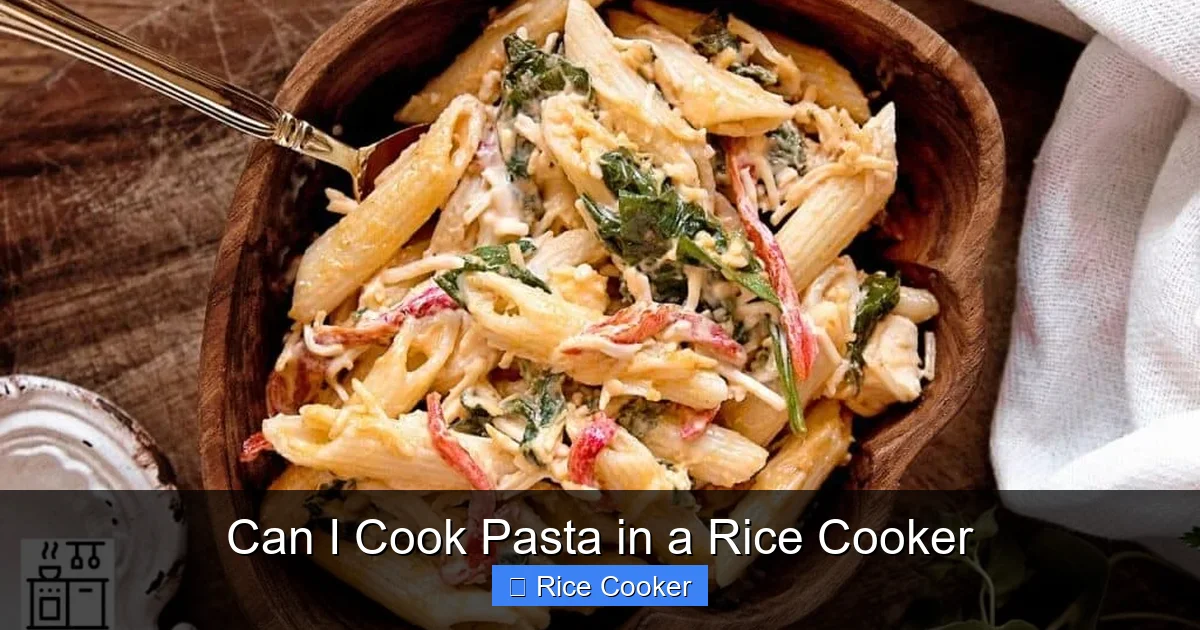
Skip the separate sauce pan! After draining the pasta, return it to the rice cooker pot and add marinara, pesto, or Alfredo. Turn the rice cooker back on for 1–2 minutes just to heat everything through. Stir well and serve.
Add Veggies and Protein
During the last 3–4 minutes of cooking, toss in chopped bell peppers, spinach, mushrooms, or cooked chicken. The residual heat will wilt greens and warm proteins without drying them out.
Make Creamy Sauces Easily
Add a splash of milk or cream along with grated Parmesan and a knob of butter after draining. Heat gently on keep-warm mode while stirring until smooth. This mimics classic carbonara or cacio e pepe without the stove.
Experiment with Grains and Legumes
Try quinoa, farro, or lentils alongside your pasta for a heartier dish. Just adjust cooking times — grains may need an extra 5–10 minutes.
Tips for Perfect Results Every Time
Want consistent success? Follow these pro tips.
- Use a non-stick pot: Makes cleanup easier and reduces risk of burning.
- Don’t overcrowd: Stick to small batches — too much pasta can lead to uneven cooking.
- Check frequently after the cycle ends: Timing varies by model, so trust your senses.
- Serve immediately: Pasta continues to cook in the keep-warm phase, so delay can ruin texture.
- Clean the pot promptly: Starchy residue hardens if left too long.
Frequently Asked Questions About Cooking Pasta in a Rice Cooker
Do I need to pre-soak the pasta?
No, pre-soaking isn’t necessary and can actually make the pasta gummy. The rice cooker’s steam does all the work.
Can I cook pasta without draining it?
Yes! Many recipes call for “pasta water” to help emulsify sauces. Just leave a bit of the starchy liquid in the pot when mixing.
Will my rice cooker get damaged?
As long as you use only water and pasta (no oil or heavy sauces during cooking), most modern rice cookers handle it fine. Avoid metal utensils that could scratch the non-stick surface.
Is this method healthier than boiling?
It uses less energy and doesn’t require added fats, making it a slightly cleaner option. However, nutrient loss depends more on cooking time than method.
Can kids or seniors safely use this method?
Absolutely. The rice cooker automates the process, reducing burn risks and physical effort. Just supervise young children around hot appliances.
Frequently Asked Questions
Can I cook pasta in a rice cooker?
Yes, you can definitely cook pasta in a rice cooker. It’s a convenient alternative to boiling on the stove, especially when you want a hands-off method. The rice cooker uses steam and consistent heat to cook pasta evenly, resulting in tender noodles without constant supervision.
How much water do I need to cook pasta in a rice cooker?
For most pastas, use about 2 cups of water per 1 cup of dry pasta. This ratio helps ensure the pasta cooks through without becoming too dry or sticking together. Adjust slightly for different shapes — lighter noodles like angel hair may need less water, while denser types like penne benefit from the full amount.
Do I need to pre-soak pasta before using a rice cooker?
No, pre-soaking is not required and can actually lead to mushy pasta. The rice cooker’s sealed environment and steam are enough to cook the noodles properly from dry. Just make sure to rinse long strands if they tangle during cooking.
Can I add flavorings like garlic or herbs while cooking?
Yes, you can enhance the flavor by adding a pinch of salt, a crushed garlic clove, or even a bay leaf before starting the cycle. These ingredients will infuse subtle notes into the pasta as it cooks. Just remove them before serving if desired.
Will my rice cooker get damaged if used for pasta?
Most modern rice cookers are safe to use for cooking pasta, as long as you follow basic guidelines: avoid using metal utensils that could scratch the non-stick surface, don’t add large amounts of oil during cooking, and clean the pot promptly after use. Check your manual to confirm compatibility.
What’s the best way to finish cooking pasta in a rice cooker?
After the initial cooking cycle ends, let the pasta sit in the closed rice cooker for 2–3 minutes in keep-warm mode. This allows any remaining moisture to finish softening the noodles gently. Be careful not to overdo it — extended time can make the pasta soggy.