
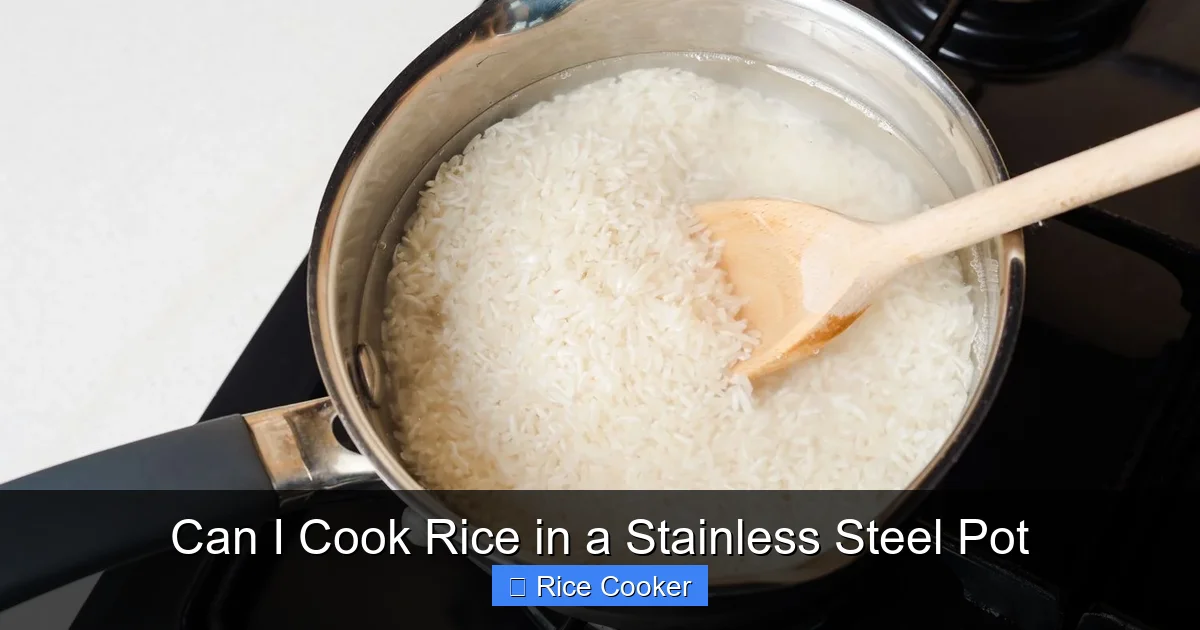
Can I cook rice in a stainless steel pot? Absolutely! While not as automated as a rice cooker, cooking rice in a stainless steel pot is totally doable with the right method. With consistent heat control, proper water ratios, and a few simple steps, you’ll achieve fluffy, delicious rice every time. Whether you’re meal prepping or just prefer traditional pots, mastering this method gives you full control over texture and flavor.
Key Takeaways
- Stainless steel pots work well for rice: They distribute heat evenly when used correctly, especially with induction stoves.
- Use the right ratio of water to rice: A general rule is 1:2 (rice to water), but adjust based on grain type and desired texture.
- Pre-rinsing removes excess starch: This prevents gummy rice and helps achieve a fluffier result.
- Simmer, don’t boil: Once boiling, reduce heat to low and cover tightly to let steam finish cooking.
- A tight-fitting lid is essential: Steam retention ensures even cooking and prevents drying out.
- Rest the rice before serving: Let it sit covered for 5–10 minutes after cooking to allow moisture to redistribute.
- Cleaning is easy: Stainless steel is dishwasher-safe and resistant to stains if cared for properly.
[FEATURED_IMAGE_PLACEHOLDER]
Introduction
Have you ever opened your cupboard and stared at a stainless steel pot wondering, “Can I cook rice in a stainless steel pot?” If so, you’re not alone. Many home cooks love the durability and versatility of stainless steel cookware—but they’re hesitant about using it for something as finicky as rice. After all, rice seems like one of those foods that needs special equipment, like a rice cooker or instant pot.
But here’s the truth: you absolutely can cook rice in a stainless steel pot, and doing so gives you more control over the process than relying solely on an appliance. With the right techniques, patience, and attention to detail, you can produce restaurant-quality rice that’s light, fluffy, and perfectly cooked—every single time. In fact, many professional chefs swear by using stainless steel pots for certain types of rice because of their excellent heat distribution and responsiveness.
In this comprehensive guide, we’ll walk you through everything you need to know about cooking rice in a stainless steel pot. From selecting the right pot size to mastering water ratios and timing, you’ll learn how to turn a simple pot into your new go-to kitchen tool for perfect grains. Whether you’re cooking basmati, jasmine, brown rice, or even sushi rice, these tips will help you avoid common pitfalls and elevate your side dishes to the next level.
The Science Behind Cooking Rice
Before diving into the how-to, let’s talk about the science. Rice is essentially starchy seeds that absorb water and swell when heated. As the water turns to steam, it cooks the grain from the outside in. The key is controlling that steam and ensuring even heat throughout the cooking process.
How Heat Affects Rice Texture
Too much direct heat causes the outer layers of the rice to harden before the inside is fully cooked—resulting in mushy or uneven grains. On the flip side, too little heat leads to undercooked centers. That’s why simmering gently after bringing the water to a boil is crucial. The stainless steel pot plays a big role here because of its ability to retain and distribute heat efficiently, especially when paired with an induction cooktop.
Why Water Ratio Matters
Different rice varieties require different water-to-rice ratios. For example, white long-grain rice typically uses 1:2 (one part rice to two parts water), while short-grain or sticky rice may need less water. Brown rice, due to its bran layer, usually requires more water—often 1:2.5 or even 1:3. Getting this balance right ensures each grain absorbs just enough moisture without becoming soggy.
Choosing the Right Stainless Steel Pot
Not all stainless steel pots are created equal when it comes to cooking rice. The material, thickness, and design all impact performance. Here’s what to look for:
- Tri-ply construction: Pots with aluminum or copper sandwiched between stainless steel layers offer superior heat conductivity. These are ideal for even cooking.
- Flat bottom: Ensures maximum contact with the burner, preventing hot spots.
- Tight-fitting lid: Essential for trapping steam. A glass lid lets you monitor progress without losing heat.
- Size appropriateness: Don’t use a massive pot for a small batch—it wastes energy and dries out quickly. Conversely, a tiny pot struggles to maintain consistent temperature.
If you already own a good-quality stainless steel saucepan (like those from brands such as All-Clad, Cuisinart, or Calphalon), you’re halfway there. Just make sure it has a lid!
Step-by-Step Guide: How to Cook Perfect Rice in a Stainless Steel Pot
Ready to get started? Follow these simple steps for foolproof results:
Step 1: Rinse the Rice
Place your rice in a fine-mesh strainer and rinse under cold running water until the water runs clear. This removes surface starch that can cause clumping and stickiness. Rinsing also helps prevent grayish residue from forming during cooking.
Step 2: Measure Water Precisely
Use a measuring cup or kitchen scale to measure both rice and water accurately. For most white long-grain rice, use 1 cup (240ml) rice to 2 cups (480ml) water. Adjust slightly for other types—brown rice needs more, sushi rice needs less.
Step 3: Combine Ingredients in the Pot
Add rinsed rice and measured water to your stainless steel pot. Optionally, toss in a pinch of salt or a bay leaf for extra flavor.
Step 4: Bring to a Boil
Turn the heat to high and bring the mixture to a rolling boil. Stir once or twice to prevent sticking.
Step 5: Reduce Heat and Simmer
Once boiling, immediately reduce the heat to low. Cover the pot with its tight-fitting lid and let it simmer undisturbed for about 15–18 minutes (white rice) or 25–30 minutes (brown rice). Avoid lifting the lid during this time—the steam is doing the work.
Step 6: Rest and Fluff
After cooking, remove the pot from heat and let it rest, still covered, for 5–10 minutes. Then gently fluff the rice with a fork to separate the grains.
Common Mistakes and How to Avoid Them
Even experienced cooks make errors when preparing rice in a stainless steel pot. Let’s address the most frequent issues and how to fix them:
Mistake #1: Not Rinsing the Rice
Result: Gummy, cloudy rice that sticks together.
Solution: Always rinse until water runs clear. Use cold water and gentle agitation.
Mistake #2: Using Too Much or Too Little Water
Result: Either dry, crumbly rice or soupy, mushy grains.
Solution: Stick to tested ratios per rice variety. When in doubt, err on the side of slightly more water—you can always drain excess later.
Mistake #3: Opening the Lid During Cooking
Result: Loss of steam leads to uneven cooking.
Solution: Resist the urge to peek! Set a timer and keep everything covered.
Mistake #4: High Heat Throughout
Result: Burnt bottom, raw top.
Solution: Start high to bring to a boil, then drop to low immediately. Use medium-low if your stove runs hot.
Tips for Different Types of Rice
Each rice variety has unique characteristics. Tailor your method accordingly:
White Long-Grain Rice (e.g., Basmati, Jasmine)
Best for: Everyday meals, pilafs, stir-fries.
Water ratio: 1:2
Cooking time: 15–18 minutes after boiling
Tip: Soak basmati for 20–30 minutes before cooking to enhance aroma and separation.
Brown Rice
Best for: Health-conscious diets, hearty sides.
Water ratio: 1:2.5 to 1:3
Cooking time: 25–30 minutes
Tip: Add a teaspoon of oil to prevent sticking and improve texture.
Sushi Rice
Best for: Sushi, onigiri, Japanese dishes.
Water ratio: 1:1.1 to 1:1.2 (slightly less water)
Cooking time: 12–15 minutes
Tip: Use short-grain Japanese rice and rinse until water is nearly clear.
Wild Rice
Best for: Nutty flavor, salads, stuffing.
Water ratio: 1:3
Cooking time: 40–50 minutes
Tip: Requires longer soaking and slower simmering due to tough outer shell.
Cleaning and Maintaining Your Stainless Steel Pot
Stainless steel is durable, non-reactive, and easy to clean—but only if you treat it right:
- Immediate cleaning: Let the pot cool slightly before washing to avoid warping.
- Use warm soapy water: Most residues come off easily with dish soap and a soft sponge.
- Avoid abrasive scrubbers: They scratch the surface and trap food particles.
- For burnt-on bits: Fill with hot water and baking soda or use a paste of vinegar and salt.
- Dry thoroughly: Prevents water spots and maintains shine.
With proper care, your stainless steel pot will last decades and remain stain-free—even with frequent rice cooking.
Can You Cook Other Grains in a Stainless Steel Pot?
Absolutely! Once you master rice, try these alternatives:
- Quinoa: Use 1:2 ratio, similar to white rice.
- Couscous: Steaming method works well—cover with boiling water and rest 5 minutes.
- Oats: Great for oatmeal; use 1:2.5 water and simmer 10–12 minutes.
- Millet or barley: Require longer cooking times but yield nutritious, chewy grains.
Stainless steel’s versatility makes it a fantastic choice beyond just rice.
Final Thoughts: Why Stainless Steel Is Worth It
Cooking rice in a stainless steel pot isn’t just possible—it’s rewarding. You gain precision, control, and confidence in your kitchen. Plus, you reduce reliance on single-use appliances and embrace timeless cookware that stands up to daily use.
Remember: consistency is key. Practice makes perfect. Start with a simple recipe, pay attention to timing and ratios, and soon you’ll have mastered one of the most fundamental skills in cooking. And who knows? You might find yourself reaching for that stainless steel pot more often than your rice cooker.
So yes—can you cook rice in a stainless steel pot? Without hesitation: yes, you can, and you should try it today.
FAQ: Common Questions About Cooking Rice in Stainless Steel Pots
Is stainless steel safe for cooking rice? Yes, high-quality stainless steel is completely safe and non-toxic. It doesn’t leach chemicals into food, even at high temperatures.
Do I need to add oil or butter to stainless steel pots when cooking rice? Not necessarily. Unlike nonstick pans, stainless steel doesn’t require oil for rice—unless you’re making brown rice, where a splash helps prevent sticking.
What if my rice is still hard in the middle after cooking? This usually means insufficient water or heat. Try increasing the water ratio slightly next time and ensure full simmering without lifting the lid.
Can I cook rice in a stainless steel pot on induction stoves? Absolutely! Induction-compatible stainless steel pots heat quickly and evenly, making them ideal for rice.
How do I prevent rice from sticking to the bottom? Use adequate water, avoid high heat throughout, and consider adding a tablespoon of oil or butter when sautéing rice first.
Can I cook multiple batches of rice in the same pot? Yes, but rinse thoroughly between uses to remove any residual starch and prevent cross-contamination.
This is a comprehensive guide about can i cook rice in a stainless steel pot.
Key Takeaways
- Understanding can i cook rice in a stainless steel pot: Provides essential knowledge
Frequently Asked Questions
What is can i cook rice in a stainless steel pot?
can i cook rice in a stainless steel pot is an important topic with many practical applications.