
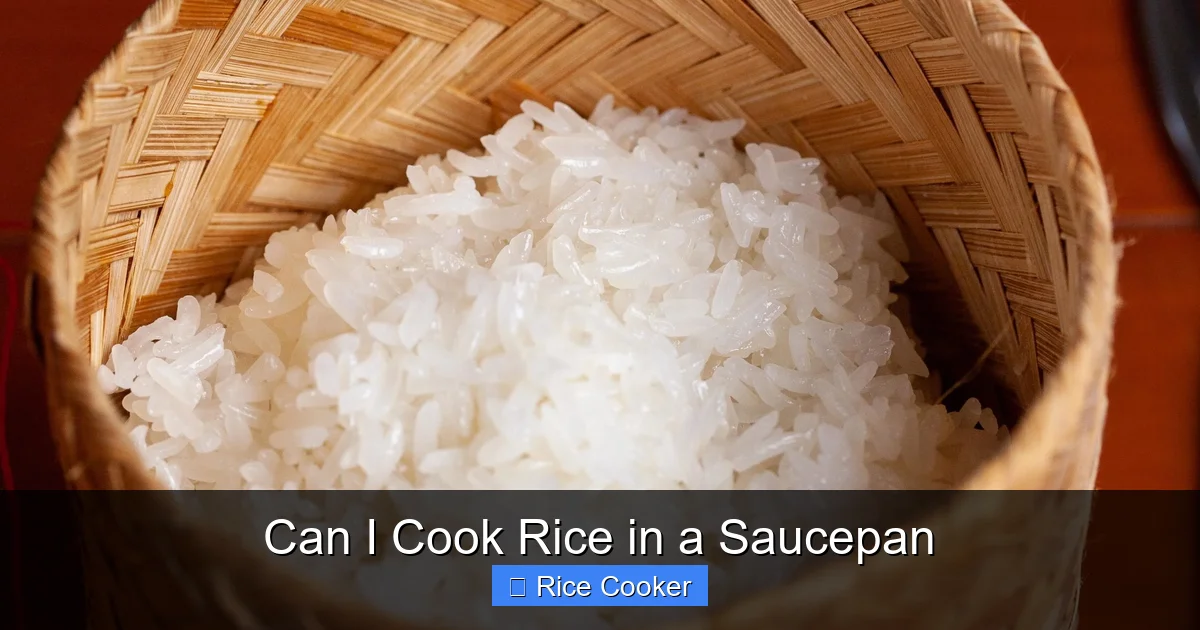
Can I cook rice in a saucepan? Absolutely! With the right technique, a saucepan is one of the easiest ways to prepare fluffy, delicious rice without needing a special appliance. It’s budget-friendly, quick, and requires just a few basic ingredients.
Key Takeaways
- Rice can be cooked in a saucepan: You don’t need a rice cooker—your regular pot works just fine with the right method.
- Proper water ratio is key: Use 1.5 to 2 cups of water for every cup of rice to avoid mushy or dry results.
- Boil, then simmer: Bring water to a boil first, then reduce heat and cover to let steam do the work.
- Resting time matters: Let rice sit off-heat for 5–10 minutes to finish cooking evenly and fluff up.
- Choose the right pot: A heavy-bottomed saucepan with a tight-fitting lid ensures even heat distribution.
- Tip for perfect texture: Rinse rice before cooking and use a wooden spoon to fluff it after resting.
📑 Table of Contents
- Can I Cook Rice in a Saucepan? The Simple Answer and Why It Works
- Why Choose a Saucepan Over a Rice Cooker?
- How to Cook Rice in a Saucepan: Step-by-Step Guide
- Tips for Perfect Saucepan Rice Every Time
- Different Types of Rice and How They Cook in a Saucepan
- Common Mistakes When Cooking Rice in a Saucepan
- Can You Cook Other Grains in a Saucepan Too?
- Frequently Asked Questions About Cooking Rice in a Saucepan
- Final Thoughts: Mastering the Saucepan Method
Can I Cook Rice in a Saucepan? The Simple Answer and Why It Works
Have you ever stood in your kitchen wondering, “Can I cook rice in a saucepan?” If you’ve ever had a rice cooker break or simply want to avoid buying another kitchen gadget, the answer is yes—absolutely! Cooking rice in a saucepan is not only possible but also one of the most reliable methods if done correctly. Whether you’re making a side dish for dinner, prepping meals ahead, or just trying to simplify your cooking routine, mastering this technique will save you time and money.
Unlike specialized appliances, a standard saucepan gives you full control over heat and timing, which can actually lead to more consistent results when you know what you’re doing. In this guide, we’ll walk through everything from choosing the right type of rice to perfecting your saucepan method, so you never have to wonder again how to make fluffy, delicious rice without a dedicated rice cooker.
Why Choose a Saucepan Over a Rice Cooker?
Many people assume that a rice cooker is the only way to make perfect rice, but that’s far from true. While rice cookers are convenient and great for batch cooking, a well-made pot on the stove offers more versatility and familiarity. Here’s why many home cooks prefer the saucepan method:
No Special Equipment Needed
You probably already own a good saucepan. No need to spend extra money on an appliance you may not use often. This makes it ideal for small kitchens or college dorm rooms where space and budget are limited.
Full Control Over Heat
With a saucepan, you can adjust temperature instantly—something rice cookers can’t always do. For example, if your rice starts sticking, you can quickly lower the heat or stir gently to prevent scorching.
Works With Any Stovetop
Gas, electric, induction—your saucepan will work across all types of burners, giving you flexibility depending on your kitchen setup.
Great for Small Batches
If you only need one serving or two, boiling water directly in a saucepan avoids the extra water needed for larger batches in a rice cooker.
That said, a rice cooker isn’t bad—it’s just different. But if you’re asking, “Can I cook rice in a saucepan?” the short answer is yes, and it might just become your new go-to method.
How to Cook Rice in a Saucepan: Step-by-Step Guide
Now that we’ve confirmed you can cook rice in a saucepan, let’s get into the details. Follow these steps closely, and you’ll end up with perfectly cooked rice every time.
Gather Your Ingredients and Tools
Before turning on the stove, make sure you have:
– 1 cup of white or brown rice (rinsed)
– Water (1.5 to 2 cups depending on rice type)
– A medium to large saucepan with a lid
– Fine-mesh strainer (optional, for rinsing)
– Wooden spoon or spatula
Measure and Rinse the Rice
Rinsing removes excess starch, which helps prevent clumping. Place rice in a fine-mesh strainer and run it under cold water until the water runs clear. Drain well.
Add Rice and Water to the Saucepan
Pour rinsed rice into the saucepan. Add water based on your rice type:
– White rice: 1.5 parts water
– Brown rice: 2 parts water
For example, 1 cup rice + 1.5 cups water = 2.5 total cups.
Bring to a Boil Over High Heat
Place the saucepan on medium-high heat. Stir once to distribute water evenly, then bring to a rolling boil. You’ll see bubbles forming rapidly around the edges.
Reduce Heat and Simmer Covered
Once boiling, immediately reduce heat to low. Cover the pot tightly with a lid. Let it simmer undisturbed for 18–20 minutes (white rice) or 40–45 minutes (brown rice).
Turn Off Heat and Rest
After simmering, turn off the heat but keep the lid on. Let the rice rest for 5–10 minutes. This allows residual steam to finish cooking the grains evenly and makes fluffing much easier.
Fluff and Serve
Use a fork or wooden spoon to gently fluff the rice, separating any clumps. Avoid stirring too vigorously—just lift and turn lightly. Then serve immediately.
Tips for Perfect Saucepan Rice Every Time
Even seasoned cooks make mistakes sometimes. To ensure success every single time, here are some pro tips:
Use the Right Saucepan Size
Don’t use a tiny pan for a large amount of rice—or vice versa. A medium-sized saucepan (about 2–3 quarts) is ideal for 1–2 cups of rice. Too much rice leads to uneven cooking; too little leaves excess heat concentrated on the bottom.
Check the Lid Seal
Make sure your lid fits snugly. If it doesn’t, place a clean kitchen towel between the lid and pot before closing to trap steam. Steam is essential—it does most of the cooking!
Don’t Lift the Lid During Cooking
Every time you lift the lid, steam escapes, which slows down the cooking process. Resist the urge to peek unless absolutely necessary.
Adjust Water Based on Altitude
At higher elevations, water boils at a lower temperature, so you may need slightly less water and a longer simmer time. Start with 1.5 cups and adjust next time based on results.
Toast Rice for Extra Flavor (Optional)
For nutty, richer-tasting rice, toast rinsed grains in the dry saucepan over medium heat for 1–2 minutes before adding water. Swirl occasionally until fragrant.
Store Leftovers Properly
Let cooled rice come to room temperature before refrigerating in an airtight container. Reheat with a splash of water in a covered microwave-safe dish or on low stove heat.
Different Types of Rice and How They Cook in a Saucepan
Not all rice is created equal—and that includes how it behaves in a saucepan. Different varieties require slightly different techniques. Below are common types and their best practices.
White Rice (Long-Grain)
This is the most common type used in Western kitchens, including jasmine and basmati. It has a fluffy, separate grain when cooked well.
– Water ratio: 1.5:1
– Cooking time: 18–20 minutes
– Best for: Fried rice, pilafs, side dishes
Brown Rice
Higher in fiber and nutrients, but takes longer to absorb water and soften.
– Water ratio: 2:1
– Cooking time: 40–45 minutes
– Tip: Soak overnight to reduce cooking time by about 10 minutes
Jasmine and Basmati Rice
These aromatic varieties benefit from rinsing and a bit of oil (a teaspoon per cup) to prevent stickiness.
– Water ratio: 1.5:1
– Cooking time: 16–18 minutes
– Serve with: Curries, stir-fries, grilled meats
Wild Rice
Technically a grass seed, wild rice needs the longest cooking time.
– Water ratio: 4:1
– Cooking time: 45–60 minutes
– Mix with white rice for texture contrast
Sushi Rice
Sticky and short-grain, sushi rice needs precise water control.
– Water ratio: 1:1
– Cooking time: 17–20 minutes
– Season after cooking with rice vinegar, sugar, and salt
Common Mistakes When Cooking Rice in a Saucepan
Even with the right steps, things can go wrong. Here’s how to avoid the most frequent pitfalls.
Using Too Much or Too Little Water
Too much = mushy rice. Too little = hard, undercooked centers. Stick to tested ratios and adjust based on results.
Lifting the Lid Too Often
Each time you lift the lid, you lose precious steam. Wait until the final rest period before checking.
Not Rinsing the Rice
Skipping this step leaves excess starch on top, leading to gummy rice. Always rinse until water runs clear.
Using a Poor-Quality Pot
Thin aluminum pots warp and create hot spots. Opt for stainless steel or enameled cast iron for even heating.
Overcooking After Fluffing
Fluffing should happen right after resting—not while still hot and exposed to air, which dries out the surface.
Ignoring the Rest Period
Skipping the 5–10 minute rest means uneven texture. The rice won’t be fully hydrated throughout.
Can You Cook Other Grains in a Saucepan Too?
Absolutely! Once you master the saucepan method, you can expand your repertoire. Many whole grains follow similar rules.
Quinoa
– Ratio: 2:1 water
– Time: 15–20 minutes
– Rinse first to remove bitterness
Barley
– Ratio: 3:1
– Time: 30–40 minutes
– Use pearl barley for quicker cooking
Oats (Steel-Cut)
– Ratio: 4:1
– Time: 20–30 minutes
– Simmer gently to avoid splitting
Couscous
– No boiling needed! Just mix with hot broth and let sit for 5 minutes. Great for no-cook methods too.
Frequently Asked Questions About Cooking Rice in a Saucepan
Do I really need to rinse my rice?
Yes! Rinsing removes excess starch, which causes clumping. It also helps achieve fluffier, separated grains. Skip this step only if you’re in a hurry or using a pre-washed brand.
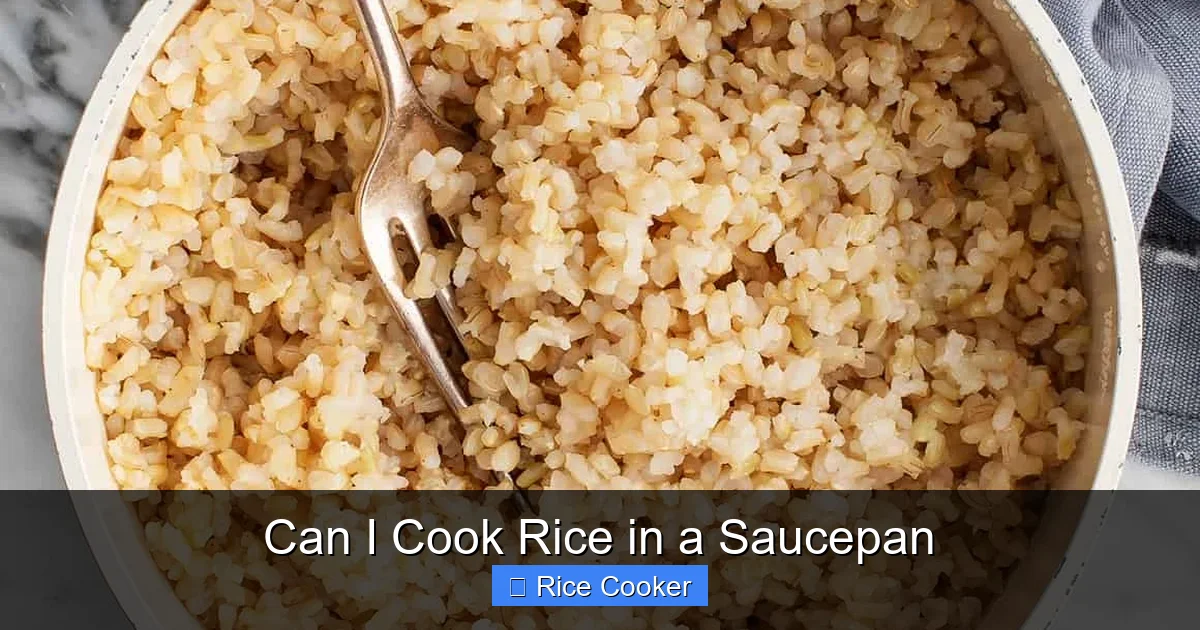
Visual guide about Can I Cook Rice in a Saucepan
Image source: cdn.loveandlemons.com
Can I cook rice in a saucepan on an electric stove?
Yes, but electric stoves often have slower heating zones. Use medium-low heat after boiling and monitor closely to avoid burning. A timer helps!
What if my rice is sticky after cooking?
Sticking usually means too much moisture or insufficient rinsing. Next time, reduce water slightly and ensure thorough rinsing. Also, don’t stir while hot—wait until rested.
Can I add flavorings during cooking?
Absolutely. Try chicken broth instead of water, a bay leaf, or a pinch of salt. Remove solids like herbs before serving.
How long does cooked rice last in the fridge?
Up to 5 days in an airtight container. Reheat with a splash of water to restore moisture.
Is it safe to leave rice unattended?
No. Even though rice simmers quietly, it can scorch or dry out if left too long. Keep an eye on the heat level and lid seal.
Final Thoughts: Mastering the Saucepan Method
So, can you cook rice in a saucepan? Without a doubt—yes. With a few simple adjustments and attention to detail, your everyday pot becomes a powerful tool for preparing perfectly cooked rice. Whether you’re making a quick weeknight meal or feeding a crowd, this method is reliable, flexible, and requires nothing more than basic kitchen staples.
The key lies in understanding your rice type, respecting the importance of steam, and not rushing the process. Once you get the hang of it, cooking rice in a saucepan becomes second nature—faster than waiting for a rice cooker to cycle through its program, and just as delicious.
And who knows? You might find that you prefer the hands-on control a saucepan offers over automated appliances. After all, sometimes the simplest tools yield the most satisfying results.
Frequently Asked Questions
Do I really need to rinse my rice?
Yes, rinsing removes excess starch that causes clumping. It results in fluffier, better-textured rice. Only skip if using pre-rinsed brands or in extreme time crunch.
Can I cook rice in a saucepan on an electric stove?
Yes, but electric stoves heat unevenly. Use medium-low heat after boiling and watch closely to prevent burning. A timer ensures accuracy.
What if my rice is sticky after cooking?
Sticking usually means too much water or poor rinsing. Reduce water next time and always rinse thoroughly. Don’t stir while hot—let it rest first.
Can I add flavorings during cooking?
Absolutely! Swap water for broth, toss in a bay leaf, or add a pinch of salt. Remove solids before serving for clean taste.
How long does cooked rice last in the fridge?
Up to 5 days in an airtight container. Reheat with a splash of water to revive texture.
Is it safe to leave rice unattended?
No. Even simmering rice can scorch or dry out. Stay nearby to monitor heat and lid seal.