
Can I cook rice in an air fryer? Absolutely! While traditional methods like using a rice cooker or stovetop are common, the air fryer offers a fast, hands-off alternative that produces fluffy, well-cooked grains. With just water, a pinch of salt, and a few minutes in your appliance, you can enjoy perfectly steamed rice without the bulk.
Key Takeaways
- Yes, air fryers can cook rice: Contrary to popular belief, many air fryers are capable of steaming rice when used correctly.
- No special settings needed: Most models use standard temperature and time settings—no “rice” mode required.
- Results are comparable to stovetop rice: When measured properly, air fryer rice comes out fluffy and evenly cooked.
- Saves time and energy: Cooking rice in an air fryer takes less than 30 minutes and uses minimal water.
- Best for small batches: Ideal for single servings or meal prep, especially if you don’t own a rice cooker.
- Use the right ratio: Stick to a 1:1.5 (rice to water) ratio for best results.
- Pre-soak optional but helpful: Soaking white rice for 15–30 minutes improves texture and reduces cooking time.
📑 Table of Contents
- Can I Cook Rice in Air Fryer? A Complete Guide
- Why Consider Cooking Rice in an Air Fryer?
- What Type of Rice Works Best?
- How to Measure Rice and Water Correctly
- Step-by-Step Instructions for Perfect Air Fryer Rice
- Troubleshooting Common Issues
- Tips for Flavorful Air Fryer Rice
- Can You Cook Other Grains in an Air Fryer?
- Comparing Air Fryer vs. Traditional Methods
- Final Thoughts: Is Cooking Rice in an Air Fryer Worth It?
Can I Cook Rice in Air Fryer? A Complete Guide
Have you ever wondered if you can cook rice in an air fryer? If you’re like most people, you probably associate air fryers with crispy fries, golden chicken wings, or flaky baked goods. But here’s a fun fact: many air fryers double as mini steamers—and yes, you absolutely can cook rice in one. In fact, it might just become your new favorite kitchen hack.
Whether you’re short on time, don’t have a rice cooker, or simply want to try something different, cooking rice in an air fryer is not only possible—it’s surprisingly effective. With just a little preparation and the right technique, you can achieve fluffy, tender grains that rival those made on the stove or in a dedicated appliance.
In this comprehensive guide, we’ll walk you through everything you need to know about cooking rice in an air fryer: from choosing the right type of rice, measuring ingredients correctly, setting timers and temperatures, to troubleshooting common issues. By the end, you’ll be ready to master this simple yet powerful method and enjoy perfectly cooked rice every time—without any guesswork.
Why Consider Cooking Rice in an Air Fryer?
The Rise of Multi-Purpose Appliances
In recent years, air fryers have exploded in popularity thanks to their ability to deliver fried-like textures with less oil. But beyond snacks and sides, these versatile machines are quietly becoming all-in-one kitchen tools. Many modern air fryers come with multiple functions—bake, roast, dehydrate, and even cook rice.
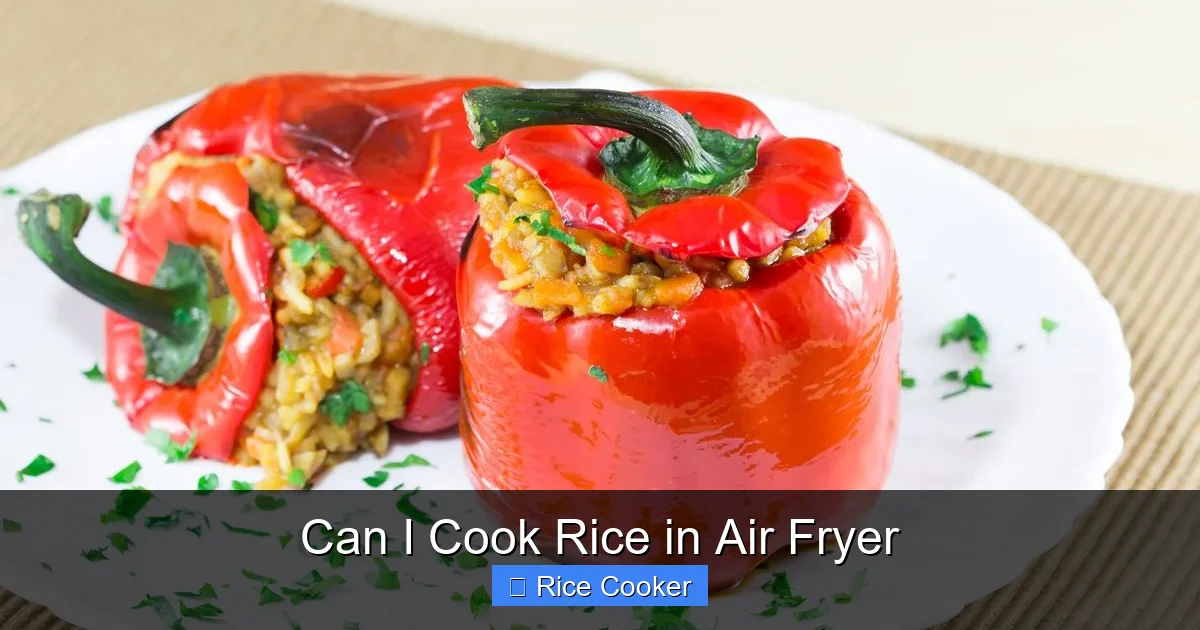
Visual guide about Can I Cook Rice in Air Fryer
Image source: primochef.it
This versatility makes them ideal for small households, college dorms, or anyone living in compact spaces where a full-sized rice cooker would take up too much room. Plus, air fryers heat up quickly and use less energy than ovens, making them an eco-friendly choice for daily cooking.
Time and Convenience Benefits
If you’re used to boiling rice on the stove, you know it requires constant attention—frequent stirring, monitoring the pot, and adjusting heat levels. With an air fryer, however, the process becomes nearly hands-free. Once you set the timer and press start, there’s nothing else to do until your rice is ready.
That means you can prep dinner while your rice cooks in the background, multitask during busy weeknights, or even leave the kitchen knowing your meal is progressing safely. For busy parents, remote workers, or students, this convenience alone is worth exploring.
What Type of Rice Works Best?
White vs. Brown Rice
Not all rice is created equal when it comes to air frying. Generally speaking, **white rice** performs better than brown rice in most air fryer models. Why? Because white rice has a higher starch content and lower fiber, which allows it to absorb moisture more evenly and cook faster.
Brown rice, on the other hand, contains bran layers that retain more water and require longer soaking and cooking times. While some advanced air fryers with precise humidity control may handle brown rice, beginners should stick to white rice for consistent results.
Short-Grain, Medium-Grain, or Long-Grain?
For everyday meals, **short-grain rice** (like sushi rice or Japanese-style rice) tends to yield the fluffiest results due to its sticky texture and high amylopectin content. However, medium- or long-grain varieties (such as basmati or jasmine) also work well—they just need slightly adjusted ratios and timing.
If you’re making risotto-style dishes or want individual grains to stay separate, go with long-grain rice. Just remember to avoid over-stirring once it starts cooking, as this can break apart delicate grains.
Rice That Should Be Avoided
Avoid using wild rice or very old, dry rice mixes in your air fryer unless specifically labeled as suitable for steaming. These types often contain added seasonings or coatings that can burn or create uneven textures in high-heat environments.
Always check the packaging or manufacturer’s instructions before attempting unconventional recipes. When in doubt, stick to plain, unseasoned white rice for reliable outcomes.
How to Measure Rice and Water Correctly
The Golden Ratio: 1:1.5
The secret to great air fryer rice lies in the ratio. For every cup of uncooked rice, use **1.5 cups of water**. This ensures the grains get enough moisture to soften without becoming mushy or sticking together.
For example:
- ½ cup rice = ¾ cup water
- 1 cup rice = 1.5 cups water
- 2 cups rice = 3 cups water
Too little water leads to undercooked, hard centers; too much creates a soupy mess. Measuring accurately is key—use a clear measuring cup and level off the rice with a knife for consistency.
Adjusting for Altitude and Humidity
If you live at high altitudes or in a very humid climate, you may need to tweak the ratio slightly. At elevations above 3,000 feet, increase water by ¼ cup per cup of rice. Conversely, in extremely dry environments, reduce water by 1–2 tablespoons to prevent excess steam buildup.
Step-by-Step Instructions for Perfect Air Fryer Rice
What You’ll Need
- Air fryer-safe container (glass, ceramic, or silicone)
- Measuring cups and spoons
- Fine-mesh strainer (optional)
- Lid or foil (to cover the container)
Step 1: Rinse and Soak the Rice
Start by rinsing your rice under cold running water until the water runs clear. This removes excess starch and prevents clumping. Then, soak the rinsed rice in water for 15–30 minutes. Soaking softens the grains and shortens cooking time by up to 5–10 minutes.
Step 2: Drain Excess Water
After soaking, drain the rice using a fine-mesh strainer. Pat it gently with a clean towel to remove surface moisture—this helps prevent sogginess later.
Step 3: Add Rice and Water to Container
Place the drained rice into your air fryer-safe container. Pour in the measured water and add a pinch of salt (about ¼ teaspoon per cup of rice). Stir lightly to distribute evenly.
Step 4: Cover the Container
Cover the container tightly with aluminum foil or a lid designed for air fryers. Make sure there’s no gap for steam to escape prematurely. Some users prefer poking tiny holes in the foil to allow minor airflow—but avoid overdoing it, or the rice may dry out.
Step 5: Set Temperature and Timer
Preheat your air fryer to **350°F (175°C)** if your model allows preheating (check manual first). If not, place the covered container directly inside and cook for **18–22 minutes**, depending on rice quantity and grain type.
Step 6: Check for Doneness
After the timer goes off, carefully remove the container using oven mitts. Fluff the rice gently with a fork and check for doneness. The grains should be tender but still slightly firm in the center. If they’re still hard, replace the lid and cook in 2-minute increments until done.
Step 7: Let It Rest
Once cooked, let the rice sit covered for 5 minutes. This final step allows residual heat to finish steaming the grains, resulting in even softer texture throughout.
Troubleshooting Common Issues
Rice Is Too Wet or Mushy
If your rice turns out gummy or overly moist, you likely used too much water or didn’t let it rest properly. In future batches, reduce water by 1–2 tablespoons and ensure proper draining after soaking. Also, avoid covering the container too tightly—slightly elevated steam release can help.
Rice Sticks to the Bottom
This usually happens when the bottom layer isn’t protected or the container isn’t non-stick. Line your container with parchment paper or lightly grease it before adding rice. Never skip this step, especially when using stainless steel baskets.
Uneven Cooking (Some Grains Are Hard)
Inconsistent results often stem from poor distribution of water or insufficient stirring before covering. Always stir the rice-water mixture once after adding ingredients. Also, rotate the container halfway through cooking if your air fryer lacks convection fans.
Smoky or Burnt Taste
If your rice smells burnt, it could be due to overheating or burning residue inside the air fryer. Clean the basket thoroughly before cooking rice—especially if you’ve been making greasy foods. Also, ensure your container isn’t too close to heating elements.
Tips for Flavorful Air Fryer Rice
Add Aromatics for Extra Flavor
Instead of plain water, try using broth (chicken, vegetable, or even coconut milk) for richer flavor. You can also toss in a bay leaf, slice of ginger, or a sprig of thyme before covering. Remove aromatics after cooking unless you’re making pilaf-style dishes.
Season After Cooking
While you can salt the water beforehand, many chefs recommend adding seasoning post-cooking. This prevents the rice from drying out or becoming overly salty. Finish with butter, olive oil, or a squeeze of lime for brightness.
Experiment with Herbs and Spices
Try infusing rice with turmeric for golden “yellow rice,” saffron threads for aromatic Persian-style rice, or smoked paprika for a savory twist. These add visual appeal and depth without complicating the process.
Can You Cook Other Grains in an Air Fryer?
Cooking Quinoa and Millet
Yes! Quinoa and millet can be cooked similarly to rice using the same 1:2 ratio (grain to liquid). They require slightly longer cooking times—around 25–30 minutes—but deliver nutty, chewy textures perfect for salads or side dishes.
Cooking Oats and Couscous
Instant oats can be cooked in 5–7 minutes using 1:1 water-to-oat ratio. Couscous works best when mixed with hot broth and allowed to sit—not actually cooked in the air fryer. For best results, follow package directions.
Making Polenta or Creamy Dishes
Polenta can be simmered in an air fryer using a sealed container with constant stirring (use a whisk). However, creamy textures are harder to achieve due to lack of direct flame. Still, it’s viable for rustic, chunky versions.
Comparing Air Fryer vs. Traditional Methods
Air Fryer vs. Stovetop
The stovetop method requires constant supervision, risk of scorching, and frequent stirring. While it gives excellent control, it’s also time-consuming. The air fryer simplifies this by automating the process—ideal for those who prefer minimal cleanup and hands-off cooking.
Air Fryer vs. Rice Cooker
Rice cookers are specifically designed for rice and often include sensors that detect when the water has evaporated, signaling readiness. Air fryers lack this precision but offer greater flexibility for multi-step recipes. If you already own both appliances, use the rice cooker for perfect consistency and the air fryer for speed and variety.
Energy Efficiency Comparison
Air fryers consume significantly less electricity than ovens or stovetops. On average, cooking 1 cup of rice takes about 0.05 kWh in an air fryer versus 0.12 kWh on the stove. That’s nearly 60% less energy—great news for your utility bill and planet.
Final Thoughts: Is Cooking Rice in an Air Fryer Worth It?
So, can you cook rice in an air fryer? Without a doubt—yes. It’s efficient, beginner-friendly, and delivers satisfying results when done right. Whether you’re preparing a last-minute dinner, experimenting with global cuisines, or just tired of the same old methods, this technique opens up a world of possibilities.
The key is understanding your equipment, respecting ingredient ratios, and practicing patience during testing phases. Don’t expect perfection on the first try—adjustments will happen as you learn what works best for your specific model and preferences.
And remember: even if your rice isn’t flawless every time, it’s still edible, nutritious, and delicious. Over time, you’ll develop a feel for timing and texture that rivals professional chefs. Plus, you’ll save space, reduce clutter, and embrace the joy of simple, smart cooking.
Next time you reach for the rice cooker, consider giving your air fryer a chance. You might just discover your new go-to method for one of the world’s most beloved staple foods.
Frequently Asked Questions
Can I cook brown rice in an air fryer?
Yes, but it requires more water and longer cooking times. Use a 1:2 ratio (rice to water) and cook for 25–30 minutes at 350°F. Soaking beforehand helps.
Do I need to preheat my air fryer before cooking rice?
Not always. Some models don’t support preheating, so just place the container directly inside. If yours does, preheating ensures even heat distribution.
Can I cook frozen rice in an air fryer?
No—frozen rice will steam rather than reheat properly. Always use fresh or previously cooked rice for best results.
How do I store leftover air fryer rice?
Let it cool completely, then transfer to an airtight container. Refrigerate for up to 4 days or freeze for up to 2 months. Reheat with a splash of water to restore moisture.
Can I cook rice and vegetables together in the air fryer?
It’s tricky due to different cooking times. Vegetables typically need less heat and time. Instead, cook rice first, remove it, then add veggies to the same basket.
Is it safe to leave the air fryer unattended while cooking rice?
Yes—air fryers are designed for passive cooking. Just ensure the container is secure and the machine has proper ventilation to avoid overheating.