
Can I cook rice in advance? Absolutely—cooking rice ahead of time is not only possible but practical for busy schedules. With proper storage and reheating techniques, you can enjoy perfectly cooked rice all week long without sacrificing flavor or texture. Whether you’re meal prepping or saving leftovers, advance cooking makes life easier.
Key Takeaways
- Cooking rice in advance saves time: Prepare a large batch once and use it over several meals, reducing daily prep work.
- Safety is key: Always cool rice quickly and refrigerate within two hours to prevent bacterial growth.
- Reheating matters: Use a microwave with a damp paper towel or steam in a pot to keep rice from drying out.
- Flavor improves with rest: Let cooled rice sit at room temperature briefly before storing to balance moisture.
- Long-term storage options: Freeze cooked rice for up to 6 months; thaw slowly in the fridge or microwave.
- Rice types vary: White rice holds shape best for advance cooking; brown rice may become mushy if overcooked.
- Use a rice cooker wisely: Set timers and adjust water ratios slightly for future meals to maintain texture.
📑 Table of Contents
- Can I Cook Rice in Advance? A Practical Guide for Every Home Cook
- Why Cook Rice in Advance?
- How to Safely Cook and Store Rice in Advance
- Storing Cooked Rice: Refrigeration vs. Freezing
- How to Reheat Rice Without Making It Mushy
- Creative Ways to Use Pre-Cooked Rice
- Common Mistakes to Avoid
- Advanced Tips for Pro-Level Advance Cooking
- Conclusion: Yes, You Should Cook Rice in Advance
Can I Cook Rice in Advance? A Practical Guide for Every Home Cook
Have you ever stood in front of an empty fridge, wondering what’s for dinner, only to realize you forgot to plan? Or maybe you’re juggling work, family, and school, and meal prep feels like a luxury you can’t afford. If so, you’re not alone. But here’s a secret: cooking rice in advance doesn’t have to be complicated—and it might just be the simplest solution to your time crunch.
Rice is one of the most versatile staples in kitchens worldwide. It pairs with curries, stir-fries, salads, soups, and more. Yet many people treat it as a daily chore—boiling water, measuring grains, waiting. But what if you could skip that step for several meals? Enter the idea of cooking rice in advance. With the right techniques, your rice cooker becomes a silent kitchen assistant, ready whenever you need it. This guide walks you through everything you need to know—from safety tips to flavor tricks—so you can confidently cook, store, and reheat rice without worry.
Why Cook Rice in Advance?
Time-Saving Benefits
The number one reason people cook rice ahead is convenience. Imagine this: Sunday morning, you measure out a full batch of jasmine rice, press start on your rice cooker, and walk away. By afternoon, it’s done, cooled, and in the fridge. Then, Monday through Friday, you grab portions, heat them up, and serve a hot meal in minutes. No boiling water, no measuring, no waiting. For busy families, professionals, or students, that’s time back in your day—time to relax, study, or spend with loved ones.
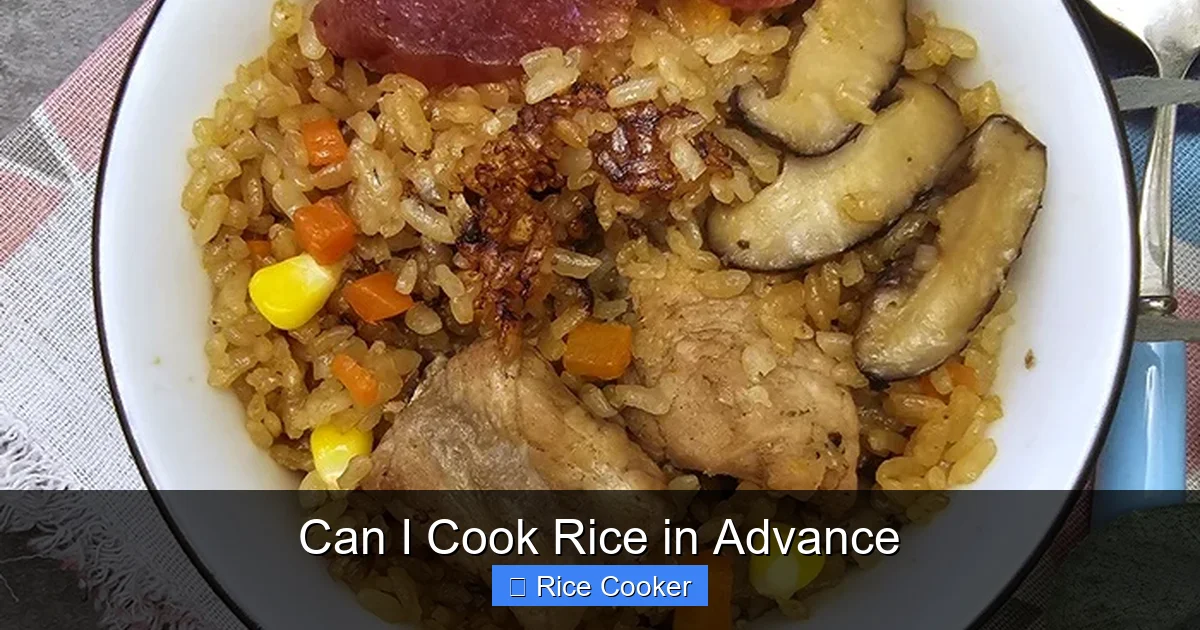
Visual guide about Can I Cook Rice in Advance
Image source: choiyen.com
Meal Prep Made Easy
Meal prepping isn’t just for smoothies and salads. Rice forms the foundation of countless dishes. When you cook rice in advance, you create a blank canvas. Mix it into fried rice with veggies and eggs, toss it with black beans and salsa for burrito bowls, or blend it into creamy risottos. Having pre-cooked rice on hand means you can assemble complex meals quickly, even when you’re short on time or ingredients.
Consistency and Quality Control
When you cook rice every day, results can vary. Sometimes it’s too dry, sometimes too wet. By cooking a big batch once, you control the texture, salt level, and doneness. You can also season it lightly with herbs or broth for extra flavor—something harder to do when cooking small portions repeatedly.
Reducing Food Waste
Unfinished rice is often tossed because no one remembers to eat it within a day or two. But properly stored, rice lasts longer. Cooking in bulk reduces the chance of leftovers going bad, helping you save money and reduce waste.
How to Safely Cook and Store Rice in Advance
Step 1: Choose the Right Rice Type
Not all rice is created equal when it comes to advance cooking. Short-grain rice (like sushi or arborio) sticks together and works well for things like risotto or onigiri. Medium-grain rice (like jasmine) holds its shape and is ideal for stir-fries or bowls. Long-grain rice (like basmati or white rice) stays fluffy and separates easily, making it perfect for fried rice or pilafs.
For beginners, we recommend starting with white long-grain rice—it’s forgiving, widely available, and reheats beautifully. Brown rice takes longer to cook and can become mushy if overcooked, so it requires more attention when prepping.
Step 2: Adjust Water Ratios Slightly
When cooking rice for later, you’ll want to leave a little room for expansion during reheating. Too much liquid can make rice soggy. Try reducing the water by 1–2 tablespoons per cup of rice. This ensures your final texture remains light and separate, even after microwaving or steaming.
Step 3: Cook to the Perfect Point
Overcooking is the enemy of advance rice. Aim for rice that’s tender but still has a slight bite (al dente). If it’s fully soft and mushy, it won’t hold up well when reheated. Most rice cookers have a “warm” setting—use it after cooking to keep rice at safe temperatures without further softening.
Step 4: Cool Quickly
This is critical for food safety. Bacteria grow rapidly between 40°F and 140°F (the “danger zone”). To avoid this, spread cooked rice in a shallow container and place it in the refrigerator within two hours. You can speed cooling by stirring occasionally or using an ice bath (submerging the container in cold water).
Step 5: Portion and Label
Divide your cooled rice into single-serving or meal-sized portions. Use airtight containers or freezer bags. Label each with the date so you know how long it’s been stored. This helps you rotate your stock and avoid using old rice.
Storing Cooked Rice: Refrigeration vs. Freezing
Refrigeration (Up to 4 Days)
Most home cooks rely on the fridge for short-term storage. Place rice in shallow containers (no more than 2 inches deep) to cool evenly. Once chilled, seal tightly to prevent drying. When reheating, add a splash of water or broth to revive moisture lost during storage.
Freezing (Up to 6 Months)
Freezing extends shelf life significantly. Pour rice into freezer-safe bags, squeeze out excess air, and lay flat in the freezer. Thaw overnight in the fridge or reheat directly from frozen (add a bit more liquid). Frozen rice works great in soups, casseroles, or stir-fries where texture isn’t as critical.
Tips for Better Storage
- Avoid leaving rice at room temperature for extended periods—never let it sit out more than 2 hours.
- Don’t store rice in metal containers—they can react with acidic foods and affect taste.
- Use glass or BPA-free plastic containers for best results.
How to Reheat Rice Without Making It Mushy
Microwave Method (Best for Singles or Small Portions)
Place rice in a microwave-safe dish. Add 1–2 teaspoons of water per cup of rice. Cover with a damp paper towel or vented lid to trap steam. Microwave on high for 1 minute, stir, then heat in 30-second intervals until warm. Stirring redistributes heat and prevents clumping.
Stovetop Method (Best for Even Heating)
Heat a non-stick pan over medium-low. Add a teaspoon of oil or butter, then rice. Sprinkle in a splash of water and cover. Let it steam for 3–5 minutes, stirring halfway through. This method gives you control over doneness and avoids rubbery spots.
Steamer Basket (Gentle and Effective)
If you have a bamboo steamer or electric food steamer, line it with parchment and steam rice covered for 8–10 minutes. The gentle heat preserves texture and prevents drying.
Oven Method (For Large Batches)
Spread rice on a baking sheet lined with parchment. Drizzle with water, cover tightly with foil, and bake at 325°F (160°C) for 15–20 minutes. Stir halfway through. Great for reheating multiple servings at once.
Creative Ways to Use Pre-Cooked Rice
Breakfast Ideas
Who said rice was just for dinner? Mix cooked rice with scrambled eggs, cheese, spinach, and turmeric for a savory breakfast bowl. Or try rice porridge with cinnamon, raisins, and milk for a comforting start to the day.
Lunch and Dinner Favorites
- Fried Rice: Sauté rice with soy sauce, garlic, ginger, peas, carrots, and scrambled egg. Add protein like chicken or shrimp.
- Buddha Bowls: Layer rice with roasted sweet potatoes, chickpeas, avocado, and tahini dressing.
- Risotto: Warm rice with broth gradually, stirring constantly, until creamy. Top with Parmesan and mushrooms.
- Sushi Rolls: Use seasoned sushi rice for easy homemade rolls with cucumber, avocado, and crab.
Snacks and Sides
Make rice cakes by pressing rice into molds and frying until crispy. Serve with hummus or peanut sauce. Or turn leftover rice into crispy rice treats—a nostalgic twist on dessert.
Common Mistakes to Avoid
Leaving Rice Out Too Long
Never let cooked rice sit at room temperature for more than two hours. This is the #1 cause of foodborne illness linked to rice consumption. Always refrigerate promptly.
Overpacking Containers
Thick piles of rice cool unevenly, creating pockets of warmth where bacteria thrive. Always use shallow containers.
Skipping the Damp Towel During Reheating
Microwaved rice dries out fast. A damp paper towel traps steam and keeps it moist. Skip this step, and you’ll end up with hard, chewy grains.
Using Old Rice Without Testing
Rice older than 4 days in the fridge or 6 months in the freezer can lose quality. Smell and check texture before eating. If it smells off or tastes stale, discard it.
Ignoring Salt and Seasoning
Pre-seasoned rice reheats better. Add a pinch of salt, a drizzle of olive oil, or a few drops of soy sauce while cooking to enhance flavor later.
Advanced Tips for Pro-Level Advance Cooking
Cooking Flavored Rice
Infuse rice with flavor during cooking. Use vegetable broth instead of water. Add bay leaves, cinnamon sticks, or lemongrass for aromatic rice. After cooking, remove solids and cool as usual.
Batching for Different Meals
Cook multiple varieties at once—white rice, brown rice, quinoa, and wild rice—in separate batches. Store separately to avoid cross-contamination of textures and flavors.
Using a Timer on Your Rice Cooker
Set your rice cooker to “warm” after cooking, then transfer to the fridge once cooled. Some models have delay timers—program it to cook rice at 6 a.m., and you’ll wake up to fresh rice.
Making Rice Flour Ahead
Grind cooked rice into flour for gluten-free baking or thickening sauces. Dry it in a low oven or food dehydrator, then store in an airtight jar.
Conclusion: Yes, You Should Cook Rice in Advance
So, can you cook rice in advance? Absolutely. With a few simple steps—cooling quickly, storing properly, and reheating wisely—you can enjoy perfectly cooked rice anytime, anywhere. Whether you’re a parent juggling school lunches, a student cramming for exams, or someone who simply values their free time, advance rice cooking is a game-changer.
It’s not about perfection—it’s about practicality. Life gets busy. But your meals don’t have to suffer. By mastering this technique, you gain control over your kitchen, your schedule, and your health. Next time you open your rice cooker, think beyond today’s dinner. Think about tomorrow’s lunch, next week’s stir-fry, and the peace of mind that comes with being prepared.
Start small. Cook an extra cup of rice tonight. Store it properly. Reheat it tomorrow with a splash of water and a dash of soy sauce. Soon, you’ll wonder how you ever lived without it.
Frequently Asked Questions
Can I cook rice the night before and eat it the next day?
Yes, you can safely cook rice the night before and eat it the next day. Just ensure it cools quickly and refrigerates within two hours. Reheat thoroughly to steaming hot before serving.
Does rice go bad if I cook too much in advance?
Cooked rice can be stored for up to 4 days in the refrigerator or 6 months in the freezer. However, quality declines over time. Always check for off smells or sliminess before eating.
What’s the safest way to cool rice before storing?
Spread rice in a shallow container and place it in the refrigerator within two hours. Stirring occasionally helps cool it faster and prevents bacterial growth in the center.
Can I reheat rice in the microwave more than once?
Yes, but each reheating cycle increases the risk of drying out the rice. If you must reheat more than once, add a little water each time and cover with a damp paper towel.
Is it okay to freeze rice that’s already been refrigerated?
Absolutely. Once rice is cooled and stored in the fridge, you can transfer it to the freezer for longer storage. Just make sure it’s in an airtight container or bag.
Will advance-cooked rice work for sushi?
Yes, but only if it’s properly seasoned and handled. Cook rice, cool it, mix with rice vinegar, sugar, and salt, then refrigerate. Use within 24 hours for best texture and safety.