
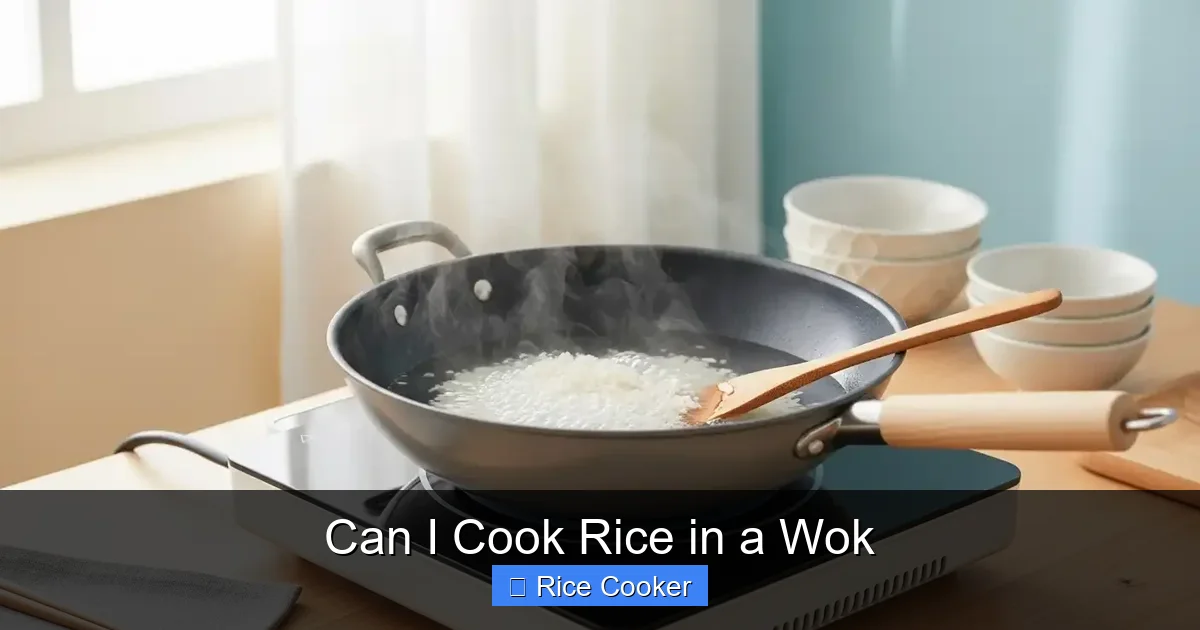
Can you cook rice in a wok? Absolutely! While rice cookers are ideal, a wok works great too—especially if you love versatility and quick heat control. With the right method, your wok-cooked rice comes out fluffy, evenly cooked, and full of flavor. This guide walks you through every step, from prep to perfect results.
Have you ever wondered if you can cook rice in a wok? Maybe you’re tired of your rice cooker collecting dust, or perhaps you’re just curious about expanding your kitchen skills. The short answer? Yes, absolutely—you can cook rice in a wok. In fact, many home cooks swear by this method for its speed, versatility, and ability to add extra flavor.
Unlike a rice cooker, which uses steam and precise timing, a wok relies on direct heat and careful monitoring. But don’t let that scare you off. With the right technique, your wok can deliver fluffy, tender, and delicious rice every time—whether you’re making plain white rice, jasmine, basmati, or even fried rice. Plus, cooking rice in a wok gives you the flexibility to toss in vegetables, proteins, or seasonings mid-cook, turning one dish into a complete meal.
In this article, we’ll walk you through everything you need to know about cooking rice in a wok. From choosing the right type of rice to mastering heat control and cleanup, we’ve got you covered. Whether you’re a beginner or a seasoned cook looking to experiment, this guide will help you unlock the full potential of your wok—and maybe even fall in love with rice all over again.
Key Takeaways
- Rice can be cooked in a wok: Yes, a wok is capable of cooking rice when used properly with the right technique and heat management.
- Heat control is key: A wok heats up quickly and distributes heat evenly, making it excellent for searing and stir-frying—but you’ll need to manage temperature carefully to avoid burnt rice. For more on appliance safety, see our guide on leaving rice cookers on warm
- Water ratio matters: Use the standard water-to-rice ratio (1:1.5 or 1:2 depending on rice type), but keep in mind that evaporation in a wok may require slightly more water than a pot.
- Pre-soaking helps: Soaking rice before cooking improves texture and reduces cooking time, especially when using a wok’s high heat.
- Stirring is optional: Unlike traditional boiling, wok cooking often involves minimal stirring—just enough to prevent sticking and ensure even doneness.
- Flavor boosts are easy: Add garlic, ginger, soy sauce, or broth during cooking to infuse rice with rich, savory notes.
- Cleanup is manageable: Non-stick or carbon steel woks make cleanup easier, and soaking the wok immediately after use prevents stubborn residue.
📑 Table of Contents
- Understanding the Wok: Why It Works for Rice
- Choosing the Right Rice for Wok Cooking
- Step-by-Step Guide: How to Cook Rice in a Wok
- Tips for Perfect Wok-Cooked Rice Every Time
- Troubleshooting Common Rice Issues in the Wok
- Beyond Plain Rice: Creative Ways to Use Your Wok
- Wok vs. Rice Cooker: Which Is Better?
- Final Thoughts: Embrace the Versatility of Your Wok
Understanding the Wok: Why It Works for Rice
Before diving into the how-to, let’s talk about why a wok is actually a great tool for cooking rice. At first glance, it might seem like an odd choice. After all, woks are traditionally used for stir-frying, deep-frying, and sautéing. But their design offers several advantages when it comes to rice.
First, woks have a wide, shallow shape that allows air to circulate around the food. This promotes even cooking and helps prevent rice from clumping. Second, they heat up incredibly fast and retain heat well—thanks to materials like cast iron, carbon steel, or stainless steel. That means you can quickly bring water to a boil, then adjust the flame to maintain gentle simmering without scorching.
Another benefit is the ability to control moisture levels. Since a wok isn’t sealed like a rice cooker or covered pot, some water evaporates during cooking. This can actually help achieve a slightly drier, fluffier texture—ideal for dishes like fried rice or biryani.
However, there are also challenges. Because heat radiates from the bottom and sides, you’ll need to stir occasionally to ensure even cooking. And unlike an electric rice cooker, there’s no automatic shut-off, so you must monitor the process closely.
Still, when used correctly, a wok delivers consistent, restaurant-quality rice with minimal effort. Let’s break down the best practices.
Types of Woks Ideal for Cooking Rice
Not all woks are created equal. Some materials and designs work better than others when it comes to rice. Here’s what to look for:
- Carbon Steel Woks: These are lightweight, highly conductive, and develop a natural non-stick patina over time. They heat up quickly and distribute heat evenly—perfect for controlling the delicate balance needed for rice.
- Cast Iron Woks: Heavier and slower to heat, cast iron retains heat exceptionally well. This makes it great for maintaining a steady temperature during long rice cooks, though it requires more attention to prevent hot spots.
- Non-Stick Woks: If you prefer low-fat cooking and worry about sticking, a good non-stick wok can simplify things. Just avoid high heat to preserve the coating.
- Stainless Steel Woks: Durable and easy to clean, but they don’t heat as evenly as carbon steel. Pair with a wok ring for stability and consider preheating thoroughly.
For most home cooks, a carbon steel wok strikes the best balance between performance and affordability. It’s responsive to temperature changes, easy to season, and won’t warp under typical rice cooking conditions.
Choosing the Right Rice for Wok Cooking
The success of wok-cooked rice starts with selecting the right grain. Not all rice types behave the same way under direct heat and moisture.
Best Rice Varieties for Wok Cooking
- Jasmine Rice: Fragrant, slightly sticky, and holds up well to stirring. Its aromatic oils complement the high-heat environment of a wok.
- Basmati Rice: Long-grain and light, basmati absorbs liquid evenly and doesn’t turn mushy. Ideal for pilaf-style dishes.
- Sushi Rice: Short-grain and clingy, sushi rice benefits from the controlled heat of a wok when making onigiri or hand rolls.
- Short-Grain Rice (like Calrose): Great for creamy risottos or sticky rice, but requires constant stirring to prevent burning.
- Brown Rice: Takes longer to cook due to its bran layer. Soak it overnight and use a bit more water to ensure tenderness.
Avoid very old or dry rice if possible. Fresh, high-quality grains cook more predictably and taste better. Also, rinse your rice before cooking to remove excess starch—this helps prevent gummy results.
Pro Tip: Pre-Soaking Saves Time and Improves Texture
Soaking rice for 20–30 minutes (or up to 2 hours) before cooking softens the grains and reduces cooking time. It also helps release starches gradually, leading to a creamier mouthfeel. For wok cooking, this is especially helpful since you’re relying on manual timing rather than automated sensors.
After soaking, drain the rice thoroughly—don’t skip this step. Excess water can dilute flavors and extend cooking time unnecessarily.
Step-by-Step Guide: How to Cook Rice in a Wok
Now for the fun part—actually cooking rice in your wok. Follow these steps for foolproof results:
Step 1: Prep Your Ingredients
Start by measuring your rice and water. As a general rule:
- White rice: 1 cup rice : 1.5 cups water
- Brown rice: 1 cup rice : 2 cups water
- Sushi/basmati: 1 cup rice : 1.25 cups water
Adjust based on your rice brand’s instructions. Then, rinse the rice under cold running water until the water runs clear. Drain in a fine-mesh strainer.
If you want flavored rice, chop aromatics now—garlic, ginger, scallions, or even a bay leaf.
Step 2: Heat the Wok
Place your wok on medium-high heat. Let it get hot but not smoking. Add a small amount of oil (about 1 teaspoon) and swirl to coat the surface. This prevents sticking—especially important at the beginning.
Once the oil shimmers, add your rinsed rice. Don’t add water yet! Dry-frying the rice for 30–60 seconds helps toast the grains slightly, enhancing aroma and texture.
Step 3: Add Liquid and Simmer
Pour in the measured water (and any flavorings like broth or soy sauce). Stir once to combine. Bring to a rolling boil, then reduce heat to low-medium. Cover the wok with a tight-fitting lid or aluminum foil.
Let the rice simmer undisturbed for about 15–20 minutes (white rice) or 30–40 minutes (brown rice). Avoid lifting the lid frequently—every time you peek, steam escapes, extending cooking time.
Step 4: Check for Doneness
After the estimated time, open the lid. The rice should be tender with no visible water. If it looks dry but still firm, add a splash of hot water, cover again, and cook another 2–3 minutes.
Use a fork to fluff gently. The grains should separate easily—no mushiness!
Step 5: Rest and Serve
Turn off the heat and let the rice rest, covered, for 5–10 minutes. This allows residual steam to finish cooking the rice evenly. Fluff once more before serving.
And that’s it—homemade, wok-perfected rice ready to enjoy!
Tips for Perfect Wok-Cooked Rice Every Time
Even with the right technique, small details can make a big difference. Here are pro-level tips to elevate your game:
Control Heat Like a Pro
Too much heat causes the bottom to burn while the top stays raw. Too little leaves rice soggy. Keep the flame low-medium after boiling. Think of it like slow-cooking—patience wins.
Use a Lid Strategically
A well-fitted lid traps steam, creating a mini-oven effect inside the wok. If your lid doesn’t seal tightly, use crumpled foil instead. Just make sure it covers fully to prevent moisture loss.
Add Flavor Without Overcomplicating
Want savory rice? Toast minced garlic and ginger in oil with the rice. Pour in vegetable or chicken broth instead of water. A splash of soy sauce or oyster sauce adds umami depth. For fruity rice, try coconut milk with pandan leaves.
Don’t Rush the Resting Phase
Skipping the resting period leads to uneven texture. Trust the process—your rice will thank you later.
Clean Up Immediately
Rice starch hardens quickly. Soak the wok in warm, soapy water right after use. Scrub gently with a nylon brush. Avoid steel wool on non-stick surfaces.
Troubleshooting Common Rice Issues in the Wok
Even experienced cooks hit snags. Here’s how to fix common problems:
Problem: Rice Sticks Together
Cause: Too much water, insufficient rinsing, or over-stirring.
Fix: Rinse rice thoroughly before cooking. Use less water initially, and avoid constant mixing. Fluff gently at the end with a fork.
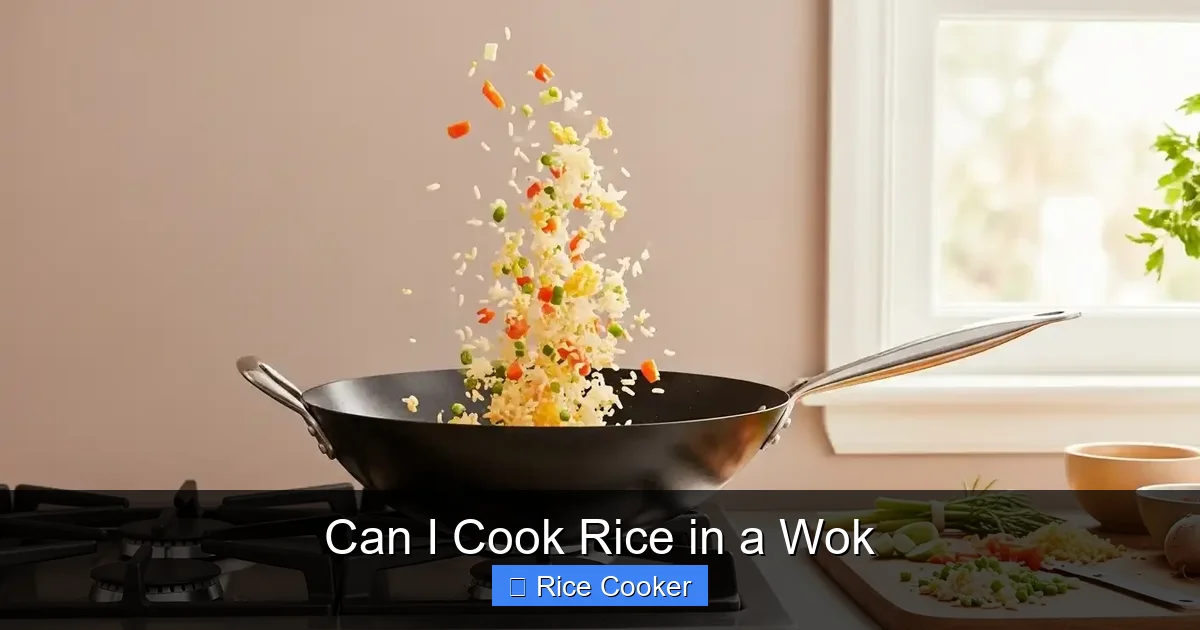
Visual guide about Can I Cook Rice in a Wok
Image source: cookwarely.com
Problem: Bottom Burns or Burnt Taste
Cause: High heat or uncovered cooking.
Fix: Reduce flame immediately. Cover the wok and add a tablespoon of water if needed. Transfer to a plate and rinse briefly under cold water to stop cooking. For additional safety tips, check out our guide on leaving rice in the rice cooker overnight
Problem: Rice Remains Hard in the Center
Cause: Insufficient soaking or too much heat.
Fix: Soak rice longer next time. Cook on lower heat and check doneness earlier. If needed, add hot water and continue simmering with the lid on.
Problem: Water Evaporates Too Quickly
Cause: Open wok design and dry climate.
Fix: Start with slightly more water than usual. Keep a kettle of hot water nearby to top up if needed.
Beyond Plain Rice: Creative Ways to Use Your Wok
Why stop at plain white rice? Your wok opens doors to endless possibilities:
Fried Rice
Cook leftover rice (cold works best!) with beaten eggs, diced veggies, and protein. Push ingredients to one side, scramble eggs, then mix everything together. Season with soy sauce and sesame oil.
Rice Pilaf with Herbs and Nuts
Toast almonds or pine nuts in oil with onion slices. Add rice and toast for 1 minute. Pour in hot broth, add thyme or rosemary, and simmer until absorbed. Garnish with parsley.
Coconut Rice
Replace half the water with coconut milk. Add a pandan leaf or vanilla bean for fragrance. Simmer until creamy and fragrant.
One-Pot Meals
Add chicken thighs, shrimp, or tofu directly to the wok with rice. Cook covered until meat is done and rice is tender—no dirty dishes!
These variations keep meals exciting and maximize your kitchen’s potential.
Wok vs. Rice Cooker: Which Is Better?
You might be wondering: should I stick with my rice cooker or embrace the wok method?
Advantages of a Rice Cooker
- Automated timing and temperature control
- Consistent results every time
- Less hands-on attention required
- Often includes steaming trays for veggies
Advantages of a Wok
- Faster initial heating
- Better for adding flavors mid-cook
- Works well for multiple dishes in one pan
- Develops fond (browned bits) that enhance flavor
Ultimately, both tools have their place. Use a rice cooker for everyday simplicity. Turn to your wok when you want variety, speed, or a touch of restaurant flair.
Final Thoughts: Embrace the Versatility of Your Wok
Cooking rice in a wok isn’t just possible—it’s rewarding. It connects you to centuries of culinary tradition while letting you put your personal spin on every bowl. Whether you’re whipping up a quick weeknight dinner or preparing something special, your wok proves itself as a true multitasker.
The key lies in understanding its strengths: rapid heat, even cooking, and flavor infusion. With practice, you’ll learn to read the rice, feel the steam, and adjust heat like a pro. Soon, you’ll wonder why you ever doubted it.
So go ahead—grab your wok, measure out your rice, and start cooking. You might just discover your new favorite way to make rice.
Frequently Asked Questions
Can you cook white rice in a wok?
Yes, you can absolutely cook white rice in a wok. Use a 1:1.5 water-to-rice ratio, bring to a boil, then simmer covered for 15–20 minutes. Fluff with a fork before serving.
Do I need to soak rice before cooking it in a wok?
Soaking isn’t mandatory, but it helps soften the grains and speeds up cooking time. Aim for 20–30 minutes for best results, especially with long-grain varieties.
What kind of wok is best for cooking rice?
A carbon steel wok is ideal due to its heat responsiveness and even distribution. Non-stick or cast iron models also work well, though they may require more attention to prevent sticking or hot spots.
How do I prevent rice from sticking to the wok?
Lightly oil the hot wok before adding dry rice. Avoid overcrowding and stir occasionally during the initial dry-frying phase. Using a well-seasoned wok also reduces sticking.
Can I add flavorings like garlic or soy sauce to wok-cooked rice?
Absolutely! Toast aromatics like garlic and ginger in oil with the rice before adding water. You can also replace some water with broth or stir in soy sauce during cooking for extra depth.
Is it safe to cook rice in a non-stick wok?
Yes, but avoid high heat and metal utensils to preserve the non-stick coating. Medium heat works best, and always follow manufacturer guidelines for care.